1228 Maurine St, Billings, MT 59105
To contact a resident: (406) 248-9943
For more information about senior living options: (866) 208-4318
Primrose Personal Care Home Costs & Pricing
Primrose Personal Care Home offers competitive rates for its residents compared to both Yellowstone County and the broader state of Montana. For a semi-private room, Primrose charges $3,000 per month, significantly lower than the county's average of $4,544 and the state's average of $3,874. Meanwhile, the cost for a private room at Primrose is set at $3,400, which again stands in contrast to the higher rates of $4,514 in Yellowstone County and $4,402 statewide. This pricing strategy not only makes Primrose an attractive option for individuals seeking personal care services but also reflects its commitment to providing affordable quality care within a supportive environment.
| Floor plans | Primrose Personal Care Home | Yellowstone County | Montana |
|---|---|---|---|
| Semi-Private | $3,000 | $4,544 | $3,874 |
| Private | $3,400 | $4,514 | $4,402 |
Senior living communities with a similar price nearby
-
from -$425 / mo

Westpark Village Senior Living
$2,575 to $3,880 / month6.5 miles away -
from -$530 / mo
Sweetwater Retirement Community
$2,470 to $2,925 / month8.1 miles away -
About the same
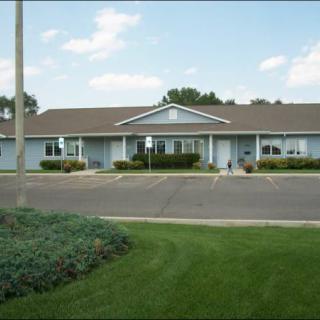
Edgewood Vista-Billings
$2,975 to $4,150 / month0.1 miles away -
from +$200 / mo
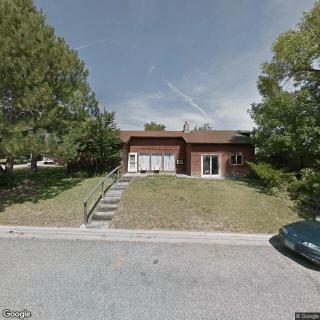
Autumn Care Center II
$3,200 / month7.6 miles away -
from +$359 / mo

Aspen Meadows Assisted Living
$3,359 to $5,995 / month4.0 miles away
Overall Review of Primrose Personal Care Home
Pros
 The facility offers the best work environment an employee could ask for.
- The facility feels like a home away from home.
- It is a really special home.
- It is the perfect place for a family member.
- The Primrose assisted living facility is led by a dedicated owner who spares no expense to make residents comfortable and fosters a family-like environment.
- There is a very personal connection between staff and residents, with residents treated with respect and dignity.
- It is a wonderful place.
Cons
 The staff are not trained in anything and are dishonest.
- They cannot keep staff, leading to turnover.
- They caused a resident to be hospitalized three times due to medication errors.
- The management is awful and abusive CNAs are allowed on the floor despite complaints, with speaking up leading to job loss.
Review
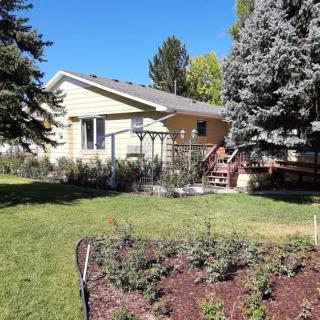
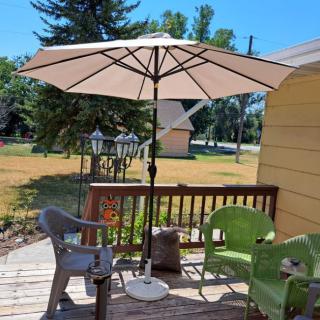
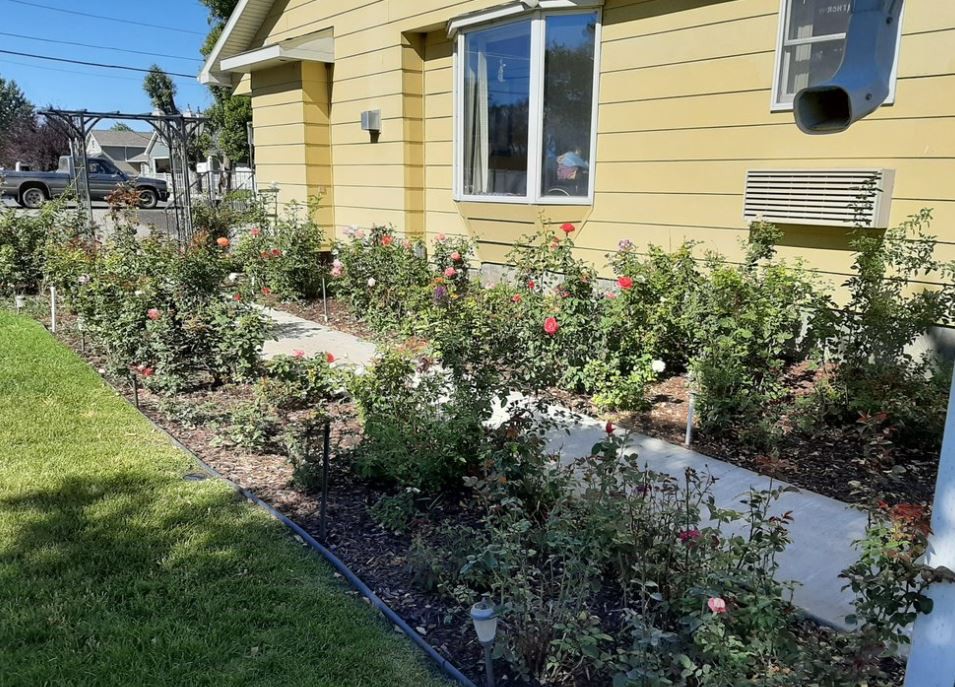
Primrose Personal Care Home in Billings, Montana is best suited for seniors who prize a warm, home-like environment where caregivers know residents by name and family members feel welcomed as partners in care. The setting emphasizes personal connections, comfort, and dignity over clinical formality. Residents and families frequently describe a sense of belonging, an atmosphere that feels less like a facility and more like a supportive household. The owner’s long-term commitment and the staff’s emphasis on a family-type environment create a tone of generosity and continuity that can be deeply reassuring for those who fear institutional distance.
That said, serious caveats are raised in reviews that must inform any decision. A number of commenters question staff training and reliability, alleging medication errors with serious consequences and even hospitalization. Another critique targets management, citing abusive CNAs and a perception that concerns raised by families go unanswered. These points signal real risk factors for residents who require tight medical oversight and a stable, well-supervised care team. Given such feedback, families should independently verify current practices, inspect state records, and observe daily operations before committing.
Where Primrose shines, the positives are tangible and meaningful: very personal connections between staff and residents, consistent respect and dignity, and a sense of being seen as part of a family rather than a task. The setting, more home than institution, encourages daily warmth, meaningful conversations, and routines that feel tailored to individual preferences. Those advantages offset concerns for residents who do not need intensive medical interventions and who value continuity of care and emotional support. However, the same strengths do not fully mitigate the risk flagged by medication- and management-focused reviews; in scenarios requiring precise med management or rapid escalation of care, the negatives create a meaningful counterweight.
Multiple reviewers describe the owner as exceptionally devoted, sparing no expense to keep residents comfortable and to cultivate a family-type environment. The sentiment recurs that staff treat residents as family, that the setting feels like home, and that caregivers learn preferences and form personal connections. This consistency of care and genuine concern for well-being can translate into lower stress for both residents and families and can be a decisive factor for those seeking steady companionship and a comforting daily routine.
Prospective families should evaluate Primrose with a practical, action-oriented lens: request a tour during meal times to observe interaction styles; inquire about medication administration protocols, who handles MARs, and how errors are reported and corrected; review the latest state inspections and any open complaints; ask about staff turnover and ongoing training; speak with current residents and family members about their day-to-day experiences; and verify that the facility can meet specific medical needs, including any required therapies or specialized support.
In the end, Primrose Personal Care Home offers a compelling option for families prioritizing warmth, a home-like feel, and a hands-on, relationship-driven care model. For those whose top concern is clinical precision, consistent oversight, and a track record of guarded safety in medication management, alternatives with stronger formal medical protocols are worth exploring. The decision should hinge on whether the resident’s emotional well-being and sense of belonging in a close-knit community outweigh potential shortcomings in staff stability and medical monitoring. A careful visit, coupled with corroboration of state records and current staff practices, will reveal whether this is the right fit.
 Board and Care Home
 Private
 Billings Logan International (5 miles away)
 Diabetic care
 High acuity care
 Incontinence care


 Comprehensive Exploration of Living Wills and Other Advance Directives
 A Detailed Exploration of Living Wills and Advance Directives
 Comprehensive Guide to Medicare Coverage for Hospice Care