
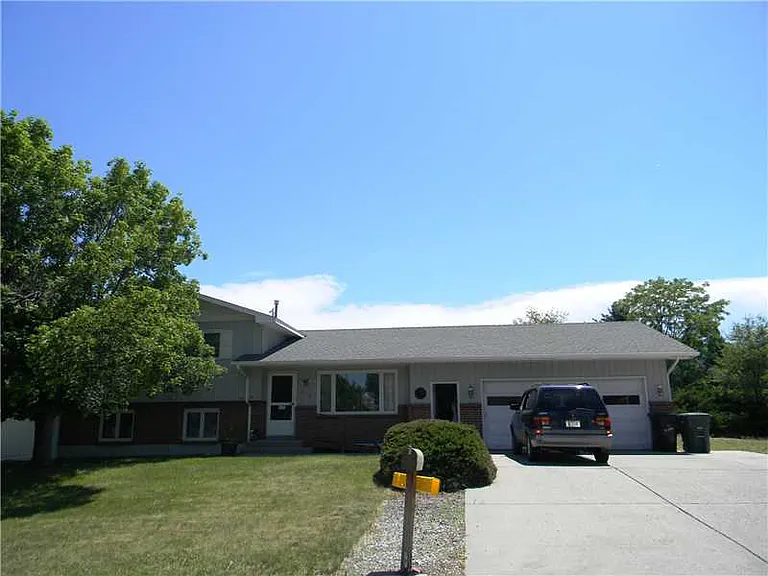
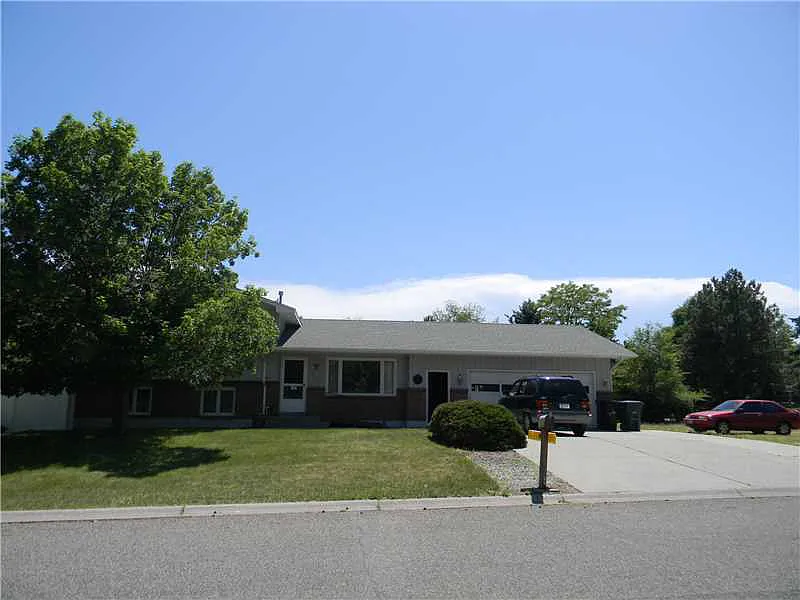
106 Erickson Court, Billings, MT 59105
For more information about senior living options: (866) 208-4318
Overall Review of Primrose II Erickson Court
Pros
 The home exudes love and warmth from the owners and staff.
- The owners are kind and flexible and go out of their way to care for residents.
- Personal care is provided to each resident with attention and compassion, resulting in an exceptional quality of life.
- The staff are wonderful people who truly care about those they serve.
- The overall atmosphere is supportive and caring.
Cons
 It is very poorly run.
- Cable TV was disconnected once a month for nonpayment.
- They knowingly hired people that use drugs.
- The employees sit in the garage and smoke all day.
- Residence meds go missing; no one knows where they are.
- They do not have activities.
- They do not take you shopping unless you ask.
- It is not a happy place to live.
- It is very depressing.
Review
Primrose II Erickson Court in Billings is best suited for families seeking a small, home-like assisted living where caregiving feels deeply personal and the owners are highly visible and responsive. The setting resonates with residents who prioritize warmth, flexibility, and individualized attention over formal programming or corporate systems. It functions well for families that want a tight-knit environment where staff know residents by name and where decisions can be tailored to the individualā€™s preferences. This is the kind of place where a resident can experience a genuine sense of belonging and consistent, one-on-one care, rather than a more clinical or impersonal atmosphere.
Those who may want to consider alternatives are precisely the ones who require strict operational reliability and robust programming. If medication management needs to be beyond basic oversight, if daily routines need to be highly scheduled and predictable, or if frequent outings and structured activities are essential, other facilities with stronger corporate governance and standardized processes may be a better fit. Families needing comprehensive transportation support, regular social programming, and transparent, formal accountability will likely find more alignment elsewhere.
On the positive side, three reviewers celebrate a home that truly cares. The owners come across as kind, flexible, and deeply invested, and the caregiving feels attentive on a personal level. Residents receive individualized care that elevates everyday life, and the overall quality of life is described as exceptional by those who value a warm, intimate environment. This is not a sterile, one-size-fits-all setting; it is a place where staff and owners are willing to adapt to preferences, routines, and idiosyncrasies to keep life meaningful and comfortable.
Conversely, a single, strongly negative account raises serious red flags about operations and safety. Allegations include mismanagement of basic services (such as intermittent cable service), problematic staffing practices (reports of drug use among some personnel and employees spending long periods in a garage), and gaps in essential supply, medications go missing and groceries are not replenished promptly. In addition, the facility is described as having little programming, few activities, and limited opportunities for shopping or outings unless specifically requested. Taken together, these concerns point to a fragile operational backbone that can undermine trust and safety, especially for residents who require reliable oversight and routine.
The critical question becomes whether the emotional warmth and highly personalized care can compensate for these operational risks. For a very small group of residents who prize a familial, homelike atmosphere and can function safely within a less regimented framework, the pros may outweigh the cons, provided the family can live with the potential gaps in management and activity offerings. For anyone with higher needs for medication accuracy, predictable schedules, ample activities, or strong staff supervision, the deficits are likely too significant. In short, warmth and flexibility exist here, but they do not fully offset the clear concerns about safety, consistency, and programming.
Prospective families should approach a visit with a clear checklist: meet the owners and key staff, review medication handling procedures, ask for a recent incident or medication-management log, verify staff qualifications and background checks, inquire about the weekly activities calendar and transportation options, and request to observe a mealtime and interaction with residents. Assess whether the environment feels stable enough to rely on day after day, and consider whether a trial stay or short-term observation could illuminate how operational gaps impact daily life. If the answer to these questions leans toward strong oversight and robust programming, Primrose II Erickson Court may not be the best long-term choice; if the emphasis remains on heartfelt care within a loving home, it could be a compelling, if imperfect, match.
 21 resident community capacity
 Assisted Living
 Beauty salon
 Cable or satellite TV
 Dining room
 Fully furnished
 Garden
 Housekeeping services
 Kitchenette
 Move-in coordination
 Outdoor space
 Restaurant-style dining
 Small library
 Telephone
 Wi-Fi/high-speed internet available
 Billings Logan International (3 miles away)
 24-hour call system
 Activities of daily living assistance
 Assistance with bathing
 Assistance with dressing
 Assistance with transfers
 Diabetes diet
 Medication management
 Mental wellness program
 Special dietary restrictions




 Comprehensive Insights into Activities of Daily Living (ADLs) and Their Assessment
 Medicare Coverage for Assisted Living: An In-Depth Exploration
 Your Comprehensive Guide to Luxury Assisted Living: Elevated Facilities, Amenities, and Costs