
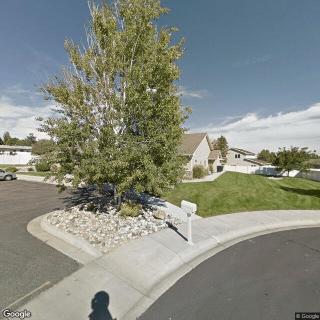
74 Lily Valley Circle, Billings, MT 59105
For more information about senior living options: (866) 208-4318
Overall Review of Butterfly Homes III
Pros
 Butterfly Homes is warm and inviting, with staff who are friendly and treat residents with dignity and kindness.
 - Families feel blessed to have found Butterfly Homes as a wonderful place for their loved ones.
- The care provided at Butterfly Homes is high caliber and loving, delivered by Janet, Mindy, and the staff.
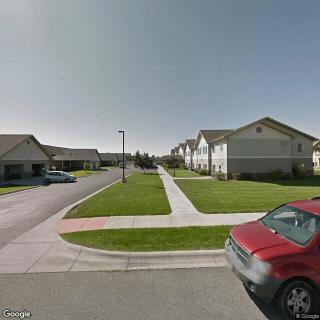
- The facility is clean, comfortable, and home-like, with daily menus that look delicious.
- Many staff members are long-term employees, reflecting strong leadership and stability.
- The staff consistently show care, treating residents with respect, dignity, and love.
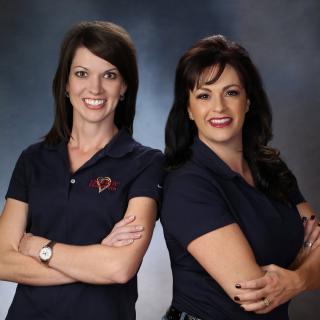
- Mindy helps make transitions into Butterfly Homes easy, demonstrating professionalism, excellent communication, and sincere compassion.
- Families would give Butterfly Homes their highest recommendation.
Review
Butterfly Homes III in Billings is best suited for families seeking a small, intimate assisted living that feels like a personal residence rather than an institution. It excels for seniors who prize warmth, gentleness, and relationship-based care, with a strong emphasis on dignity and kindness. The setting is clearly built for residents who flourish in a home-like atmosphere, where staff familiarity and consistent attention translate into reliable daily support. This community especially appeals to families caring for older adults who may have dementia or are approaching end-of-life stages and want a calm, respectful environment where caregivers know their loved ones well.
Those who may want to consider alternatives include families prioritizing robust on-site medical oversight, a broader continuum of clinical services, or a larger array of structured programming and amenities. For residents needing intensive nursing supervision, frequent physician on-site access, or a more traditional, hospital-like care setting, larger campuses or skilled-nursing environments could be a better fit. Similarly, if memory-care programming needs to be distinctive with dedicated spaces and staff specialized in progressive dementia, it is wise to compare Butterfly Homes III with facilities that emphasize memory-care wings or certified dementia care teams.
The strongest positives here center on staff continuity, compassionate demeanor, and a truly family-first approach. Families note long-tenured employees, which translates into deep knowledge of residents, consistent routines, and fewer disruptive transitions. The care comes with a palpable sense of respect, patience, and genuine affection, creating trust between residents, families, and leadership. Communication is highlighted as a standout strength, house managers and care teams keep relatives informed, especially during transitions or health changes, while care teams are described as loving and attentive. The home-like, clean environment and daily posted menus further reinforce a sense of normalcy and comfort that supports good nutrition and daily vitality for residents.
These strengths offset potential concerns by delivering an experience where relationships drive outcomes. In a setting where staff stability matters, repeatedly described as a family-like group, residents benefit from consistent responses to needs, quicker problem-solving, and a predictable daily rhythm that reduces anxiety for families. The emphasis on dignity and patient, respectful treatment helps mitigate worries about how memory challenges or end-of-life symptoms are managed, since caregivers approach each situation with individualized attention and calm, nonclinical reassurance. The apparent absence of turnover-related disruption means fewer new faces and smoother coordination between shifts, which matters greatly for people navigating medical appointments, mobility support, and meal times.
Prospective families should still approach with practical questions to align expectations with individual care needs. It is wise to verify the level of on-site clinical capability, including how often nursing staff are available, what medical oversight looks like on a weekly basis, and how care plans are coordinated with external physicians. Inquire about dementia-specific practices: staff training, activities tailored to cognitive stages, safety protocols, and how wandering or agitation is managed in a home-like setting. Beyond medical considerations, probe the activity calendar, social engagement opportunities, and how memory loss or late-life transitions are addressed in daily routines. Finally, observe the environment at different times of day and speak with current residentsā€™ families to gauge consistency, responsiveness, and the quality of the communication loop with the house manager.
Overall, Butterfly Homes III stands out as a top choice for families who value a warm, patient, relationship-centered environment with long-tenured staff and meticulous, respectful care. It delivers a high-caliber, home-like experience where residents with dementia or end-of-life needs frequently receive attention that feels genuinely compassionate and tailored. For families seeking extensive medical infrastructure, large-scale programming, or aggressive clinical oversight, alternatives that emphasize those elements should be explored. When the priority is trusted, stable, person-centered care in a welcoming setting, this community earns strong consideration as a practical, principled option.
 21 resident community capacity
 Assisted Living
 Beauty salon
 Cable or satellite TV
 Dining room
 Fully furnished
 Garden
 Housekeeping services
 Kitchenette
 Move-in coordination
 Outdoor space
 Restaurant-style dining
 Small library
 Telephone
 Wi-Fi/high-speed internet available
 Billings Logan International (3 miles away)
 24-hour call system
 Activities of daily living assistance
 Assistance with bathing
 Assistance with dressing
 Assistance with transfers
 Diabetes diet
 Medication management
 Mental wellness program
 Special dietary restrictions



 Social Security Benefits and Assisted Living: Navigating Options Across the U.S.
 An Extensive Exploration of the VA Aid and Attendance Benefit
 Senior Transition Services: Understanding Their Role, Cost, and Importance