
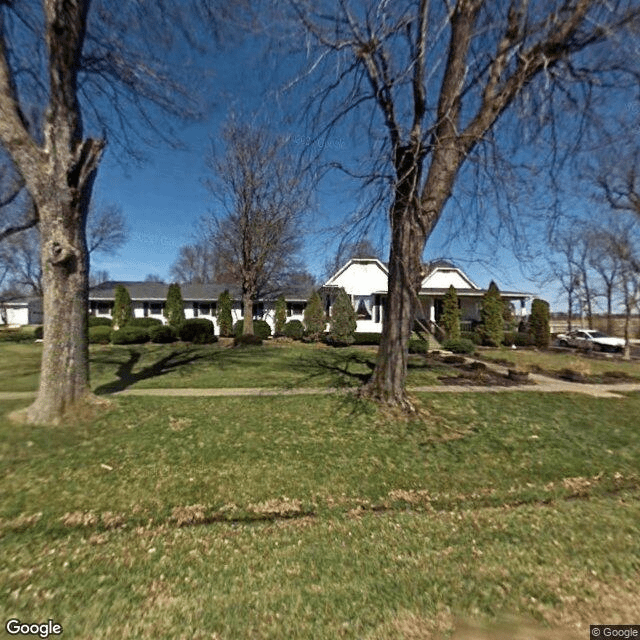
315 East Stone Po Box 328, Sturgeon, MO 65284
For more information about senior living options: (866) 208-4318
Sturgeon Rest Home Costs & Pricing
Sturgeon Rest Home offers competitive pricing for its residents, particularly when compared to the broader market in Boone County and across Missouri. Monthly costs for a semi-private room at Sturgeon Rest Home are set at $1,450, significantly lower than the county average of $4,224 and the state average of $3,772. This affordability is also reflected in the pricing of studio apartments, which are available for $1,850 - again more economical than both Boone County's average of $3,713 and Missouri's average of $3,418. These rates not only provide excellent value but also underscore Sturgeon Rest Home's commitment to accessible care in a supportive environment.
| Floor plans | Sturgeon Rest Home | Boone County | Missouri |
|---|---|---|---|
| Semi-Private | $1,450 | $4,224 | $3,772 |
| Studio | $1,850 | $3,713 | $3,418 |
Overall Review of Sturgeon Rest Home
Pros
 The staff were knowledgeable and pleasant to work with.
- The grounds were nice.
- It was convenient.
- The staff are wonderful people.
- The owner is very kind.
Cons
 He was not happy with his care.
- He fell out of bed a couple of times, and the staff did not tell his family.
Review
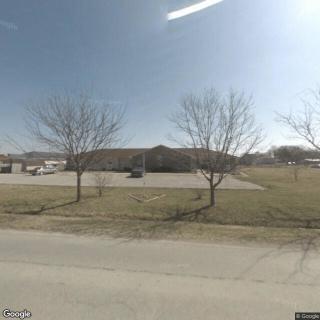
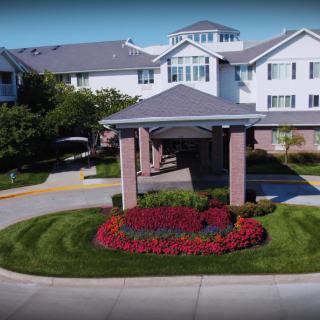
Sturgeon Rest Home, now operating as Sturgeon Residential Care LLC under new ownership and undergoing remodeling, is best suited for seniors who want a small, homelike environment in Sturgeon, Missouri, where care feels personal and staff attention is accessible. The community presents itself as a straightforward residential option rather than a full-scale campus, appealing to families seeking a discreet, neighborhood feel rather than a distant or large-organization atmosphere. For residents with minimal medical needs or those who value convenience, familiarity, and direct contact with a committed small team, this setting can be a sensible, stepping-stone option close to home.
Those with more complex care requirements should seriously consider alternatives. The reviews reveal safety and communication gaps that can be meaningful red flags for individuals needing vigilant fall prevention, round-the-clock medical oversight, or rapid staff response. A resident was reported to have fallen in a bed incident, with family not being informed promptly, which underscores a risk profile where incidents may not be immediately disclosed or thoroughly managed. Additionally, the implication that residents could “wander the streets” points to security and elopement concerns that many families would not want to navigate daily. Prospective families should weigh whether a smaller, residential setting can reliably meet high-safety or high-acuity needs.
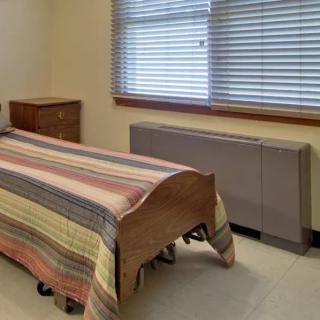
On the positive side, the staff are repeatedly described as knowledgeable and pleasant, and the ownership is portrayed as kind. This combination can translate into a compassionate, relationship-driven care style that many families prize when selecting a setting for a parent or spouse who responds better to personal rapport than to institutional formality. The grounds are reported to be pleasant and the location convenient, which matters for regular family visits, errands, and access to community amenities. The model of care, shared rooms with individualized beds and televisions, suggests a pragmatic approach to cost and comfort, where the emphasis remains on human connection within a modest footprint rather than on luxury.
Yet the main drawbacks deserve careful scrutiny. The remodeling and ownership transition introduce a period of uncertainty that can disrupt routines, staffing patterns, and communication channels. In a setting where safety and transparency are already in question, ongoing construction or organizational changes can complicate oversight, incident reporting, and consistency in care. The quiet, intimate scale that can be a strength also means fewer layers of accountability and potentially slower escalation if concerns arise. Families should examine how the new ownership plans to stabilize operations, communicate with families, and maintain a steady standard of care during and after the remodeling process.
The key pros, personalized attention, a caring staff, and a convenient, homey environment, do lean into a strength of this community: it feels approachable and intimate. When these positives align with dependable daily routines, resident engagement, and timely staff interaction, they can meaningfully offset the less robust safety perimeter. However, the offsetting is uneven; the critical safety incidents cited highlight a vulnerability that can override comfort if not addressed with scrupulous attention and transparent reporting. For families prioritizing continuous medical vigilance and failsafe communication, this facility may fall short unless sharpened oversight and clearer incident handling are demonstrated as remodeling completes.
In closing, Sturgeon Residential Care LLC is a practical choice for families seeking a modest, neighborly option in Sturgeon for seniors who mainly require assistance with daily living and value a close-knit caregiving team. It is not the best fit for those with significant medical or security needs, memory care requirements, or a preference for a facility with robust, on-site clinical staffing and rigorous incident transparency. Prospective residents should pursue a candid tour, ask pointed questions about safety protocols, incident reporting, and how remodeling will affect operations, and verify how ownership changes will impact staffing consistency. If the priority is a warm, human-centered environment in a small-town setting, and safety oversight can be confirmed and strengthened, this community warrants serious consideration. If not, alternatives in larger facilities or neighboring towns with stronger safety nets and more comprehensive oversight will likely better serve higher-acuity needs.
 20 resident community capacity
 Assisted Living
 Board and Care Home
 Activities on-site
 Beauty salon
 Cable or satellite TV
 Devotional services off-site
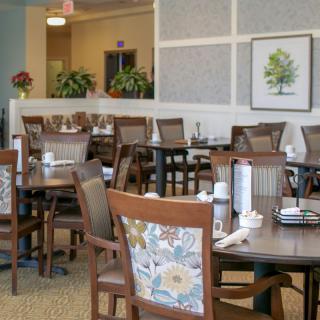
 Dining room
 Fully furnished
 Garden
 Housekeeping services
 Indoor common areas
 Kitchenette
 Move-in coordination
 Outdoor space
 Telephone
 Wi-Fi/high-speed internet available
 24-hour call system
 Ambulatory care
 Assistance with bathing
 Assistance with dressing
 Assistance with transfers
 Diabetes diet
 Diabetic care
 Incontinence care
 Meal preparation and service
 Medication management
 Mental wellness program
 Special dietary restrictions
 Transportation arrangement (medical)
 Transportation to doctors appointments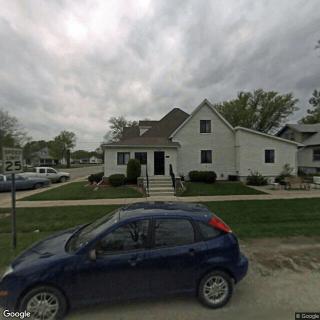



 Exploring the Contrasts Between Assisted Living and Skilled Nursing
 8 Key Indicators That Suggest It May Be Time to Transition from Assisted Living to Skilled Nursing Care
 Vibrant Senior Living: A Comprehensive Guide for Active Older Adults