
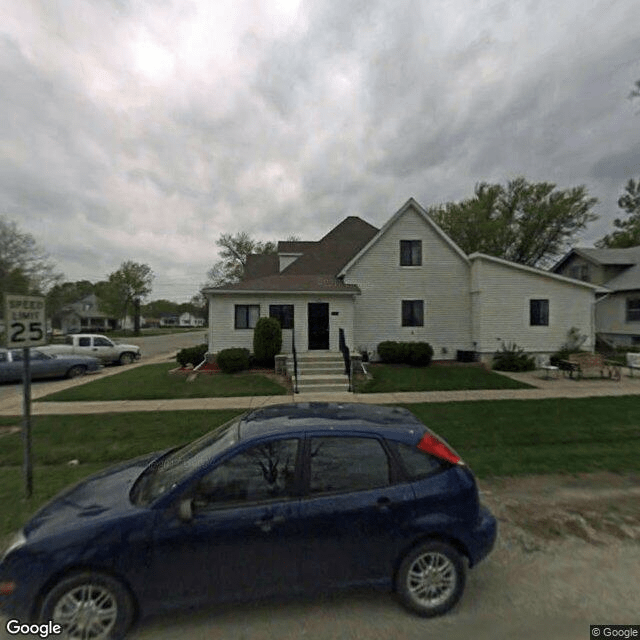
117 S Hickman St, Centralia, MO 65240
To contact a resident: (573) 682-3204
For more information about senior living options: (866) 208-4318
Overall Review of The Stuart House, LLC
Pros
 Mom has been well taken care of by the staff.
- The facility is clean and the staff is friendly.
- The family atmosphere has made family members comfortable.
Cons
 They do not offer any cognitive stimulation group or individual activities.
Review
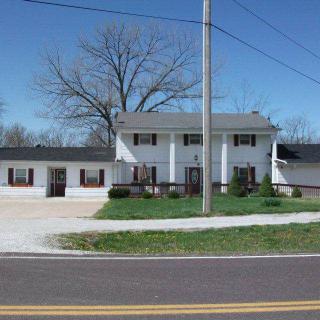
This community is best suited for seniors who want a small, home-like setting in Centralia, with consistently attentive staff and a clean, calm environment. It fits families seeking reassurance that a loved one will be cared for with warmth and regular, personable contact, rather than a bustling campus atmosphere. The Stuart House ships to a familiar, low-key rhythm where residents can settle into daily routines and feel that their caretakers know them well. For families prioritizing a quiet, intimate feel and dependable daily care, this setting delivers stability and comfort that can ease the transition into assisted living.
Those who should consider alternatives are families whose loved one requires more extensive cognitive engagement or a richer slate of activities. If structured memory care programming, frequent cognitive stimulation, social clubs, and a robust calendar of events are non-negotiable, other communities with dedicated activity directors and memory-care pathways will likely be a better fit. The absence of formal cognitive programming at this site may leave residents with higher mental stimulation needs underserved, especially as conditions progress.
The strongest positives here are clear and tangible: staff members described as friendly and consistently attentive, a clean facility, and a family atmosphere that engenders trust and ease. When a loved one is in a setting where caregivers are approachable and routines are predictable, daily tasks, grooming, dressing, medication reminders, and mobility assistance, happen smoothly and with dignity. The clean, orderly environment reduces distraction and helps residents feel secure. The family-forward vibe also translates into interactions that feel sincere, with staff who seem invested in the resident’s comfort and well-being rather than just ticking boxes.
The primary drawback is the lack of cognitive stimulation options. Without formal groups or targeted activities, residents may miss opportunities to exercise memory, problem-solving, and social interaction on a structured basis. This gap can translate into slower mental engagement over time and fewer chances to form new social connections within the community. While incidental conversations and one-on-one moments may occur, they do not replace a formal activity program or memory-care oriented programming. Families with loved ones who need ongoing mental engagement will want to weigh this gap carefully.
Yet the pros offset the main con for residents who value safety, tenderness, and a sense of belonging more than a full calendar of events. A calm, predictable routine under compassionate staff can maintain dignity and reduce stress for both the resident and family. The intimate atmosphere allows for closely observed, personalized care, where caregivers recognize subtle changes and respond quickly. For someone who thrives on a low-stimulation environment, the trade-off is favorable, and family involvement can bridge the activity gap with home-based or volunteer-facilitated programs if desired.
In the end, the Stuart House stands out as a solid option for families prioritizing dependable care, cleanliness, and a warm, family-like setting. The key decision hinges on cognitive engagement needs: if maintaining mental activity through formal programming is essential, alternatives with a stronger activity framework should be explored. For others, a visit should focus on confirming the consistency of daily care, the cadence of routines, and the willingness of staff to collaborate with families to introduce meaningful enrichment, whether through in-house adjustments or external arrangements. A thoughtful tour, candid questions about daily activity offerings, and a frank discussion of cognitive goals will reveal whether this small, compassionate community aligns with the loved one’s long-term needs.
 Assisted Living
 Activities on-site
 Devotional services off-site
 Indoor common areas
 Ambulatory care
 Diabetic care
 Meals provided

 Exploring the Contrasts Between Assisted Living and Skilled Nursing
 8 Key Indicators That Suggest It May Be Time to Transition from Assisted Living to Skilled Nursing Care
 Vibrant Senior Living: A Comprehensive Guide for Active Older Adults