Dolan Memory Care Home at Mason in St. Louis, MO

Save

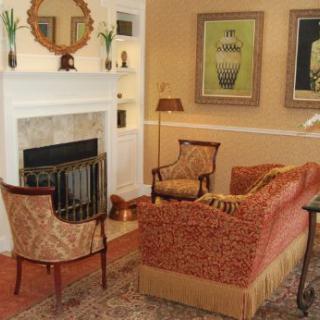
  • Interior

    A hallway in an art gallery featuring framed paintings and illuminated display cases.
  • Outdoors

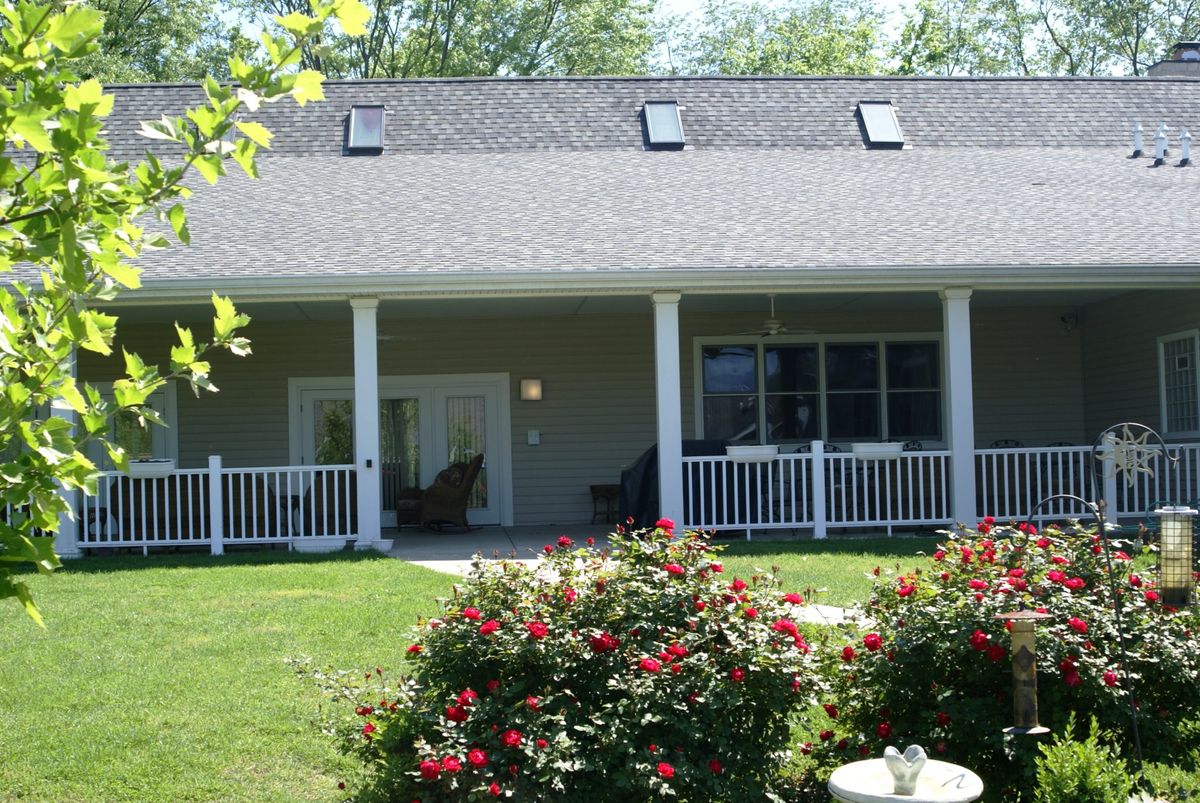
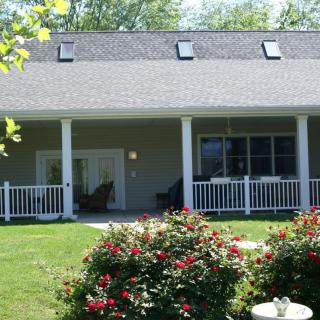
    A residential house with a porch and a garden in the foreground, featuring colorful flowers.
  • Decor

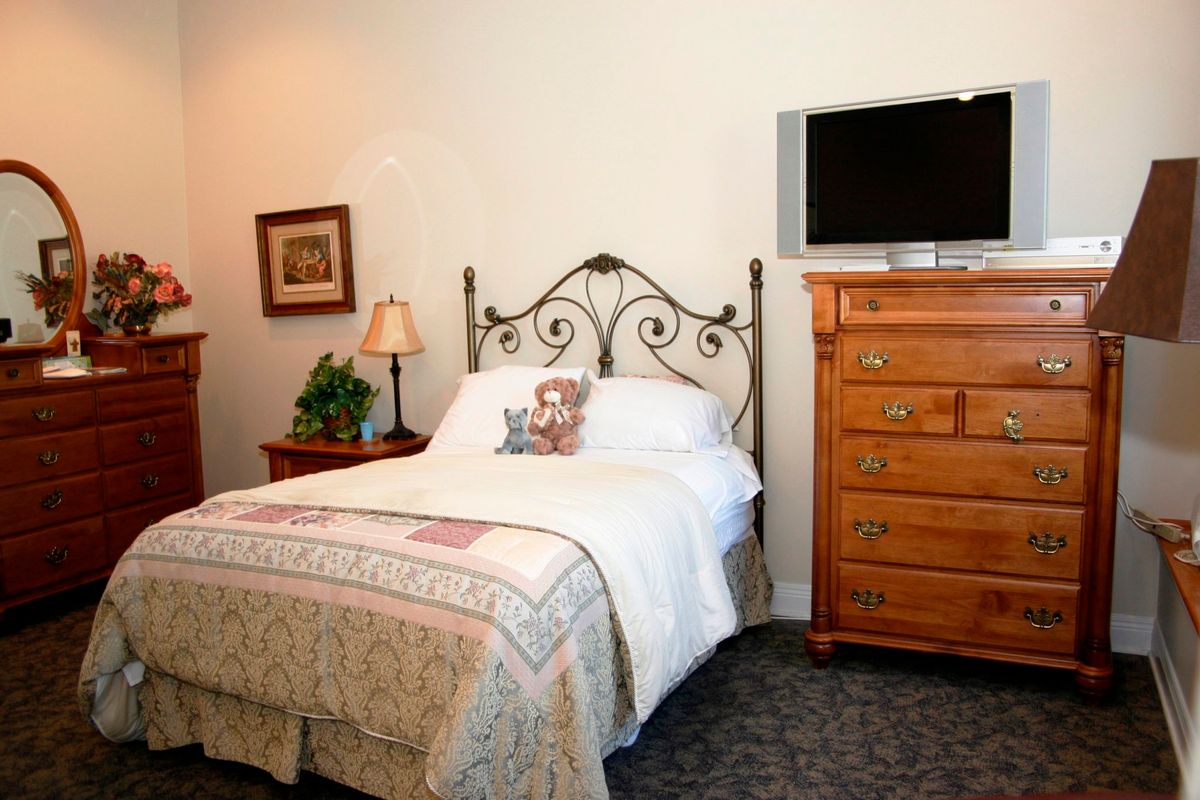
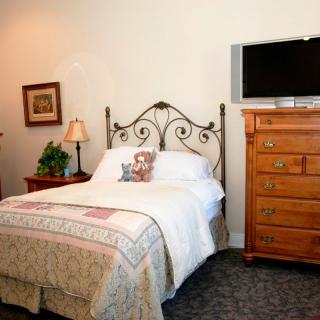
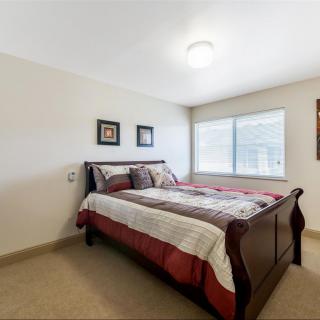
    A cozy bedroom with a wrought iron bed, wooden furniture, and a mounted television.
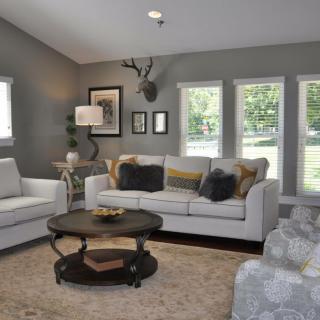
  • Living Room

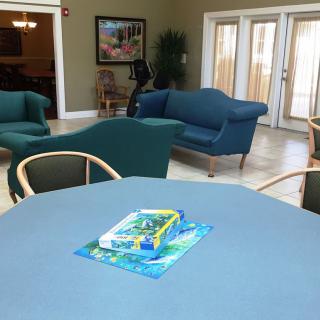
    A cozy living room with comfortable seating and a coffee table.
  • Architecture

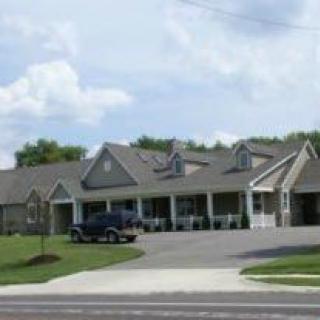
    A suburban house with a driveway and a vehicle parked outside.
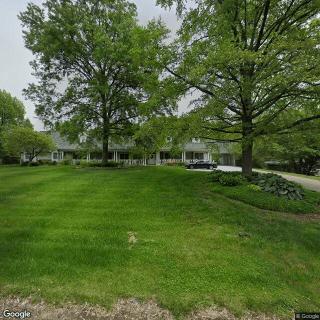
  • Trees

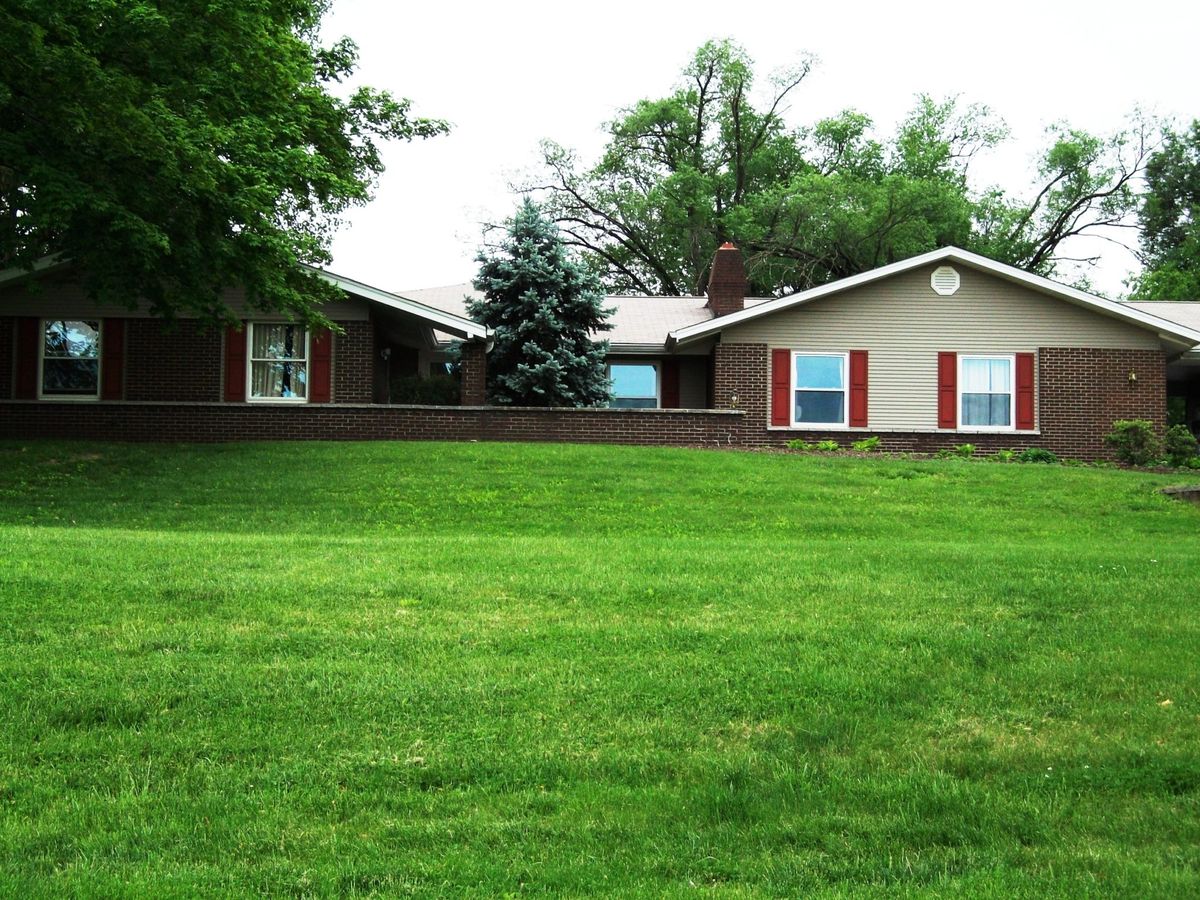
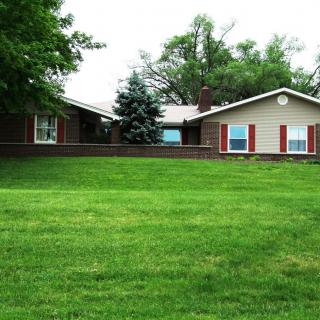
    A suburban house with a large green lawn and surrounding trees.

Dolan Memory Care Home at Mason in St. Louis, MO

11566 Frontier Drive, St. Louis, MO 63146

For more information about senior living options: (844) 490-3973

4.5 from 80 reviews
5 stars
69
4 stars
1
3 stars
0
2 stars
3
1 stars
7

Assisted Living Board and Care Home Memory Care

Overall Review of Dolan Memory Care Home at Mason

Pros

  • pro Amanda is a compassionate and attentive Director of Fun who keeps residents engaged through outings and activities.
  • pro The Dolan staff are warm, caring, and treat residents like family.
  • pro Dolan Memory Care homes offer a home-like environment with smaller, thoughtfully designed houses that feel safe and peaceful.
  • pro The team provides dignity, love, and peace of mind to families.
  • pro Outings, activities, and music bring energy, joy, and connection to residents' daily lives.
  • pro Care is highly personalized and resident-centered, with attention to individual needs and preferences.
  • pro Families feel at ease and trust the staff with their loved ones' safety and well-being.
  • pro The Dolan bus and activity staff create meaningful engagement and positive interactions.
  • pro Caregivers are described as angels who provide support during difficult times.
  • pro The community is professional, trustworthy, and dedicated to delivering high-quality care.

Cons

  • pro An attendant was sitting on her cell phone while residents were looking for help, and no one answered the phone, making it "not a great place to be."
  • pro Debbie, the house manager, is described as rude and unfriendly, showing favoritism toward an employee.
  • pro A reviewer claims their friend was not allowed outside, denied communion, and lacked prescription glasses, calling the experience a nightmare caused by Dolan.
  • pro Some reviewers allege that staff are "evil" and beat residents and do not feed them.
  • pro It is warned that staff without credentials may work extremely long shifts (about 13 hours) and residents can be hit, kicked, and bitten by other residents.
  • pro Move-in promises were not kept, with items like an electric adjustable bed and TV hookup missing, while staff were overloaded with duties beyond resident care.
  • pro A reviewer contends the facility's physician exhibited questionable conduct, delaying hospital admission and contributing to a decline.

Review

This community is best suited for families seeking a truly home-like memory care environment where dementia-focused, person-centered care is the rule rather than the exception. Dolan Memory Care Home at Mason excels for residents who respond to warmth, structured routines, and meaningful engagement - especially those who thrive on regular outings, social activities, and a sense of normalcy within a small, intimate setting. The model works well for younger-onset dementia as well as late-stage memory loss when there is a desire to maintain independence and dignity in a household-like atmosphere. Families looking for visible daily activity, a cheerful pace, and a staff that treats residents like family will find this community compelling.

At the same time, there are attributes that invite careful scrutiny and may push some families to consider alternatives. Questions about consistency in staffing, responsiveness to calls, and the tone of house leadership recur in reviews. A few families report communication gaps and perceived inconsistencies in how concerns are addressed, including allegations about staff interactions and supervision. Financial clarity also emerges as a theme, with concerns about deposits, refunds, and the overall cost structure. For households needing a tightly controlled clinical environment, a more traditional, hospital-like memory care setting with higher nurse-to-resident ratios might feel more predictable.

The strongest advantages center on the care culture and daily life in the home setting. The small-house design - with private rooms and a modest resident census - supports individualized attention and continuity of care. Residents routinely participate in organized outings, social events, and on-site activities, often facilitated by a dedicated "Director of Fun" team that includes Amanda and her son Bobby. Families consistently praise the staff's warmth, engagement, and willingness to tailor activities to each resident's interests. The availability of an in-house nurse, the sense of safety, and the opportunities to maintain routines and hobbies contribute a powerful offset to the inherent trade-offs of a smaller, non-institutional model.

Yet the cons voiced by some reviewers should not be ignored. Occasional reports describe moments when help was not immediately available or where staff interaction felt less attentive, and a few families describe experiences that strained trust - ranging from disagreements about care pace to concerns over staff conduct. There are also cautions about management practices and accountability, including disputes over service promises, billing specifics, and responses to complaints. Taken together, these issues signal the importance of up-front diligence: prospective families must verify leadership stability, request a detailed care plan process, and confirm the exact staffing model and oversight before committing.

When the pros align with family values, the positives do a strong job of counterbalancing the drawbacks. The depth of personalized attention, the high engagement level, and the home atmosphere often translate into improved mood and engagement for residents who crave connection and activity. The learning here is practical: Dolan Memory Care at Mason can deliver meaningful quality of life improvements through a caregiver-led, neighborly model - provided operations are transparent, staff turnover is low, and families feel consistently informed and supported. For many, the payoff is a palpable sense of peace and belonging for their loved one.

Bottom line: Dolan Memory Care Home at Mason is a compelling fit for families prioritizing a genuine home environment, individualized care, and active, socially rich days for a loved one with dementia. It is especially well-suited for those who value staff accessibility, predictable routines, and the chance for continued outings and family-style meals in a smaller setting. Potential residents should explicitly assess staffing stability, care-plan governance, and the specifics of financial terms before enrolling. If these checks raise hesitations, or if a family requires stronger clinical oversight, consider facilities with larger clinical teams, more formalized complaint-resolution processes, or a more traditional, facility-focused model. The right choice will hinge on balancing the coveted home feel and personalized engagement with ensuring every care decision feels fully transparent and consistently dependable.

Features

Housing

  • 44 resident community capacity 44 resident community capacity

Types of Care

  • Assisted Living Assisted LivingAssisted living facilities provide crucial support and care for seniors who may need help with daily tasks such as medication management, bathing, and meal preparation. These communities offer a safe and comfortable environment where seniors can maintain their independence while receiving the assistance they need to thrive in their golden years.
  • Board and Care Home Board and Care HomeBoard and care homes provide a smaller, more intimate setting for seniors who require assistance with daily tasks but do not need the level of care offered by a nursing home. They offer personalized care, meals, and social activities in a homelike environment, ensuring that seniors receive individualized attention and support in their golden years.
  • Memory Care Memory CareMemory care is crucial for seniors as it provides specialized support and services for individuals with dementia or Alzheimer's disease. These programs offer a safe and secure environment where residents receive personalized care, cognitive stimulation, and help with daily activities. Memory care helps seniors maintain their independence, quality of life, and dignity while also providing peace of mind for their families.

Amenities

  • Beauty salon Beauty salonBeauty salons are important for seniors because they provide a space for them to feel pampered, socialize, and maintain their personal grooming and hygiene. Regular visits to a beauty salon can help boost seniors' self-esteem and overall well-being.
  • Cable or satellite TV Cable or satellite TVCable or satellite TV is important for seniors because it provides entertainment, news, and companionship, helping to combat loneliness and boredom. It also offers a wide range of programming options tailored to different interests and preferences.
  • Dining room Dining roomDining rooms are important for seniors as they provide a space for socialization, connection, and nutritious meals. They offer opportunities for residents to bond over shared meals, foster a sense of community, and promote healthy eating habits. Dining rooms also ensure that seniors have access to well-balanced meals tailored to their dietary needs and preferences.
  • Fully furnished Fully furnishedFully furnished senior living communities are important for seniors because they provide convenience, comfort, and a hassle-free moving experience. Seniors can easily settle into their new living space without the stress of having to buy and move furniture. This allows them to focus on enjoying their new home and community.
  • Garden GardenGardens are important for seniors as they provide a peaceful and therapeutic environment for relaxation, physical activity, and socialization. Being in nature has been shown to reduce stress, improve mood, and promote overall well-being. Gardens also offer opportunities for seniors to engage in gardening activities, which can improve mobility, flexibility, and cognitive function. Additionally, gardens create a sense of community and connection with others who share a passion for plants and outdoor spaces.
  • Housekeeping services Housekeeping servicesHousekeeping services are important for seniors because they help maintain a clean and safe living environment, promote independence, and reduce the risk of accidents or illnesses. Additionally, having assistance with household chores can alleviate physical strain and allow seniors to focus on other aspects of their well-being.
  • Kitchenette KitchenetteKitchenettes are important for seniors living in senior living communities because they provide the convenience and independence of being able to prepare simple meals and snacks in the comfort of their own living space. This can help promote a sense of autonomy and well-being for seniors, allowing them to maintain some level of control over their dietary choices and daily routines.
  • Move-in coordination Move-in coordinationMove-in coordination is important for seniors because it helps ease the transition into their new living environment. It ensures that all logistics, such as packing, organizing movers, and setting up utilities are taken care of, allowing seniors to focus on settling in and adjusting to their new home. Having a smooth move-in process can alleviate stress and anxiety, making the transition smoother and more enjoyable for seniors.
  • Outdoor space Outdoor spaceOutdoor spaces are important for seniors as they provide opportunities for physical activity, social interaction, exposure to natural light and fresh air, and a sense of connection to nature. Having access to outdoor spaces can improve overall well-being and quality of life for older adults living in senior communities.
  • Restaurant-style dining Restaurant-style diningRestaurant-style dining is important for seniors because it allows them to enjoy delicious, nutritious meals in a social and upscale setting. This enhances their dining experience, promotes healthy eating habits, and fosters socialization with fellow residents, ultimately contributing to their overall well-being and quality of life.
  • Small library Small librarySmall libraries are important for seniors as they provide access to a variety of reading materials, including books, newspapers, and magazines. This can help stimulate their minds, keep them engaged, and provide a sense of community through book clubs and other social activities. Additionally, reading has been shown to improve cognitive function and overall mental well-being in older adults.
  • Telephone TelephoneTelephones are important for seniors as they provide a lifeline for communication with loved ones, emergency services, and healthcare providers. They offer a sense of security and independence, enabling seniors to stay connected and access assistance when needed.
  • Wi-Fi/high-speed internet available Wi-Fi/high-speed internet availableWi-Fi/high-speed internet is important for seniors to stay connected with loved ones, access online resources, and participate in virtual activities to combat feelings of loneliness and isolation. It also allows them to easily manage healthcare needs, access entertainment, and engage in lifelong learning opportunities.

Transportation

  • Lambert-St Louis International (5 miles away) Lambert-St Louis International (5 miles away)

Care Services

  • 24-hour call system 24-hour call system24-hour call systems are important for seniors because they provide peace of mind and immediate assistance in case of emergencies. This technology ensures that help is always available, promoting safety and security for elderly individuals living alone or in assisted living facilities.
  • 24-hour supervision 24-hour supervision24-hour supervision is important for seniors to ensure their safety, well-being, and access to immediate assistance in case of emergencies or health issues. This constant support provides peace of mind for both seniors and their loved ones, allowing them to age in place with dignity and security.
  • Activities of daily living assistance Activities of daily living assistanceActivities of daily living assistance are important for seniors because they provide essential support with tasks such as eating, bathing, dressing, and mobility. This assistance helps seniors maintain their independence, dignity, and overall quality of life as they age.
  • Assistance with bathing Assistance with bathingAssistance with bathing is crucial for seniors as it helps maintain personal hygiene, prevents infections, and ensures their overall well-being and comfort. It also provides a sense of dignity and independence for seniors who may struggle with this task on their own.
  • Assistance with dressing Assistance with dressingAssistance with dressing is important for seniors because it helps maintain their independence, promotes personal hygiene, prevents accidents and injuries, and improves overall quality of life. This service ensures that seniors can continue to dress comfortably and confidently, despite any physical limitations they may have.
  • Assistance with transfers Assistance with transfersAssistance with transfers is crucial for seniors as it helps prevent falls and injuries, maintains their independence, and ensures they can safely navigate their living environment. It also provides peace of mind for both seniors and their loved ones.
  • Diabetes diet Diabetes dietA diabetes diet is crucial for seniors as it helps manage blood sugar levels, reduce risks of complications, and improve overall health and well-being. By following a balanced and nutritious diet tailored to their specific needs, seniors can better control their diabetes and enhance their quality of life.
  • Meal preparation and service Meal preparation and serviceMeal preparation and service are crucial for seniors as they may have limited mobility or energy to cook nutritious meals. Having access to healthy and convenient food options can ensure they are getting the proper nutrition needed to maintain their overall health and well-being.
  • Medication management Medication managementMedication management is crucial for seniors to ensure they are taking the right medications at the correct dosages and times. This helps prevent adverse drug interactions, reduces the risk of medication errors, and promotes overall health and well-being. Proactive management also allows for adjustments as needed based on changing health conditions or new prescriptions.
  • Mental wellness program Mental wellness programMental wellness programs are essential for seniors as they promote cognitive stimulation, emotional support, and social engagement. These programs help prevent isolation, depression, and cognitive decline, ultimately enhancing the overall quality of life for older adults.
  • Mild cognitive impairment Mild cognitive impairment"Mild cognitive impairment" is important for seniors because it is an early stage of cognitive decline that can potentially progress to more severe conditions such as dementia. Recognizing and addressing mild cognitive impairment can help seniors receive appropriate care and support to maintain their quality of life and independence for as long as possible.
  • Special dietary restrictions Special dietary restrictionsSpecial dietary restrictions are important for seniors because age-related changes in metabolism and health conditions can make it difficult for their bodies to process certain foods. By following a diet tailored to their specific needs, seniors can maintain their overall health and well-being, manage chronic conditions, and reduce the risk of complications such as malnutrition or food interactions with medications.
  • Specialized memory care programming Specialized memory care programmingSpecialized memory care programming is crucial for seniors with cognitive impairments such as dementia or Alzheimer's disease. These programs provide a safe and supportive environment tailored to the unique needs of individuals with memory loss, helping them maintain their independence, dignity, and quality of life.

Dining

  • Diabetes diet Diabetes dietA diabetes diet is crucial for seniors as it helps manage blood sugar levels, reduce risks of complications, and improve overall health and well-being. By following a balanced and nutritious diet tailored to their specific needs, seniors can better control their diabetes and enhance their quality of life.
  • Special dietary restrictions Special dietary restrictionsSpecial dietary restrictions are important for seniors because age-related changes in metabolism and health conditions can make it difficult for their bodies to process certain foods. By following a diet tailored to their specific needs, seniors can maintain their overall health and well-being, manage chronic conditions, and reduce the risk of complications such as malnutrition or food interactions with medications.

Activities

  • Community-sponsored activities Community-sponsored activitiesCommunity-sponsored activities are important for seniors as they provide opportunities for social interaction, mental stimulation, and physical activity. These activities can help improve overall well-being, combat loneliness and isolation, and promote a sense of belonging and purpose among older adults.
  • Resident-run activities Resident-run activitiesResident-run activities are important for seniors as they encourage social interaction, creativity, and a sense of autonomy. These activities empower seniors to stay engaged and active in their community while fostering meaningful connections with their peers.
  • Scheduled daily activities Scheduled daily activitiesScheduled daily activities are important for seniors because they provide structure, socialization, mental stimulation, and physical activity. Engaging in regular activities can improve overall well-being and quality of life for seniors living in a community setting.

Description

Dolan Memory Care Home at Mason offers a comfortable and supportive environment for individuals requiring board and care home or memory care services in St. Louis, MO. Our community is fully furnished and equipped with amenities to enhance the quality of life for our residents.

With cable or satellite TV, residents can enjoy their favorite shows and movies in the privacy of their own room. Our dining room provides a welcoming space for meals, which are prepared and served by our staff following special dietary restrictions if necessary. Residents also have access to a kitchenette to prepare their own snacks or drinks.

Outside, our community features a beautiful garden and outdoor space where residents can relax and enjoy nature. We also have a small library for those who enjoy reading, as well as Wi-Fi/high-speed internet throughout the facility to stay connected with family and friends.

At Dolan Memory Care Home at Mason, we pride ourselves on providing 24-hour supervision and assistance with activities of daily living such as bathing, dressing, and transfers. Our dedicated staff is trained in medication management for those who require it. We also offer specialized memory care programming to support individuals with mild cognitive impairment.

Residents can participate in scheduled daily activities or help organize resident-run activities within the community. With three cafes, one park, 17 pharmacies, 11 restaurants, eight transportation options, and four hospitals nearby, there are plenty of opportunities for outings and medical support.

We strive to create a warm and compassionate environment where individuals can receive personalized care while maintaining their independence and dignity at Dolan Memory Care Home at Mason in St. Louis, MO.

Nearby Places of Interest

Restaurants

  • McDonald's (1 miles)
  • Westport Plaza (1.2 miles)
  • Westport Social (1.2 miles)
  • St Louis Bread Company (1.3 miles)
  • Syberg's Dorsett (1.9 miles)
  • McDonald's (2.2 miles)
  • McDonald's (3.1 miles)

Pharmacies

  • Walgreens (1.3 miles)
  • Dierbergs (1.3 miles)
  • Schnucks (1.5 miles)
  • Dierbergs (2.1 miles)
  • Walgreens (2.1 miles)
  • Schnucks (2.3 miles)
  • Walgreens (3.1 miles)

Cafes

  • Starbucks (1.4 miles)
  • Panera Bread (1.4 miles)
  • Panera Bread (4 miles)
  • Starbucks (6.6 miles)
  • Starbucks (7.1 miles)
  • Blueprint Coff (7.4 miles)

Hospitals

  • Barnes-Jewish West County Hospital (2.3 miles)
  • St John's Mercy Surgery Center (3.2 miles)
  • DePaul Hospital (4.1 miles)
  • DePaul Health Center - Emergency Room (4.2 miles)
  • St Joseph's Hospital (6.9 miles)

Parks

  • Creve Coeur Park (3.8 miles)
  • Shaw Park (5.4 miles)
  • Des Peres Park (5.9 miles)
  • Tilles Park Neighborhood (6.1 miles)
  • Vogt Brothers Park (6.2 miles)
  • Queeny County Park (6.3 miles)
  • Faust Park (6.3 miles)

Transportation

  • Budget Rent A Car (4.8 miles)
  • Terminal 1 (4.9 miles)
  • Terminal 1 Passenger Pickup (4.9 miles)
  • Hertz Rent A Car (4.9 miles)
  • St. Louis Lambert International Airport (STL) (5 miles)
  • TSA PreCheck A Gates (5 miles)
  • TSA Security Checkpoint Gates C & D (5 miles)

Theaters

  • AMC Streets Of St Charles 8 (6.2 miles)
  • Marcus Theatres (7.2 miles)
  • AMC Esquire 7 (7.2 miles)

Physicians

  • University Club Medical (6.3 miles)
  • Orthopedic Associates (6.4 miles)
  • Walsh, Martin Ssm Health Outpatient Center Veterans Memorial Parkway (6.5 miles)

Places of Worship

  • St Ann Catholic School (7 miles)

Frequently Asked Questions

Where is Dolan Memory Care Home at Mason?
Does Dolan Memory Care Home at Mason provide care for residents with dementia or Alzheimer's disease?
What photos are available for Dolan Memory Care Home at Mason in St. Louis, Missouri?

Nearby Communities

  • Dolan Memory Care At Schuetz

    Dolan Memory Care At Schuetz

    Saint Louis, MO


    pro Specialized memory care with 24-hour supervision and medication management


  • Dolan Memory Care At Waterford Crossing

    Dolan Memory Care At Waterford Crossing

    Saint Louis, MO

    4.5 from 79 reviews
     

    pro Specialized memory care programming with 24/7 staff and comprehensive on-site services in a furnished setting.

  • Rosewood Care Center Of St Louis

    Rosewood Care Center Of St Louis

    Saint Louis, MO

    2.8 from 6 reviews
     

    pro Caring, proactive staff in a clean, engaging environment.

  • Compassionate Nursing Services

    Compassionate Nursing Services

    Saint Louis, MO

    4 from 20 reviews
     

    pro Responsive service with compassionate caregivers and strong communication.

  • Autumn View Gardens Creve Coeur

    Autumn View Gardens Creve Coeur

    Creve Coeur, MO

    4.4 from 62 reviews
    $2,690 to $4,890 / month

    pro Friendly, attentive staff in a welcoming, home-like environment.

  • Dolan Memory Care At Calais

    Dolan Memory Care At Calais

    Saint Louis, MO

    4.5 from 79 reviews
     

    pro 24/7 supervision with memory-care focused support, plus on-site dining, housekeeping, activities, and medication management.

  • Brookdale Creve Coeur

    Brookdale Creve Coeur

    Creve Coeur, MO

    4.6 from 158 reviews
    $3,295 to $5,775 / month

    pro Friendly, attentive staff with a warm, active community and good dining options.

  • Gables At Brady Circle

    Gables At Brady Circle

    St. Louis, MO

    3.8 from 33 reviews
    $4,000 to $4,500 / month

    pro Friendly staff in a clean, small-house setting with straightforward pricing.

  • Parc Provence

    Parc Provence

    Creve Coeur, MO

    4 from 44 reviews
    $6,000 to $12,750 / month

    pro Dignified, compassionate care with a warm, welcoming memory-care environment.

Related Resources

  • can you die from dementiaAre Dementia and Alzheimer's Disease Lethal? A Comprehensive Exploration

    Dementia, including Alzheimer’s disease, is often mischaracterized in terms of lethality as it leads to complications that can be fatal rather than being a direct cause of death; it causes a progressive decline in cognitive and physical health, making patients vulnerable to infections and other health crises. Effective management of nutrition, hydration, and communication is crucial in patient care, with palliative care becoming vital in advanced stages to enhance comfort and quality of life while caregivers play a key role amidst the challenges posed by the disease.

  • reminiscence therapyExploring the Power of Reminiscence Therapy for Individuals With Dementia

    Reminiscence therapy helps individuals with dementia recall past memories through structured discussions and meaningful objects, enhancing mood, relationships, and sense of identity while celebrating their lives. It can be practiced in formal settings or at home, requiring sensitivity to personal histories and cultural backgrounds.

  • reminiscence therapyAn In-Depth Look at Reminiscence Therapy in Dementia Care
    Reminiscence therapy is a structured method for older adults, especially those with dementia, to share life stories using prompts and sensory cues, fostering emotional well-being, social engagement, and self-identity. It aims to improve quality of life by enhancing interpersonal connections and cognitive stimulation while requiring careful facilitation to avoid distressing memories.