For more information about senior living options: (866) 208-4318
4 from 49 reviews
5 stars
31
4 stars
2
3 stars
4
2 stars
9
1 stars
3
Parc Provence Costs & Pricing
At Parc Provence, the monthly costs reflect a commitment to high-quality living and personalized care that surpasses typical pricing in St. Louis County and the broader state of Missouri. For instance, the semi-private rooms are priced at $6,000, considerably higher than the county's average of $4,438 and the state's average of $3,772. Similarly, studio apartments at Parc Provence are available for $8,400, markedly above the county's rate of $4,203 and the state's $3,418. The cost for a one-bedroom unit is also significantly elevated at $12,750 compared to local rates of $4,226 in St. Louis County and just $3,349 statewide. These figures highlight not only a premium pricing structure but also suggest an environment where residents can expect exceptional amenities and tailored services conducive to a vibrant lifestyle.
Floor plans
Parc Provence
St. Louis County
Missouri
Semi-Private
$6,000
$4,438
$3,772
Studio
$8,400
$4,203
$3,418
1 Bedroom
$12,750
$4,226
$3,349
Skilled Nursing Facilities with a similar price nearby
Residents and families repeatedly describe staff who are kind and responsive to needs.
Across many reviews, people talk about staff being cheerful, warm, respectful, and attentive, including reassurance for families and engagement for residents. Several reviewers also mention that staff help with meals, comfort, and daily routines so residents are not left isolated. A few reviews take the opposite view, describing unresponsiveness or communication problems with management, which adds an uneven note to an otherwise consistent pattern of care.
differentiator
Skilled nursing and memory care
Residents describe care that ranges from daily assistance to skilled nursing support.
Many reviewers connect the community with hands-on help—bathing, dressing, transfers, medication management, and meal preparation—especially as needs increase. Several also specifically discuss care for memory-related conditions, including programming and support designed for dementia or Alzheimer’s. At the same time, multiple reviews raise concerns about staffing and supervision at higher-need levels, including falls and instances where aides may not be available when residents need more help.
common
Activities keep residents engaged
Regular activities are a recurring reason families say residents stay engaged.
A steady theme is that residents have scheduled daily activities and opportunities to participate socially, rather than sitting alone. Multiple reviews mention music and group engagement, and some describe chair yoga or other organized programming. The negative reviews typically don’t fault the existence of activities as much as the level of staffing needed to ensure residents receive the support to participate consistently.
common
Memory care units and security
Locked, unit-based security is described as part of the memory care approach.
Several reviews describe different levels of memory care and mention that some areas are locked to help prevent wandering. Families also point to how the community structures daily routines and environments for residents with dementia or Alzheimer’s. On the caveat side, a few reviews argue that higher-need units can feel understaffed or chaotic, with residents not always receiving the attention promised for their level of care.
caveat
Pricing runs high across units
Reviewers frequently note that the cost is high compared to other options.
Some reviewers explicitly say the facility is expensive, while others argue the experience feels worth it—especially when they describe smoother transitions or better support than previous communities. Still, several negative reviews tie high fees to unmet expectations around staffing, supervision, and communication, including concerns about responsiveness when issues arise.
caveat
Safety concerns include falls
Some residents experienced serious safety issues, including falls and inadequate supervision.
While many reviews focus on attentive care and prompt reactions, others describe serious falls over time and understaffing on floors supporting residents with more advanced dementia. A few reviews also mention residents being left in wheelchairs or in front of the TV for extended periods, which they connect to supervision and engagement concerns. These critiques are paired with separate complaints about management responsiveness and communication when families raise concerns.
How we summarize
We summarize when many written reviews mention each theme; a review can touch several themes, and only frequently mentioned themes are displayed.
Features
Housing
22 resident community capacity
Studio apartments
Types of Care
Assisted Living
Memory Care
Skilled Nursing Facility
Pets
Cats allowed
Dogs allowed
Amenities
Beautician on-site
Beauty salon
Cable or satellite TV
Dining room
Full kitchen
Fully furnished
Garden
Housekeeping services
Kitchenette
Laundry
Move-in coordination
Outdoor space
Restaurant-style dining
Small library
Telephone
Wheelchair accessible showers
Wi-Fi/high-speed internet available
Transportation
Lambert-St Louis International (7 miles away)
Transportation & parking
Transportation arrangement (non-medical)
Transportation to doctors appointments
Care Services
12-16 hour nursing
24-hour call system
24-hour supervision
Activities of daily living assistance
Assistance with bathing
Assistance with dressing
Assistance with transfers
Diabetes diet
Diabetic care
Incontinence care
Meal preparation and service
Medication management
Mental wellness program
Mild cognitive impairment
Physical therapy
Special dietary restrictions
Specialized memory care programming
Walking wheelchair assistance
Dining
Diabetes diet
Special dietary restrictions
Activities
Activities off-site
Community-sponsored activities
Educational speakers / life long learning
Religious services
Resident-run activities
Scheduled daily activities
Languages Spoken
English
Nearby Places of Interest
This area of Creve Coeur, Missouri is a bustling suburban community with a variety of amenities conveniently located within a few miles. There are several cafes such as Starbucks and Panera Bread, as well as pharmacies like Dierbergs and Walgreens for convenient access to essential services. In terms of healthcare, there are hospitals such as Barnes-Jewish West County Hospital and St John's Mercy Surgery Center nearby. The region also offers a selection of restaurants for dining out, parks for outdoor recreation, and reliable transportation options including car rental services and the St. Louis Lambert International Airport within close proximity. Additionally, there are reputable physicians' offices for medical care and an AMC theater for entertainment purposes. This part of Creve Coeur provides a blend of convenience and entertainment options that may appeal to seniors looking for a vibrant community to call home.
Cafes
Starbucks (0.9 miles)
Panera Bread (2.1 miles)
Panera Bread (2.8 miles)
Starbucks (5.7 miles)
Starbucks (6.1 miles)
Pharmacies
Dierbergs (0.9 miles)
Dierbergs (0.9 miles)
Walgreens (1.7 miles)
Schnucks (2 miles)
Dierbergs Markets (2.8 miles)
Walgreens (3.3 miles)
Schnucks (3.3 miles)
Hospitals
Barnes-Jewish West County Hospital (1.1 miles)
St John's Mercy Surgery Center (1.5 miles)
DePaul Hospital (5.8 miles)
DePaul Health Center - Emergency Room (5.8 miles)
Restaurants
McDonald's (2.3 miles)
Westport Social (2.3 miles)
Westport Plaza (2.3 miles)
St Louis Bread Company (2.5 miles)
McDonald's (3.2 miles)
Syberg's Dorsett (3.3 miles)
McDonald's (4 miles)
Parks
Des Peres Park (4.3 miles)
Creve Coeur Park (4.3 miles)
Queeny County Park (4.4 miles)
Faust Park (4.9 miles)
Tilles Park Neighborhood (5.7 miles)
Shaw Park (5.9 miles)
Chesterfield Central Park (6.6 miles)
Physicians
Orthopedic Associates (4.7 miles)
University Club Medical (6.3 miles)
Walsh, Martin Ssm Health Outpatient Center Veterans Memorial Parkway (7.4 miles)
Transportation
Budget Rent A Car (6.8 miles)
Hertz Rent A Car (6.8 miles)
Terminal 1 (6.8 miles)
Terminal 1 Passenger Pickup (6.9 miles)
National Car Rental (6.9 miles)
TSA PreCheck A Gates (6.9 miles)
St. Louis Lambert International Airport (STL) (6.9 miles)
At Parc Provence, the monthly costs reflect a commitment to high-quality living and personalized care that surpasses typical pricing in St. Louis County and the broader state of Missouri. For instance, the semi-private rooms are priced at $6,000, considerably higher than the county's average of $4,438 and the state's average of $3,772. Similarly, studio apartments at Parc Provence are available for $8,400, markedly above the county's rate of $4,203 and the state's $3,418. The cost for a one-bedroom unit is also significantly elevated at $12,750 compared to local rates of $4,226 in St. Louis County and just $3,349 statewide. These figures highlight not only a premium pricing structure but also suggest an environment where residents can expect exceptional amenities and tailored services conducive to a vibrant lifestyle.
Parc Provence's comprehensive features are designed to support the unique needs of residents with dementia or Alzheimer's disease, fostering independence while ensuring safety and well-being. Assistance with dressing and bathing helps maintain personal hygiene and dignity, while medication management ensures residents receive their prescribed treatments on time, minimizing confusion. Meal preparation and service cater to individual dietary needs, promoting nutrition and social interaction during meal times. Support with activities of daily living enhances quality of life, as trained staff assist residents in maintaining routines. The provision of 24-hour supervision offers peace of mind for families, knowing that help is always available. Tailored mental wellness programs stimulate cognitive function and engage residents meaningfully, while specialized memory care programming focuses on preserving skills related to mild cognitive impairment. Additionally, physical therapy promotes mobility and strength, aiding in overall health, while incontinence care addresses sensitive issues with compassion and respect. Together, these features create a nurturing environment tailored to each resident's needs, allowing them to thrive in their journey through memory challenges.
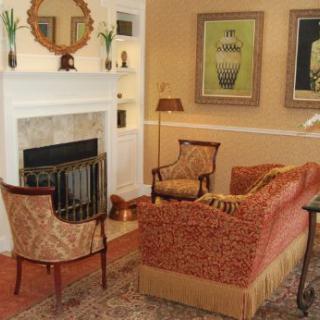
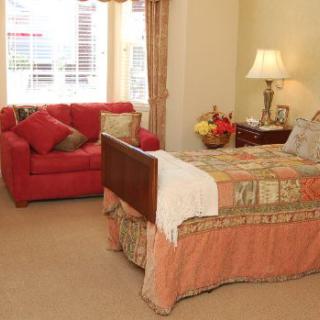
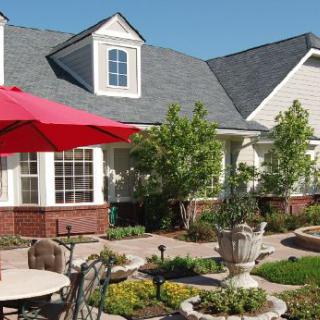
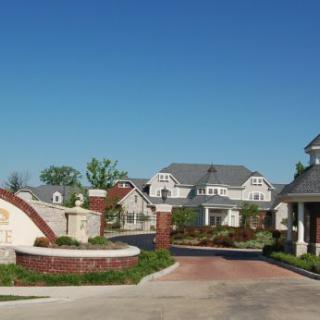
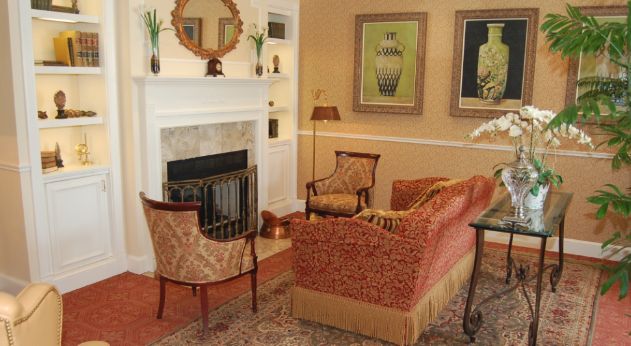
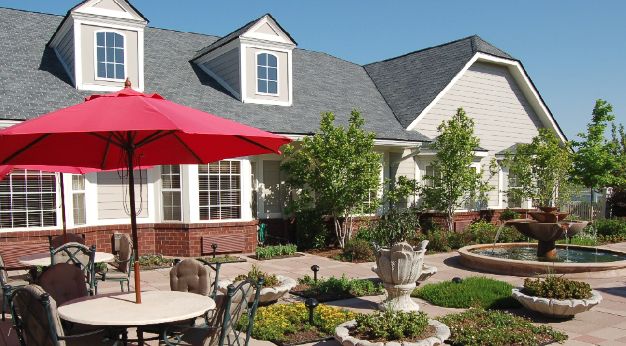
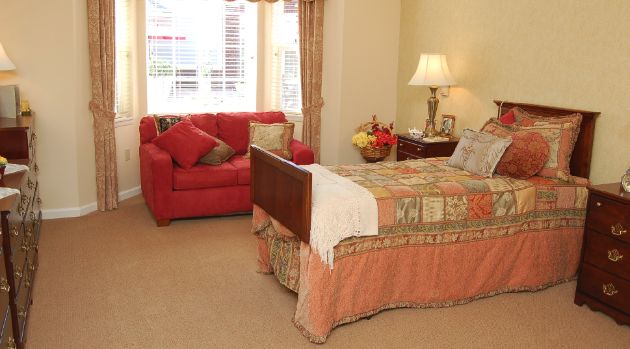
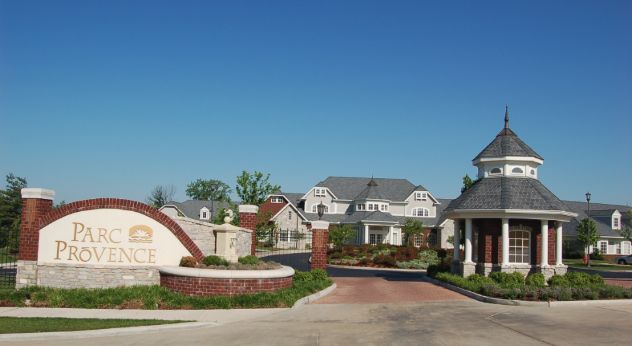
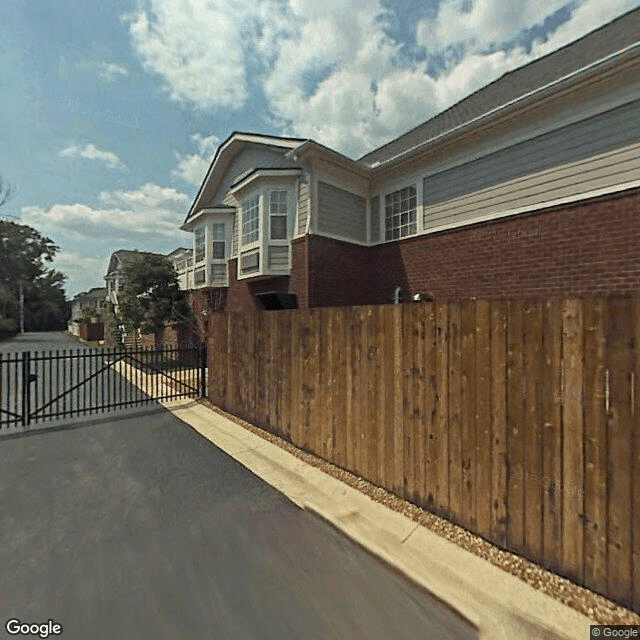
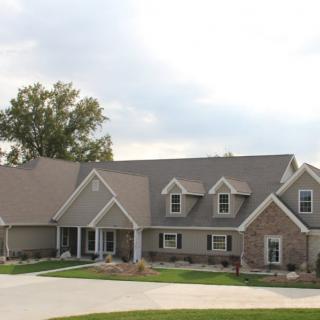
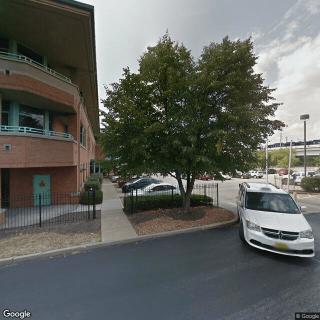
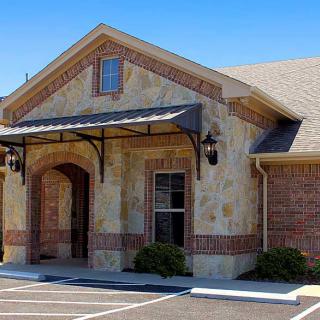
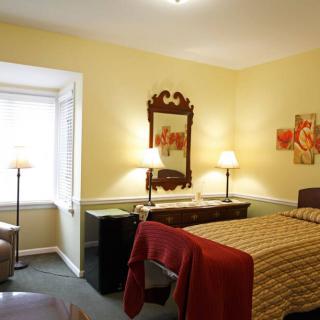
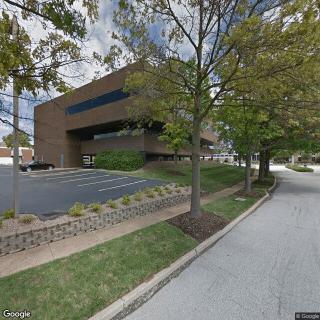
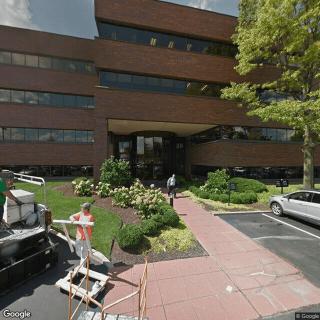
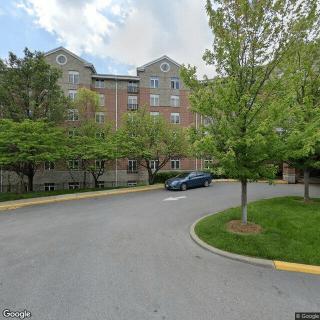
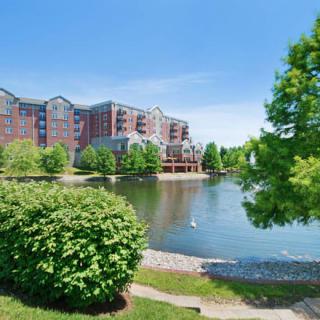
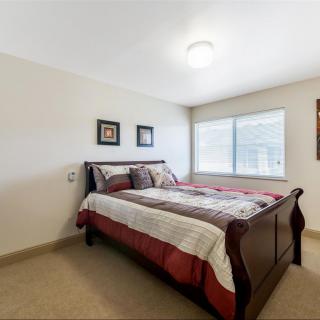
Parc Provence on seniors.fyi includes 5 photos including images showing interior, landscaping, architecture, bedroom, living space, entrance, living room, fireplace, and more.
Nearby Communities
Delmar Gardens Of Creve Coeur
Creve Coeur, MO
2.7 from 50 reviews
Dedicated staff with proactive care management and strong family communication.
Creve Coeur Assisted Living And Memory Care
Creve Coeur, MO
3.7 from 79 reviews
$2,565 to $5,770 / month
Affordable, clean, and friendly with engaging activities and on-site dining.
BrightStar of West St. Louis County
Creve Coeur, MO
4.4 from 53 reviews
High staff standards with professional, accessible care and excellent communication.
Risen Son Christian Village
St. Louis, IA
Intimate, welcoming community with 24/7 supervision, daily living assistance, diabetes-friendly dining, and engaging activities.
Comfort Keepers
Saint Louis, MO
4.7 from 24 reviews
Convenient access to healthcare, dining, and parks.
Unity Private Duty
St. Louis, MO
4.5 from 97 reviews
Excellent access to nearby cafes, restaurants, parks, and healthcare.
Brookdale Creve Coeur
Creve Coeur, MO
4.6 from 158 reviews
$3,295 to $5,775 / month
Friendly, attentive staff with a warm, active community and good dining options.
Autumn View Gardens Creve Coeur
Creve Coeur, MO
4.4 from 64 reviews
$2,690 to $4,890 / month
Friendly, attentive staff in a welcoming, home-like environment.
The Grande at Creve Coeur
Creve Coeur, MO
4.3 from 68 reviews
$6,620 / month
Beautiful, well-maintained facility with caring staff and engaging activities.
The article presents five subtle indicators of dementia, such as memory lapses and mood swings, to help families assess cognitive decline in loved ones. It emphasizes early detection, open communication, and seeking professional help while providing practical support steps.
Dementia encompasses progressive neurological disorders that impair cognitive functions and can lead to paranoia due to cognitive decline and emotional changes. The article discusses the triggers of paranoia in dementia, caregiver strategies for managing it, and the importance of distinguishing between dementia-related paranoia and other psychiatric conditions.
Memory care activities are essential for improving the quality of life of seniors with cognitive impairments, as they stimulate cognitive function, promote well-being, and encourage social interaction through tailored strategies. These activities combine structured exercises with spontaneous tasks, sensory engagement, physical workouts, creative pursuits, and intergenerational interactions to enhance emotional connection and a sense of purpose.
Living Room, Artwork, Fireplace, and Traditional Decor
Landscaping and Architecture
Garden, Patio, and Outdoor Seating
Entrance
Get PricingAsk A QuestionSchedule A TourContact Senior Advisor
By clicking submit, you agree to our Partner's Terms of Use. You
also consent to receive calls and texts, which may be autodialed, from our Partner. Your consent is not a condition to
using our Partner's service. Please visit our Partner's Privacy Policy for information about their privacy practices.


 22 resident community capacity
 Studio apartments
 Assisted Living
 Memory Care
 Skilled Nursing Facility
 Cats allowed
 Dogs allowed
 Beautician on-site
 Cable or satellite TV
 Dining room
 Full kitchen
 Fully furnished
 Garden
 Housekeeping services
 Laundry
 Move-in coordination
 Outdoor space
 Restaurant-style dining
 Small library
 Telephone
 Wheelchair accessible showers
 Wi-Fi/high-speed internet available
 Lambert-St Louis International (7 miles away)
 Transportation & parking
 12-16 hour nursing
 24-hour call system
 Activities of daily living assistance
 Assistance with bathing
 Assistance with dressing
 Assistance with transfers
 Diabetes diet
 Diabetic care
 Incontinence care
 Medication management
 Mental wellness program
 Physical therapy
 Special dietary restrictions
 Walking wheelchair assistance
 Educational speakers / life long learning
 Religious services
 English
 Dedicated staff with proactive care management and strong family communication.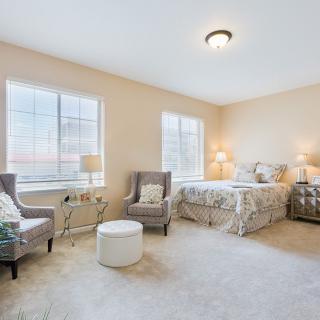

 Five Subtle Dementia Indicators to Observe: An In-Depth Guide to Understanding “Does My Mom Have Dementia?”
 Dementia, Paranoia, and Caregiver Guidance: Understanding the Connection
 Engaging Memory Care Activities That Enhance Quality of Life