
1360 South 5th Street #396, St. Charles, MO 63301
To contact a resident: (636) 256-2911
For more information about senior living options: (866) 208-4318
Overall Review of Comfort Keepers
Pros
 The office team is friendly and professional, making employees feel comfortable to work with.
- The caregivers are attentive and go above and beyond to ensure clients have all they need and feel safe.
- Brad and Susan are great to work with and offer expert advice when adjusting shifts.
- Brad is very patient and understanding, always available to answer questions and provide support.
- Home Instead is a lifesaver for families, with clients forming awesome relationships with their caregivers and gaining peace of mind.
- Home Instead Senior Care in St. Peters delivers wonderful care, responds to calls promptly, and adapts to clients' needs.
- From Day 1, the caregivers provide wonderful companionship, support, and care, and the office staff are outstanding.
- Home Instead is a truly professional service; the caregivers are kind and take great care of clients, with excellent communication.
Cons
 The care went downhill after the initial period, causing weekend sleep issues due to CPAP setup failures.
- Weekend staffing was inconsistent, with caregivers not being assigned to shifts, leaving the patient without proper weekend care.
- A nurse allegedly cut the patient’s feet and tore off a toenail, recorded as minor abrasions.
- The patient received a termination notice as a client.
- The reviewer advised others to shop around and criticized Home Instead’s advertising, implying a good company shouldn’t need TV ads.
Review
Comfort Keepers in St. Charles is best suited for families that want to keep an aging loved one safely at home with deeply attentive, relationship-focused caregivers and a responsive office team. This community-heavy approach works well for seniors who value consistency in daily companionship, assistance with activities of daily living, and steady safety monitoring, all delivered with a personal touch. The emphasis is on building trust through regular, familiar caregivers and proactive communication, so families seeking a home-care arrangement that feels more like a trusted relationship than a transactional service will find it a natural fit. Those who closely track staffing stability and caregiver longevity will appreciate the emphasis on matching personalities and routines to individual needs.
Carefully weighing the reviews reveals who may want to consider alternatives. For clients requiring around-the-clock medical supervision, frequent changes in overnight shifts, or highly specialized clinical care, other providers or facility-based options may offer more predictable medical support. Weekend coverage and back-up staffing appear as potential weak points in some experiences, with gaps that can disturb sleep routines or disrupt continuity of care. A few families also faced outcomes that underscored the imperfect nature of any in-home model, including incidents that prompted changes in caregivers or even termination. For families with complex medical equipment needs or high-risk transport requirements, a more tightly controlled clinical team may be advisable.
On the plus side, the most consistent strengths across top providers highlighted in the reviews are evident in Comfort Keepers’ potential profile: compassionate, attentive caregivers who genuinely seek to protect clients’ dignity and comfort; office teams that are friendly, professional, and willing to adjust schedules as needs shift; and a culture that centers on keeping loved ones clean, content, and safe at home. Families repeatedly note caregivers who jump in with companionship and practical support from day one, along with staff who communicate clearly about what has been done and what remains to be addressed. When shifts need to be reallocated or new care plans introduced, responsive office staff and a willingness to adapt help preserve a sense of stability for clients and their families.
Yet the reviews also caution that the best-provisioned programs keep gaps from widening through strong staffing practices. Weekend coverage, caregiver matching, and consistency across multiple caregivers emerge as recurring fault lines in the data. The most serious red flags involve situations where a caregiver’s performance or a clinical visit fell short, necessitating adjustments, reassignments, or even termination. These concerns are not universal, but they illustrate the real-world risk of variability that can accompany any in-home model. The takeaway is that families should interrogate how Comfort Keepers contracts and resources back up weekend and overnight needs, how caregivers are selected and aligned with the client’s routine, and what safeguards exist to prevent abrupt shifts in care.
The practical path to a confident decision is concrete: probe Comfort Keepers about caregiver matching policies, the frequency of caregiver turnover, and the procedures for switching caregivers when compatibility or competency issues arise. Request concrete examples of weekend coverage plans, back-up staffing rituals, supervision schedules, and communication protocols that ensure consistent updates to family members. Consider a trial period that includes a structured check-in with both the care team and a supervisor to confirm that the day-to-day rhythm mirrors the client’s preferences. Finally, benchmark Comfort Keepers against alternatives by asking for references from families with similar needs and reviewing how each agency handles escalation, safety incidents, and the transition between caregivers.
In sum, Comfort Keepers can be a strong choice for families prioritizing home-based living with a caregiver-first approach, robust office support, and a focus on forming lasting caregiver-client relationships. The model’s success hinges on sustaining caregiver continuity, delivering reliable weekend coverage, and maintaining transparent, proactive communication. If those elements align with the family’s expectations and the client’s needs, Comfort Keepers presents a practical, capable option that supports independence and peace of mind. If any priority centers on absolute consistency or intense medical oversight, however, exploring alternatives or requesting highly specific service guarantees should be the next step.
 Lambert-St Louis International (7 miles away)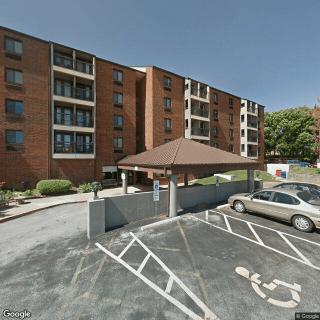






 Exploring Palliative Care in the Home: A Comprehensive Overview
 Comprehensive Insights into Palliative Home Care: What It Is and What to Expect
 Skilled Nursing Facilities vs. Nursing Homes: Making Sense of the Differences