NHC Healthcare - St Charles in Saint Charles, MO

Save

  • Interior

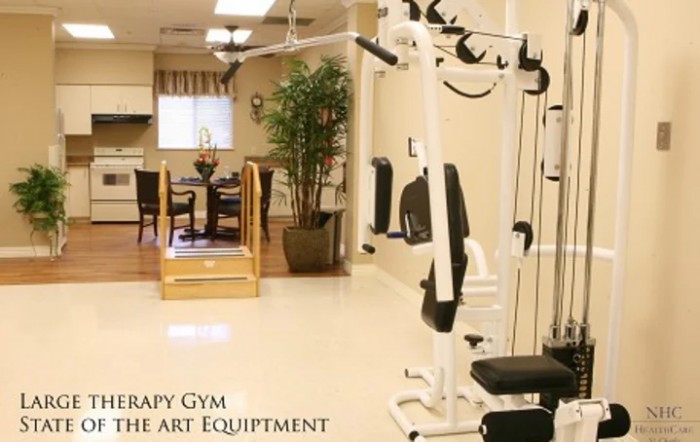
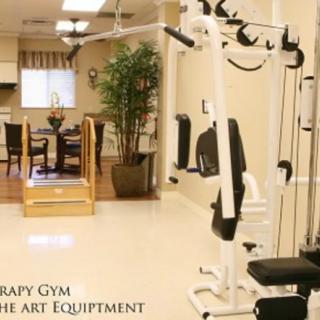
    A modern therapy gym equipped with state-of-the-art exercise equipment.
  • Decor

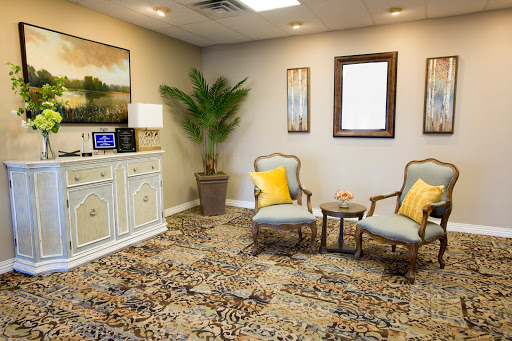
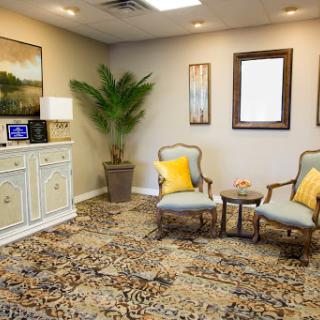
    A cozy waiting room featuring elegant furniture, a decorative plant, and tasteful artwork.
  • Living Room

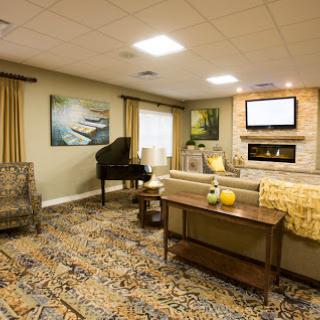
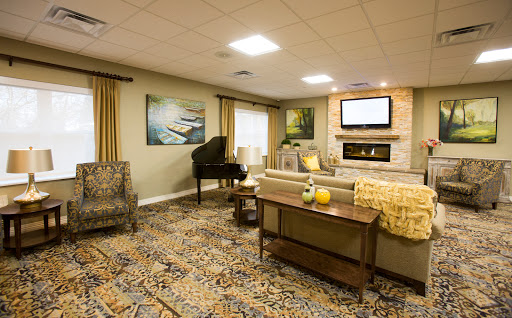
    A cozy living room featuring a piano, comfortable seating, and stylish decor.
  • Building

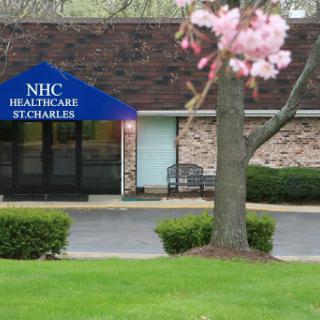
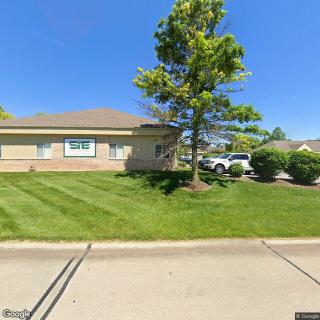
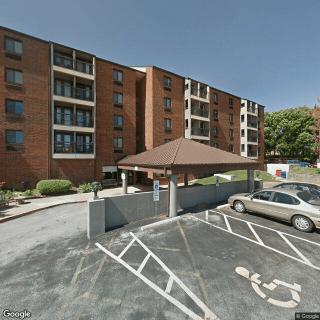
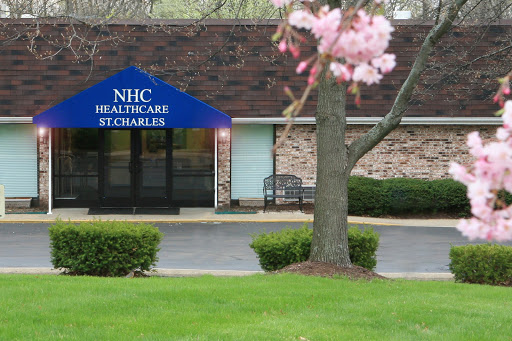
    The entrance of NHC Healthcare in St. Charles, surrounded by blooming trees and a well-kept lawn.
  • Windows

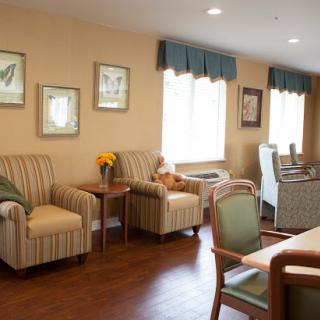
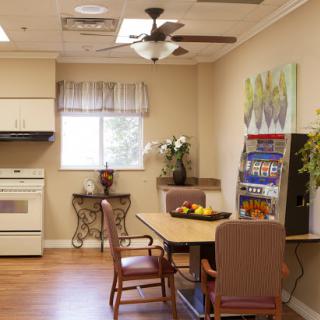
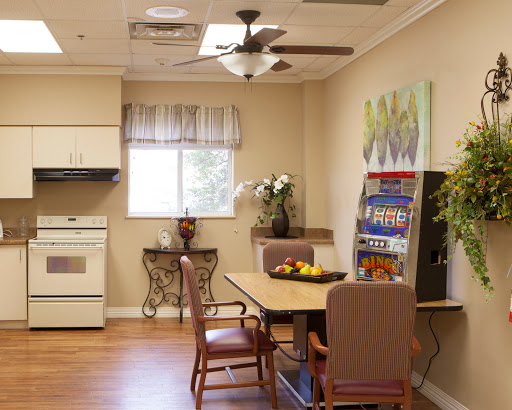
    A cozy kitchen and dining area featuring a table with chairs, a ceiling fan, and a vending machine for snacks.
  • Dining

    An elegantly set dining room with fresh flowers on each table.
  • Kitchen

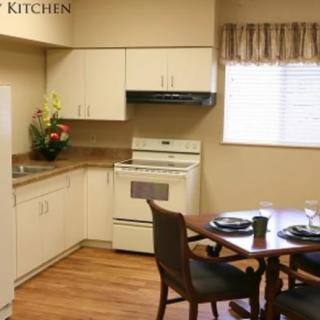
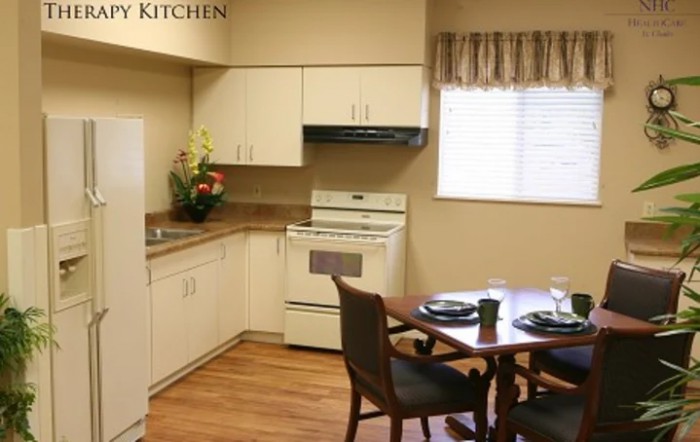
    A cozy kitchen with a dining table set and modern appliances.
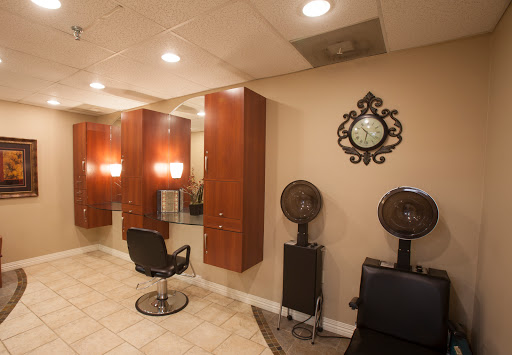
  • Lighting

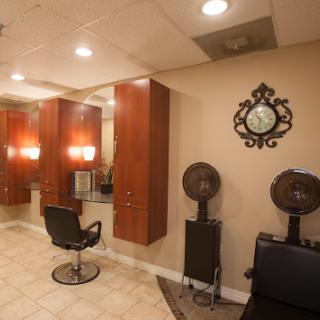
    A cozy hair salon featuring stylish barber chairs, mirrors, and ambient lighting.
  • Artwork

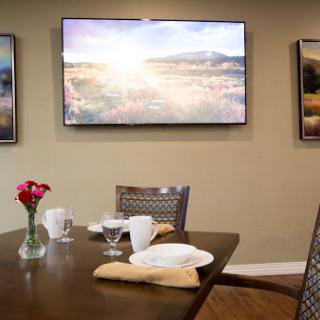
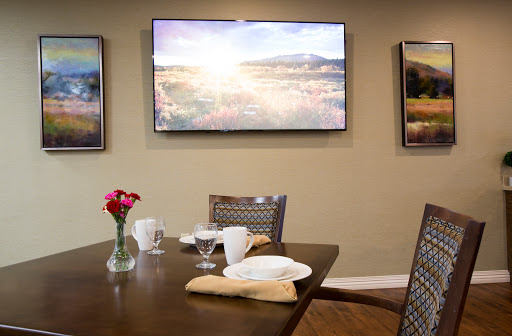
    A cozy dining area featuring a neatly set table, wall art, and a television displaying a scenic view.
  • Seating Area

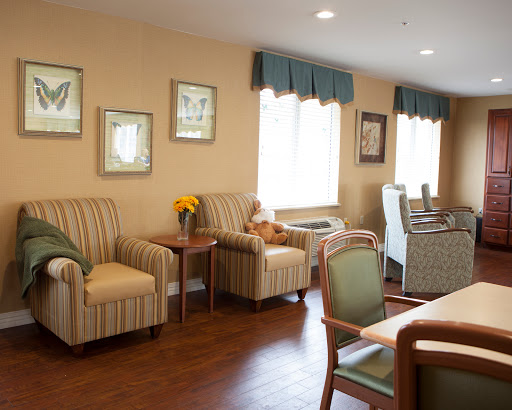
    A cozy and inviting lounge area with comfortable seating and warm decor.
  • Fireplace

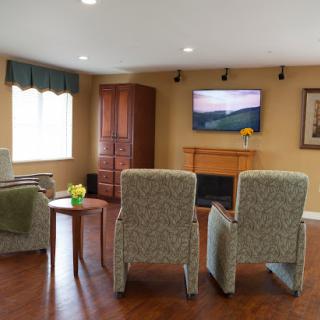
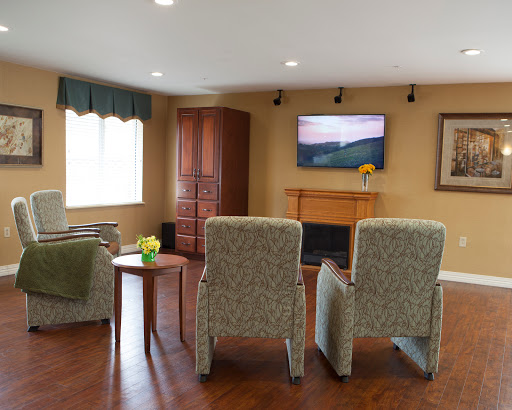
    A cozy living room setup featuring comfortable armchairs, a television, and a warm ambiance.
  • Television

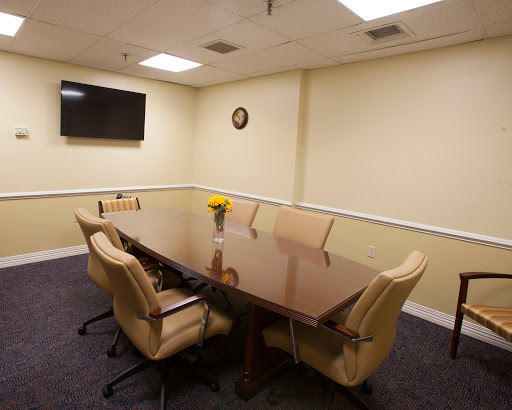
    A well-furnished conference room equipped with a large table, chairs, and a television for meetings.
  • Table And Chairs

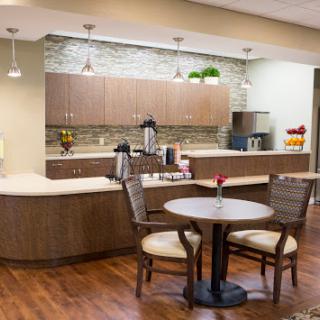
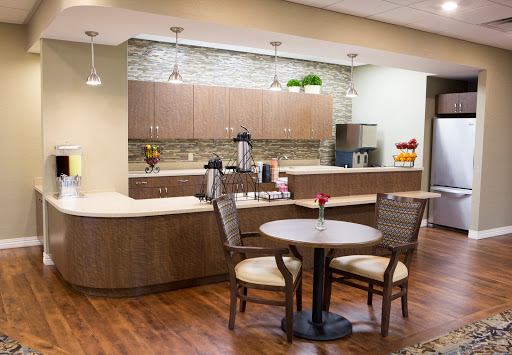
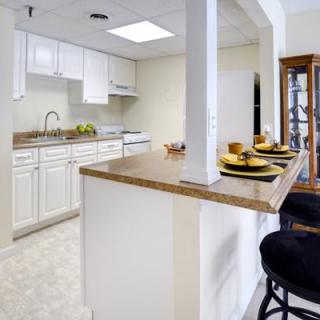
    A cozy and modern kitchen area featuring a small dining table and coffee station.
  • Rehabilitation

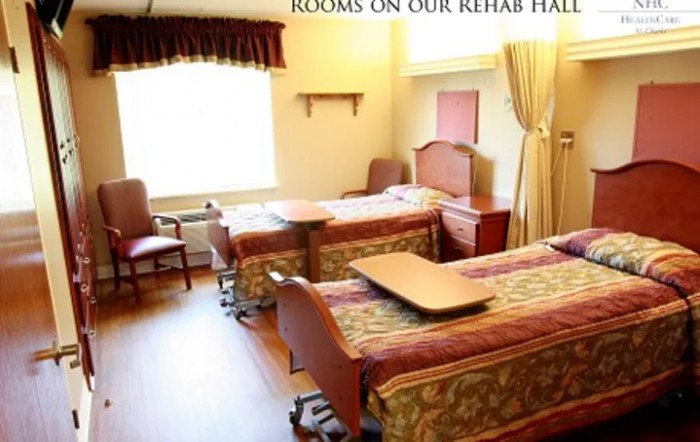
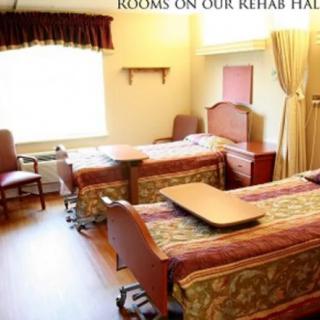
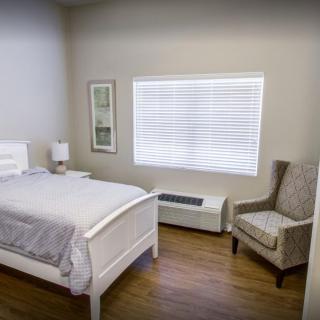
    A shared rehabilitation hospital room with two beds and medical equipment.

NHC Healthcare - St Charles in Saint Charles, MO

Information last verified:

35 Sugar Maple Lane, Saint Charles, MO 63303

For more information about senior living options: (844) 490-3973

3.6 from 44 reviews
5 stars
20
4 stars
10
3 stars
2
2 stars
0
1 stars
12

Overall Review of NHC Healthcare - St Charles

Pros

  • pro The staff were caring and wonderful, with therapists Tyler and Justin helping the patient regain mobility.
  • pro Hema provided excellent, attentive care and became a trusted part of the care team.
  • pro The techs and CNAs were kind and caring, contributing to a supportive environment.
  • pro The staff treated residents like family, making them feel welcome and respected.
  • pro The doctor was phenomenal and stayed on top of concerns, ensuring quality medical oversight.
  • pro Administration was excellent, with residents' needs prioritized and families kept informed.
  • pro Activities happened every day and were well run, adding engagement and joy to daily life.
  • pro The facility was clean, the food was good, and the overall atmosphere felt warm and welcoming.

Cons

  • pro Management is a big mess, with the DON staying in her office and avoiding interaction with staff or patients.
  • pro The DON fails to discipline staff or take accountability, instead blaming nurses for not watching the halls.
  • pro Nurses are chronically short-staffed, handling 25-30 patients each with few aides and no medication tech.
  • pro The doctor behaves as if she owns the place, yelling at staff and at times patients and families; many patients never even see her.
  • pro The facility is repeatedly described as unprofessional and uneducated, with poor management.
  • pro The place is constantly understaffed, with staff arguing with families and even police officers instead of focusing on residents.
  • pro There are reports of neglect or mistreatment, including dehydration from not monitoring intake and residents left unattended.
  • pro Some reviews claim the facility prioritizes dogs over residents or staff, suggesting dishonesty and poor care for people.

Review

NHC HealthCare – St. Charles is best suited for families that prioritize strong, hands-on rehabilitation and daily warmth from frontline caregivers. The facility consistently delivers meaningful therapy, attentive nursing, and a welcoming, home-like atmosphere that makes the daily rhythm of care feel personal. Therapists such as Donna and Tyler are repeatedly praised for their skill and persistence in getting residents back to mobility, while Hema and other CNAs are noted for genuine kindness and steady presence on the patient side of care. The combination of on-site medical oversight, regular activity programming, and accessible religious services creates a structure where a rehab-focused plan can translate into real gains. For families whose priority is clear progress in physical recovery and a facility that treats residents like family during the transition from hospital to home, this community is compelling.

That said, this is not the place for families seeking a flawlessly run operation with uniform staffing and flawless administrative oversight. Several reviews paint a stark picture of management challenges: the director of nursing is described as frequently unavailable, with limited discipline or accountability for staff behavior, and a culture where frontline staff are left to shoulder heavy patient loads with insufficient support. Short-staffing is repeatedly cited, nurses handling 25–30 patients without adequate medication techs or aides, creating a backdrop where even well-meaning caregivers can struggle to meet all needs. The doctor-patient relationship is also called into question in some accounts, with notes that key physicians can be hard to locate or engage with. For families who require tight governance, consistent supervision, and a predictable care environment, alternatives may offer a safer baseline.

The strongest pros, hands-on rehab, compassionate caregivers, and responsive communication, can offset many concerns, but they do not erase the risk presented by the main cons. When therapy teams are engaged and residents respond to individualized exercise, the benefits are tangible: mobility improves, independence edges back, and families feel reassured during a stressful transition. The on-site physician presence and active social work staff help families stay informed, and the breadth of activities, good dining, and accessible chaplain services contribute to a dignified daily life. Yet the credibility of these positives depends on a functioning management layer that follows through on staffing commitments and safety protocols. In households where front-line care has proven reliable and a transparent line of communication with therapy and nursing staff is valued above all, the positives can outweigh persistent governance worries.

The facility earns strong marks for its daily atmosphere and the caliber of front-line staff. Residents and families repeatedly describe a warm, courteous environment, where the food is praised, rooms are kept clean, and therapy departments are visibly active. Dedicated staff members, named individuals such as Hema, Donna, and the therapy team, are often cited as the reason families choose to stay or move loved ones to long-term care rather than another option. The on-site medical leadership, including a physician who remains involved and a team of social workers, helps keep care cohesive. The calendar of daily activities, frequent music and religious services, and opportunities for social engagement add texture to life in the building and can support emotional well-being alongside physical recovery. In short, when the staff is present and engaged, care here feels personal and competent.

However, safety and consistency concerns cannot be ignored. Several reviews describe serious lapses that raise red flags: perceived neglect of residents due to understaffing, inconsistent monitoring of basic needs like hydration and nutrition, and even instances of residents being left unattended on occasion. Shared rooms and privacy limitations, while common in many facilities, are noted as downsides for those who value quiet, individualized space. Some reviewers report encounters with resistant or distracted staff during shifts, and a few accounts allege heightened tension between families and management. Parking and traffic around the campus add logistical friction for visitors. These issues collectively underscore that while the care team can perform well in grooming rehab outcomes, the governance and operations can undermine safety and consistency if not actively addressed.

For families weighing decisions, a practical path is essential: visit at multiple times, including evenings and weekends, to observe staffing levels and how the team operates when the facility is busiest. Request meetings with the DON and the rehab director to review current nurse-to-patient ratios, incident reports, and ongoing corrective actions. Ask about private-room availability, memory care capacity, and how care plans are coordinated across shifting teams. Seek explicit commitments on hydration monitoring, weight and intake tracking, and timely communication with physicians. Consider whether the facility’s strengths, exceptional rehab potential, caring frontline staff, robust activity programming, and family-inclusive culture, align with tolerance for governance gaps and safety variability. If rehab outcomes and day-to-day warmth are the top criteria, NHC HealthCare – St. Charles can deliver; if consistent leadership, reinforced safety oversight, and private-space privacy are non-negotiables, it may be prudent to explore options with firmer administrative stability.

Features

Housing

  • 120 resident community capacity 120 resident community capacity

Types of Care

  • Skilled Nursing Facility Skilled Nursing FacilitySkilled Nursing Facilities are crucial for seniors as they provide round-the-clock medical care, rehabilitation services, and assistance with daily activities. These facilities ensure that seniors receive the specialized care they need to maintain their health and well-being as they age.

Amenities

  • Air-conditioning Air-conditioningAir conditioning is important for seniors as they are more vulnerable to heat-related illnesses and may have underlying health conditions that make it difficult for them to regulate their body temperature. It helps to keep them comfortable, safe, and healthy in hot weather.
  • Beauty salon Beauty salonBeauty salons are important for seniors because they provide a space for them to feel pampered, socialize, and maintain their personal grooming and hygiene. Regular visits to a beauty salon can help boost seniors' self-esteem and overall well-being.
  • Cable or satellite TV Cable or satellite TVCable or satellite TV is important for seniors because it provides entertainment, news, and companionship, helping to combat loneliness and boredom. It also offers a wide range of programming options tailored to different interests and preferences.
  • Computer center Computer centerA computer center is essential for seniors as it provides access to technology, communication tools, and resources that can enhance their daily lives. It allows them to stay connected with loved ones, engage in online activities, and learn new skills, ultimately promoting socialization and mental stimulation.
  • Dining room Dining roomDining rooms are important for seniors as they provide a space for socialization, connection, and nutritious meals. They offer opportunities for residents to bond over shared meals, foster a sense of community, and promote healthy eating habits. Dining rooms also ensure that seniors have access to well-balanced meals tailored to their dietary needs and preferences.
  • Fitness room Fitness roomHaving a fitness room in a senior living community is essential for seniors to stay active, maintain their physical health, and improve their overall well-being. Regular exercise can help prevent falls, reduce the risk of chronic diseases, and promote mental sharpness. It also provides social opportunities for residents to connect with others and enjoy a sense of community.
  • Fully furnished Fully furnishedFully furnished senior living communities are important for seniors because they provide convenience, comfort, and a hassle-free moving experience. Seniors can easily settle into their new living space without the stress of having to buy and move furniture. This allows them to focus on enjoying their new home and community.
  • Gaming room Gaming roomGaming rooms are important for seniors as they provide a fun and engaging environment for socializing, cognitive stimulation, and physical activity. Games can improve memory, problem-solving skills, and overall mental well-being while fostering friendships and reducing feelings of isolation.
  • Garden GardenGardens are important for seniors as they provide a peaceful and therapeutic environment for relaxation, physical activity, and socialization. Being in nature has been shown to reduce stress, improve mood, and promote overall well-being. Gardens also offer opportunities for seniors to engage in gardening activities, which can improve mobility, flexibility, and cognitive function. Additionally, gardens create a sense of community and connection with others who share a passion for plants and outdoor spaces.
  • Housekeeping services Housekeeping servicesHousekeeping services are important for seniors because they help maintain a clean and safe living environment, promote independence, and reduce the risk of accidents or illnesses. Additionally, having assistance with household chores can alleviate physical strain and allow seniors to focus on other aspects of their well-being.
  • Kitchenette KitchenetteKitchenettes are important for seniors living in senior living communities because they provide the convenience and independence of being able to prepare simple meals and snacks in the comfort of their own living space. This can help promote a sense of autonomy and well-being for seniors, allowing them to maintain some level of control over their dietary choices and daily routines.
  • Move-in coordination Move-in coordinationMove-in coordination is important for seniors because it helps ease the transition into their new living environment. It ensures that all logistics, such as packing, organizing movers, and setting up utilities are taken care of, allowing seniors to focus on settling in and adjusting to their new home. Having a smooth move-in process can alleviate stress and anxiety, making the transition smoother and more enjoyable for seniors.
  • Outdoor space Outdoor spaceOutdoor spaces are important for seniors as they provide opportunities for physical activity, social interaction, exposure to natural light and fresh air, and a sense of connection to nature. Having access to outdoor spaces can improve overall well-being and quality of life for older adults living in senior communities.
  • Private bathrooms Private bathroomsPrivate bathrooms are important for seniors in senior living communities because they provide independence, dignity, and comfort. Having a private bathroom allows seniors to maintain their personal hygiene routines without the need for assistance, promoting a sense of autonomy and privacy. Additionally, private bathrooms help prevent the spread of infections and provide a safe and clean environment for seniors to navigate safely.
  • Restaurant-style dining Restaurant-style diningRestaurant-style dining is important for seniors because it allows them to enjoy delicious, nutritious meals in a social and upscale setting. This enhances their dining experience, promotes healthy eating habits, and fosters socialization with fellow residents, ultimately contributing to their overall well-being and quality of life.
  • Small library Small librarySmall libraries are important for seniors as they provide access to a variety of reading materials, including books, newspapers, and magazines. This can help stimulate their minds, keep them engaged, and provide a sense of community through book clubs and other social activities. Additionally, reading has been shown to improve cognitive function and overall mental well-being in older adults.
  • Telephone TelephoneTelephones are important for seniors as they provide a lifeline for communication with loved ones, emergency services, and healthcare providers. They offer a sense of security and independence, enabling seniors to stay connected and access assistance when needed.
  • Wellness center Wellness centerWellness centers are important for seniors because they offer a variety of programs and services that promote physical, mental, and emotional well-being. These centers provide opportunities for exercise, socialization, education, and relaxation, helping seniors maintain their overall health and quality of life.
  • Wi-Fi/high-speed internet available Wi-Fi/high-speed internet availableWi-Fi/high-speed internet is important for seniors to stay connected with loved ones, access online resources, and participate in virtual activities to combat feelings of loneliness and isolation. It also allows them to easily manage healthcare needs, access entertainment, and engage in lifelong learning opportunities.

Transportation

  • Lambert-St Louis International (9 miles away) Lambert-St Louis International (9 miles away)
  • Community operated transportation Community operated transportationCommunity operated transportation is crucial for seniors as it provides them with the means to access essential services, social activities, and medical appointments. It allows seniors to maintain their independence and quality of life by ensuring they can participate in activities outside of their homes. Additionally, community-operated transportation services offer a safe and reliable way for seniors to travel without having to rely on family or friends for assistance.
  • Transportation arrangement Transportation arrangementTransportation arrangements are crucial for seniors as they may face challenges with driving, mobility, or access to public transportation. Having reliable transportation services ensures that seniors can easily attend appointments, social activities, and maintain their independence and quality of life.

Care Services

  • 24-hour call system 24-hour call system24-hour call systems are important for seniors because they provide peace of mind and immediate assistance in case of emergencies. This technology ensures that help is always available, promoting safety and security for elderly individuals living alone or in assisted living facilities.
  • 24-hour supervision 24-hour supervision24-hour supervision is important for seniors to ensure their safety, well-being, and access to immediate assistance in case of emergencies or health issues. This constant support provides peace of mind for both seniors and their loved ones, allowing them to age in place with dignity and security.
  • Activities of daily living assistance Activities of daily living assistanceActivities of daily living assistance are important for seniors because they provide essential support with tasks such as eating, bathing, dressing, and mobility. This assistance helps seniors maintain their independence, dignity, and overall quality of life as they age.
  • Assistance with bathing Assistance with bathingAssistance with bathing is crucial for seniors as it helps maintain personal hygiene, prevents infections, and ensures their overall well-being and comfort. It also provides a sense of dignity and independence for seniors who may struggle with this task on their own.
  • Assistance with dressing Assistance with dressingAssistance with dressing is important for seniors because it helps maintain their independence, promotes personal hygiene, prevents accidents and injuries, and improves overall quality of life. This service ensures that seniors can continue to dress comfortably and confidently, despite any physical limitations they may have.
  • Assistance with transfers Assistance with transfersAssistance with transfers is crucial for seniors as it helps prevent falls and injuries, maintains their independence, and ensures they can safely navigate their living environment. It also provides peace of mind for both seniors and their loved ones.
  • Diabetes diet Diabetes dietA diabetes diet is crucial for seniors as it helps manage blood sugar levels, reduce risks of complications, and improve overall health and well-being. By following a balanced and nutritious diet tailored to their specific needs, seniors can better control their diabetes and enhance their quality of life.
  • Meal preparation and service Meal preparation and serviceMeal preparation and service are crucial for seniors as they may have limited mobility or energy to cook nutritious meals. Having access to healthy and convenient food options can ensure they are getting the proper nutrition needed to maintain their overall health and well-being.
  • Medication management Medication managementMedication management is crucial for seniors to ensure they are taking the right medications at the correct dosages and times. This helps prevent adverse drug interactions, reduces the risk of medication errors, and promotes overall health and well-being. Proactive management also allows for adjustments as needed based on changing health conditions or new prescriptions.
  • Special dietary restrictions Special dietary restrictionsSpecial dietary restrictions are important for seniors because age-related changes in metabolism and health conditions can make it difficult for their bodies to process certain foods. By following a diet tailored to their specific needs, seniors can maintain their overall health and well-being, manage chronic conditions, and reduce the risk of complications such as malnutrition or food interactions with medications.

Dining

  • Diabetes diet Diabetes dietA diabetes diet is crucial for seniors as it helps manage blood sugar levels, reduce risks of complications, and improve overall health and well-being. By following a balanced and nutritious diet tailored to their specific needs, seniors can better control their diabetes and enhance their quality of life.
  • Special dietary restrictions Special dietary restrictionsSpecial dietary restrictions are important for seniors because age-related changes in metabolism and health conditions can make it difficult for their bodies to process certain foods. By following a diet tailored to their specific needs, seniors can maintain their overall health and well-being, manage chronic conditions, and reduce the risk of complications such as malnutrition or food interactions with medications.

Activities

  • Community-sponsored activities Community-sponsored activitiesCommunity-sponsored activities are important for seniors as they provide opportunities for social interaction, mental stimulation, and physical activity. These activities can help improve overall well-being, combat loneliness and isolation, and promote a sense of belonging and purpose among older adults.
  • Concierge services Concierge servicesConcierge services are essential for seniors as they provide assistance with daily tasks and errands, enhance their quality of life by offering convenience and personalized care, and promote a sense of safety and security.
  • Fitness programs Fitness programsFitness programs are crucial for seniors as they help improve strength, flexibility, balance, and overall well-being. Staying active can reduce the risk of chronic diseases, improve mental health, and enhance quality of life in older adults.
  • Planned day trips Planned day tripsPlanned day trips are important for seniors because they offer opportunities for socialization, mental stimulation, and physical activity. They provide a change of scenery and help seniors stay engaged and connected to their community, promoting overall well-being and quality of life.
  • Resident-run activities Resident-run activitiesResident-run activities are important for seniors as they encourage social interaction, creativity, and a sense of autonomy. These activities empower seniors to stay engaged and active in their community while fostering meaningful connections with their peers.
  • Scheduled daily activities Scheduled daily activitiesScheduled daily activities are important for seniors because they provide structure, socialization, mental stimulation, and physical activity. Engaging in regular activities can improve overall well-being and quality of life for seniors living in a community setting.

Description

NHC Healthcare - St Charles in Saint Charles, MO is an assisted living community that offers a wide range of amenities and care services to meet the needs of its residents. The community features a beauty salon for residents to enjoy pampering and grooming services, as well as cable or satellite TV for entertainment. Community-operated transportation is available to help residents get around town, and a computer center is provided for those who want to stay connected.

The dining room at NHC Healthcare - St Charles offers restaurant-style dining where residents can enjoy delicious meals prepared by the staff. Special dietary restrictions are accommodated, ensuring that everyone's nutritional needs are met. Housekeeping services are provided to keep living spaces tidy, and move-in coordination is available for a smooth transition.

For recreational activities, there is a fitness room where residents can stay active and maintain their physical health. A gaming room provides opportunities for leisure and socialization, while the small library offers a quiet space for reading and relaxation. Scheduled daily activities are planned for residents' enjoyment.

In terms of care services, NHC Healthcare - St Charles provides 24-hour supervision to ensure the safety and well-being of its residents. Assistance with activities of daily living such as bathing, dressing, and transfers is offered by trained staff members. Medication management is available to help with medication reminders and administration.

The community also takes into consideration the healthcare needs of its residents by offering diabetes diet options and working with special dietary restrictions. Transportation arrangements can be made for medical appointments if needed. Residents have access to nearby cafes, parks, pharmacies, physicians, restaurants, places of worship, theaters, and hospitals.

Overall, NHC Healthcare - St Charles strives to provide a comfortable and engaging environment where seniors can receive personalized care while enjoying a variety of amenities and activities.

Nearby Places of Interest

Theaters

  • Marcus Theatres (0.4 miles)
  • AMC Streets Of St Charles 8 (1.7 miles)

Restaurants

  • White Castle (0.5 miles)
  • Gingham's Homestyle Restaurant (1.2 miles)
  • McDonald's (1.6 miles)
  • McDonald's (2 miles)
  • Raising Cane's Chicken Fingers (2.2 miles)
  • Nacho's Fresh Mex (2.2 miles)
  • Dave & Buster's (3 miles)

Parks

  • Vogt Brothers Park (0.7 miles)
  • Schaefer Park (1.8 miles)
  • Frontier Park (2.6 miles)
  • Creve Coeur Park (3 miles)
  • Blanchette Memorial Hall (3.6 miles)
  • Kwanis Park (4.1 miles)
  • Faust Park (6.3 miles)

Pharmacies

  • Walgreens (1 miles)
  • Walgreens (1.4 miles)
  • Schnucks (1.7 miles)
  • Dierbergs (1.9 miles)
  • Walgreens (1.9 miles)
  • CVS Pharmacy (2.1 miles)
  • Schnucks (2.1 miles)

Physicians

  • Walsh, Martin Ssm Health Outpatient Center Veterans Memorial Parkway (1.5 miles)
  • Professional Building 1 (4 miles)
  • Advanced Bone & Joint formerly St Peters Bone & Joint (4.4 miles)
  • SSM Family Medicine (5.4 miles)
  • Ssm St Joseph Medical Park (5.4 miles)
  • Clarkson Eyecare (6 miles)

Places of Worship

  • Jungs Station Baptist Church (2.2 miles)
  • Harvester Nazarene NMI (2.7 miles)
  • St Cletus Catholic Church (3.1 miles)
  • St Joseph Church-Cottleville (7 miles)

Hospitals

  • St Joseph's Hospital (2.7 miles)
  • Barnes Jewish Medical Building (3.9 miles)
  • DePaul Hospital (4.9 miles)
  • DePaul Health Center - Emergency Room (4.9 miles)
  • Barnes-Jewish West County Hospital (6.3 miles)

Cafes

  • Sugar Beans Coffee House (3 miles)
  • Panera Bread (5.5 miles)
  • Panera Bread (7.2 miles)
  • Starbucks (7.6 miles)

Frequently Asked Questions

Where is NHC Healthcare - St Charles?
What photos are available for NHC Healthcare - St Charles in Saint Charles, Missouri?

Nearby Communities

  • Lake St. Charles Retirement Community

    Lake St. Charles Retirement Community

    Saint Charles, MO

    4.8 from 75 reviews
    $2,445 to $3,530 / month

    pro Caring staff and a clean, engaging, upscale environment.
  • Lake St Charles Assisted Living Apartments

    Lake St Charles Assisted Living Apartments

    Saint Charles, MO

    4.8 from 34 reviews
     

    pro All-in-one CCRC with 24-hour care, fully furnished apartments, and easy access to amenities.

  • All Generations Adult Day Center

    All Generations Adult Day Center

    Saint Charles, MO

    4.8 from 12 reviews
     

    pro Warm, home-like atmosphere with personalized, attentive care.

  • Care Club Day Services

    Care Club Day Services

    St. Charles, MO


    pro Excellent access to nearby dining, parks, healthcare, worship, and cultural venues.

  • Fairwinds - River's Edge

    Fairwinds - River's Edge

    Saint Charles, MI

    4.5 from 76 reviews
    $3,995 to $4,930 / month

    pro Friendly staff and an active, well-maintained community.

  • Sunshine Home Care-St Charles

    Sunshine Home Care-St Charles

    St. Charles, MO

    2 from 8 reviews
     

    pro Personalized diabetic care in a warm, social setting.

  • Villas of St. Charles

    Villas of St. Charles

    Saint Charles, MO

    4.4 from 7 reviews
    $1,500 / month

    pro Affordable 1-bedroom pricing with convenient access to parks, dining, and healthcare.

  • Jaycee Fairgrounds Village

    Jaycee Fairgrounds Village

    St. Charles, MO

    4.1 from 57 reviews
     

    pro Peaceful, well-appointed assisted living with on-site activities, indoor common areas, and staff trained in diabetic care.

  • Cedarhurst of St. Charles

    Cedarhurst of St. Charles

    Saint Charles, MO

    4.3 from 174 reviews
    $3,250 to $5,750 / month

    pro Clean, welcoming environment with friendly staff and engaging activities.

Related Resources

  • palliative care at homeExploring Palliative Care in the Home: A Comprehensive Overview

    Palliative care enhances the quality of life for seriously ill patients by providing comprehensive support at home through a multidisciplinary team, addressing various needs and prioritizing comfort over curative treatments. While it offers personalized care and involves family in decision-making, challenges like caregiver stress and logistical issues persist, with growing demand prompting advancements in technology and healthcare policies to improve access.

  • palliative care at homeComprehensive Insights into Palliative Home Care: What It Is and What to Expect

    Palliative home care focuses on improving the quality of life for individuals with serious illnesses by providing comfort, symptom management, and emotional support in their own homes. This approach includes personalized care plans, regular assessments, and resources for family caregivers, all while prioritizing person-centered treatment that aligns with patients' goals.

  • skilled nursing facility vs nursing homeSkilled Nursing Facilities vs. Nursing Homes: Making Sense of the Differences
    Skilled nursing facilities (SNFs) provide high-level medical care and rehabilitation for short-term recovery, typically covered by Medicare after hospitalization, while nursing homes focus on ongoing custodial care for chronic conditions, mainly funded by Medicaid or private payments. The staffing and regulatory structures differ significantly between the two, necessitating clarity for families in choosing appropriate long-term care options.