Mount Carmel Senior Living in Saint Charles, MO

Save

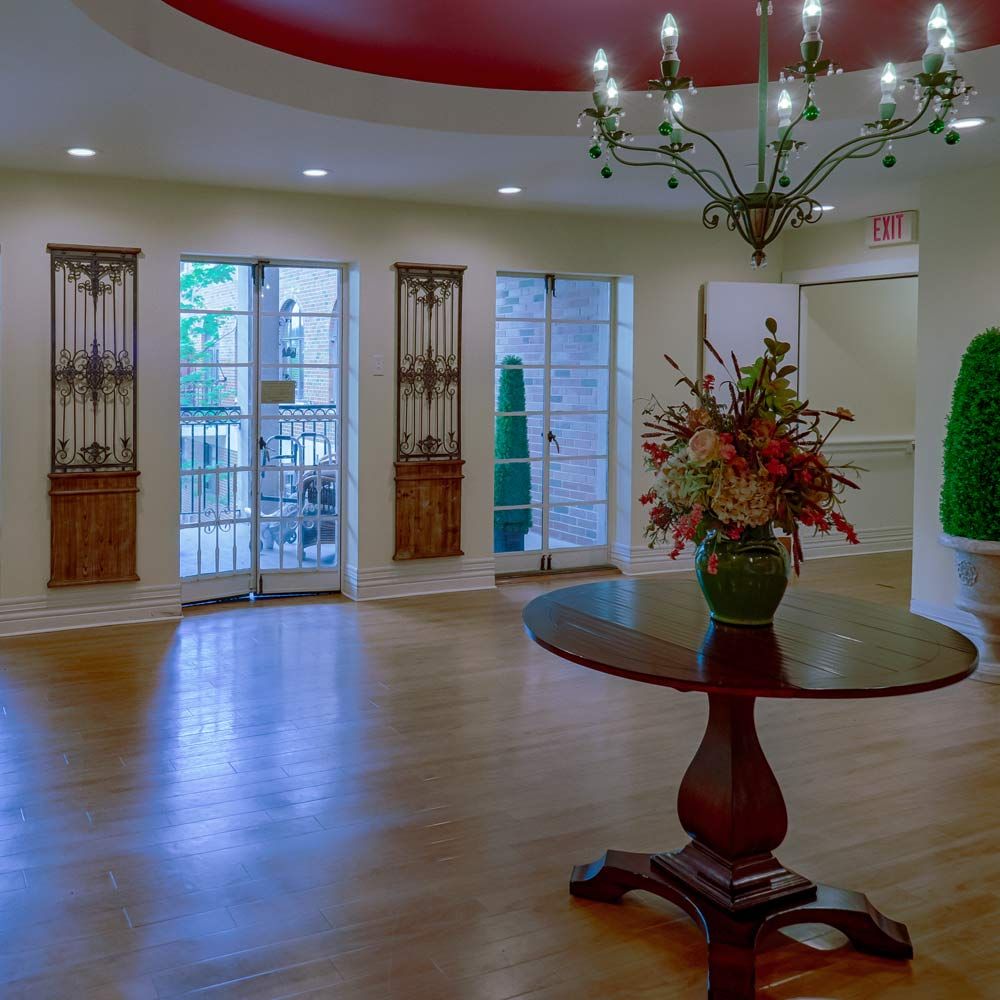
  • Interior

    A beautifully decorated living room with a chandelier, elegant table, and floral arrangement.
  • Decor

    A cozy living room with patterned furniture and warm lighting.
  • Building

    Entrance to a building with a welcoming garden and display sign.
  • Dining

    A dining room featuring a long table surrounded by chairs, adorned with stained glass windows and a chandelier.
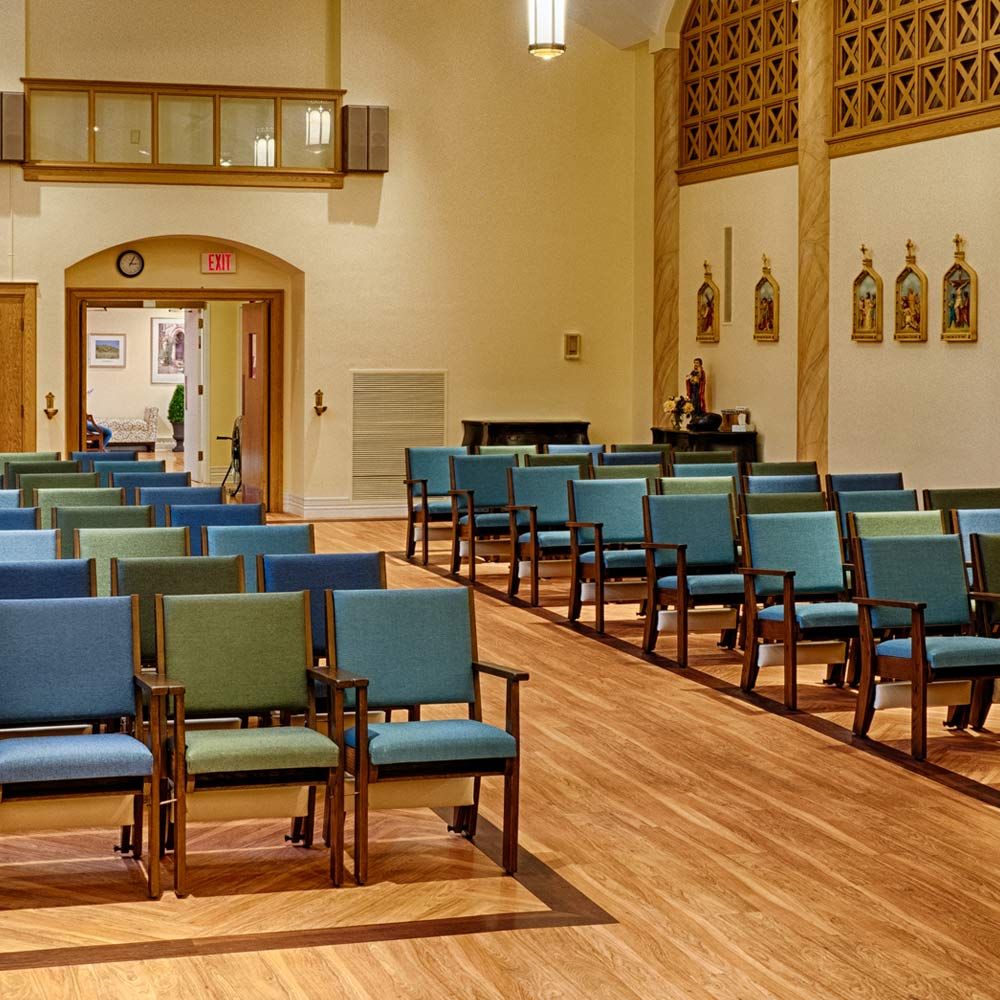
  • Lighting

    A spacious hall with rows of colorful chairs arranged on a wooden floor.
  • Chandelier

    An elegant dining room with chandeliers and round tables set for a formal event.
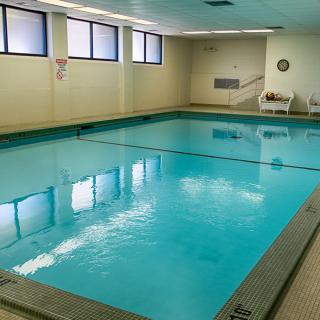
  • Swimming Pool

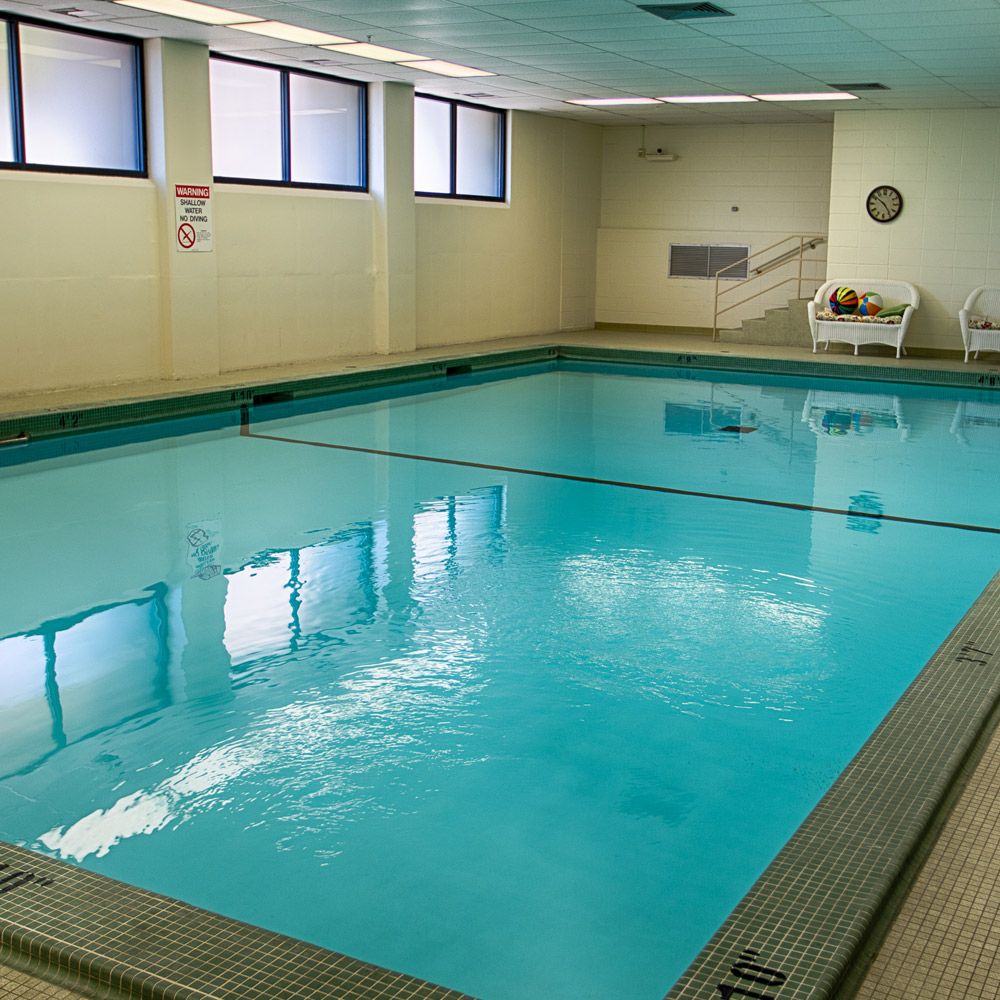
    An indoor swimming pool with clear blue water and natural lighting.

Mount Carmel Senior Living in Saint Charles, MO

1st Capitol Drive, Saint Charles, MO 63301

For more information about senior living options: (844) 490-3973

3.5 from 71 reviews
5 stars
37
4 stars
5
3 stars
5
2 stars
5
1 stars
19

Assisted Living Continuing Care Retirement Community (CCRC) Hospice Agency Independent Living Memory Care Respite Care Skilled Nursing Facility

Overall Review of Mount Carmel Senior Living

Pros

  • pro The nursing staff were incredible and attentive.
  • pro The wound care nurse, CNAs, and Med Techs were great and compassionate.
  • pro The facility felt warm, was clean, and gave families a sense of being at home.
  • pro The food was wonderful and dining options were varied.
  • pro Management and leadership were caring, engaged, and supportive of residents and families.
  • pro The rehab and therapy teams were kind, skilled, and helped residents reach their goals.
  • pro Residents and families experienced personal attention and were treated with dignity and respect.
  • pro Activities and faith-based programs added value and engagement to residents' days.
  • pro Staff consistently went above and beyond to meet needs and ensure safety.

Cons

  • pro The facility was severely understaffed, leaving disabled patients without adequate help.
  • pro The room was too small to accommodate two patients and two large wheelchairs.
  • pro Only one of the two TVs worked, and the other would turn off when the first was changed, which maintenance could not fix.
  • pro A CNA yelled at a resident and told her to "eat your food and drink your drink," showing a lack of respect.
  • pro There was no accountability and delays in medications and care, with staff failing to follow through on issues.
  • pro The downstairs rehab unit was poorly staffed and unprofessional, with aides on cellphones and some staff being abusive.
  • pro There was a strong smell of urine in a resident's room and other cleanliness concerns, including dirty bathrooms.
  • pro The food was terrible or inedible, and rehabilitation services were lacking, with overall care falling short.

Review

Mount Carmel Senior Living in Saint Charles is best suited for families seeking a rehab-forward skilled nursing option with a strong emphasis on nursing touchpoints, therapy focus, and a warm, home-like atmosphere. It appeals to seniors who value attentive caregivers, regular interaction with leadership, and an environment that feels like a supportive community more than a clinical institution. The facility tends to deliver solid rehabilitation and long-term care when staffing is adequate, and when families can engage with staff and doctors to coordinate care. It also works well for residents who appreciate accessible on-site services such as a chapel, varied activities, and restaurant-style dining. Those prioritizing a consistently high-touch experience across all shifts, however, should proceed with caution.

Alternatives should be strongly considered for anyone who cannot accept recurring concerns about staffing levels, communication gaps, or safety responsiveness. Several reviews describe long wait times for assistance, inconsistent attention from aides, and on-call responsiveness that can be deeply frustrating. Families who require reliable, round-the-clock support, strong social-work advocacy, or seamless coordination during transitions may find other facilities more dependable. Dementia-specific or memory-care needs, as well as memory of care for end-of-life moments, may also prompt looking elsewhere if consistent, specialized programming and trauma-informed staffing are non-negotiable priorities.

The strongest positives hinge on the caregiving core: many nurses, CNAs, and therapists are praised for compassion, responsiveness, and genuine warmth. Rehab teams in particular receive frequent commendations for helping residents meet mobility goals and returning home from hospital stays. The environment is described as clean, with good dining options and a schedule of activities that keeps residents engaged. Leadership is repeatedly cited as a stabilizing force - executives who know residents by name, visit dining rooms, and drive improvements. When the staff on a given shift is aligned and sufficient, the balance between therapy intensity, nursing care, and family communication yields outcomes families celebrate.

Yet the downsides repeatedly cited temper the overall impression. Understaffing on certain shifts translates into delays, insufficient help for disabled residents, and frustration among families who must step in to assist. Some rooms are not ideal - too small for two patients or not well suited to wheelchair needs - and basic comforts like reliable TV access or room lighting can become irritants. Social services interactions sometimes feel rough or unresponsive, and there are alarming anecdotes about neglect or poor handling during transitions, shifts in care, or encounters with weekend staff. The most troubling reviews recount mistreatment fears, lack of accountability, and a sense that concerns vanish without meaningful follow-through.

These conflicting experiences matter when weighing a decision. Mount Carmel can be a strong fit for families who can verify consistent staffing, actively participate in care planning, and monitor day-to-day operations with multiple staff members on hand. The rehab discipline, the engaged leadership, and the sense of community can offset many drawbacks for residents who stay aligned with the care team. For others, especially those who anticipate or have experienced staffing gaps, safety incidents, or administrative indifference, alternatives may deliver more predictable quality and a quieter risk profile. In the decision process, the key is to witness a current day-to-day snapshot: tour during different shifts, speak with residents and families, and probe the administrator about staffing plans, safety protocols, and concrete expectations for therapy hours and meal service.

To move forward confidently, pursue an in-person, multi-hour visit that includes conversations with the director of nursing, program leaders, therapists, and a few current residents and families. Ask pointed questions about staffing ratios by shift, call-light response times, and emergency transport coordination. Request recent quality metrics, incident reports, and examples of how concerns were addressed. If Mount Carmel aligns on those fronts, and if the family can sustain an active partnership with staff, it offers a compelling, compassionate option for rehabilitation and long-term skilled nursing. If not, the prudent choice is to explore facilities with steadier staffing, clearer accountability, and a more consistent track record of safe, dignified care.

Features

Housing

  • 84 resident community capacity 84 resident community capacity
  • 1-bedroom apartments 1-bedroom apartments1-bedroom apartments are important for seniors because they provide a sense of independence, privacy, and autonomy while still offering the necessary space for comfortable living. These apartments allow seniors to maintain their own personal space and lifestyle preferences in a supportive community setting.
  • Studio apartments Studio apartmentsStudio apartments are important for seniors because they offer a smaller, more manageable living space that is easier to navigate and maintain as physical abilities decline. Additionally, studio apartments provide seniors with independence and privacy while still being part of a community that offers support and social opportunities.

Types of Care

  • Assisted Living Assisted LivingAssisted living facilities provide crucial support and care for seniors who may need help with daily tasks such as medication management, bathing, and meal preparation. These communities offer a safe and comfortable environment where seniors can maintain their independence while receiving the assistance they need to thrive in their golden years.
  • Continuing Care Retirement Community (CCRC) Continuing Care Retirement Community (CCRC)Continuing Care Retirement Communities (CCRCs) are important for seniors because they provide a range of housing options and care services all in one location. This allows seniors to age in place and receive the level of care they need as their health changes, without having to move to a new facility. CCRCs provide a sense of security and peace of mind for seniors and their families, knowing that they will be taken care of no matter what the future holds.
  • Hospice Agency Hospice AgencyHospice agencies provide compassionate end-of-life care and support for seniors, helping them maintain dignity and quality of life during their final days. They offer specialized medical services, emotional support, and comfort to both the senior and their loved ones. Having access to a hospice agency can greatly improve the overall well-being of seniors as they navigate this difficult transition.
  • Independent Living Independent LivingIndependent living communities are important for seniors because they offer a safe and supportive environment where older adults can live independently while still having access to amenities and services that enhance their quality of life. These communities provide social opportunities, recreational activities, and assistance with daily tasks, promoting overall well-being and allowing seniors to maintain their independence for as long as possible.
  • Memory Care Memory CareMemory care is crucial for seniors as it provides specialized support and services for individuals with dementia or Alzheimer's disease. These programs offer a safe and secure environment where residents receive personalized care, cognitive stimulation, and help with daily activities. Memory care helps seniors maintain their independence, quality of life, and dignity while also providing peace of mind for their families.
  • Respite Care Respite CareRespite care provides temporary relief for caregivers, allowing them to recharge and attend to their own needs. It also gives seniors the opportunity to socialize, receive professional care, and experience a change of scenery, promoting overall well-being and reducing feelings of isolation.
  • Skilled Nursing Facility Skilled Nursing FacilitySkilled Nursing Facilities are crucial for seniors as they provide round-the-clock medical care, rehabilitation services, and assistance with daily activities. These facilities ensure that seniors receive the specialized care they need to maintain their health and well-being as they age.

Amenities

  • Air-conditioning Air-conditioningAir conditioning is important for seniors as they are more vulnerable to heat-related illnesses and may have underlying health conditions that make it difficult for them to regulate their body temperature. It helps to keep them comfortable, safe, and healthy in hot weather.
  • Beauty salon Beauty salonBeauty salons are important for seniors because they provide a space for them to feel pampered, socialize, and maintain their personal grooming and hygiene. Regular visits to a beauty salon can help boost seniors' self-esteem and overall well-being.
  • Cable or satellite TV Cable or satellite TVCable or satellite TV is important for seniors because it provides entertainment, news, and companionship, helping to combat loneliness and boredom. It also offers a wide range of programming options tailored to different interests and preferences.
  • Computer center Computer centerA computer center is essential for seniors as it provides access to technology, communication tools, and resources that can enhance their daily lives. It allows them to stay connected with loved ones, engage in online activities, and learn new skills, ultimately promoting socialization and mental stimulation.
  • Dining room Dining roomDining rooms are important for seniors as they provide a space for socialization, connection, and nutritious meals. They offer opportunities for residents to bond over shared meals, foster a sense of community, and promote healthy eating habits. Dining rooms also ensure that seniors have access to well-balanced meals tailored to their dietary needs and preferences.
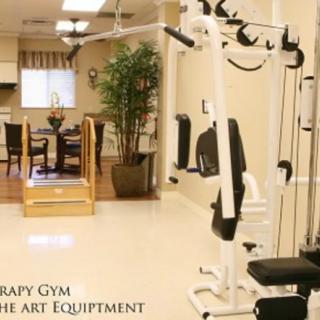
  • Fitness room Fitness roomHaving a fitness room in a senior living community is essential for seniors to stay active, maintain their physical health, and improve their overall well-being. Regular exercise can help prevent falls, reduce the risk of chronic diseases, and promote mental sharpness. It also provides social opportunities for residents to connect with others and enjoy a sense of community.
  • Fully furnished Fully furnishedFully furnished senior living communities are important for seniors because they provide convenience, comfort, and a hassle-free moving experience. Seniors can easily settle into their new living space without the stress of having to buy and move furniture. This allows them to focus on enjoying their new home and community.
  • Gaming room Gaming roomGaming rooms are important for seniors as they provide a fun and engaging environment for socializing, cognitive stimulation, and physical activity. Games can improve memory, problem-solving skills, and overall mental well-being while fostering friendships and reducing feelings of isolation.
  • Garden GardenGardens are important for seniors as they provide a peaceful and therapeutic environment for relaxation, physical activity, and socialization. Being in nature has been shown to reduce stress, improve mood, and promote overall well-being. Gardens also offer opportunities for seniors to engage in gardening activities, which can improve mobility, flexibility, and cognitive function. Additionally, gardens create a sense of community and connection with others who share a passion for plants and outdoor spaces.
  • Housekeeping services Housekeeping servicesHousekeeping services are important for seniors because they help maintain a clean and safe living environment, promote independence, and reduce the risk of accidents or illnesses. Additionally, having assistance with household chores can alleviate physical strain and allow seniors to focus on other aspects of their well-being.
  • Kitchenette KitchenetteKitchenettes are important for seniors living in senior living communities because they provide the convenience and independence of being able to prepare simple meals and snacks in the comfort of their own living space. This can help promote a sense of autonomy and well-being for seniors, allowing them to maintain some level of control over their dietary choices and daily routines.
  • Laundry LaundryLaundry services are important for seniors as they may have difficulty with physical tasks such as bending, lifting, or carrying heavy loads. Having access to laundry services can help seniors maintain personal hygiene, cleanliness, and independence in their daily lives.
  • Move-in coordination Move-in coordinationMove-in coordination is important for seniors because it helps ease the transition into their new living environment. It ensures that all logistics, such as packing, organizing movers, and setting up utilities are taken care of, allowing seniors to focus on settling in and adjusting to their new home. Having a smooth move-in process can alleviate stress and anxiety, making the transition smoother and more enjoyable for seniors.
  • Outdoor space Outdoor spaceOutdoor spaces are important for seniors as they provide opportunities for physical activity, social interaction, exposure to natural light and fresh air, and a sense of connection to nature. Having access to outdoor spaces can improve overall well-being and quality of life for older adults living in senior communities.
  • Private bathrooms Private bathroomsPrivate bathrooms are important for seniors in senior living communities because they provide independence, dignity, and comfort. Having a private bathroom allows seniors to maintain their personal hygiene routines without the need for assistance, promoting a sense of autonomy and privacy. Additionally, private bathrooms help prevent the spread of infections and provide a safe and clean environment for seniors to navigate safely.
  • Respite or short term stays offered Respite or short term stays offeredRespite or short term stays provide seniors with a temporary solution when their regular caregiver is unavailable, offering them the opportunity to receive additional care and support during times of need, while also giving caregivers a chance to rest and recharge.
  • Restaurant-style dining Restaurant-style diningRestaurant-style dining is important for seniors because it allows them to enjoy delicious, nutritious meals in a social and upscale setting. This enhances their dining experience, promotes healthy eating habits, and fosters socialization with fellow residents, ultimately contributing to their overall well-being and quality of life.
  • Small library Small librarySmall libraries are important for seniors as they provide access to a variety of reading materials, including books, newspapers, and magazines. This can help stimulate their minds, keep them engaged, and provide a sense of community through book clubs and other social activities. Additionally, reading has been shown to improve cognitive function and overall mental well-being in older adults.
  • Telephone TelephoneTelephones are important for seniors as they provide a lifeline for communication with loved ones, emergency services, and healthcare providers. They offer a sense of security and independence, enabling seniors to stay connected and access assistance when needed.
  • Wellness center Wellness centerWellness centers are important for seniors because they offer a variety of programs and services that promote physical, mental, and emotional well-being. These centers provide opportunities for exercise, socialization, education, and relaxation, helping seniors maintain their overall health and quality of life.
  • Wi-Fi/high-speed internet available Wi-Fi/high-speed internet availableWi-Fi/high-speed internet is important for seniors to stay connected with loved ones, access online resources, and participate in virtual activities to combat feelings of loneliness and isolation. It also allows them to easily manage healthcare needs, access entertainment, and engage in lifelong learning opportunities.

Transportation

  • Lambert-St Louis International (8 miles away) Lambert-St Louis International (8 miles away)
  • Community operated transportation Community operated transportationCommunity operated transportation is crucial for seniors as it provides them with the means to access essential services, social activities, and medical appointments. It allows seniors to maintain their independence and quality of life by ensuring they can participate in activities outside of their homes. Additionally, community-operated transportation services offer a safe and reliable way for seniors to travel without having to rely on family or friends for assistance.
  • Transportation arrangement Transportation arrangementTransportation arrangements are crucial for seniors as they may face challenges with driving, mobility, or access to public transportation. Having reliable transportation services ensures that seniors can easily attend appointments, social activities, and maintain their independence and quality of life.
  • Transportation arrangement (non-medical) Transportation arrangement (non-medical)Transportation arrangements are essential for seniors as they provide access to essential services, activities, and social interactions outside the home. This service helps maintain independence, mobility, and overall well-being for seniors who may have limited transportation options.

Care Services

  • 24-hour call system 24-hour call system24-hour call systems are important for seniors because they provide peace of mind and immediate assistance in case of emergencies. This technology ensures that help is always available, promoting safety and security for elderly individuals living alone or in assisted living facilities.
  • 24-hour supervision 24-hour supervision24-hour supervision is important for seniors to ensure their safety, well-being, and access to immediate assistance in case of emergencies or health issues. This constant support provides peace of mind for both seniors and their loved ones, allowing them to age in place with dignity and security.
  • Activities of daily living assistance Activities of daily living assistanceActivities of daily living assistance are important for seniors because they provide essential support with tasks such as eating, bathing, dressing, and mobility. This assistance helps seniors maintain their independence, dignity, and overall quality of life as they age.
  • Assistance with bathing Assistance with bathingAssistance with bathing is crucial for seniors as it helps maintain personal hygiene, prevents infections, and ensures their overall well-being and comfort. It also provides a sense of dignity and independence for seniors who may struggle with this task on their own.
  • Assistance with dressing Assistance with dressingAssistance with dressing is important for seniors because it helps maintain their independence, promotes personal hygiene, prevents accidents and injuries, and improves overall quality of life. This service ensures that seniors can continue to dress comfortably and confidently, despite any physical limitations they may have.
  • Assistance with transfers Assistance with transfersAssistance with transfers is crucial for seniors as it helps prevent falls and injuries, maintains their independence, and ensures they can safely navigate their living environment. It also provides peace of mind for both seniors and their loved ones.
  • Diabetes diet Diabetes dietA diabetes diet is crucial for seniors as it helps manage blood sugar levels, reduce risks of complications, and improve overall health and well-being. By following a balanced and nutritious diet tailored to their specific needs, seniors can better control their diabetes and enhance their quality of life.
  • Hospice care Hospice careHospice care is important for seniors as it provides specialized end-of-life support, pain management, and emotional comfort for both the senior and their loved ones. It allows seniors to maintain dignity, receive personalized care, and spend their remaining time in a peaceful and comfortable environment.
  • Meal preparation and service Meal preparation and serviceMeal preparation and service are crucial for seniors as they may have limited mobility or energy to cook nutritious meals. Having access to healthy and convenient food options can ensure they are getting the proper nutrition needed to maintain their overall health and well-being.
  • Medication management Medication managementMedication management is crucial for seniors to ensure they are taking the right medications at the correct dosages and times. This helps prevent adverse drug interactions, reduces the risk of medication errors, and promotes overall health and well-being. Proactive management also allows for adjustments as needed based on changing health conditions or new prescriptions.
  • Physical therapy Physical therapyPhysical therapy is essential for seniors to maintain and improve their mobility, strength, and overall quality of life. It helps reduce pain, prevent falls, and enhance independence in daily activities. By promoting movement and function, physical therapy can help seniors stay active, healthy, and engaged in their communities.
  • Special dietary restrictions Special dietary restrictionsSpecial dietary restrictions are important for seniors because age-related changes in metabolism and health conditions can make it difficult for their bodies to process certain foods. By following a diet tailored to their specific needs, seniors can maintain their overall health and well-being, manage chronic conditions, and reduce the risk of complications such as malnutrition or food interactions with medications.

Dining

  • Diabetes diet Diabetes dietA diabetes diet is crucial for seniors as it helps manage blood sugar levels, reduce risks of complications, and improve overall health and well-being. By following a balanced and nutritious diet tailored to their specific needs, seniors can better control their diabetes and enhance their quality of life.
  • Special dietary restrictions Special dietary restrictionsSpecial dietary restrictions are important for seniors because age-related changes in metabolism and health conditions can make it difficult for their bodies to process certain foods. By following a diet tailored to their specific needs, seniors can maintain their overall health and well-being, manage chronic conditions, and reduce the risk of complications such as malnutrition or food interactions with medications.

Activities

  • Community-sponsored activities Community-sponsored activitiesCommunity-sponsored activities are important for seniors as they provide opportunities for social interaction, mental stimulation, and physical activity. These activities can help improve overall well-being, combat loneliness and isolation, and promote a sense of belonging and purpose among older adults.
  • Concierge services Concierge servicesConcierge services are essential for seniors as they provide assistance with daily tasks and errands, enhance their quality of life by offering convenience and personalized care, and promote a sense of safety and security.
  • Fitness programs Fitness programsFitness programs are crucial for seniors as they help improve strength, flexibility, balance, and overall well-being. Staying active can reduce the risk of chronic diseases, improve mental health, and enhance quality of life in older adults.
  • Planned day trips Planned day tripsPlanned day trips are important for seniors because they offer opportunities for socialization, mental stimulation, and physical activity. They provide a change of scenery and help seniors stay engaged and connected to their community, promoting overall well-being and quality of life.
  • Religious services Religious servicesReligious services provide seniors with a sense of community, support, and spiritual fulfillment, which can improve their overall well-being and mental health. It also offers them opportunities for socialization and connection with others who share their beliefs.
  • Resident-run activities Resident-run activitiesResident-run activities are important for seniors as they encourage social interaction, creativity, and a sense of autonomy. These activities empower seniors to stay engaged and active in their community while fostering meaningful connections with their peers.
  • Scheduled daily activities Scheduled daily activitiesScheduled daily activities are important for seniors because they provide structure, socialization, mental stimulation, and physical activity. Engaging in regular activities can improve overall well-being and quality of life for seniors living in a community setting.

Languages Spoken

  • English EnglishEnglish is important for seniors as it allows them to communicate effectively with healthcare providers, understand important information related to their health and medications, stay connected with loved ones, and engage in social activities within their communities. It also opens up opportunities for lifelong learning and intellectual stimulation.

Description

Mount Carmel Senior Living in Saint Charles, MO offers a comprehensive range of care services and amenities for seniors. This continuing care retirement community (CCRC) provides various options for senior living, including independent living, memory care, respite care, and skilled nursing facility.

The housing option at Mount Carmel Senior Living consists of studio apartments that are fully furnished with private bathrooms and kitchenettes. The community ensures the comfort and convenience of its residents by providing housekeeping services and move-in coordination.

Residents can enjoy numerous amenities within the community, such as a beauty salon for their grooming needs, a fitness room to maintain an active lifestyle, a gaming room for entertainment purposes, and a small library to indulge in reading. The dining experience at Mount Carmel is exceptional with restaurant-style dining available. Special dietary restrictions are catered to ensure that all residents' needs are met. Wi-Fi/high-speed internet is also accessible throughout the community.

Care services provided include 24-hour supervision, assistance with daily activities such as bathing and dressing, medication management, physical therapy sessions, and transportation arrangement for non-medical purposes. Hospice care is also available for those in need.

Residents can engage in a variety of activities offered by the community. Concierge services are available to assist residents with planning day trips or participating in resident-run activities. Fitness programs help promote an active lifestyle among residents. Religious services are also offered within the community.

Located conveniently near multiple amenities, Mount Carmel Senior Living ensures that residents have access to nearby cafes, parks, pharmacies, physicians, restaurants, places of worship, theaters, and hospitals.

Overall, Mount Carmel Senior Living provides a vibrant assisted living community that addresses the diverse needs of seniors while offering them a comfortable and fulfilling lifestyle surrounded by excellent care and amenities.

Nearby Places of Interest

Restaurants

  • Raising Cane's Chicken Fingers (0.3 miles)
  • McDonald's (0.8 miles)
  • Nacho's Fresh Mex (1 miles)
  • Gingham's Homestyle Restaurant (1.3 miles)
  • McDonald's (1.9 miles)
  • Dave & Buster's (2.4 miles)
  • White Castle (2.5 miles)

Pharmacies

  • Schnucks (0.3 miles)
  • CVS Pharmacy (0.4 miles)
  • Walgreens (0.8 miles)
  • Walgreens (1.8 miles)
  • Schnucks (1.9 miles)
  • Dierbergs (2.1 miles)
  • Walgreens (2.8 miles)

Hospitals

  • St Joseph's Hospital (0.7 miles)
  • DePaul Health Center - Emergency Room (4.1 miles)
  • DePaul Hospital (4.1 miles)
  • Barnes Jewish Medical Building (4.5 miles)
  • Barnes-Jewish West County Hospital (7.6 miles)

Parks

  • Frontier Park (0.9 miles)
  • Blanchette Memorial Hall (1.2 miles)
  • Vogt Brothers Park (2.2 miles)
  • Kwanis Park (2.6 miles)
  • Schaefer Park (3.8 miles)
  • Creve Coeur Park (4.1 miles)
  • Faust Park (8.5 miles)

Physicians

  • Walsh, Martin Ssm Health Outpatient Center Veterans Memorial Parkway (1.1 miles)
  • Professional Building 1 (4.5 miles)
  • Advanced Bone & Joint formerly St Peters Bone & Joint (5.1 miles)
  • Clarkson Eyecare (7 miles)
  • SSM Family Medicine (7.4 miles)
  • Ssm St Joseph Medical Park (7.4 miles)

Theaters

  • AMC Streets Of St Charles 8 (1.3 miles)
  • Marcus Theatres (2.2 miles)

Places of Worship

  • St Cletus Catholic Church (2.5 miles)
  • Jungs Station Baptist Church (4.5 miles)
  • Harvester Nazarene NMI (4.5 miles)

Cafes

  • Sugar Beans Coffee House (3.7 miles)
  • Panera Bread (7.3 miles)
  • Starbucks (8.5 miles)

Transportation

  • Terminal 1 (7.5 miles)
  • Terminal 1 Passenger Pickup (7.5 miles)
  • St. Louis Lambert International Airport (STL) (7.6 miles)
  • TSA PreCheck A Gates (7.6 miles)
  • TSA Security Checkpoint Gates C & D (7.6 miles)
  • Budget Rent A Car (8 miles)
  • Hertz Rent A Car (8.1 miles)

Frequently Asked Questions

What floor plans and room types does Mount Carmel Senior Living offer?
Where is Mount Carmel Senior Living?
Does Mount Carmel Senior Living provide care for residents with dementia or Alzheimer's disease?
What photos are available for Mount Carmel Senior Living in Saint Charles, Missouri?

Nearby Communities

  • Cedarhurst of St. Charles

    Cedarhurst of St. Charles

    Saint Charles, MO

    4.3 from 172 reviews
    $3,250 to $5,750 / month

    pro Clean, welcoming environment with friendly staff and engaging activities.

  • Mount Carmel at St Charles

    Mount Carmel at St Charles

    Saint Charles, MO

    3.6 from 68 reviews
    $4,100 to $4,800 / month

    pro Strong staff communication, quality meals, and engaging activities.

  • Jaycee Fairgrounds Village

    Jaycee Fairgrounds Village

    St. Charles, MO

    4.1 from 57 reviews
     

    pro Peaceful, well-appointed assisted living with on-site activities, indoor common areas, and staff trained in diabetic care.

  • Lewis & Clark Gardens

    Lewis & Clark Gardens

    Saint Charles, MO

    2.8 from 31 reviews
     

    pro Extensive on-site amenities and comprehensive care services.

  • Comfort Keepers

    Comfort Keepers

    St. Charles, MO


    pro Excellent access to dining, parks, healthcare, worship, theaters, and hospitals nearby.

  • St Roberts Adult Day Program

    St Roberts Adult Day Program

    St. Charles, MO

     
    $3,000 / month

    pro Affordable rate with convenient access to amenities and healthcare.

  • Fairwinds - River's Edge

    Fairwinds - River's Edge

    Saint Charles, MI

    4.5 from 76 reviews
    $3,995 to $4,930 / month

    pro Friendly staff and an active, well-maintained community.

  • NHC Healthcare - St Charles

    NHC Healthcare - St Charles

    Saint Charles, MO

    3.7 from 43 reviews
     

    pro Attentive staff, clean facilities, and engaging activities.

  • Villas of St. Charles

    Villas of St. Charles

    Saint Charles, MO

     
    $1,500 / month

    pro Affordable 1-bedroom pricing with convenient access to parks, dining, and healthcare.

Related Resources

  • does my mom have dementia quizFive Subtle Dementia Indicators to Observe: An In-Depth Guide to Understanding “Does My Mom Have Dementia?”

    The article presents five subtle indicators of dementia, such as memory lapses and mood swings, to help families assess cognitive decline in loved ones. It emphasizes early detection, open communication, and seeking professional help while providing practical support steps.

  • dementia paranoiaDementia, Paranoia, and Caregiver Guidance: Understanding the Connection

    Dementia encompasses progressive neurological disorders that impair cognitive functions and can lead to paranoia due to cognitive decline and emotional changes. The article discusses the triggers of paranoia in dementia, caregiver strategies for managing it, and the importance of distinguishing between dementia-related paranoia and other psychiatric conditions.

  • memory care activitiesEngaging Memory Care Activities That Enhance Quality of Life

    Memory care activities are essential for improving the quality of life of seniors with cognitive impairments, as they stimulate cognitive function, promote well-being, and encourage social interaction through tailored strategies. These activities combine structured exercises with spontaneous tasks, sensory engagement, physical workouts, creative pursuits, and intergenerational interactions to enhance emotional connection and a sense of purpose.