
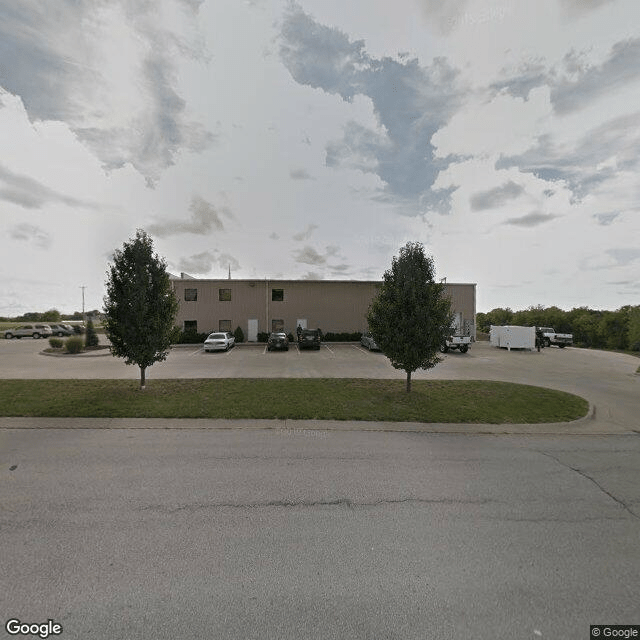
1525 N 7 Highway Suite 103, Pleasant Hill, MO 64080
To contact a resident: (816) 540-2499
For more information about senior living options: (866) 208-4318
Overall Review of Home Instead - Pleasant Hill, MO
Pros
 Kerri Brunnel is described as a caring and genuine person.
- The care given to the mother in the last stages of Alzheimer's is tender, loving, and compassionate.
- The administration and caregivers demonstrate strong teamwork and a united goal to provide extraordinary care with gentleness and love.
- The services are professional, caring, and dependable, and are highly recommended by families.
- The caregiver assigned to the mother has put the family at ease, and the mother adores her.
- Home Instead helps keep loved ones at home longer, with caregivers who feel like family.
- The staff attended the mother’s passing and remained a comforting, familial presence for the family.
Cons
 They had a most unpleasant experience with this Senior Care Agency.
- They found another agency that was much easier to work with and much friendlier.
- They noted that other agencies were far more professional.
Review
Home Instead in Pleasant Hill, MO is best suited for families who want to keep a loved one at home while receiving deeply compassionate, dementia-focused support. The reviews consistently emphasize a caregiver network that is tender, genuine, and deeply invested in the person’s comfort and safety. A standout feature is the way administration and caregivers operate as a unified team, delivering care that often feels like an extension of the family. For families navigating late-stage Alzheimer’s or ongoing memory care, the emphasis on gentleness, continuity, and personal connection translates into not just help with daily tasks but real reassurance that a loved one is known and valued in familiar surroundings.
That said, certain circumstances warrant considering alternatives. If a family is seeking a highly structured facility where supervision is constant on-site and activities are centralized, a traditional assisted living option may be a better fit. Those who prefer a more streamlined onboarding and pricing process, or who want less hands-on involvement in caregiver matching, might encounter a shorter learning curve with another agency or a different model of care. The one-star feedback in the roster serves as a caution: not every experience aligns with the ideal of a seamless, stress-free setup, and some families have found alternatives easier or more congenial to work with.
The strongest positives, the individualized caregiver matching, the trusted word-of-mouth from health professionals, and the ability to keep a loved one at home longer, often offset the potential drawbacks. Clients repeatedly credit staff for turning care into a living manifestation of family support: caregivers who are trusted by the family, who genuinely connect with the client, and who bring consistency to the daily routine. The value is reinforced by stories of caregivers who are adored by the person receiving care, and by accounts of staff showing up for hospital visits and end-of-life moments, underscoring a level of dedication that goes beyond routine tasks. When these factors align, the care feels durable, not transactional.
Practically, families should lean into transparency and matching discipline to maximize success. Schedule time with the primary contact, often cited is Kerri Brunnel, to set clear expectations, introduce the care team, and outline the plan for dementia-specific needs. Request details on caregiver handoffs and backup coverage to prevent gaps, and insist on ongoing oversight from the administration so adjustments can be made if the client’s needs shift. The strongest testimonials note a long-standing relationship with caregivers who stay with the family over time, which minimizes disruption and builds trust. Families should also verify how costs are structured and what “return value” means in their specific contract, since price and value occurred as a meaningful point in several reviews.
From a value perspective, Home Instead Pleasant Hill delivers a compelling offer for in-home dementia care. The ability to extend independence at home, coupled with a cost profile that many reviewers describe as favorable, makes this option attractive for families prioritizing dignity and familiarity over a facility setting. Yet the decision hinges on alignment: when a family desires constant on-site supervision, more turnkey processes, or a facility environment with a consistent intake experience, alternatives warrant serious consideration. The single negative review serves as a reminder that organizational fit matters, what works beautifully for one family may not land the same way for another.
In the end, this community stands out as a prudent, strong choice for families who want compassionate, home-based dementia care delivered by a dedicated team that treats clients like family. The endorsements around caregiver reliability, interwoven administration–caregiver collaboration, and a proven track record of keeping loved ones at home support a confident recommendation for those seeking intimate, personalized support. For families weighing options, the verdict is practical: choose this route if the priority is heartfelt, hands-on care in a familiar setting; consider alternatives if a more standardized, facility-based experience, or a smoother onboarding path, is essential to peace of mind.



 California's Form 602A: An In-Depth Examination of Senior Care Assessment
 Comprehensive Look at Senior Blood Pressure Charts: Normal and Elevated Levels by Age
 Top Canine Companions for Older Adults