
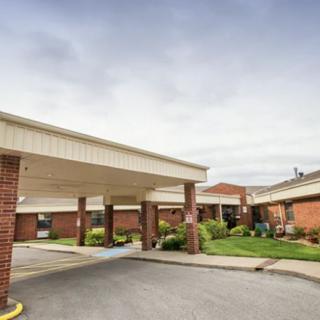
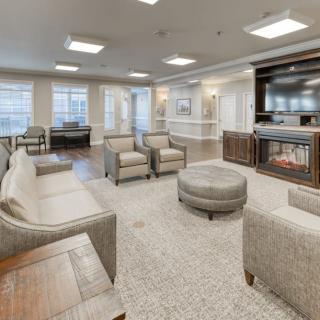
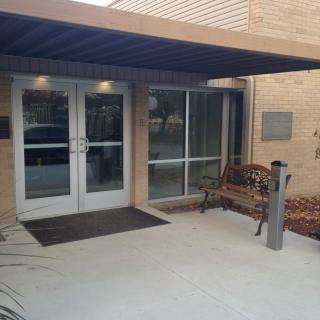
Bristol Manor 2124 Highridge Pleasant Hill, MO, Pleasant Hill, MO 64080
For more information about senior living options: (866) 208-4318
Overall Review of Bristol Manor - Pleasant Hill
Pros
 The family is thankful and hopeful about the care their mom and mother-in-law received during their stay at Bristol.
- They state that the caregivers did a great job.
- The mother was thankful for the care.
- They extend blessings to the staff for helping with their mom and mother-in-law.
Cons
 The company is described as caring only about money and not about its employees or residents.
- The owners are seen as controversial and have allegedly gotten away with everything for a long time.
- The place is not recommended; the website looks professional and caring, but that is where it ends.
- The staff are accused of ignoring months of efforts to improve the quality of care.
- The conditions are filthy.
- The staff are incompetent.
- The food is inadequate in both quality and quantity.
- The management is untrained.
- The residents are constantly ignored.
- There is a stated intention to report the facility to the state.
Review
Bristol Manor in Pleasant Hill is best suited for families that must balance budget with hands-on oversight, and for residents who only need light assistance. It can work as a low-cost, minimally supervised option for someone who can tolerate irregularities in daily care and who has family members prepared to be deeply involved in monitoring routines. For seniors with substantial care needs, or for those who expect a consistently clean environment, prompt responses, and well-trained, dependable staff, this community is unlikely to meet the mark. In short, this option serves best as a cautionary first stop for families prepared to supervise care closely, rather than a turnkey solution.
Families considering alternatives should prioritize operators with proven staffing stability, rigorous cleanliness standards, and transparent management. If reliable daily oversight, timely communication, and predictable mealtime and activity routines are essential, it is wise to look elsewhere. Residents who require robust medical oversight, consistent nutritional quality, or a consistently respectful climate should keep searching. The current mix suggests that a move toward a higher-performing facility will likely yield tangible gains in safety, dignity, and daily satisfaction.
The positive signals in a couple of reviews indicate that when dedicated staff are on site, genuine care can emerge. One family expressed gratitude for help with Mom and Mother-in-Law, noting kindness and effective support in moments of need. Those glimpses of competent, compassionate care demonstrate what the community is capable of under the right conditions. Yet such moments appear sporadic against a backdrop of recurring concerns: residents described as ignored, staff labeled incompetent, and management described as untrained. The contrast reveals a pattern rather than an exception, meaning the strongest praise cannot reliably offset the most pervasive drawbacks.
The dominant drawbacks revolve around trust, safety, and daily quality. Reports of filthy conditions, inadequate food in both quality and quantity, and a sense that residentsā€™ needs are deprioritized translate into a fragile living environment. The charge that the facility is money-focused undercuts confidence that basic needs, cleanliness, timely assistance, and respectful treatment, will be consistently met. Management gaps amplify these issues, creating a cycle of overlooked concerns and slow or absent response to problems. When care is this uneven, the risk to dignity and well-being becomes a defining constraint, and the few positive episodes lose their protective value.
For a practical decision, plan a rigorous evaluation checklist: insist on recent state inspection records and any corrective actions, tour with a critical eye toward hygiene and infrastructure, and request candid conversations with both caregiving staff and the administrator. Require a clear, written care plan for the loved one, including anticipated response times, night-shift coverage, medication handling, and escalation procedures. Observe interactions between staff and residents, and seek references from other families about consistency and reliability. Set up a framework for frequent visits, insist on measurable staffing benchmarks, and demand transparent menus and activity schedules. If the facility cannot commit to demonstrable improvements, be prepared to pivot promptly.
In the end, Bristol Manor Pleasant Hill presents a high-stakes choice. It is unlikely to satisfy families seeking steady, high-quality daily care, consistently clean surroundings, and professional, well-supported staff. It may, however, fit a scenario where cost is the primary constraint and family oversight can be sustained with regular monitoring. If choosing this community, enter with a concrete oversight plan, explicit expectations, and a readiness to transition to a more reliable option should problems persist. For most families prioritizing safety, dignity, and predictability, exploring other options with proven staffing stability and documented quality standards will yield a healthier long-term arrangement.
 21 resident community capacity
 Assisted Living
 Beauty salon
 Cable or satellite TV
 Dining room
 Fully furnished
 Garden
 Housekeeping services
 Kitchenette
 Move-in coordination
 Outdoor space
 Restaurant-style dining
 Small library
 Telephone
 Wi-Fi/high-speed internet available
 24-hour call system
 Activities of daily living assistance
 Assistance with bathing
 Assistance with dressing
 Assistance with transfers
 Diabetes diet
 Medication management
 Mental wellness program
 Special dietary restrictions





 Senior Transition Services: Understanding Their Role, Cost, and Importance
 Exploring the Path to Senior Living: A Comprehensive Look at Independent Living and Assisted Living
 Is Assisted Living Deductible on Your Taxes? Understanding the Complexities of Assisted Living Expenses and Deductions