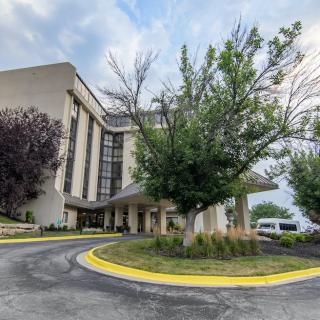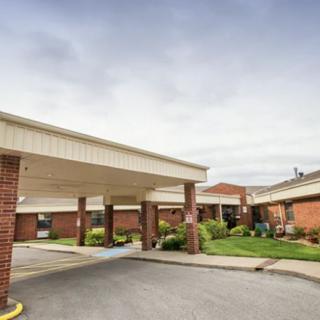
Bristol Manor of Pleasant Hill

Save
Bristol Manor of Pleasant Hill Bristol Manor of Pleasant Hill

Bristol Manor of Pleasant Hill

2124 Highridge Drive, Pleasant Hill, MO 64080

For more information about senior living options: (844) 490-3973

3.1 from 21 reviews
5 stars
4
4 stars
8
3 stars
1
2 stars
2
1 stars
6

Assisted Living Day Program Independent Living

Bristol Manor of Pleasant Hill Costs & Pricing

Bristol Manor of Pleasant Hill offers competitive pricing for its residents, particularly when compared to average costs in Johnson County and across Missouri. For a studio apartment, the monthly rate at Bristol Manor is $2,030, significantly lower than the county average of $2,578 and even more so compared to the state average of $3,418. Similarly, the one-bedroom option at Bristol Manor is priced at $3,030, which is again considerably less than the county's average of $4,761 while remaining slightly above the state average of $3,349. These rates reflect Bristol Manor's commitment to providing affordable living options without compromising on quality care or comfort for its residents.

Floor plansBristol Manor of Pleasant HillJohnson CountyMissouri
Studio$2,030$2,578$3,418
1 Bedroom$3,030$4,761$3,349

Overall Review of Bristol Manor of Pleasant Hill

Pros

  • pro Wonderful Senior Living community. Beautiful building with tons of activities for the residents. Warm and caring staff!
  • pro The in-person tour experience was great.
  • pro Admin is a great person.
  • pro There was good interaction between the staff and residents during a tour.
  • pro My mother seems comfortable and content after a couple weeks, and she actually likes the food and the staff.

Cons

  • pro The reviewers claim the owners care only about money and neglect employees and residents.
  • pro They would not send loved ones there because residents are not fed properly, rooms are not cleaned, and laundry is not done.
  • pro Management is described as inexperienced and unable to manage money, with turnover and new staff who don't know what they're doing.
  • pro There is persistent management turnover and frequent rule changes that upset residents.
  • pro Corporate is said to promise action but nothing gets done.
  • pro The facility is filthy and housekeeping is inconsistent; repairs take too long or are never completed.
  • pro Food quality and quantity are inadequate; meals rely on cheap items and essential dietary needs (e.g., diabetic-friendly meals) are not met.
  • pro Staffing is insufficient with high turnover; often one person handles multiple tasks.
  • pro Residents are ignored by staff; there are few activities and some areas are off-limits; residents have no say in meal planning.
  • pro Staff are described as mean or yelling at residents, with instances of mistreatment.
  • pro The tour described no room availability, suggesting overcapacity or poor management of admissions.
  • pro During the pandemic, families could not visit, contributing to resident isolation.

Review

A broad collection of impressions about Bristol Manor of Pleasant Hill reveals a strikingly mixed set of experiences. On one hand, some reviewers describe a warm, supportive environment with caring staff and a facility that feels like a family atmosphere. On the other hand, a substantial portion of comments centers on serious concerns about management, resident care, nutrition, cleanliness, and communication. Several families emphasize that the problem wasn't merely occasional lapses but systemic issues that seem to persist over time, even as individual interactions occasionally show promise.

A dominant thread across many reviews is worry about management and ownership. Several commenters portray the company as primarily money-driven, implying that residents and staff are secondary concerns. They urge others to research the owners and question how authorities have allowed certain practices to continue. Frequent mentions of management turnover contribute to a sense of instability; one reviewer notes "one will say one thing and another will say another," which makes adherence to rules and routines feel inconsistent. There are accusations that district and corporate leadership respond to issues but never take meaningful action, leaving families frustrated and residents feeling neglected. In some accounts, the impression is that leadership changes, and the resulting shifting policies, create confusion and tension among residents and their families.

Care quality and day-to-day operations emerge as another major area of concern. Multiple reviews allege that residents are not fed properly, rooms are not cleaned, and laundry is not done. Some accounts describe an overwhelmed staff with too few hands on deck - one person handling cleaning, cooking, and other duties all at once. There are complaints about neglect or inattentiveness toward residents, and in some cases, residents or families took it upon themselves to intervene or escalate concerns to state agencies. The recurring sense is that staffing shortages and high turnover undermine consistency in care, routines, and responsiveness to urgent needs.

Nutrition and meal quality figure prominently in several reviews. Commenters detail meals that seem inappropriate for residents with diabetes or other health needs, with specific criticisms that diabetic dietary requirements aren't met and that portions or food quality are lacking. A number of reviewers describe menus dominated by inexpensive, low-nutrition options - hot dogs, fried foods, fish sticks, and generic chips - paired with limited fruit and vegetables. Some residents report satisfaction with certain meals or with the warmth of some staff, but the overarching tone is that nutrition could be much stronger given the costs associated with care. A few family members do point to improvements or positive experiences with staff or meals after a period of adjustment, but the majority emphasize a need for more robust, health-conscious food service practices.

Resident life and activities are another point of contention. Several reviews report limited activities and a lack of meaningful engagement opportunities for residents beyond occasional events like bingo. Some comments note that certain common areas are off-limits or that residents feel restricted in voicing opinions about care and routines. The pandemic era is cited as a factor limiting in-person visits, which some families felt exacerbated feelings of isolation. Conversely, there are mentions of attempts to maintain a "family-type environment," and a few reviewers do acknowledge moments of warmth and connection, especially when staff interact positively with residents during tours or daily activities.

Cleanliness, repairs, and the physical environment appear in many comments as well. Some reviewers report clean facilities with well-maintained spaces and positive first impressions from tours. Others describe filthy conditions, dirty carpets, neglected bathrooms, and delays in repairs that stretch for weeks or longer. The sense of inconsistency is strong: some days or areas seem reasonably well-kept, while others fall short of acceptable standards. Several families mention that housekeeping and maintenance responsiveness varies widely, reinforcing a perception that the facility's upkeep depends on who is in charge at any given time.

There are pockets of praise and gratitude that stand in contrast to the heavier critiques. A few reviewers describe encounters with Admin or other staff as highly positive, calling out genuine care and supportive communication. Some families report their loved ones feeling comfortable and content after an initial adjustment period, appreciating the staff's kindness and the overall cleanliness or safety they experience at times. These positive notes are often framed as reminders that not every interaction or report is uniformly negative, and that experiences can evolve over time.

Taken together, the reviews paint Bristol Manor of Pleasant Hill as a facility with real strengths in certain moments and with serious, persistent challenges in others. The consistent themes center on management instability and its ripple effects on staffing, care quality, and resident experience; concerns about nutrition and meal planning; questions about the adequacy of activities and social engagement; and mixed signals about the cleanliness and maintenance of the building. For families evaluating the community, the messages suggest a cautious approach: inquire deeply about current leadership, staffing levels, and meal programs; request a transparent outline of resident rights, visitation policies, and care plans; and, if possible, seek first-hand updates from multiple residents or families to gauge whether the day-to-day reality aligns with the family's expectations and needs. The range of experiences also hints at potential for positive, person-centered care in the right circumstances, though such moments may be irregular without systemic improvements.

Features

Types of Care

  • Assisted Living Assisted LivingAssisted living facilities provide crucial support and care for seniors who may need help with daily tasks such as medication management, bathing, and meal preparation. These communities offer a safe and comfortable environment where seniors can maintain their independence while receiving the assistance they need to thrive in their golden years.
  • Day Program Day ProgramDay programs are important for seniors because they provide a safe and supportive environment where older adults can socialize, engage in activities, receive assistance with daily tasks, and access valuable resources and services. These programs help prevent isolation and loneliness, promote mental and physical well-being, and offer a sense of purpose and community for seniors.
  • Independent Living Independent LivingIndependent living communities are important for seniors because they offer a safe and supportive environment where older adults can live independently while still having access to amenities and services that enhance their quality of life. These communities provide social opportunities, recreational activities, and assistance with daily tasks, promoting overall well-being and allowing seniors to maintain their independence for as long as possible.

Pets

  • Cats allowed Cats allowed"Pet friendly" senior living communities are important for seniors because pets provide companionship, reduce feelings of loneliness and depression, promote physical activity and mental stimulation, and offer a sense of purpose and responsibility. Pets can improve overall well-being and quality of life for seniors in many ways.
  • Dogs allowed Dogs allowed"Pet friendly" senior living communities are important for seniors because pets provide companionship, reduce feelings of loneliness and depression, promote physical activity and mental stimulation, and offer a sense of purpose and responsibility. Pets can improve overall well-being and quality of life for seniors in many ways.

Amenities

  • Activities on-site Activities on-siteActivities on-site are important for seniors because they provide opportunities for socialization, mental stimulation, physical activity, and overall well-being. Engaging in activities can help seniors stay active, maintain their independence, and improve their quality of life.
  • Air-conditioning Air-conditioningAir conditioning is important for seniors as they are more vulnerable to heat-related illnesses and may have underlying health conditions that make it difficult for them to regulate their body temperature. It helps to keep them comfortable, safe, and healthy in hot weather.
  • Devotional services off-site Devotional services off-siteDevotional services off-site are important for seniors as they provide spiritual nourishment, social engagement, and a sense of community outside of the senior living facility. This can enhance overall well-being and help combat feelings of isolation and loneliness often experienced by older adults.
  • Devotional services on-site Devotional services on-siteDevotional services on-site provide seniors with spiritual support and a sense of community, as well as an opportunity for reflection and guidance during their senior living experience. This can promote emotional well-being and connection to others, leading to a more fulfilling and enriching lifestyle in their later years.
  • Ground floor units Ground floor unitsGround floor units are important for seniors because they provide easy accessibility, reduced risk of falls and injuries, and convenience for those with mobility issues. Seniors can avoid climbing stairs or using elevators, making daily tasks and activities more manageable and enjoyable.
  • Indoor common areas Indoor common areasIndoor common areas are crucial for seniors as they provide a space for socialization, recreation, and community engagement, promoting overall well-being and reducing feelings of isolation and loneliness.
  • Outdoor common areas Outdoor common areasOutdoor common areas are important for seniors as they provide a space for socialization, physical activity, and relaxation. Being outside in nature can improve mood and overall well-being, while also encouraging movement and engagement with others. These spaces can help combat feelings of isolation and promote a sense of community among residents.
  • Respite or short term stays offered Respite or short term stays offeredRespite or short term stays provide seniors with a temporary solution when their regular caregiver is unavailable, offering them the opportunity to receive additional care and support during times of need, while also giving caregivers a chance to rest and recharge.

Care Services

  • Ambulatory care Ambulatory care"Ambulatory care services provide essential medical support and treatment to seniors without requiring hospitalization, allowing them to maintain their independence and quality of life while managing chronic conditions or receiving routine medical care."
  • Diabetic care Diabetic careDiabetic care is crucial for seniors as they are more susceptible to developing diabetes due to aging and other health conditions. Proper management of diabetes can help prevent complications such as heart disease, vision loss, and nerve damage, improving the overall quality of life for seniors in senior living communities.
  • Incontinence care Incontinence careIncontinence care is essential for seniors to maintain their dignity, hygiene, and overall quality of life. By addressing incontinence issues promptly and effectively, seniors can enjoy a sense of independence and comfort in their daily activities.
  • Medication management Medication managementMedication management is crucial for seniors to ensure they are taking the right medications at the correct dosages and times. This helps prevent adverse drug interactions, reduces the risk of medication errors, and promotes overall health and well-being. Proactive management also allows for adjustments as needed based on changing health conditions or new prescriptions.

Dining

  • Guest meals Guest mealsGuest meals are important for seniors living in senior living communities because they provide an opportunity for socialization and companionship. Sharing a meal with friends, family, or new acquaintances can help combat feelings of loneliness and isolation, promote a sense of community, and enhance overall well-being. Additionally, guest meals allow seniors to enjoy delicious food in a comfortable setting without the hassle of cooking or cleaning up, making dining a pleasurable and stress-free experience.
  • Meals provided Meals provided"Meals provided" are crucial for seniors in assisted living communities as it ensures they have access to nutritious, balanced meals without the stress of meal planning and preparation. This can help promote overall health and well-being for seniors who may have limited mobility or cognitive abilities.

Activities

  • Activities on-site Activities on-siteActivities on-site are important for seniors because they provide opportunities for socialization, mental stimulation, physical activity, and overall well-being. Engaging in activities can help seniors stay active, maintain their independence, and improve their quality of life.
  • Art classes Art classesArt classes are important for seniors because they provide a creative outlet, improve cognitive function, reduce stress and anxiety, promote socialization, and enhance overall well-being and quality of life.
  • BBQs or picnics BBQs or picnicsBBQs or picnics provide seniors with social interaction, enjoyment of the outdoors, and a sense of community, contributing to their overall well-being and quality of life.
  • Birthday parties Birthday partiesBirthday parties are important for seniors as they provide an opportunity for celebration, socialization, and joy. They allow seniors to feel special and appreciated, boosting their mood and overall well-being. Additionally, birthday parties can help combat feelings of isolation and loneliness by fostering connections with friends, family, and community members.
  • Devotional activities offsite Devotional activities offsiteDevotional activities offsite are important for seniors because they provide social engagement, spiritual growth, and a sense of community outside of their living environment. This can improve overall well-being, mental health, and combat feelings of isolation or loneliness.
  • Devotional activities on-site Devotional activities on-siteDevotional activities on-site provide seniors with a sense of community, spiritual fulfillment, and emotional support, promoting overall well-being and a positive sense of purpose in their lives.
  • Holiday parties Holiday partiesHoliday parties are important for seniors because they provide opportunities for socialization, community involvement, and mental stimulation. These festive events offer a sense of belonging and connection during a time that can be lonely for many older adults. Additionally, participating in holiday celebrations can boost mood and overall well-being for seniors living in senior living communities.
  • Stretching classes Stretching classesStretching classes are important for seniors because they help improve flexibility, reduce the risk of injury, and promote overall health and well-being. Regular stretching can also help alleviate joint pain and stiffness, enhance balance and coordination, and increase range of motion.
  • Yoga / chair yoga Yoga / chair yogaYoga and chair yoga are important for seniors as they promote flexibility, balance, strength, and overall wellbeing. These practices can help improve mobility, reduce stress, and enhance mental clarity, ultimately leading to a higher quality of life in their senior years.

Description

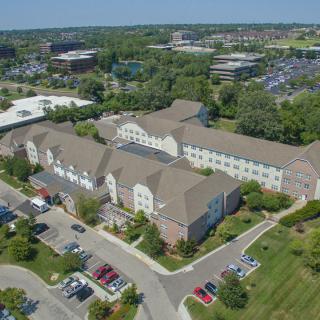
Bristol Manor of Pleasant Hill is a vibrant and welcoming assisted living community located in Pleasant Hill, MO. Our community offers a range of care services, including a day program and independent living options.

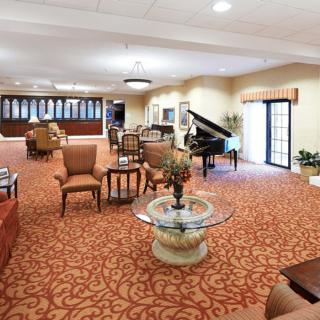
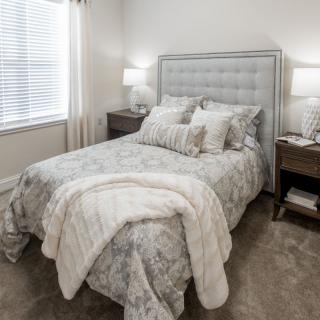
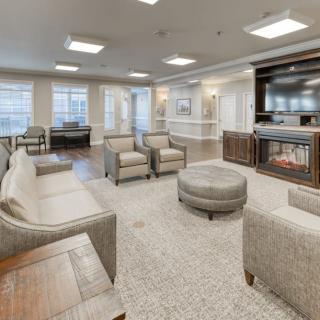
Our residents can enjoy comfortable living quarters with air-conditioning and access to ground floor units. We have spacious indoor common areas where residents can socialize and engage in various activities. Additionally, our outdoor common areas provide an excellent space for enjoying fresh air and outdoor relaxation.

We understand the importance of spiritual well-being, which is why we offer both devotional services on-site and off-site. Our goal is to cater to the diverse needs of our residents.

At Bristol Manor of Pleasant Hill, we prioritize our residents' health and well-being. Our dedicated staff provides diabetic care, incontinence care, and medication management to ensure that our residents receive the personalized assistance they need.

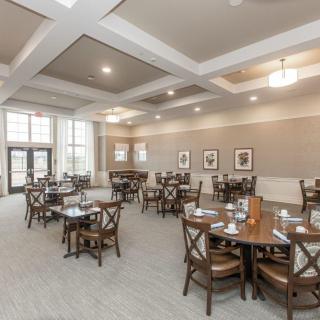
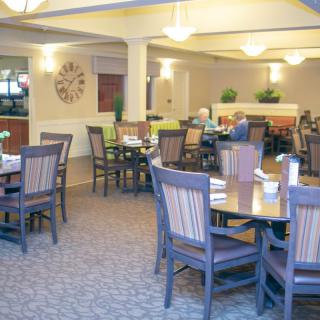
Dining at our community is a delightful experience as nutritious meals are provided for every resident. We believe that good food plays a vital role in maintaining overall wellness.

To keep our residents engaged and active, we organize various activities such as art classes, BBQs or picnics, birthday parties, devotional activities both on-site and off-site, holiday parties, stretching classes, yoga sessions or chair yoga.

Convenience is key at Bristol Manor of Pleasant Hill. We are conveniently located near two pharmacies, one physician's office, two restaurants, transportation services, and places of worship.

Come join our warm and caring community at Bristol Manor of Pleasant Hill where your loved ones will receive the support they need while enjoying an enriching lifestyle.

Nearby Places of Interest

This part of Pleasant Hill, Missouri, offers a variety of amenities and services that cater to seniors. With multiple pharmacies in close proximity, access to medications and healthcare is convenient. Nearby physicians and medical clinics provide quality healthcare options for routine check-ups and specialized care. In terms of recreation, there are several parks where seniors can enjoy nature and stay active. Additionally, there are restaurants, cafes, and theaters for entertainment options. For those seeking spiritual fulfillment, there are various places of worship within driving distance. Hospitals are also easily accessible for any emergency medical needs. Overall, this area provides a well-rounded environment for seniors looking to live comfortably with access to essential services and recreational activities.

Pharmacies

  • Good Neighbor Pharmacy (0.3 miles)
  • Pleasant Hill Drug Store (0.8 miles)
  • Walmart Pharmacy (6.6 miles)
  • Walgreens (7.5 miles)
  • Walgreens (7.9 miles)
  • CVS Pharmacy (8 miles)
  • CVS Pharmacy (9.4 miles)

Physicians

  • Pleasant Hill Medical Clinic (0.6 miles)
  • Orson Eye Care (6.6 miles)
  • Family Health Specialists of Lee's Summit (7 miles)
  • Women's Center at Lee's Summit (7 miles)
  • Midwest Heart and Vascular Specialists - Lee's Summit (7 miles)
  • ENT Associates of Greater Kansas City (7 miles)
  • Fresenius Medical Group (7.2 miles)

Transportation

  • U-Haul Neighborhood Dealer (0.8 miles)

Places of Worship

  • Reverb Student Ministries (1.1 miles)
  • Abundant Life Baptist Church (8.3 miles)
  • First Assembly Of God (8.7 miles)
  • Kingsville Baptist Church (8.8 miles)
  • Timothy Lutheran Ministries (10.5 miles)
  • Harrisonville United Methodist Church (11.2 miles)
  • United Methodist Church, Family Life Center (11.2 miles)

Restaurants

  • Sonic Drive-In (1.6 miles)
  • McDonald's (1.8 miles)
  • Arrowhead Yacht Club (5.1 miles)
  • Sonic Drive-In (6.1 miles)
  • Pizza Hut (6.6 miles)
  • Taco Bell (7.3 miles)
  • Wally's Grill & Drafthouse (7.3 miles)

Parks

  • Freedom Park (5.2 miles)
  • Happy Tails Park (6.7 miles)
  • Arbor Walk Park (7.9 miles)
  • Miller J Fields Park (7.9 miles)
  • Harris Park (8.5 miles)
  • Banner Park (8.7 miles)
  • Lea McKeighan Park (9.7 miles)

Cafes

  • Starbucks (8.6 miles)
  • Post Coffee Company (9.6 miles)
  • Panera Bread (10.2 miles)
  • BIng Coffee (11.3 miles)

Theaters

  • B&B Theatres Lee's Summit 16 (10.3 miles)

Hospitals

  • Saint Luke's East Hospital (10.7 miles)
  • Cass Regional Medical Center (11.7 miles)
  • Cass Medical Center (11.8 miles)

Frequently Asked Questions

How much does it cost to live at Bristol Manor of Pleasant Hill in Pleasant Hill, MO?
Where is Bristol Manor of Pleasant Hill?
Does Bristol Manor of Pleasant Hill allow residents to have pets?

Nearby Communities

Related Resources

  • assisted living vs skilled nursingExploring the Contrasts Between Assisted Living and Skilled Nursing

    The article compares assisted living and skilled nursing facilities, detailing their differing levels of assistance, medical support, cost structures, and day-to-day experiences. It emphasizes that assisted living is for those needing help with daily activities while maintaining independence, whereas skilled nursing facilities provide intensive medical care with 24-hour staff supervision.

  • when to move from assisted living to nursing home8 Key Indicators That Suggest It May Be Time to Transition from Assisted Living to Skilled Nursing Care

    The transition from assisted living to skilled nursing care is often prompted by complex medical needs that assisted living cannot meet, with key indicators including frequent health declines, increased falls, severe memory issues, and caregiver burnout. Families should recognize these signs early to discuss options with healthcare providers and prepare for the emotional and logistical aspects of moving to a facility that offers comprehensive medical support.

  • active senior livingVibrant Senior Living: A Comprehensive Guide for Active Older Adults

    Vibrant Senior Living emphasizes active senior living communities that promote independence and engagement through diverse amenities and activities, fostering wellness and social interaction among older adults. These communities range from independent to assisted living, with a focus on personal growth, family involvement, financial planning, and leveraging technology to enhance residents' experiences.