
Bristol Manor of Monroe City

Save
Bristol Manor of Monroe City Bristol Manor of Monroe City Bristol Manor of Monroe City

Bristol Manor of Monroe City

1017 E Lawn Street, Monroe City, MO 63456

For more information about senior living options: (844) 490-3973

4.3 from 10 reviews
5 stars
8
4 stars
0
3 stars
0
2 stars
1
1 stars
1

Assisted Living Board and Care Home Day Program Independent Living

Bristol Manor of Monroe City Costs & Pricing

Bristol Manor of Monroe City offers a competitive pricing structure for its residents, with monthly costs reflecting a thoughtful approach to affordability in comparison to both Ralls County and the broader state of Missouri. For example, a studio apartment at Bristol Manor is priced at $1,950 per month, which is slightly more economical than the county average of $1,990 and significantly lower than the statewide average of $3,418. Similarly, one-bedroom apartments are available for $2,950 per month - again undercutting the county's rate of $2,990 and offering substantial savings compared to Missouri's average of $3,349. This strategic pricing positions Bristol Manor as an attractive option for those seeking quality living arrangements without compromising their budget.

Floor plansBristol Manor of Monroe CityRalls CountyMissouri
Studio$1,950$1,990$3,418
1 Bedroom$2,950$2,990$3,349

Overall Review of Bristol Manor of Monroe City

Pros

  • pro They like it here.
  • pro It is excellent.
  • pro It is a nice affordable option with all private rooms.
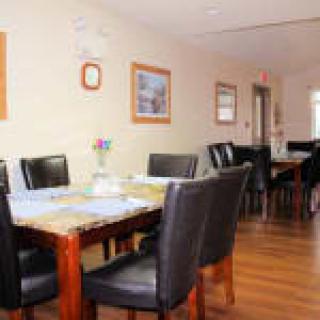
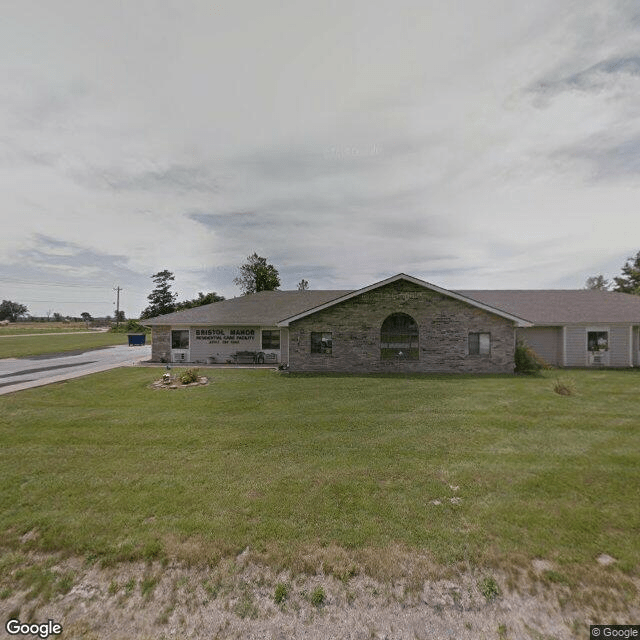
  • pro It is an amazing home that looks more like a home than a nursing facility.

Cons

  • pro The brother worked there for a few weeks and came home covered in bedbug bites.
  • pro The reviewer warned that a loved one should not be placed in this manor.
  • pro The facility claimed it did not offer a diabetic diet, despite saying it served a balanced diet.
  • pro The menu did not meet the reviewer's diabetic needs and raised concerns about blood sugar management.

Review

Bristol Manor of Monroe City is best suited for families seeking an affordable, privacy-forward option in a home-like setting for seniors with relatively modest care needs. The community emphasizes private rooms and a less institutional atmosphere, appealing to residents who value daily routines, dignity, and a familiar, residential feel over clinical surroundings. It works well for those who can manage routine assistance without requiring extensive medical therapies or high-level oversight. For families prioritizing strong clinical acuity, complex dementia programming, or highly structured medical support, alternative communities with deeper staffing and specialized services should be explored.

That said, several red flags warrant serious consideration. The most serious issue reflected in the reviews is a bed bug incident tied to a staff member's exposure, signaling potential lapses in pest management and resident safety. This is not a minor annoyance; it directly affects comfort, trust, and ongoing risk for residents who are already vulnerable. Another clear concern is dietary alignment: while the facility claims a balanced diet, at least one family notes that a diabetic-friendly plan was not provided, and the menu did not meet expectations for blood sugar control. For families with residents who require strict nutrition plans, this misalignment can undermine health goals and complicate day-to-day management.

The strongest positives are concrete and meaningful for many families. Private rooms are a standout feature, delivering sustained privacy and the opportunity to reduce exposure to others' routines and illnesses. The facility is described as looking and feeling like a home, a distinction that matters to residents who resist institutional vibes. Affordability is another practical advantage, enabling families to secure private accommodations without triggering excessive monthly costs. In short, for seniors who prize personal space, a welcoming ambiance, and predictable pricing over high-end amenities, Bristol Manor checks important boxes.

However, the drawbacks carry substantial weight. The bed bug report raises questions about ongoing maintenance quality, cleanliness standards, and responsiveness to safety concerns. Even if pest-control issues can be addressed, the perception of risk lingers and can erode confidence for families during and after the placement process. The dietary issue compounds the risk, particularly for residents with diabetes or dietary restrictions, and it points to a broader question about how well medical nutrition needs are integrated into daily care. When combined with mixed review signals, the experience can feel inconsistent, signaling that outcomes may vary markedly from one resident to the next.

Pros and cons meet in a way that favors certain profiles. For a resident who is largely independent and requires only routine assistance, the home-like setting, privacy, and cost savings can produce a high-quality daily experience. The absence of rigid institutionalism suits those who value autonomy and a calm, predictable environment. Yet the same features become liabilities if pest concerns recur or if tailored medical nutrition is nonnegotiable. Families must weigh the value of privacy and affordability against the potential for disruptive pest incidents and dietary mismatches. This is not a facility to choose on aesthetics alone; is secure, verifiable evidence of pest control and a robust dietary program present?

The discerning buyer should approach Bristol Manor with a precise checklist. Schedule a comprehensive tour focused on cleanliness protocols, current pest-management policy, and a documented plan for preventing infestations. Request copies of recent inspection or remediation records and talk to staff about routine housekeeping schedules. Probe the menu and nutrition options, specifically asking for diabetic-friendly choices, portion control, and how dietary plans are coordinated with medical orders. Speak with current residents or families about daily routines, response times, and overall perceived safety. If the answers demonstrate systematic control of pests and clear, proactive nutrition management, the community can be a pragmatic, cost-conscious choice. If not, families should pivot to facilities with stronger reputations for pest control, consistency in care quality, and explicit alignment of dietary programs with medical needs.

Features

Housing

  • 12 resident community capacity 12 resident community capacity

Types of Care

  • Assisted Living Assisted LivingAssisted living facilities provide crucial support and care for seniors who may need help with daily tasks such as medication management, bathing, and meal preparation. These communities offer a safe and comfortable environment where seniors can maintain their independence while receiving the assistance they need to thrive in their golden years.
  • Board and Care Home Board and Care HomeBoard and care homes provide a smaller, more intimate setting for seniors who require assistance with daily tasks but do not need the level of care offered by a nursing home. They offer personalized care, meals, and social activities in a homelike environment, ensuring that seniors receive individualized attention and support in their golden years.
  • Day Program Day ProgramDay programs are important for seniors because they provide a safe and supportive environment where older adults can socialize, engage in activities, receive assistance with daily tasks, and access valuable resources and services. These programs help prevent isolation and loneliness, promote mental and physical well-being, and offer a sense of purpose and community for seniors.
  • Independent Living Independent LivingIndependent living communities are important for seniors because they offer a safe and supportive environment where older adults can live independently while still having access to amenities and services that enhance their quality of life. These communities provide social opportunities, recreational activities, and assistance with daily tasks, promoting overall well-being and allowing seniors to maintain their independence for as long as possible.

Pets

  • Cats allowed Cats allowed"Pet friendly" senior living communities are important for seniors because pets provide companionship, reduce feelings of loneliness and depression, promote physical activity and mental stimulation, and offer a sense of purpose and responsibility. Pets can improve overall well-being and quality of life for seniors in many ways.
  • Dogs allowed Dogs allowed"Pet friendly" senior living communities are important for seniors because pets provide companionship, reduce feelings of loneliness and depression, promote physical activity and mental stimulation, and offer a sense of purpose and responsibility. Pets can improve overall well-being and quality of life for seniors in many ways.

Amenities

  • Activities on-site Activities on-siteActivities on-site are important for seniors because they provide opportunities for socialization, mental stimulation, physical activity, and overall well-being. Engaging in activities can help seniors stay active, maintain their independence, and improve their quality of life.
  • Air-conditioning Air-conditioningAir conditioning is important for seniors as they are more vulnerable to heat-related illnesses and may have underlying health conditions that make it difficult for them to regulate their body temperature. It helps to keep them comfortable, safe, and healthy in hot weather.
  • Cable or satellite TV Cable or satellite TVCable or satellite TV is important for seniors because it provides entertainment, news, and companionship, helping to combat loneliness and boredom. It also offers a wide range of programming options tailored to different interests and preferences.
  • Devotional services off-site Devotional services off-siteDevotional services off-site are important for seniors as they provide spiritual nourishment, social engagement, and a sense of community outside of the senior living facility. This can enhance overall well-being and help combat feelings of isolation and loneliness often experienced by older adults.
  • Devotional services on-site Devotional services on-siteDevotional services on-site provide seniors with spiritual support and a sense of community, as well as an opportunity for reflection and guidance during their senior living experience. This can promote emotional well-being and connection to others, leading to a more fulfilling and enriching lifestyle in their later years.
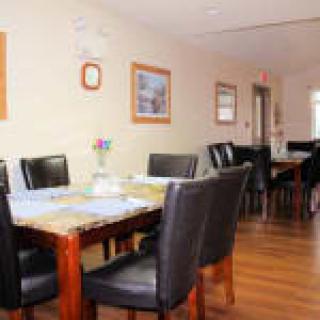
  • Dining room Dining roomDining rooms are important for seniors as they provide a space for socialization, connection, and nutritious meals. They offer opportunities for residents to bond over shared meals, foster a sense of community, and promote healthy eating habits. Dining rooms also ensure that seniors have access to well-balanced meals tailored to their dietary needs and preferences.
  • Fully furnished Fully furnishedFully furnished senior living communities are important for seniors because they provide convenience, comfort, and a hassle-free moving experience. Seniors can easily settle into their new living space without the stress of having to buy and move furniture. This allows them to focus on enjoying their new home and community.
  • Garden GardenGardens are important for seniors as they provide a peaceful and therapeutic environment for relaxation, physical activity, and socialization. Being in nature has been shown to reduce stress, improve mood, and promote overall well-being. Gardens also offer opportunities for seniors to engage in gardening activities, which can improve mobility, flexibility, and cognitive function. Additionally, gardens create a sense of community and connection with others who share a passion for plants and outdoor spaces.
  • Ground floor units Ground floor unitsGround floor units are important for seniors because they provide easy accessibility, reduced risk of falls and injuries, and convenience for those with mobility issues. Seniors can avoid climbing stairs or using elevators, making daily tasks and activities more manageable and enjoyable.
  • Housekeeping services Housekeeping servicesHousekeeping services are important for seniors because they help maintain a clean and safe living environment, promote independence, and reduce the risk of accidents or illnesses. Additionally, having assistance with household chores can alleviate physical strain and allow seniors to focus on other aspects of their well-being.
  • Indoor common areas Indoor common areasIndoor common areas are crucial for seniors as they provide a space for socialization, recreation, and community engagement, promoting overall well-being and reducing feelings of isolation and loneliness.
  • Move-in coordination Move-in coordinationMove-in coordination is important for seniors because it helps ease the transition into their new living environment. It ensures that all logistics, such as packing, organizing movers, and setting up utilities are taken care of, allowing seniors to focus on settling in and adjusting to their new home. Having a smooth move-in process can alleviate stress and anxiety, making the transition smoother and more enjoyable for seniors.
  • Outdoor common areas Outdoor common areasOutdoor common areas are important for seniors as they provide a space for socialization, physical activity, and relaxation. Being outside in nature can improve mood and overall well-being, while also encouraging movement and engagement with others. These spaces can help combat feelings of isolation and promote a sense of community among residents.
  • Outdoor space Outdoor spaceOutdoor spaces are important for seniors as they provide opportunities for physical activity, social interaction, exposure to natural light and fresh air, and a sense of connection to nature. Having access to outdoor spaces can improve overall well-being and quality of life for older adults living in senior communities.
  • Respite or short term stays offered Respite or short term stays offeredRespite or short term stays provide seniors with a temporary solution when their regular caregiver is unavailable, offering them the opportunity to receive additional care and support during times of need, while also giving caregivers a chance to rest and recharge.
  • Telephone TelephoneTelephones are important for seniors as they provide a lifeline for communication with loved ones, emergency services, and healthcare providers. They offer a sense of security and independence, enabling seniors to stay connected and access assistance when needed.
  • Wi-Fi/high-speed internet available Wi-Fi/high-speed internet availableWi-Fi/high-speed internet is important for seniors to stay connected with loved ones, access online resources, and participate in virtual activities to combat feelings of loneliness and isolation. It also allows them to easily manage healthcare needs, access entertainment, and engage in lifelong learning opportunities.

Care Services

  • 24-hour supervision 24-hour supervision24-hour supervision is important for seniors to ensure their safety, well-being, and access to immediate assistance in case of emergencies or health issues. This constant support provides peace of mind for both seniors and their loved ones, allowing them to age in place with dignity and security.
  • Activities of daily living assistance Activities of daily living assistanceActivities of daily living assistance are important for seniors because they provide essential support with tasks such as eating, bathing, dressing, and mobility. This assistance helps seniors maintain their independence, dignity, and overall quality of life as they age.
  • Ambulatory care Ambulatory care"Ambulatory care services provide essential medical support and treatment to seniors without requiring hospitalization, allowing them to maintain their independence and quality of life while managing chronic conditions or receiving routine medical care."
  • Assistance with bathing Assistance with bathingAssistance with bathing is crucial for seniors as it helps maintain personal hygiene, prevents infections, and ensures their overall well-being and comfort. It also provides a sense of dignity and independence for seniors who may struggle with this task on their own.
  • Assistance with dressing Assistance with dressingAssistance with dressing is important for seniors because it helps maintain their independence, promotes personal hygiene, prevents accidents and injuries, and improves overall quality of life. This service ensures that seniors can continue to dress comfortably and confidently, despite any physical limitations they may have.
  • Assistance with transfers Assistance with transfersAssistance with transfers is crucial for seniors as it helps prevent falls and injuries, maintains their independence, and ensures they can safely navigate their living environment. It also provides peace of mind for both seniors and their loved ones.
  • Coordination with health care providers Coordination with health care providersCoordination with health care providers is crucial for seniors to ensure proper medical care, medication management, and overall well-being. This collaboration helps prevent overlapping treatments, track progress more effectively, and provide comprehensive support tailored to individual needs.
  • Diabetes diet Diabetes dietA diabetes diet is crucial for seniors as it helps manage blood sugar levels, reduce risks of complications, and improve overall health and well-being. By following a balanced and nutritious diet tailored to their specific needs, seniors can better control their diabetes and enhance their quality of life.
  • Diabetic care Diabetic careDiabetic care is crucial for seniors as they are more susceptible to developing diabetes due to aging and other health conditions. Proper management of diabetes can help prevent complications such as heart disease, vision loss, and nerve damage, improving the overall quality of life for seniors in senior living communities.
  • Incontinence care Incontinence careIncontinence care is essential for seniors to maintain their dignity, hygiene, and overall quality of life. By addressing incontinence issues promptly and effectively, seniors can enjoy a sense of independence and comfort in their daily activities.
  • Meal preparation and service Meal preparation and serviceMeal preparation and service are crucial for seniors as they may have limited mobility or energy to cook nutritious meals. Having access to healthy and convenient food options can ensure they are getting the proper nutrition needed to maintain their overall health and well-being.
  • Medication management Medication managementMedication management is crucial for seniors to ensure they are taking the right medications at the correct dosages and times. This helps prevent adverse drug interactions, reduces the risk of medication errors, and promotes overall health and well-being. Proactive management also allows for adjustments as needed based on changing health conditions or new prescriptions.
  • Special dietary restrictions Special dietary restrictionsSpecial dietary restrictions are important for seniors because age-related changes in metabolism and health conditions can make it difficult for their bodies to process certain foods. By following a diet tailored to their specific needs, seniors can maintain their overall health and well-being, manage chronic conditions, and reduce the risk of complications such as malnutrition or food interactions with medications.
  • Transportation arrangement (medical) Transportation arrangement (medical)Transportation arrangements for medical purposes are essential for seniors as they may have difficulty driving themselves to appointments or accessing public transportation. Having reliable and safe transportation options ensures that seniors can receive timely medical care and maintain their health and well-being.
  • Transportation to doctors appointments Transportation to doctors appointmentsTransportation to doctors' appointments is crucial for seniors as it ensures they have access to necessary medical care and support for their health needs. Without reliable transportation, seniors may struggle to attend important appointments, leading to potential delays in treatment and health complications. Providing transportation services helps seniors maintain their overall well-being and quality of life.

Dining

  • Diabetes diet Diabetes dietA diabetes diet is crucial for seniors as it helps manage blood sugar levels, reduce risks of complications, and improve overall health and well-being. By following a balanced and nutritious diet tailored to their specific needs, seniors can better control their diabetes and enhance their quality of life.
  • Guest meals Guest mealsGuest meals are important for seniors living in senior living communities because they provide an opportunity for socialization and companionship. Sharing a meal with friends, family, or new acquaintances can help combat feelings of loneliness and isolation, promote a sense of community, and enhance overall well-being. Additionally, guest meals allow seniors to enjoy delicious food in a comfortable setting without the hassle of cooking or cleaning up, making dining a pleasurable and stress-free experience.
  • Meals provided Meals provided"Meals provided" are crucial for seniors in assisted living communities as it ensures they have access to nutritious, balanced meals without the stress of meal planning and preparation. This can help promote overall health and well-being for seniors who may have limited mobility or cognitive abilities.
  • No Sugar No SugarNo sugar diets are important for seniors because they can help prevent or manage chronic conditions such as diabetes, heart disease, and obesity. Sugar can also contribute to cognitive decline and inflammation in the body, so reducing sugar intake can lead to overall improved health and well-being in older adults.
  • Special dietary restrictions Special dietary restrictionsSpecial dietary restrictions are important for seniors because age-related changes in metabolism and health conditions can make it difficult for their bodies to process certain foods. By following a diet tailored to their specific needs, seniors can maintain their overall health and well-being, manage chronic conditions, and reduce the risk of complications such as malnutrition or food interactions with medications.

Activities

  • Activities on-site Activities on-siteActivities on-site are important for seniors because they provide opportunities for socialization, mental stimulation, physical activity, and overall well-being. Engaging in activities can help seniors stay active, maintain their independence, and improve their quality of life.
  • BBQs or picnics BBQs or picnicsBBQs or picnics provide seniors with social interaction, enjoyment of the outdoors, and a sense of community, contributing to their overall well-being and quality of life.
  • Birthday parties Birthday partiesBirthday parties are important for seniors as they provide an opportunity for celebration, socialization, and joy. They allow seniors to feel special and appreciated, boosting their mood and overall well-being. Additionally, birthday parties can help combat feelings of isolation and loneliness by fostering connections with friends, family, and community members.
  • Community-sponsored activities Community-sponsored activitiesCommunity-sponsored activities are important for seniors as they provide opportunities for social interaction, mental stimulation, and physical activity. These activities can help improve overall well-being, combat loneliness and isolation, and promote a sense of belonging and purpose among older adults.
  • Devotional activities offsite Devotional activities offsiteDevotional activities offsite are important for seniors because they provide social engagement, spiritual growth, and a sense of community outside of their living environment. This can improve overall well-being, mental health, and combat feelings of isolation or loneliness.
  • Devotional activities on-site Devotional activities on-siteDevotional activities on-site provide seniors with a sense of community, spiritual fulfillment, and emotional support, promoting overall well-being and a positive sense of purpose in their lives.
  • Holiday parties Holiday partiesHoliday parties are important for seniors because they provide opportunities for socialization, community involvement, and mental stimulation. These festive events offer a sense of belonging and connection during a time that can be lonely for many older adults. Additionally, participating in holiday celebrations can boost mood and overall well-being for seniors living in senior living communities.
  • Scheduled daily activities Scheduled daily activitiesScheduled daily activities are important for seniors because they provide structure, socialization, mental stimulation, and physical activity. Engaging in regular activities can improve overall well-being and quality of life for seniors living in a community setting.
  • Stretching classes Stretching classesStretching classes are important for seniors because they help improve flexibility, reduce the risk of injury, and promote overall health and well-being. Regular stretching can also help alleviate joint pain and stiffness, enhance balance and coordination, and increase range of motion.

Description

Bristol Manor of Monroe City in Monroe City, MO is a vibrant assisted living community offering a range of care services and amenities for seniors. Our community provides a warm and inviting environment for older adults who may require assistance with daily activities.

At Bristol Manor, we offer both a Day Program and Independent Living options to cater to the unique needs and preferences of each resident. Our community features air-conditioning throughout, ensuring comfortable living spaces even during hot summer months. Residents can enjoy devotional services both on-site and off-site, promoting spiritual well-being.

Ground floor units are available for easy accessibility, and our indoor and outdoor common areas provide gathering spaces for socializing or enjoying some fresh air. We also offer respite or short-term stays for individuals who may need temporary care.

Our dedicated staff provides specialized care services including diabetic care, incontinence care, and medication management. We strive to ensure that our residents receive the support they need while maintaining their independence.

Meals at Bristol Manor are provided, with an emphasis on no sugar options to accommodate residents with dietary restrictions. We also organize various activities and events such as BBQs or picnics, birthday parties, holiday parties, and stretching classes to keep our residents engaged and entertained.

Located in Monroe City, our community benefits from its proximity to parks, pharmacies, physicians' offices, restaurants, transportation options, and places of worship. This allows residents easy access to essential amenities and services within the neighborhood.

Bristol Manor of Monroe City is committed to promoting the overall wellbeing of our residents by providing quality care services in a comfortable setting. Come join our community where you can embrace independence while receiving exceptional support from our caring staff.

Nearby Places of Interest

Located in Monroe City, Missouri, this area offers a variety of amenities for seniors looking to settle down. With a selection of restaurants such as Hardee's, Dos Primos Mexican Restaurant, and Monroe Family Restaurant nearby, there are plenty of dining options to choose from. The proximity to pharmacies like Gosney Pharmacy and healthcare facilities such as Monroe City Family Practice and Hannibal Clinic ensures easy access to medical services. Additionally, the presence of places of worship like Our Savior Lutheran Church and transportation options like U-Haul Moving & Storage make it convenient for seniors to attend religious services and get around town. With parks like North Park and hospitals like Hannibal Regional Hospital Foundation in close distance, seniors can enjoy outdoor activities and have access to healthcare services. Overall, this part of Monroe City offers a peaceful and convenient setting for senior living.

Restaurants

  • Hardee's (0.4 miles)
  • Monroe Family Restaurant (0.6 miles)
  • Dos Primos Mexican Restaurant (0.7 miles)
  • Scoreboard (0.9 miles)
  • Scoreboard Bar & Grill (0.9 miles)
  • Frei-Pan (0.9 miles)
  • BK's Place (1 miles)

Pharmacies

  • Gosney Pharmacy (0.5 miles)
  • County Market (14.1 miles)
  • Best Buy Pharmacy Of Shelbina (17.4 miles)

Physicians

  • Monroe City Family Practice (0.5 miles)
  • Hannibal Clinic (1 miles)
  • Altman Dana DO (13.8 miles)
  • Mary Klingner MD (13.8 miles)
  • Palmyra Clinic (13.8 miles)
  • Hannibal Clinic (14 miles)
  • Midwest Orthopedic Specialists (14.8 miles)

Places of Worship

  • Promiseland Family Church (0.6 miles)
  • Promiseland Family Church (0.6 miles)
  • Our Savior Lutheran Church (1 miles)
  • Holy Rosary Church (1 miles)
  • Sisters Of St Dominic (1 miles)
  • Second Baptist Church (1 miles)
  • Promiseland Family Church (1.3 miles)

Transportation

  • Burlington Northern Railroad (0.8 miles)
  • U-Haul Moving & Storage (1 miles)
  • U-Haul Neighborhood Dealer (8.6 miles)
  • U-Haul Neighborhood Dealer (10.4 miles)
  • Black Creek Taxidermy (12.2 miles)
  • Radical Reflections Taxidermy (14.2 miles)
  • Kenny's Taxidermy (15.8 miles)

Parks

  • North Park (1.2 miles)
  • Frank Russell Recreation Area (8.8 miles)
  • Mark Twain Memorial State Park (10.1 miles)
  • Mark Twain Birthplace State Historic Site (11.8 miles)
  • Palmyra Parks & Recreation (14.3 miles)
  • Flower City Park (14.3 miles)
  • Hannibal Rocks Off Road Park (16.2 miles)

Hospitals

  • Hannibal Regional Hospital Foundation (6.7 miles)
  • Blessing Hospital (13.8 miles)
  • Hannibal Regional Hospital (14.8 miles)

Cafes

  • The Hootenanny Cafe (15.4 miles)
  • Mimi's Coffee House (15.6 miles)

Theaters

  • Hawkins Theatre (16.9 miles)

Frequently Asked Questions

How much does it cost to live at Bristol Manor of Monroe City in Monroe City, MO?
Where is Bristol Manor of Monroe City?
Does Bristol Manor of Monroe City allow residents to have pets?
What photos are available for Bristol Manor of Monroe City in Monroe City, Missouri?

Nearby Communities

  • Monroe City Manor Care Center

    Monroe City Manor Care Center

    Monroe City, MO

    3.4 from 9 reviews
     

    pro Comprehensive on-site amenities and care services (24/7 supervision, ADL assistance, medication management, diabetes diet, dining with special diets, transportation, fitness and wellness, beauty salon, library, and engaging activities).

  • Country Aire Estates

    Country Aire Estates

    Hannibal, MO


    pro Intimate 16-bed setting with 24-hour supervision and full ADL support.

  • Bristol Manor of Palmyra

    Bristol Manor of Palmyra

    Palmyra, MO

    4.7 from 24 reviews
    $2,030 to $3,030 / month

    pro Friendly staff in a clean, home-like setting with private rooms and home-cooked meals.

  • Bristol Manor - Palmyra

    Bristol Manor - Palmyra

    Palmyra, MO


    pro Small, personalized assisted living with furnished apartments, restaurant-style dining, 24/7 supervision, and diabetes-friendly meals.

  • Westview Nursing Home

    Westview Nursing Home

    Center, MO


    pro 24/7 supervision and broad on-site amenities.

  • Hillside Care Center

    Hillside Care Center

    Hannibal, MO


    pro 24/7 supervision and ADL support with on-site amenities.

  • Bradford Villa II

    Bradford Villa II

    Quincy, IL

    3.9 from 8 reviews
    $2,700 / month

    pro Home-like eight-resident setting with personalized, on-site owner/RN care.

Related Resources

  • does medicaid pay for assisted livingUnderstanding Medicaid Coverage for Assisted Living: A Comprehensive Guide

    The guide outlines the complexities of Medicaid coverage for assisted living, highlighting significant state-to-state variations, limited coverage often restricted to personal care services, and the existence of specialized waivers for certain needs like memory care. It advises families to consult local Medicaid offices for options while emphasizing the importance of understanding state-specific regulations and facility policies.

  • does medicaid pay for assisted livingHow and When Medicaid May Cover Assisted Living Costs

    Medicaid coverage for assisted living varies by state and is primarily available to low-income individuals, with eligibility dependent on strict income and asset limits. Some states offer HCBS waivers for specific services in assisted living, but families must generally cover room and board costs, and should verify facility acceptance of Medicaid while considering potential waiting lists.

  • assisted living waiver programA Detailed Exploration of Assisted Living Medicaid Waivers Across the United States

    Medicaid waivers for assisted living services provide vital support for seniors and individuals with disabilities in need of long-term care, with varying state-specific eligibility criteria and benefits. These waivers cover personal care and case management but often do not fully cover room and board, leading to waiting lists for many applicants.