Bristol Manor of Palmyra

Save
Bristol Manor of Palmyra Bristol Manor of Palmyra

Bristol Manor of Palmyra

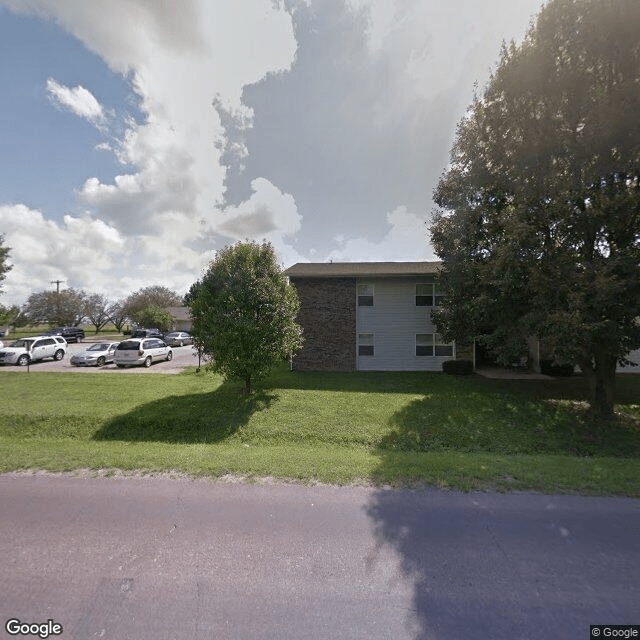
1815 S Main Street, Palmyra, MO 63461

For more information about senior living options: (844) 490-3973

4.7 from 24 reviews
5 stars
19
4 stars
4
3 stars
0
2 stars
0
1 stars
1

Assisted Living Board and Care Home Day Program Independent Living

Bristol Manor of Palmyra Costs & Pricing

Bristol Manor of Palmyra offers competitive pricing for its accommodations compared to both Ralls County and the broader state of Missouri. For a studio room, residents can expect to pay $2,030 per month, which is slightly higher than the county average of $1,990 but significantly more affordable than the state average of $3,418. Similarly, the one-bedroom option at Bristol Manor is priced at $3,030, aligning closely with the county rate of $2,990 while still being lower than the state's average cost of $3,349. This positioning reflects Bristol Manor's commitment to providing quality care at a reasonable price in a local context that balances affordability with excellent service.

Floor plansBristol Manor of PalmyraRalls CountyMissouri
Studio$2,030$1,990$3,418
1 Bedroom$3,030$2,990$3,349

Overall Review of Bristol Manor of Palmyra

Pros

  • pro The staff are all friendly.
  • pro They have a great little community that grows with a loving, down-to-earth living environment.
  • pro A clean, cheerful place with welcoming and friendly staff.
  • pro The facility is amazing, with a homey and cozy atmosphere.
  • pro All rooms include a private bathroom.
  • pro The administrator is extremely knowledgeable and warm, caring about residents and their families.
  • pro The meals are home-cooked.
  • pro The facility is clean and free of offensive odors.
  • pro The staff are wonderful and very involved with their residents; they take pride in what they do.

Cons

  • pro The manager Robb has no respect for his clients and their family.
  • pro Robb is unprofessional and has no right taking care of your family.
  • pro This place will not take care of your family.
  • pro My father did not like it there.
  • pro They were pretty much in lockdown.
  • pro He did not get along with the people there.
  • pro He is not ready for a nursing home.
  • pro He tried to run away.

Review

This community is best suited for families seeking a small, home-like assisted living option in Palmyra where residents are treated like family, daily life centers on warmth, and care feels personalized rather than institutional. It suits older adults who want to maintain some independence while receiving steady daily support, particularly those who value private rooms, home-cooked meals, and a welcoming, community-oriented atmosphere. It is not the right fit for households prioritizing intensive medical oversight or a setting with broader clinical programming. Families should also be aware that, while most experiences are highly positive, there have been isolated concerns about management that warrant careful vetting before deciding.

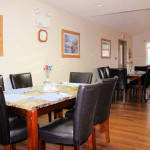
The standout strengths are the human-focused environment and the quality of daily life. Reviewers repeatedly highlight a clean, cheerful facility with a true "home away from home" feel, where staff are described as friendly, helpful, and deeply involved in residents' lives. Private bathrooms in every room are a notable plus in this small-facility setting, along with home-style meals and decor that contribute to a comfortable, non-institutional ambiance. The administrator is frequently praised for knowledge, warmth, and hands-on communication with families, which translates into proactive care and timely updates when issues arise.

Another clear advantage is the intimate scale. With a small number of residents, staff can deliver individualized attention, coordinate routines, and foster genuine relationships. Families repeatedly note that administrators and caregivers treat residents like family, celebrating holidays and special occasions, and that care plans reflect personal preferences. For residents who value a sense of belonging and predictability - while still preserving some autonomy - this environment often delivers measurable peace of mind: residents can participate, socialize, and receive supervision without feeling boxed into a clinical setting.

There are legitimate caveats to weigh. One review recounts a bitter incident involving a management leader, describing unprofessional conduct that led a family to leave quickly. While this appears to be an outlier, it underscores the importance of meeting the administrator, observing interactions with staff and residents, and confirming a consistent, respectful approach to family communications. Other accounts acknowledge the adjustment challenges some residents face, particularly when transitioning from living independently or during short-term rehab; the facility can feel more restrictive during recovery periods, and not every resident will embrace the change at first.

Overall, the pros - homey atmosphere, private rooms and meals that feel like home, hands-on administration, and strong family engagement - tend to offset most drawbacks for individuals who prioritize dignity, connection, and a low-key, supportive setting. The key trade-off is medical intensity: Bristol Manor excels at daily living support and social ties, but it is not a substitute for a skilled nursing environment with around-the-clock medical oversight. Families with high medical needs or who require frequent rehab supervision may want to explore nursing facilities or larger assisted living communities with more robust clinical programs.

In the final assessment, Bristol Manor of Palmyra stands out for families seeking a warmly intimate, neighborly home for an aging loved one who can enjoy independence with light assistance and daily companionship. It's highly appealing to those who value transparency, responsive communication, and a consistent, "you're part of the family" culture. For households prioritizing formal medical management, or who cannot tolerate potential leadership and policy inconsistencies, alternatives with stronger clinical infrastructure are worth a serious look. Prospective residents should schedule a tour, meet the administrator in person, and speak with current families to gauge whether the balance of warmth and care aligns with expectations and needs.

Features

Housing

  • 12 resident community capacity 12 resident community capacity

Types of Care

  • Assisted Living Assisted LivingAssisted living facilities provide crucial support and care for seniors who may need help with daily tasks such as medication management, bathing, and meal preparation. These communities offer a safe and comfortable environment where seniors can maintain their independence while receiving the assistance they need to thrive in their golden years.
  • Board and Care Home Board and Care HomeBoard and care homes provide a smaller, more intimate setting for seniors who require assistance with daily tasks but do not need the level of care offered by a nursing home. They offer personalized care, meals, and social activities in a homelike environment, ensuring that seniors receive individualized attention and support in their golden years.
  • Day Program Day ProgramDay programs are important for seniors because they provide a safe and supportive environment where older adults can socialize, engage in activities, receive assistance with daily tasks, and access valuable resources and services. These programs help prevent isolation and loneliness, promote mental and physical well-being, and offer a sense of purpose and community for seniors.
  • Independent Living Independent LivingIndependent living communities are important for seniors because they offer a safe and supportive environment where older adults can live independently while still having access to amenities and services that enhance their quality of life. These communities provide social opportunities, recreational activities, and assistance with daily tasks, promoting overall well-being and allowing seniors to maintain their independence for as long as possible.

Pets

  • Cats allowed Cats allowed"Pet friendly" senior living communities are important for seniors because pets provide companionship, reduce feelings of loneliness and depression, promote physical activity and mental stimulation, and offer a sense of purpose and responsibility. Pets can improve overall well-being and quality of life for seniors in many ways.
  • Dogs allowed Dogs allowed"Pet friendly" senior living communities are important for seniors because pets provide companionship, reduce feelings of loneliness and depression, promote physical activity and mental stimulation, and offer a sense of purpose and responsibility. Pets can improve overall well-being and quality of life for seniors in many ways.

Amenities

  • Activities on-site Activities on-siteActivities on-site are important for seniors because they provide opportunities for socialization, mental stimulation, physical activity, and overall well-being. Engaging in activities can help seniors stay active, maintain their independence, and improve their quality of life.
  • Air-conditioning Air-conditioningAir conditioning is important for seniors as they are more vulnerable to heat-related illnesses and may have underlying health conditions that make it difficult for them to regulate their body temperature. It helps to keep them comfortable, safe, and healthy in hot weather.
  • Cable or satellite TV Cable or satellite TVCable or satellite TV is important for seniors because it provides entertainment, news, and companionship, helping to combat loneliness and boredom. It also offers a wide range of programming options tailored to different interests and preferences.
  • Devotional services off-site Devotional services off-siteDevotional services off-site are important for seniors as they provide spiritual nourishment, social engagement, and a sense of community outside of the senior living facility. This can enhance overall well-being and help combat feelings of isolation and loneliness often experienced by older adults.
  • Devotional services on-site Devotional services on-siteDevotional services on-site provide seniors with spiritual support and a sense of community, as well as an opportunity for reflection and guidance during their senior living experience. This can promote emotional well-being and connection to others, leading to a more fulfilling and enriching lifestyle in their later years.
  • Dining room Dining roomDining rooms are important for seniors as they provide a space for socialization, connection, and nutritious meals. They offer opportunities for residents to bond over shared meals, foster a sense of community, and promote healthy eating habits. Dining rooms also ensure that seniors have access to well-balanced meals tailored to their dietary needs and preferences.
  • Fully furnished Fully furnishedFully furnished senior living communities are important for seniors because they provide convenience, comfort, and a hassle-free moving experience. Seniors can easily settle into their new living space without the stress of having to buy and move furniture. This allows them to focus on enjoying their new home and community.
  • Garden GardenGardens are important for seniors as they provide a peaceful and therapeutic environment for relaxation, physical activity, and socialization. Being in nature has been shown to reduce stress, improve mood, and promote overall well-being. Gardens also offer opportunities for seniors to engage in gardening activities, which can improve mobility, flexibility, and cognitive function. Additionally, gardens create a sense of community and connection with others who share a passion for plants and outdoor spaces.
  • Ground floor units Ground floor unitsGround floor units are important for seniors because they provide easy accessibility, reduced risk of falls and injuries, and convenience for those with mobility issues. Seniors can avoid climbing stairs or using elevators, making daily tasks and activities more manageable and enjoyable.
  • Housekeeping services Housekeeping servicesHousekeeping services are important for seniors because they help maintain a clean and safe living environment, promote independence, and reduce the risk of accidents or illnesses. Additionally, having assistance with household chores can alleviate physical strain and allow seniors to focus on other aspects of their well-being.
  • Indoor common areas Indoor common areasIndoor common areas are crucial for seniors as they provide a space for socialization, recreation, and community engagement, promoting overall well-being and reducing feelings of isolation and loneliness.
  • Move-in coordination Move-in coordinationMove-in coordination is important for seniors because it helps ease the transition into their new living environment. It ensures that all logistics, such as packing, organizing movers, and setting up utilities are taken care of, allowing seniors to focus on settling in and adjusting to their new home. Having a smooth move-in process can alleviate stress and anxiety, making the transition smoother and more enjoyable for seniors.
  • Outdoor common areas Outdoor common areasOutdoor common areas are important for seniors as they provide a space for socialization, physical activity, and relaxation. Being outside in nature can improve mood and overall well-being, while also encouraging movement and engagement with others. These spaces can help combat feelings of isolation and promote a sense of community among residents.
  • Outdoor space Outdoor spaceOutdoor spaces are important for seniors as they provide opportunities for physical activity, social interaction, exposure to natural light and fresh air, and a sense of connection to nature. Having access to outdoor spaces can improve overall well-being and quality of life for older adults living in senior communities.
  • Respite or short term stays offered Respite or short term stays offeredRespite or short term stays provide seniors with a temporary solution when their regular caregiver is unavailable, offering them the opportunity to receive additional care and support during times of need, while also giving caregivers a chance to rest and recharge.
  • Telephone TelephoneTelephones are important for seniors as they provide a lifeline for communication with loved ones, emergency services, and healthcare providers. They offer a sense of security and independence, enabling seniors to stay connected and access assistance when needed.
  • Wi-Fi/high-speed internet available Wi-Fi/high-speed internet availableWi-Fi/high-speed internet is important for seniors to stay connected with loved ones, access online resources, and participate in virtual activities to combat feelings of loneliness and isolation. It also allows them to easily manage healthcare needs, access entertainment, and engage in lifelong learning opportunities.

Care Services

  • 24-hour supervision 24-hour supervision24-hour supervision is important for seniors to ensure their safety, well-being, and access to immediate assistance in case of emergencies or health issues. This constant support provides peace of mind for both seniors and their loved ones, allowing them to age in place with dignity and security.
  • Activities of daily living assistance Activities of daily living assistanceActivities of daily living assistance are important for seniors because they provide essential support with tasks such as eating, bathing, dressing, and mobility. This assistance helps seniors maintain their independence, dignity, and overall quality of life as they age.
  • Ambulatory care Ambulatory care"Ambulatory care services provide essential medical support and treatment to seniors without requiring hospitalization, allowing them to maintain their independence and quality of life while managing chronic conditions or receiving routine medical care."
  • Assistance with bathing Assistance with bathingAssistance with bathing is crucial for seniors as it helps maintain personal hygiene, prevents infections, and ensures their overall well-being and comfort. It also provides a sense of dignity and independence for seniors who may struggle with this task on their own.
  • Assistance with dressing Assistance with dressingAssistance with dressing is important for seniors because it helps maintain their independence, promotes personal hygiene, prevents accidents and injuries, and improves overall quality of life. This service ensures that seniors can continue to dress comfortably and confidently, despite any physical limitations they may have.
  • Assistance with transfers Assistance with transfersAssistance with transfers is crucial for seniors as it helps prevent falls and injuries, maintains their independence, and ensures they can safely navigate their living environment. It also provides peace of mind for both seniors and their loved ones.
  • Coordination with health care providers Coordination with health care providersCoordination with health care providers is crucial for seniors to ensure proper medical care, medication management, and overall well-being. This collaboration helps prevent overlapping treatments, track progress more effectively, and provide comprehensive support tailored to individual needs.
  • Diabetes diet Diabetes dietA diabetes diet is crucial for seniors as it helps manage blood sugar levels, reduce risks of complications, and improve overall health and well-being. By following a balanced and nutritious diet tailored to their specific needs, seniors can better control their diabetes and enhance their quality of life.
  • Diabetic care Diabetic careDiabetic care is crucial for seniors as they are more susceptible to developing diabetes due to aging and other health conditions. Proper management of diabetes can help prevent complications such as heart disease, vision loss, and nerve damage, improving the overall quality of life for seniors in senior living communities.
  • Incontinence care Incontinence careIncontinence care is essential for seniors to maintain their dignity, hygiene, and overall quality of life. By addressing incontinence issues promptly and effectively, seniors can enjoy a sense of independence and comfort in their daily activities.
  • Meal preparation and service Meal preparation and serviceMeal preparation and service are crucial for seniors as they may have limited mobility or energy to cook nutritious meals. Having access to healthy and convenient food options can ensure they are getting the proper nutrition needed to maintain their overall health and well-being.
  • Medication management Medication managementMedication management is crucial for seniors to ensure they are taking the right medications at the correct dosages and times. This helps prevent adverse drug interactions, reduces the risk of medication errors, and promotes overall health and well-being. Proactive management also allows for adjustments as needed based on changing health conditions or new prescriptions.
  • Special dietary restrictions Special dietary restrictionsSpecial dietary restrictions are important for seniors because age-related changes in metabolism and health conditions can make it difficult for their bodies to process certain foods. By following a diet tailored to their specific needs, seniors can maintain their overall health and well-being, manage chronic conditions, and reduce the risk of complications such as malnutrition or food interactions with medications.
  • Transportation arrangement (medical) Transportation arrangement (medical)Transportation arrangements for medical purposes are essential for seniors as they may have difficulty driving themselves to appointments or accessing public transportation. Having reliable and safe transportation options ensures that seniors can receive timely medical care and maintain their health and well-being.
  • Transportation to doctors appointments Transportation to doctors appointmentsTransportation to doctors' appointments is crucial for seniors as it ensures they have access to necessary medical care and support for their health needs. Without reliable transportation, seniors may struggle to attend important appointments, leading to potential delays in treatment and health complications. Providing transportation services helps seniors maintain their overall well-being and quality of life.

Dining

  • Diabetes diet Diabetes dietA diabetes diet is crucial for seniors as it helps manage blood sugar levels, reduce risks of complications, and improve overall health and well-being. By following a balanced and nutritious diet tailored to their specific needs, seniors can better control their diabetes and enhance their quality of life.
  • Guest meals Guest mealsGuest meals are important for seniors living in senior living communities because they provide an opportunity for socialization and companionship. Sharing a meal with friends, family, or new acquaintances can help combat feelings of loneliness and isolation, promote a sense of community, and enhance overall well-being. Additionally, guest meals allow seniors to enjoy delicious food in a comfortable setting without the hassle of cooking or cleaning up, making dining a pleasurable and stress-free experience.
  • Meals provided Meals provided"Meals provided" are crucial for seniors in assisted living communities as it ensures they have access to nutritious, balanced meals without the stress of meal planning and preparation. This can help promote overall health and well-being for seniors who may have limited mobility or cognitive abilities.
  • No Sugar No SugarNo sugar diets are important for seniors because they can help prevent or manage chronic conditions such as diabetes, heart disease, and obesity. Sugar can also contribute to cognitive decline and inflammation in the body, so reducing sugar intake can lead to overall improved health and well-being in older adults.
  • Special dietary restrictions Special dietary restrictionsSpecial dietary restrictions are important for seniors because age-related changes in metabolism and health conditions can make it difficult for their bodies to process certain foods. By following a diet tailored to their specific needs, seniors can maintain their overall health and well-being, manage chronic conditions, and reduce the risk of complications such as malnutrition or food interactions with medications.

Activities

  • Activities on-site Activities on-siteActivities on-site are important for seniors because they provide opportunities for socialization, mental stimulation, physical activity, and overall well-being. Engaging in activities can help seniors stay active, maintain their independence, and improve their quality of life.
  • BBQs or picnics BBQs or picnicsBBQs or picnics provide seniors with social interaction, enjoyment of the outdoors, and a sense of community, contributing to their overall well-being and quality of life.
  • Birthday parties Birthday partiesBirthday parties are important for seniors as they provide an opportunity for celebration, socialization, and joy. They allow seniors to feel special and appreciated, boosting their mood and overall well-being. Additionally, birthday parties can help combat feelings of isolation and loneliness by fostering connections with friends, family, and community members.
  • Community-sponsored activities Community-sponsored activitiesCommunity-sponsored activities are important for seniors as they provide opportunities for social interaction, mental stimulation, and physical activity. These activities can help improve overall well-being, combat loneliness and isolation, and promote a sense of belonging and purpose among older adults.
  • Devotional activities offsite Devotional activities offsiteDevotional activities offsite are important for seniors because they provide social engagement, spiritual growth, and a sense of community outside of their living environment. This can improve overall well-being, mental health, and combat feelings of isolation or loneliness.
  • Devotional activities on-site Devotional activities on-siteDevotional activities on-site provide seniors with a sense of community, spiritual fulfillment, and emotional support, promoting overall well-being and a positive sense of purpose in their lives.
  • Holiday parties Holiday partiesHoliday parties are important for seniors because they provide opportunities for socialization, community involvement, and mental stimulation. These festive events offer a sense of belonging and connection during a time that can be lonely for many older adults. Additionally, participating in holiday celebrations can boost mood and overall well-being for seniors living in senior living communities.
  • Scheduled daily activities Scheduled daily activitiesScheduled daily activities are important for seniors because they provide structure, socialization, mental stimulation, and physical activity. Engaging in regular activities can improve overall well-being and quality of life for seniors living in a community setting.
  • Stretching classes Stretching classesStretching classes are important for seniors because they help improve flexibility, reduce the risk of injury, and promote overall health and well-being. Regular stretching can also help alleviate joint pain and stiffness, enhance balance and coordination, and increase range of motion.
  • Yoga / chair yoga Yoga / chair yogaYoga and chair yoga are important for seniors as they promote flexibility, balance, strength, and overall wellbeing. These practices can help improve mobility, reduce stress, and enhance mental clarity, ultimately leading to a higher quality of life in their senior years.

Description

Bristol Manor of Palmyra in Palmyra, MO is an assisted living community that offers a variety of care services and amenities to suit the needs of seniors. With both day program and independent living options available, residents can choose the level of care that works best for them.

The community provides comfortable accommodations with air-conditioning and ground floor units for easy accessibility. Indoor and outdoor common areas are available for socializing and relaxing, while devotional services can be enjoyed both on-site and off-site.

Bristol Manor of Palmyra also offers respite or short term stays for individuals who may need temporary care. The dedicated staff are trained in diabetic care, incontinence care, and medication management to ensure the well-being of all residents.

Meals at Bristol Manor are provided, with a special focus on catering to individuals with dietary restrictions such as no sugar. In addition to delicious meals, residents can participate in a variety of activities including BBQs or picnics, birthday parties, devotional activities, holiday parties, stretching classes, and yoga.

Convenience is key at Bristol Manor as there are parks, pharmacies, physicians, restaurants, transportation options, places of worship, and hospitals all located nearby. This ensures that residents have easy access to essential services and amenities within their community.

Overall, Bristol Manor of Palmyra offers a warm and inviting environment where seniors can receive the support they need while maintaining their independence and enjoying an active lifestyle.

Nearby Places of Interest

Located in Palmyra, Missouri, this area offers convenient access to medical facilities such as Blessing Hospital and numerous physicians' offices within a short distance. There are also a variety of dining options including Wendy's and El Nopal Mexican Restaurant, as well as pharmacies like County Market and Kroger Pharmacy for easy access to medications. Several places of worship are nearby, providing spiritual support for residents. In terms of transportation, there are options such as Alamo and U-Haul Neighborhood Dealer for those who may need rental services. Additionally, parks like Flower City Park and Huckleberry Park offer opportunities for outdoor recreation and relaxation. Cafes like Mimi's Coffee House provide a cozy atmosphere for socializing with friends or enjoying a quiet cup of coffee. This area provides a mix of amenities that cater to the needs of seniors looking for a comfortable and convenient living environment in Palmyra.

Hospitals

  • Blessing Hospital (0.2 miles)
  • Hannibal Regional Hospital (6.3 miles)
  • James R Nuessen DVM (11.9 miles)

Physicians

  • Altman Dana DO (0.2 miles)
  • Mary Klingner MD (0.2 miles)
  • Palmyra Clinic (0.2 miles)
  • Northeast Missouri Ambulatory Surgery Center (6.3 miles)
  • Arif A Bari (6.4 miles)
  • Hannibal Regional Medical Group (6.4 miles)
  • Riverside Dermatology (6.6 miles)

Restaurants

  • Wendy's (0.6 miles)
  • El Nopal Mexican Restaurant (0.6 miles)
  • Happy China (1.2 miles)
  • Joe's Diner West (6.2 miles)
  • Fiddlestik Food & Spirits (6.8 miles)
  • Jet's Palace (7.8 miles)
  • Pizza Hut (7.9 miles)

Pharmacies

  • County Market (0.6 miles)
  • Kroger Pharmacy (8 miles)
  • CVS Pharmacy (8.4 miles)
  • Walgreens (8.4 miles)
  • Grand Pharmacy (9.3 miles)
  • Maxwell Pharmacy (10 miles)

Places of Worship

  • First Christian Church (1.1 miles)
  • Immanuel Lutheran Church (5.4 miles)
  • Providence Baptist Church (5.6 miles)
  • Southern Baptist Convention (6.7 miles)
  • Clover Road Christian Church (6.8 miles)
  • Standing On The Rock Ministry (7.8 miles)
  • Big Creek Presbyterian Church (8 miles)

Transportation

  • Radical Reflections Taxidermy (1.2 miles)
  • Alamo (8.5 miles)
  • Budget Truck Rental (8.9 miles)
  • U-Haul Neighborhood Dealer (9.5 miles)
  • Diamond Cab & Coaches (12.2 miles)

Parks

  • Palmyra Parks & Recreation (1.5 miles)
  • Flower City Park (1.6 miles)
  • Mississippi Overlook (8.7 miles)
  • Huckleberry Park (9.2 miles)
  • Lover's Leap (10 miles)
  • Edgewater Park (11.8 miles)
  • Quincy Park District (11.9 miles)

Cafes

  • Mimi's Coffee House (6.7 miles)
  • La Azotea Lounge (10 miles)

Frequently Asked Questions

How much does it cost to live at Bristol Manor of Palmyra in Palmyra, MO?
Where is Bristol Manor of Palmyra?
Does Bristol Manor of Palmyra allow residents to have pets?

Nearby Communities

  • Bristol Manor - Palmyra

    Bristol Manor - Palmyra

    Palmyra, MO

    2.5 from 2 reviews
     

    pro Small, personalized assisted living with furnished apartments, restaurant-style dining, 24/7 supervision, and diabetes-friendly meals.


  • Hillside Care Center

    Hillside Care Center

    Hannibal, MO

    5 from 1 review
     

    pro 24/7 supervision and ADL support with on-site amenities.

  • Omega House II

    Omega House II

    Hannibal, MO

    5 from 2 reviews
     

    pro Small, intimate setting with 24/7 supervision and comprehensive care.

  • Omega House I

    Omega House I

    Hannibal, MO

    5 from 2 reviews
     

    pro Small, home-like facility with comprehensive care and on-site medication management.

  • Country Aire Estates

    Country Aire Estates

    Hannibal, MO


    pro Intimate 16-bed setting with 24-hour supervision and full ADL support.

  • HRT Lodge

    HRT Lodge

    Hannibal, MO


    pro Comprehensive assisted living with diabetic care, on-site activities, indoor common areas, and easy access to nearby services.

  • Bradford Villa II

    Bradford Villa II

    Quincy, IL

    3.9 from 8 reviews
    $2,700 / month

    pro Home-like eight-resident setting with personalized, on-site owner/RN care.

  • Maple Grove Lodge

    Maple Grove Lodge

    Louisiana, MO

    3.1 from 12 reviews
     

    pro Caring staff, clean environment, Medicaid support, and a variety of activities.

  • Golden Good Shepherd Home

    Golden Good Shepherd Home

    Golden, IL


    pro Fully furnished apartments with restaurant-style dining, 24/7 staff, and engaging activities.

Related Resources

  • active senior livingVibrant Senior Living: A Comprehensive Guide for Active Older Adults

    Vibrant Senior Living emphasizes active senior living communities that promote independence and engagement through diverse amenities and activities, fostering wellness and social interaction among older adults. These communities range from independent to assisted living, with a focus on personal growth, family involvement, financial planning, and leveraging technology to enhance residents' experiences.

  • when to move from assisted living to memory careWhen to Transition from Assisted Living to Memory Care: Key Indicators, Steps, and Finding the Right Community

    Transitioning from assisted living to memory care is driven by an individual's cognitive decline and specific needs, requiring careful evaluation of indicators like increased confusion and wandering. The process involves consulting medical professionals, researching suitable communities, considering financial and legal aspects, and ensuring effective communication for personalized care plans.

  • assisted living vs memory careAssisted Living and Memory Care: Understanding Their Core Differences

    Assisted living provides moderate support for seniors seeking independence, while memory care offers specialized support for individuals with dementia or cognitive impairments through structured routines and trained staff. Key differences include care approaches, environment security measures, staff training levels, activity types, and cost considerations.