
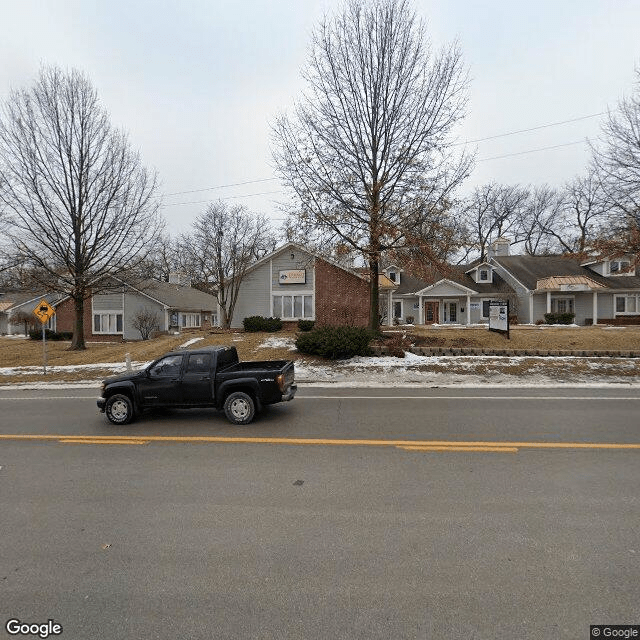
517 SE 2nd Street Suite B, Lee's Summit, MO 64063
To contact a resident: (816) 272-5741
For more information about senior living options: (866) 208-4318
Overall Review of Senior Helpers - Lee's Summit, MO
Pros
 Senior Helpers provides superior service.
- The owners’ communication and attentiveness are wonderful for addressing needs.
- They deliver very good care from delightful staff.
- The caregiving team is compassionate, professional, and dedicated to understanding needs.
- The caregivers are highly skilled, kind, and patient.
- They provide daily living assistance, medication reminders, and companionship, greatly improving quality of life.
- The office communication is seamless; they are responsive and willing to adjust care plans.
- They give families peace of mind knowing loved ones are in good hands.
- They become part of the family.
- Lisa and the Senior Helpers team are amazing to work with.
- The staff are professional, courteous, and genuinely care about the patient and family unit.
- They come highly recommended by clients.
Cons
 It was a daunting task for them to find the right home care assistance for their mother.
- They had previously dealt with another company that had continual staff changes, which proved difficult for their elderly mother.
Review
Senior Helpers in Lee’s Summit is best suited for families that want reliable, compassionate in-home support so an aging loved one can remain at home with daily living help, medication reminders, and meaningful companionship. The program excels for seniors who need a consistent care partner, flexible scheduling, and a care plan that can shift as health status changes. When hospice or end-of-life support is part of the picture, the team’s ability to coordinate transitions and keep family members informed becomes a decisive asset. In short, this community serves households seeking dependable, person-centered home care rather than a campus-based environment.
Those with high-acuity needs that demand around-the-clock medical supervision or a formal memory-care setting should consider alternatives. If 24/7 on-site nursing, a structured campus with dedicated memory-care programming, or immediate access to hospital-level oversight is essential, a traditional assisted living or memory-care facility may be more appropriate. Families facing frequent hospitalizations or complex medication regimens might find a facility-based option provides the ongoing medical oversight and integrated support that home care cannot guarantee. Home care can remain a meaningful component, but the intensity of care required may outgrow what at-home services alone can sustain.
The strongest selling points are the people and the process. Caregivers are repeatedly described as highly skilled, genuinely kind, and remarkably patient, with families noting that staff become like members of the family. Office communication is consistently praised for responsiveness and clarity, and care plans are readily adjusted as needs evolve. Scheduling flexibility stands out, hours can be reconfigured to accommodate health improvements or transitions from rehab to home, and trusted caregivers often stay with the same client for extended periods, delivering continuity that reduces anxiety for both seniors and their families. End-of-life care is delivered with dignity and sensitivity, strengthening families’ peace of mind during difficult moments.
Yet the core limits of in-home care do show up in the absence of guaranteed 24/7 clinical supervision and the reliance on caregiver availability. Even with excellent coverage and reliable substitutes, high-need situations may introduce risk if a caregiver is unexpectedly unavailable or if a crisis requires immediate on-site medical judgment. There is no on-site hospital setting, no dedicated memory-care campus, and no fixed, built-in group program that a facility can provide. For some families, these gaps translate into a preference for a residence that offers continuous nursing oversight and a structured social ecosystem designed for memory care, rehabilitation, and more intensive medical coordination.
Where the advantages matter most, they offset the potential downsides decisively. Continuity of care and rapid plan adjustments counterbalance the absence of a brick-and-mortar health unit. Remaining at home preserves familiar routines, reduces the stress of relocation, and streamlines medication management and daily activities within a known space. The human element, caregivers who show up consistently, treat patients with respect, and communicate openly, tends to stabilize mood, reduce agitation, and support safer daily living. Substitutes and coverage protocols further mitigate the risk of gaps, making the overall risk profile of in-home support with Senior Helpers favorable for many families navigating aging in place.
For families weighing options, the practical path is clear. If aging-in-place with a humane, highly coordinated caregiving network is the priority, Senior Helpers in Lee’s Summit deserves strong consideration. Begin with a comprehensive consultation to align caregiver personalities with the senior’s temperament, then craft a flexible schedule, confirm medication-management routines, and establish clear escalation protocols for health changes. Ask about caregiver matching practices, how substitutions are managed, and the team’s collaboration with hospice or medical providers. If the goal is sustained independence at home with dependable, compassionate coverage, this agency should be a leading contender. If constant clinical oversight or a campus memory-care setting is non-negotiable, pursuing facility-based options will likely yield a more complete fit.



 A Detailed Examination of Nursing Home Costs Across the U.S.
 Exploring Nonmedical Home Care: Understanding Services, Costs, and Financial Approaches
 Engaging Brain Games and Innovative Apps to Keep Senior Minds Active