
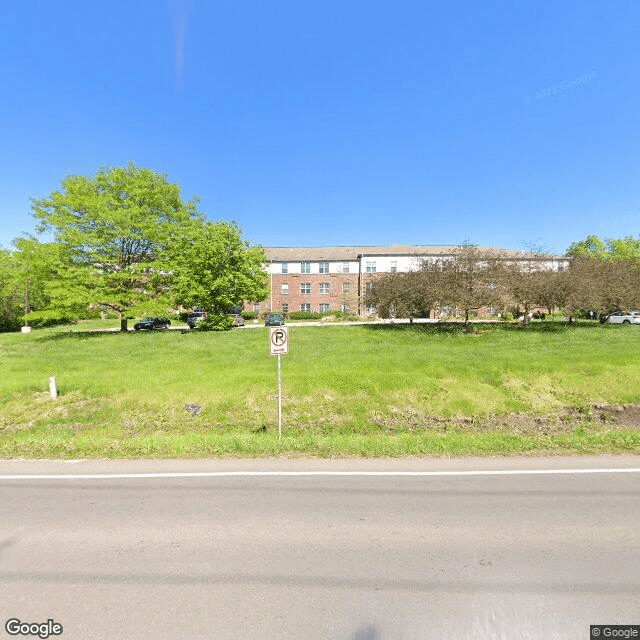
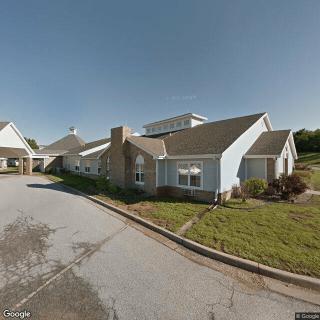
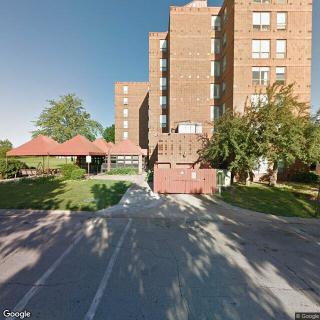
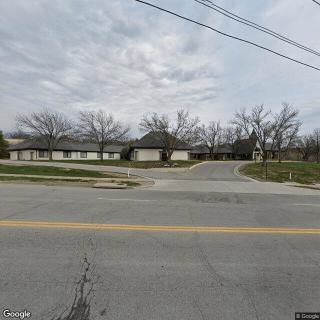
11301 Grandview Road, Kansas City, MO 64137
To contact a resident: (816) 966-4563
For more information about senior living options: (866) 208-4318
K. David Cole Place Costs & Pricing
K. David Cole Place offers a competitive pricing structure for its one-bedroom accommodations, with a monthly cost of $617. This figure stands in stark contrast to the average costs within Jackson County, which are significantly higher at $2,857, and even more so compared to the broader state of Missouri, where one-bedroom units can reach up to $3,349 per month. The affordability of K. David Cole Place not only makes it an attractive option for potential residents but also highlights its commitment to providing quality housing solutions that align with budget-conscious living in the region.
| Floor plans | K. David Cole Place | Jackson County | Missouri |
|---|---|---|---|
| 1 Bedroom | $617 | $2,857 | $3,349 |
Senior living communities with a similar price nearby
-
from -$26 / mo
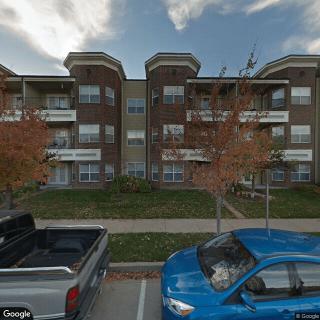
The Gardens at Northgate Village
$591 to $688 / month16.1 miles away -
from +$98 / mo
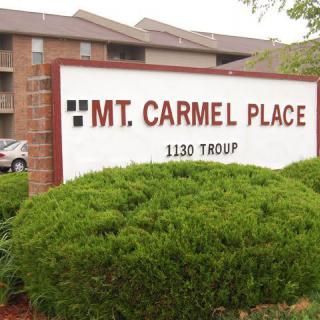
Mt. Carmel Place
$715 to $782 / month15.5 miles away -
About the same

Washington Heights
$610 / month18.1 miles away -
About the same
Rose Wood Place LLC
$625 to $785 / month11.9 miles away -
from -$57 / mo
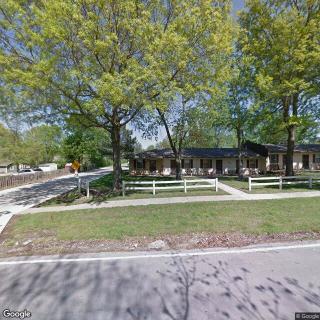
LeGrand
$560 to $2,648 / month8.6 miles away
Overall Review of K. David Cole Place
Pros
 The facility is suitable for fully independent individuals and is an affordable option, with Medicaid accepted.
- It is comparable in quality to similar facilities.
- The people are friendly.
Cons
 The facility is for individuals who are fully independent and do not need any care.
Review
K. David Cole Place in Kansas City, Missouri is best suited for seniors who want to live independently in a budget-conscious setting and can operate comfortably within a community that accepts Medicaid. The offering centers on independent living rather than on-site care, so it is a practical choice for those who do not anticipate needing daily assistance but still want the safety and social structure of a shared residence. The Medicaid-friendly pricing stands out, making it an attractive option for households where cost is a decisive factor and traditional assisted living fees would be prohibitive. For families prioritizing predictable expenses and a straightforward entry into community living, this site presents a credible, low-stress path.
Those weighing alternatives should keep in mind that this is not a campus designed around caregiving or high-touch support. If the expectation includes routine assistance, medication management, memory care, or 24/7 monitoring, other communities with formal care services will likely serve better. Prospective residents who anticipate needing even occasional help should evaluate whether the independent model can remain sustainable as needs evolve. Additionally, if vibrant programming, abundant amenities, or a more active social calendar are top criteria, other options in the Kansas City area may deliver more robust offerings. In short, this is a sensible fit for independence-first seniors, not a full-service care setting.
Pros that matter in decision-making are clear and tangible. The environment is described as friendly, which matters for daily quality of life and for families visiting or helping with routines. The ability to accept Medicaid while maintaining a lower price point gives a practical financial upside that cannot be ignored in budget planning. For families comparing options, the combination of affordability and a straightforward independent-living model reduces the stress of midlife or eldercare transitions, especially when care needs are not expected to escalate quickly. In essence, the strength lies in predictable costs and a passable social atmosphere, without the premium price tag of care-rich communities.
Yet the principal drawbacks are not invisible. The most consequential limitation is the lack of on-site care, this is a community designed for independence, which means it offers little in the way of daily support, clinical oversight, or memory-care accommodations. The rating spread, ranging from a few stronger scores to some lower ones, signals that while many residents are satisfied, there can be variability in the experience. Without a built-in care option, those who value regular assistance, robust programming, or enhanced safety measures may find the trade-off in services too steep to justify the cost savings alone. In such cases, the risk of needing to transition again later becomes a practical consideration.
The key trade-off is straightforward: affordability and independence versus limited support. For households where the priority is staying within a Medicaid-appropriate budget and avoiding higher-priced care tiers, the pros align well with the core need. The friendly atmosphere adds a social buffer that helps offset the absence of daily care, and the Medicaid acceptance can simplify payment planning in the short to medium term. However, for anyone who foresees needing regular help or who wants a property with extensive care options on site, the cons overshadow the savings. The decision hinges on anticipated care trajectories as much as current finances.
Bottom line: this community is a prudent pick for independent seniors who want to minimize costs and avoid lock-in to higher care fees, provided that independence will remain sustainable. Families should enter with a clear understanding of what is included in “independent living” and what is not. A site visit should focus on the daily routines, housekeeping and meal structures, transportation options, and any optional services that could be added if circumstances change. Important questions include: what level of health services are available nearby, how long residents can stay if care needs increase, and how Medicaid coverage translates into actual discounts. For those who can answer these questions affirmatively, K. David Cole Place offers a cautious, sensible path to affordable, social, independent living in Kansas City.
 Active Adult Communities (55+)
 Cats allowed
 Dogs allowed
 Activities on-site
 Devotional services on-site
 Indoor common areas
 Outdoor common areas
 Wheelchair accessible showers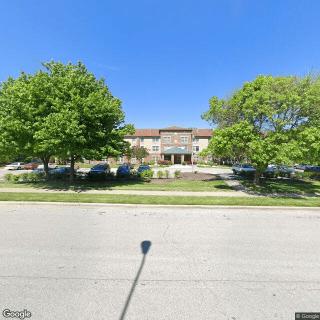
 Weight Training for Seniors: Building Strength and Vitality
 Understanding the Sandwich Generation: Stress and Responsibilities for Multigenerational Caregivers
 8 Essential Assistive Devices for Older Adults