
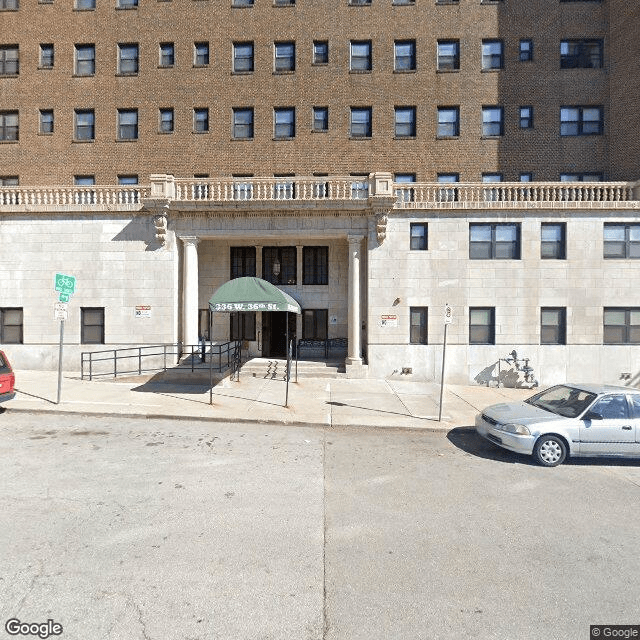
336 W 36th St, Kansas City, MO 64111
To contact a resident: (816) 756-2710
For more information about senior living options: (866) 208-4318
Overall Review of Hyde Park Apartments
Cons
 They are totally mismanaged.
- They hide from work and refuse to fix anything.
Review
Hyde Park Apartments in Kansas City, MO is best suited for independent-minded seniors who can navigate a lean, hands-off operation and advocate for their own needs. This is not a community built on proactive management or hands-on support; it serves residents who can tolerate gaps in day-to-day responsiveness and who are comfortable stepping in to coordinate repairs, communications, and basic services themselves. For anyone who depends on reliable oversight, regular maintenance, or a structured level of on-site assistance, this option likely misses the mark.
Those who should seriously consider alternatives include families prioritizing predictable service, transparent governance, and clear escalation paths for problems. If a loved one relies on timely repairs, consistent front-desk contact, coordinated transportation, or a robust social and safety net on-site, Hyde Park may feel insufficient. Prospective residents with medical or mobility needs, or those seeking a community with formal resident councils and accountable leadership, would be wise to compare other options where supervision and responsiveness are documented and evident.
From the limited feedback available, meaningful advantages remain underdocumented. The reviews do not highlight standout amenities, programming, or conveniences that would compensate for uncertain management. The overall signal is that any perceived value would rest on cost or location rather than service quality, and even that is not clearly substantiated by the anecdotes at hand. The community’s rating, two out of three, further suggests a mixed-to-poor experience, reinforcing why careful scrutiny is essential before committing.
The core red flag centers on management and maintenance. The most caustic remark, “totally mismanaged; they hide from work and fixing anything”, paints a scene of delayed responses, evasive problem-solving, and a lack of visible accountability. Such patterns undermine daily comfort and resident safety, making routine repairs and urgent fixes unpredictable at best. An external remark noting a person who works there hints at potential internal friction or weak on-site leadership, but the practical implication remains the same: residents should expect uneven service and unclear escalation channels rather than dependable follow-through.
To counterbalance risk, it is vital to probe concrete practices during visits. Demand documented maintenance response times, average repair turnaround, and a clear on-site supervisory structure. Tour the property with a critical eye for cleanliness, safety features, and accessibility; request logs of maintenance requests and how they are tracked. Ask about the front-desk presence, emergency procedures, and whether a residents’ council exists to represent collective concerns. Compare these specifics against at least two competing communities to determine whether the promised stability and accountability exist elsewhere at a higher standard.
In the end, Hyde Park Apartments presents a substantial ownership of risk for anyone who cannot tolerate irregular service or self-directed problem-solving. The best fit is a resident who values independence, accepts limited on-site support, and can live with uncertain maintenance dynamics. For others, especially families seeking dependable repairs, transparent management, and predictable day-to-day operations, alternatives with stronger leadership, clearer communication, and proactive care are strongly recommended. The prudent course is to visit competing communities, obtain written guarantees on maintenance and response times, and speak directly with current residents to calibrate expectations against the documented concerns before making a commitment.
 Kansas City International (18 miles away)
 Affordable pricing with strong nearby amenities.

 Exploring Nonmedical Home Care: Understanding Services, Costs, and Financial Approaches
 Engaging Brain Games and Innovative Apps to Keep Senior Minds Active
 Effective Strategies for Keeping Seniors' Minds Active: A Deep Dive into Brain Games and Apps