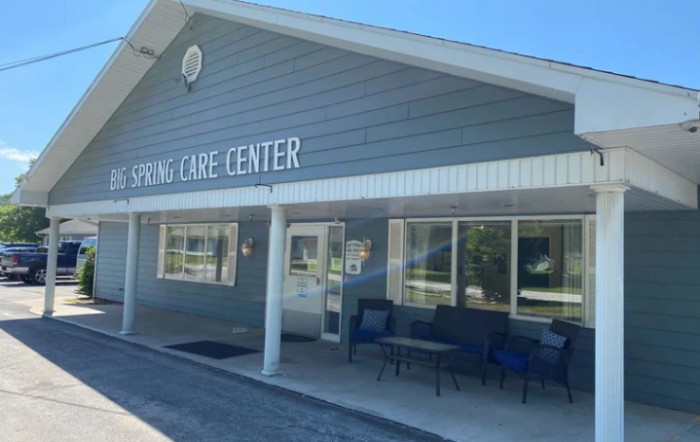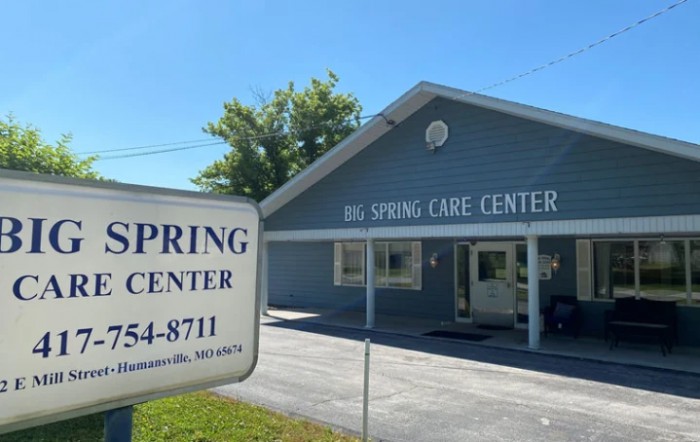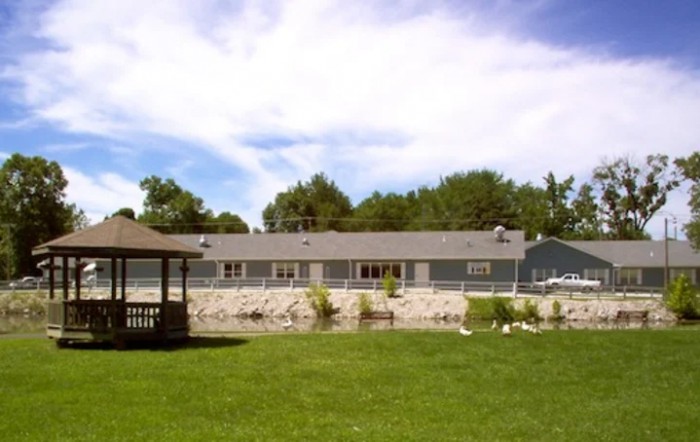
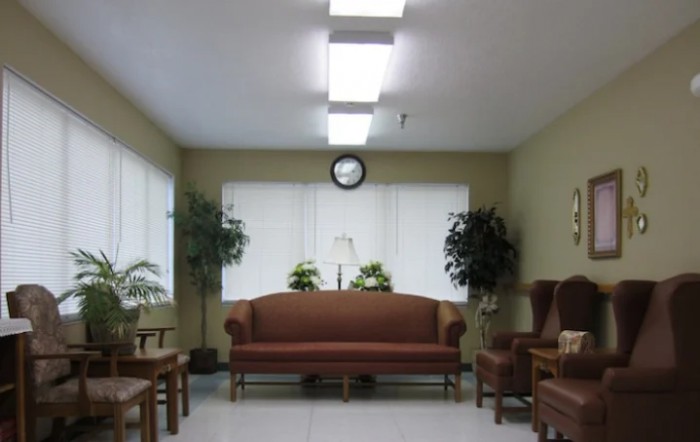
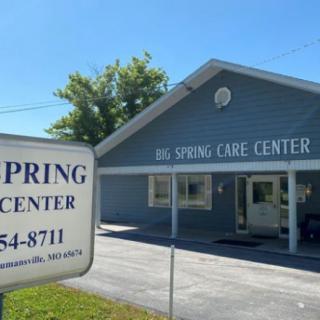
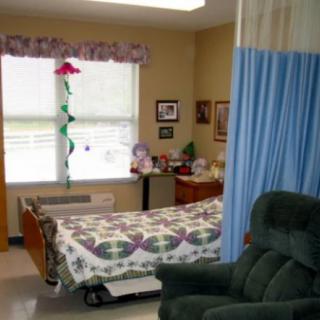
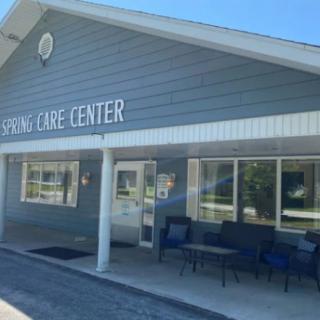
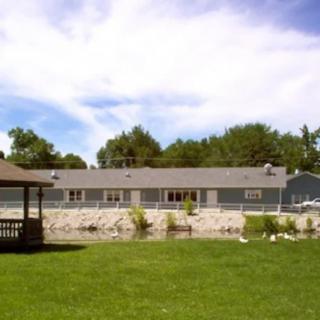
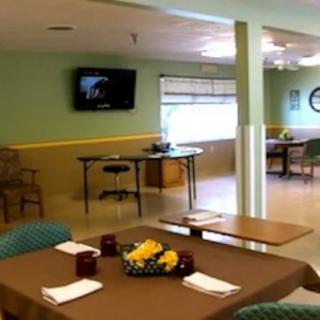
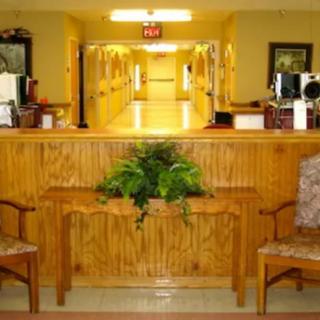
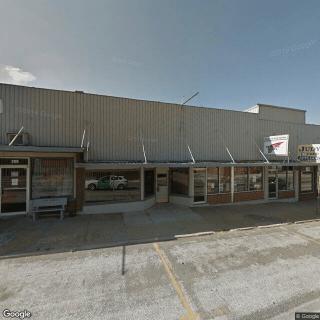
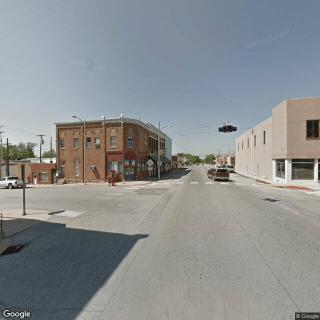
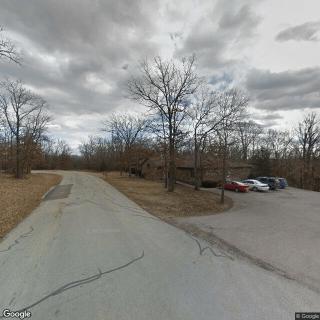
202 East Mill Street, Humansville, MO 65674
For more information about senior living options: (866) 208-4318
Overall Review of Big Spring Care Center For Rehab And Healthcare
Pros
 The staff and rehab services are awesome.
- The long-term and short-term rehab are amazing.
- Kenna and her staff go above and beyond.
- The facility, residents, and staff are amazing.
- The staff are very caring to the residents and treat them like family.
- They go above and beyond to help residents enjoy life as they would at home.
- The center invites residents to summer BBQs with staff-led activities, and the residents have a blast.
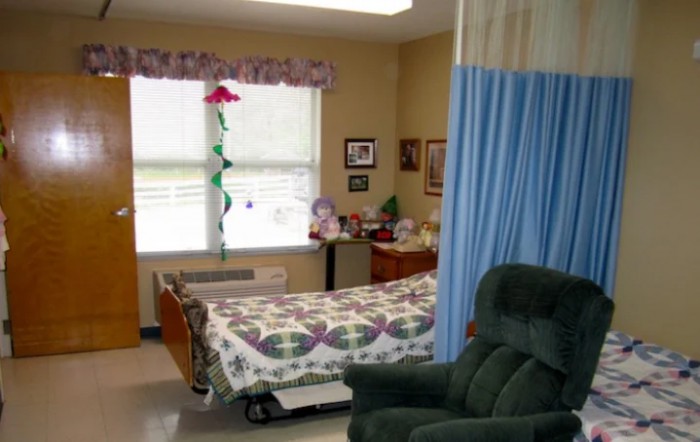
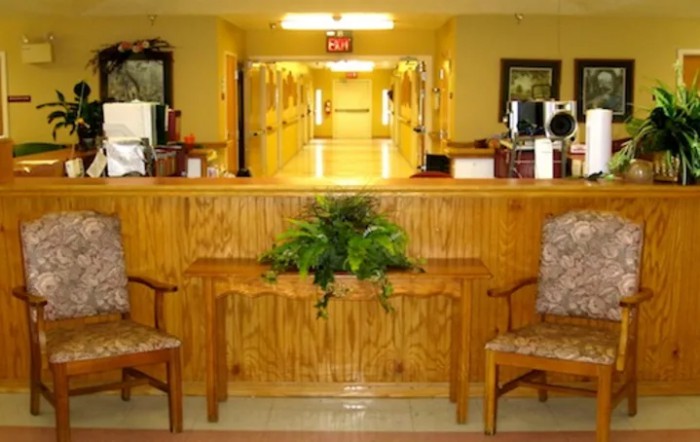
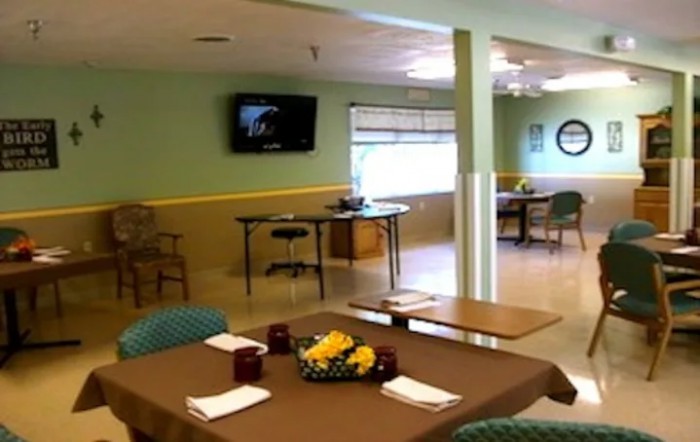
- The facility is friendly, has a nice environment, and is highly recommended.
- It is the best facility, the cleanest and the friendliest.
- It received five stars.
Cons
 The staff were extremely rude and very unprofessional.
- The facility was very poorly kept, and the staff were uninviting.
- The reviewer claimed the mother was neglected, which led to a bedsore, septic shock, and death.
- A family member's stay reportedly ended up in ICU due to malnutrition and severe dehydration, with accusations of mismanagement.
- The company couldn't provide basic necessities for residents.
- Kenna was accused of adjusting a staff member's timesheet without informing them.
Review
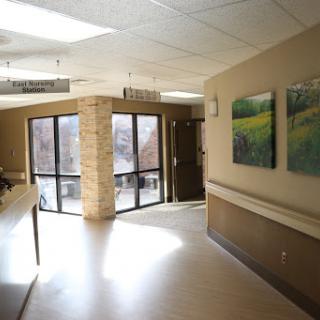
Big Spring Care Center For Rehab And Healthcare in Humansville, MO is best suited for families seeking solid rehabilitation support and a warm, engaging daily life for residents. The center earns strong marks for its rehab programs, with both short-term and long-term residents reported to benefit from attentive care and meaningful progress. For seniors who value a home-like atmosphere, regular activities, and staff who will treat residents like family, this facility is worth serious consideration. Those requiring meticulous medical oversight, complex chronic disease management, or flawless administrative reliability may want to look elsewhere.
On the upside, the standout feature across multiple accounts is the staff’s care ethic. Reviews repeatedly praise dedicated, compassionate team members who connect with residents, support recovery goals, and create a sense of belonging. The best notes describe staff going above and beyond to help residents enjoy life as they would at home, and family members often feel welcome at events and daily interactions. The combination of practical rehab services and a familial environment can translate into real gains for residents who respond well to a personable, engaged caregiving style.
Yet the community carries significant red flags that cannot be ignored. Several reviewers recount frightening lapses in care tied to malnutrition and severe dehydration, with one resident’s ICU stay described in stark terms and lasting consequences cited by relatives. These accounts raise serious questions about monitoring, responsiveness, and medical oversight. There are also claims of professional conduct issues and administrative disputes, including a report of shifts being adjusted without notice and a suggestion of a broader pattern of miscommunication. Taken together, these incidents create a risk profile that families must weigh against the positive rehab experience.
The tension between strong rehab momentum and serious safety concerns means outcomes here are not uniform. For residents with moderate medical needs who have strong family oversight and clear care plans, the positives, recovery progress, a supportive community, and a welcoming atmosphere, can outweigh the negatives. But for anyone with high risk of nutrition or hydration problems, or for families seeking a consistently low-variance care environment, the reported incidents suggest that risks may overshadow benefits. The decision hinges on the resident’s health status, supervision level, and tolerance for potential documentation or communication gaps.
Operational and oversight issues further complicate the picture. One account describes a tensions-filled work environment tied to payroll and scheduling concerns, implying that staff stability and morale may flare up and affect day-to-day care. Another account paints a picture of a facility that may be under-resourced or unevenly maintained, with complaints about basic amenities and overall upkeep. These factors matter because they influence how reliably care plans are executed, how quickly concerns are escalated, and whether nutrition and hydration protocols are consistently enforced.
For families evaluating options, a practical approach is essential. Schedule a candid tour focused on nutrition management, hydration monitoring, and wound care protocols; request recent state survey reports and ask to see how incidents are tracked and resolved. Verify current staffing levels and whether agency staff are used, and insist on documenting caregiver turnover and training standards. Speak with multiple residents’ families if possible, and ask for direct contact with the administrator or director of nursing to assess responsiveness. If the rehab and community atmosphere align with expectations and strong oversight can be verified, Big Spring can be a viable fit; if not, explore other facilities with a more consistent safety and care record.
 60 resident community capacity
 Assisted Living
 Skilled Nursing Facility
 Air-conditioning
 Beauty salon
 Cable or satellite TV
 Computer center
 Dining room
 Fitness room
 Fully furnished
 Gaming room
 Garden
 Housekeeping services
 Kitchenette
 Move-in coordination
 Outdoor space
 Private bathrooms
 Restaurant-style dining
 Small library
 Telephone
 Wellness center
 Wi-Fi/high-speed internet available
 Community operated transportation
 24-hour call system
 Activities of daily living assistance
 Assistance with bathing
 Assistance with dressing
 Assistance with transfers
 Diabetes diet
 Medication management
 Special dietary restrictions
 Concierge services
 Planned day trips
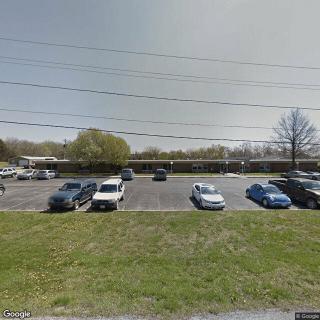

 Comprehensive Insights into Activities of Daily Living (ADLs) and Their Assessment
 Guiding Elderly Parents Who Refuse Assisted Living: 6 Practical Steps
 Your Comprehensive Guide to Luxury Assisted Living: Elevated Facilities, Amenities, and Costs