1120 North Butterfield Road, Bolivar, MO 65613
For more information about senior living options: (866) 208-4318
Butterfield Residential Care Center Costs & Pricing
Butterfield Residential Care Center offers competitive pricing for its residents in comparison to the broader market rates in Polk County and across Missouri. For a studio apartment, monthly costs at Butterfield are set at $2,075, which is slightly higher than the county average of $2,068 but significantly lower than the state average of $3,418. In terms of one-bedroom accommodations, residents will find that Butterfield's fee of $2,610 is more affordable than the Polk County average of $2,913 and again compares favorably against the statewide rate of $3,349. When considering two-bedroom options, Butterfield offers pricing aligned with Polk County at $3,240 while remaining more economical than the state's average cost of $3,675. Overall, Butterfield Residential Care Center presents a compelling value within its locality and state context for those seeking supportive living arrangements.
| Floor plans | Butterfield Residential Care Center | Polk County | Missouri |
|---|---|---|---|
| Studio | $2,075 | $2,068 | $3,418 |
| 1 Bedroom | $2,610 | $2,913 | $3,349 |
| 2 Bedrooms | $3,240 | $3,240 | $3,675 |
Assisted Living communities with a similar price nearby
-
About the same
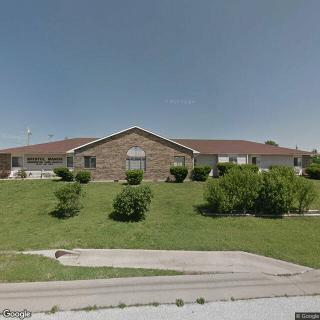
Bristol Manor of Buffalo
$2,100 to $3,100 / month17.3 miles away -
About the same
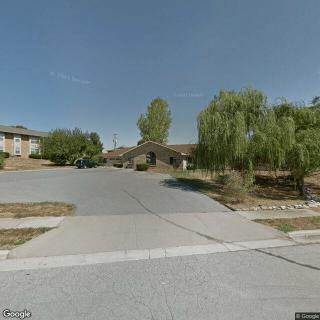
Bristol Manor of Willard
$2,030 to $3,030 / month22.6 miles away
Overall Review of Butterfield Residential Care Center
Pros
 The staff are extremely friendly and very helpful.
- The facility is very clean, accessible, and a very nice place to live.
- Everything about Butterfield Residential Care Center is just good.
- They offer several daily activities, including mind puzzles, crossword puzzles, exercise, games, bingo, and church services.
- The staff are wonderful, kind, and consistently look for solutions to meet residents’ needs.
- The reviewer would recommend Butterfield to other families.
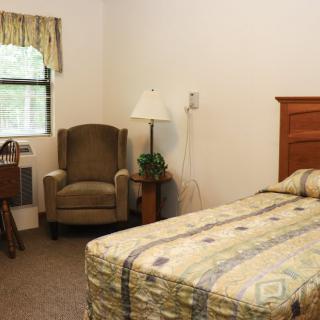
- Residents have their own space, meals are cooked, rooms are cleaned, and staff are always kind.
- The facility is located next to a park with amazing views, and the halls are split by need for support.
Cons
 The food is not very good, and residents complain about it.
- Some staff members were not very impressive; others were good.
- The staff did not go out of their way to help with issues.
- The community is not as independent as some residents feel.
- There was at least one mean night nurse.
- Bed sores were common.
Review
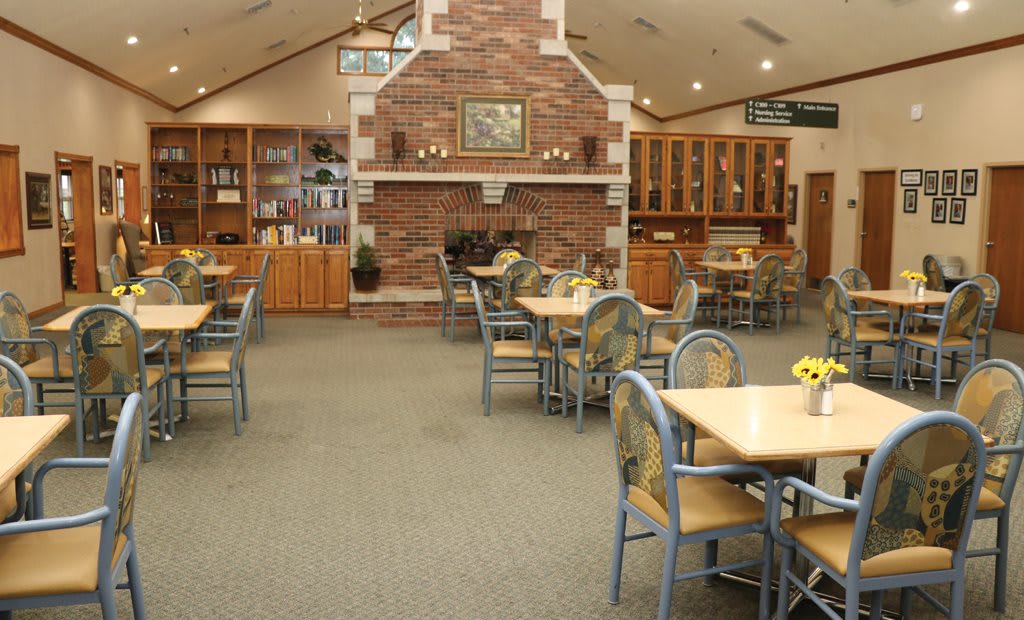
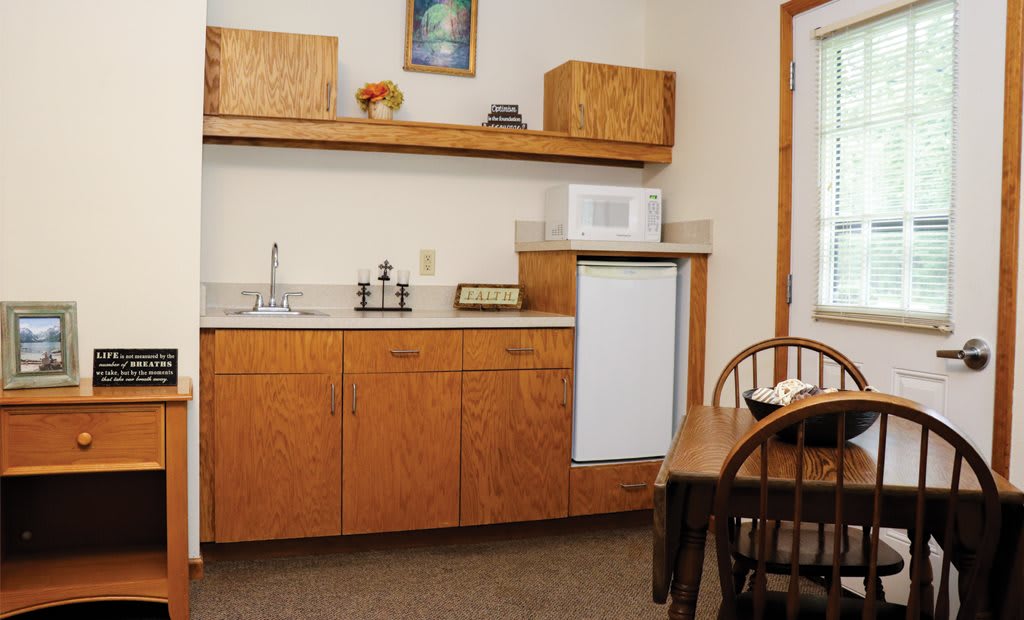
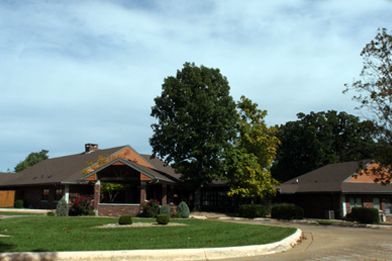
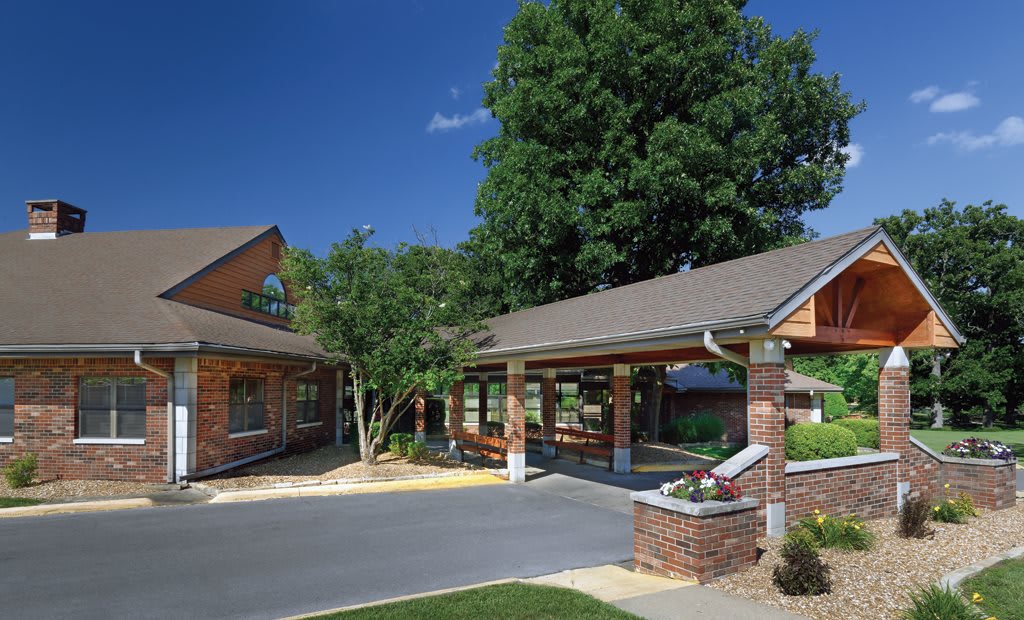
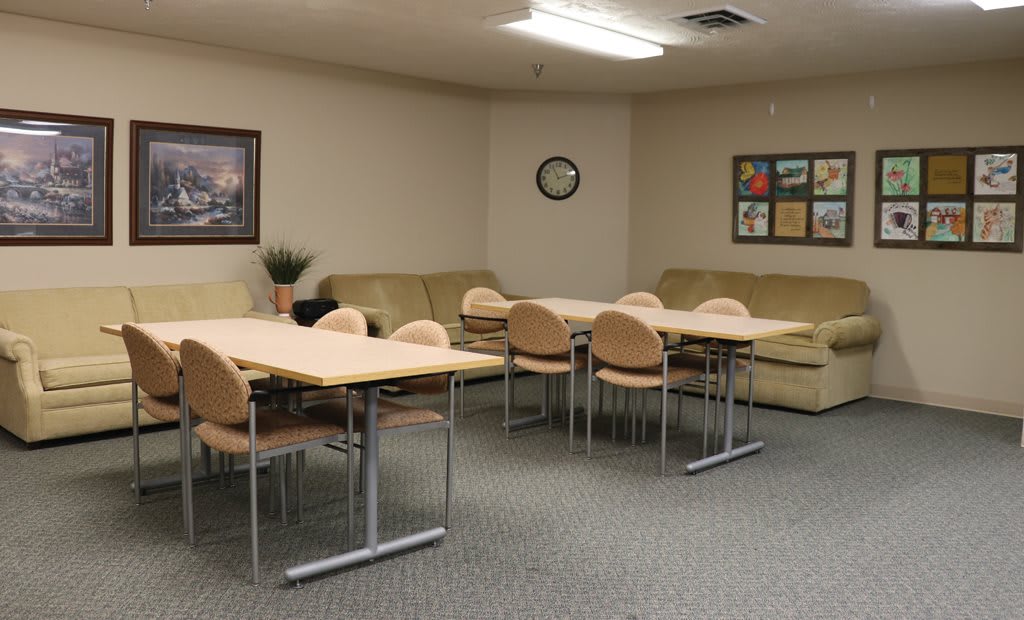
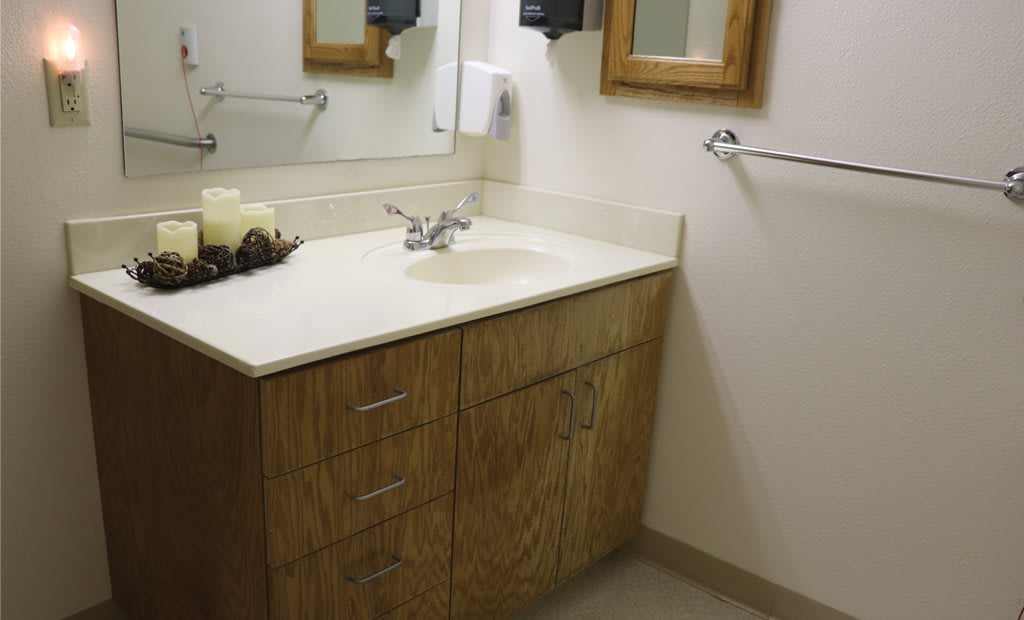
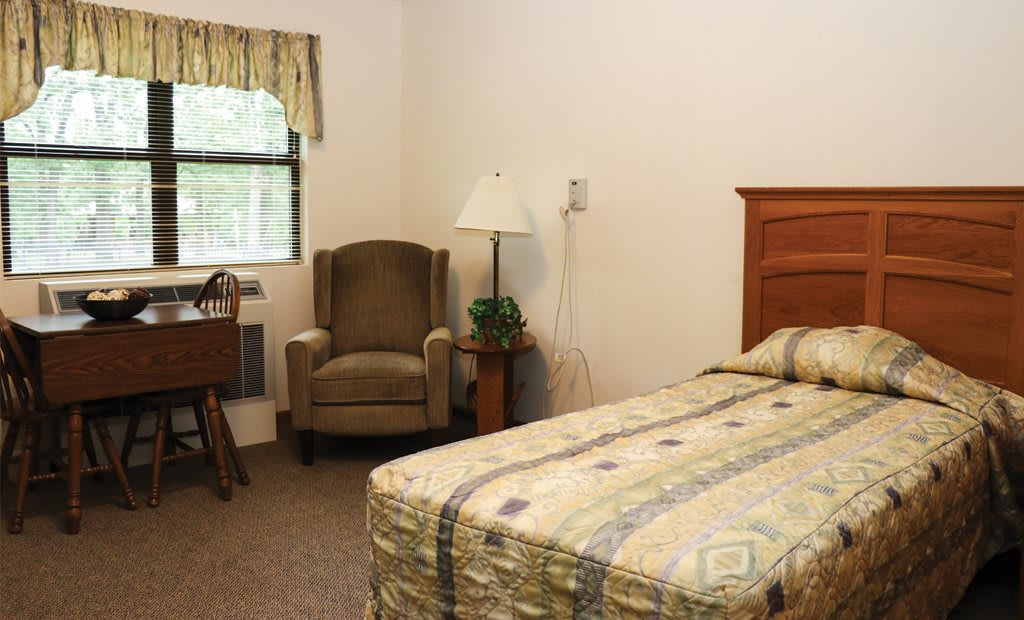
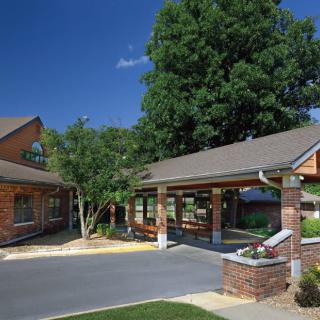
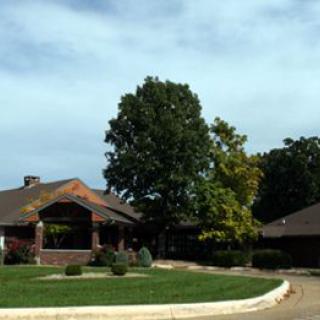
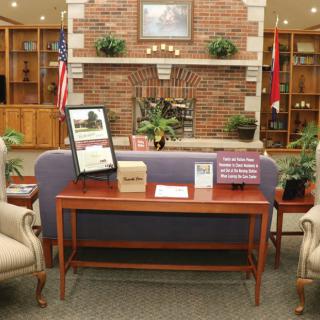
Butterfield Residential Care Center in Bolivar, MO is best suited for seniors who want a warm, home-like assisted-living experience with attentive staff, dependable cleanliness, and a steady rhythm of daily activities. The setting feels intimate rather than institutional, with well-kept spaces and easy access to a nearby park that provides pleasant views. Residents have their own space, meals are prepared on site, and everyday routines include exercise, puzzles, bingo, and faith-based programming, plus periodic local day trips. The divided halls by level of support help tailor care without erasing a sense of independence. For families seeking a community where staff relationships genuinely matter and where small comforts, hair appointments, casual social spaces, and routine outings, contribute to everyday life, Butterfield offers a reliable, reassuring environment.
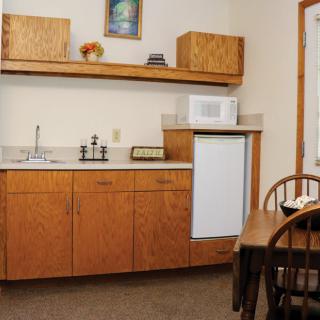
Who should consider alternatives? Those chasing high-end dining with gourmet presentation at every meal or requiring hospital-grade medical oversight for complex conditions will likely find Butterfield lacking. It is an assisted living setting, not a memory-care campus, and while the staff are friendly, consistency across shifts can vary. Families prioritizing perfectly proactive problem-solving and a uniformly delivered care plan across all days may want to compare larger operators with standardized response systems. For residents with significant mobility challenges, advanced wound care needs, or dementia requiring intensive supervision, a community with dedicated memory-care or on-site clinical staffing could be more appropriate. If complete kitchen autonomy and full in-unit cooking are non-negotiable, Butterfield’s model may feel restrictive.
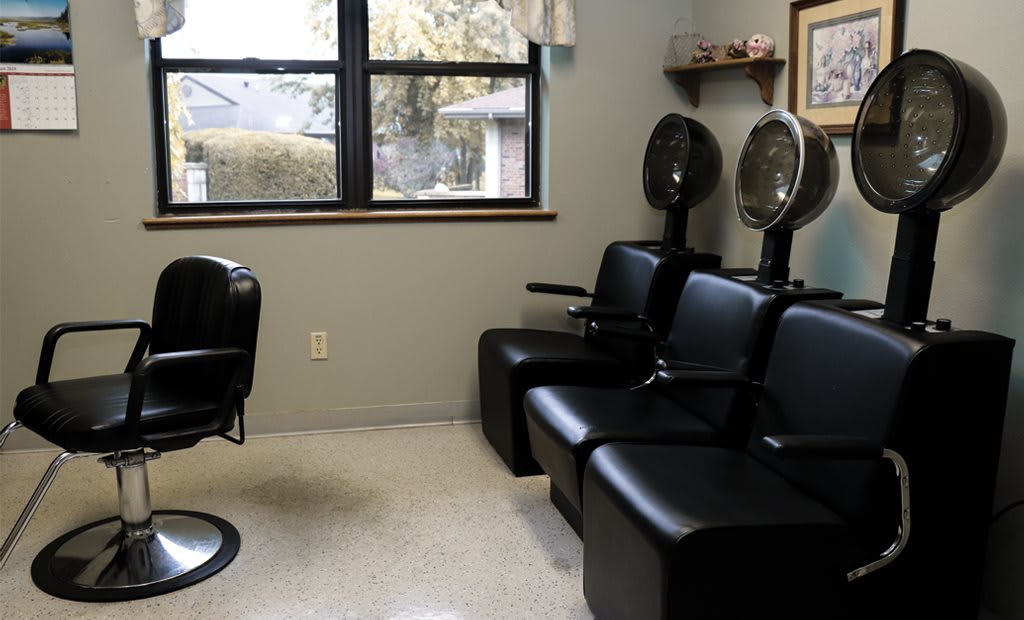
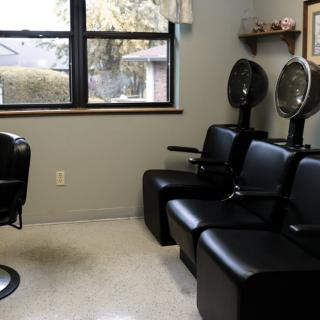
The strongest advantages are clear in the staffing warmth, the cleanliness, and the overall sense of safety. Staff are repeatedly described as friendly and helpful, with a demonstrated willingness to find solutions that meet individual needs. The facility’s upkeep is consistently praised, and the park-adjacent setting enhances daily life with nearby outdoor options. Activities are regular and varied enough to sustain engagement, mind puzzles, daily exercise, bingo, church services, and occasional trips, without creating a sense of overwhelm. Residents appreciate having their own space, on-site cooking and housekeeping, and practical conveniences like a weekly hair appointment that contribute to dignity and independence. Administrative responsiveness, especially from Tammy, helps families feel heard and supports alignment between expectations and day-to-day care.
On the downside, dining quality stands out as a recurring concern, with multiple voices noting the meals aren’t consistently satisfying. The caregiving staff shows uneven performance across shifts, producing experiences that can swing from excellent to merely adequate. While the community remains small and pleasant, the drive to address concerns isn’t uniformly consistent, though administrators do step in when needed. A few operational red flags emerge, such as reports of higher bed-sore occurrences on particular halls and an occasional night shift staff member described as unkind. These issues are not universal, but they are meaningful enough to warrant careful discussion during tours and in pre-move conversations to ensure monitoring and accountability are understood.
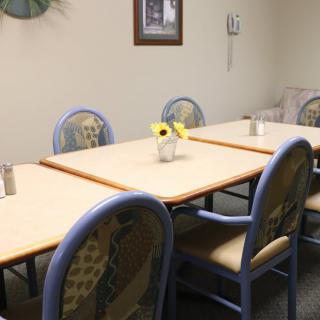
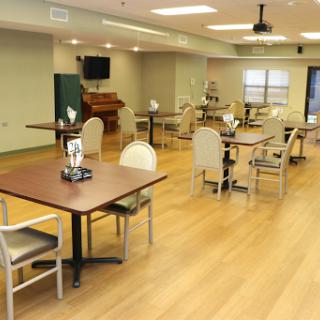
These drawbacks are not insurmountable and, in many cases, are offset by concrete strengths. The human warmth of the staff and the clean, welcoming environment provide a stable baseline of comfort and security that matters deeply for daily living. The hall design, which segments spaces by level of support, preserves independence where possible while ensuring help is readily available, reducing the sense of being ‘in a facility.’ Regular social and wellness programs counterbalance any meal-related hesitancy, and convenient on-site services, like the weekly hair stylist and accessible cafeteria, preserve personal routines and dignity. When concerns surface, administrative involvement tends to translate into timely adjustments, reinforcing the sense that resident well-being is actively prioritized rather than passively accepted.
Overall, Butterfield Residential Care Center is a sound, pragmatic choice for families seeking a small, community-focused assisted-living option where routine, personal attention, and a comfortable pace of life carry real weight. It works best for seniors who value a home-like environment, reliable housekeeping, steady social programming, and the reassurance of responsive staff who know residents by name. Prospective families should plan a direct conversation about meal expectations, staffing consistency, and care planning, and should test-drive mealtimes and care discussions with the team. For those prioritizing gourmet dining, comprehensive clinical oversight, or dementia-specific ecosystems, alternatives with larger campuses or dedicated memory-care offerings may better align with expectations. For the right resident, Butterfield offers stability, connection, and a humane, neighborly cadence of everyday living.
 66 resident community capacity
 1-bedroom apartments
 Assisted Living
 Activities on-site
 Air-conditioning
 Beauty salon
 Cable or satellite TV
 Computer center
 Devotional services off-site
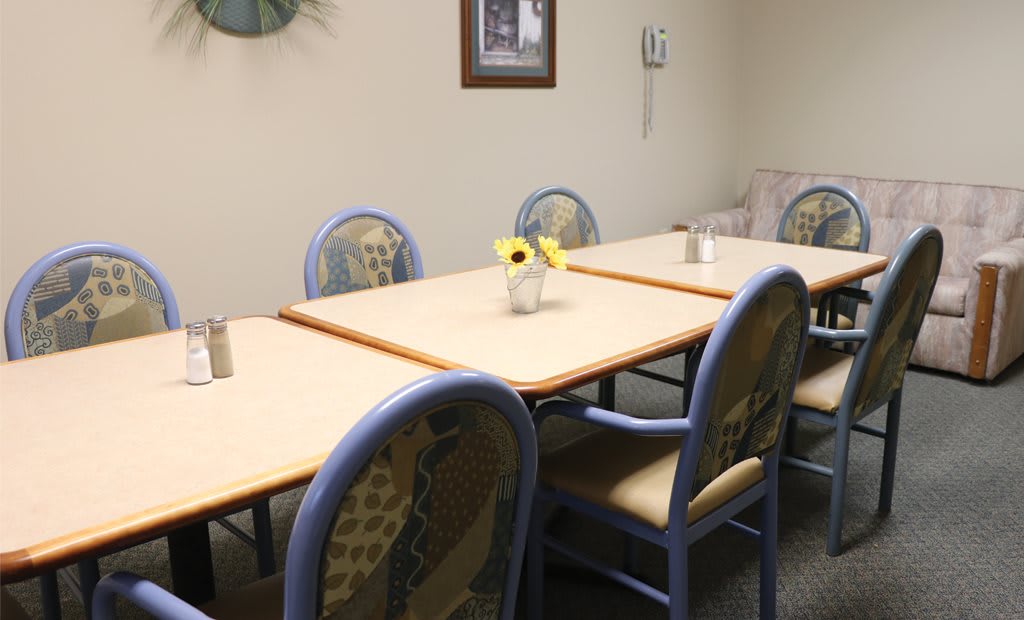
 Dining room
 Fitness room
 Fully furnished
 Gaming room
 Garden
 Ground floor units
 Handicap accessible
 Housekeeping services
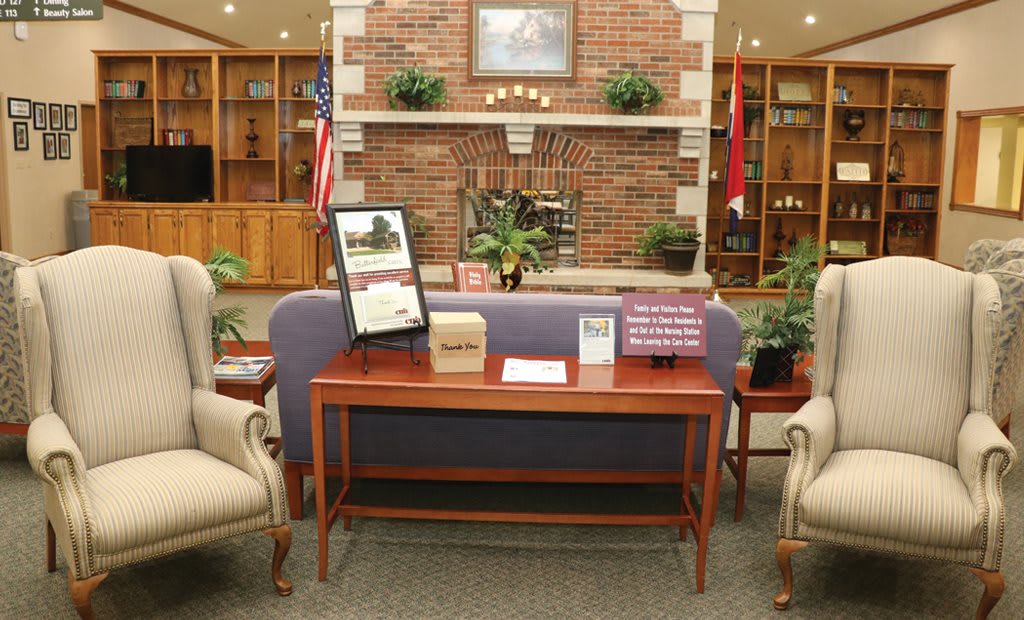
 Indoor common areas
 Kitchenette
 Laundry
 Move-in coordination
 Outdoor space
 Private bathrooms
 Private patio, deck, or balcony
 Restaurant-style dining
 Small library
 Telephone
 Wellness center
 Wheelchair accessible showers
 Wi-Fi/high-speed internet available
 Community operated transportation
 12-16 hour nursing
 24-hour call system
 Assistance with bathing
 Assistance with dressing
 Assistance with transfers
 Diabetes diet
 Diabetic care
 High acuity care
 Incontinence care
 Medication management
 Mental wellness program
 Physical therapy
 Special dietary restrictions
 Art classes
 Bible study group
 Concierge services
 Cooking classes
 Day trips and outings
 Educational speakers / life long learning
 Happy hour
 Live musical performances
 English


 8 Key Indicators That Suggest It May Be Time to Transition from Assisted Living to Skilled Nursing Care
 Vibrant Senior Living: A Comprehensive Guide for Active Older Adults
 When to Transition from Assisted Living to Memory Care: Key Indicators, Steps, and Finding the Right Community