

PO Box 677, Bolivar, MO 65613
To contact a resident: (417) 777-2583
For more information about senior living options: (866) 208-4318
Blue Castle of the Ozarks Costs & Pricing
At Blue Castle of the Ozarks, the monthly cost for a private room is $5,083, which positions it above both the county average of $3,170 in Polk County and the state average of $4,483 in Missouri. This pricing reflects the facility's commitment to providing high-quality care and a range of amenities designed to enhance residents' well-being. While it may seem higher than other options in the area, families considering this facility often appreciate the personalized attention and comprehensive services that accompany this investment in their loved ones' care.
| Floor plans | Blue Castle of the Ozarks | Polk County | Missouri |
|---|---|---|---|
| Private | $5,083 | $3,170 | $4,483 |
Overall Review of Blue Castle of the Ozarks
Cons
 Residents at Blue Castle face restrictions on using residential phones, with little explanation given to families.
- Families should not expect an explanation for these restrictions.
- The administrator allegedly threatened the reviewer when asked for a 30-second supervised phone call.
- The reviewer felt sad about the experience.
Review
Blue Castle of the Ozarks in Bolivar is best suited for seniors who want a compact, traditional assisted-living environment and who can tolerate a more controlled approach to resident communication. The most consistent thread in the available feedback is a policy that limits residents’ use of residential phones and offers little or no explanation for those limits. Families must be prepared for restricted access to loved ones via on-site lines, which means daily life may depend on alternative channels for updates or emergencies. In practice, this setup can feel stabilizing for residents who thrive on routine and predictability, but it constricts the circle of trusted family involvement and can leave important questions unanswered.
On the other hand, those who prize transparent, responsive administration and explicit, two-way communication should seriously weigh alternatives. The most troubling item in the feedback centers on an administrator’s handling of a request for a brief supervised phone call, described as a threat. That kind of interaction not only strains trust but raises questions about resident rights, advocacy, and how concerns are addressed. A facility that permits clear, documented explanations for policies and maintains accessible channels for raising issues is far more likely to deliver reassurance to families who stay closely involved in care decisions.
Pros referenced by some reviewers, though not detailed in the available notes, hint at a functional, predictable environment where routine care and staff engagement occur. A high-end rating among a peer could reflect a compatible cadence of daily life, attentiveness to resident needs, or comfort with the community’s rhythms. Yet those positive marks sit alongside meaningful governance concerns. In practice, the central obstacle is the restricted, opaque approach to family communication, which can overshadow any subtle caregiving strengths when families cannot verify or influence the care plan or the resident’s day-to-day wellbeing.
To make a solid, evidence-based decision, families should pin down several practical factors during visits or conversations. First, clarify the exact policy on phone use for residents and families: who may approve calls, what constitutes an acceptable exception, and how any restriction is justified. Second, ask how concerns are escalated and who serves as the go-to person for ongoing questions about care or policy changes. Third, seek transparency on staffing, ratios, turnover, and the level of individualized engagement available. Fourth, observe staff-resident interactions in real time and request recent resident satisfaction feedback or testimonials to contrast with the formal policy.
Alternatives deserve evaluation with the same rigor. Other communities in or near Bolivar that emphasize open communication, timely explanations of decisions, and consistently respectful family engagement should be on the short list. If a plan relies on family advocacy for every phone call or policy clarification, fatigue and eroded trust are likely over time. The decision framework should weigh not only daily caregiving but also the overall culture around resident rights, responsiveness, and the extent to which family voices are welcomed and valued.
In sum, Blue Castle of the Ozarks will land best with residents who accept a structured environment and a communication regime tighter than average, with families prepared to navigate potential gaps in transparency and responsiveness. For those who prioritize open dialogue, predictable explanations, and a partner-like administrator who treats family input as essential, alternatives are strongly recommended. The practical takeaway is to demand clear, documented policies on resident communication, ensure there is an accessible advocate within the administration, and compare with other nearby options to confirm alignment with individual needs and expectations.
 Assisted Living
 Activities on-site
 Devotional services off-site
 Indoor common areas
 Ambulatory care
 Diabetic care
 Meals provided
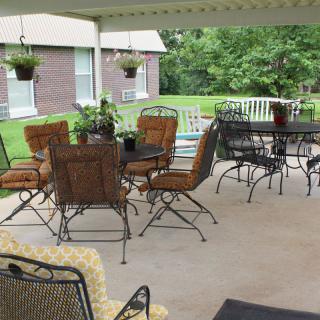
 24-hour supervision with ADL assistance and care coordination in a furnished, activity-focused setting with on-site dining.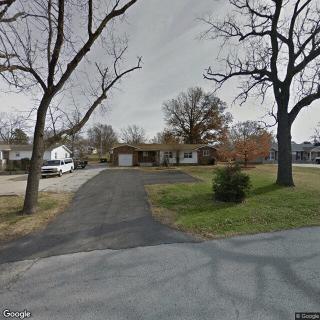


 Comprehensive Insights into Activities of Daily Living (ADLs) and Their Assessment
 Guiding Elderly Parents Who Refuse Assisted Living: 6 Practical Steps
 Your Comprehensive Guide to Luxury Assisted Living: Elevated Facilities, Amenities, and Costs