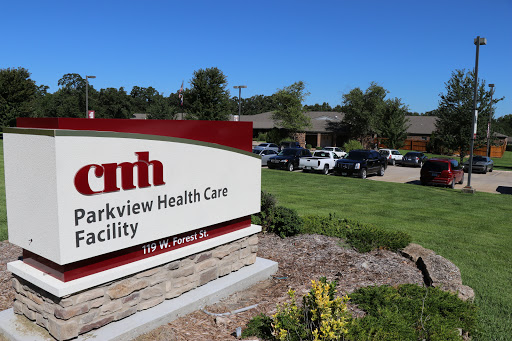


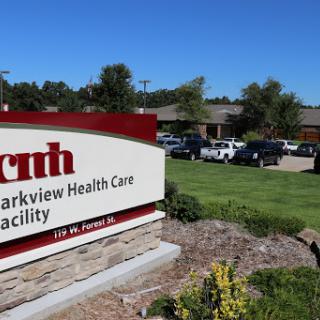
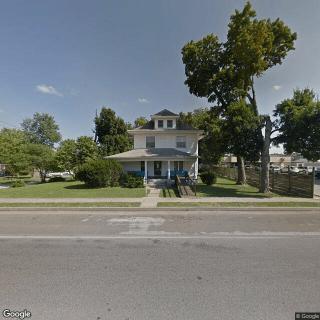
119 West Forest, Bolivar, MO 65613
For more information about senior living options: (866) 208-4318
Overall Review of Parkview Health Care Facility
Pros
 The staff are excellent from admissions to nursing and dietary.
- Robin is the best caregiver the mom has ever had at Parkview; she is knowledgeable and has a kind heart for all residents.
- The staff took good care of the sister during a three-week stay.
- The facility has a great atmosphere, with nice, courteous, friendly, compassionate, and respectful staff, and the food is enjoyable.
- The therapy staff are great and work well with patients to support rehabilitation needs.
- It is probably the best long-term care facility known.
Cons
 The reviewer was appalled by the lack of ethical behavior after being billed for the mother's newspaper subscription.
- There was a lack of communication among staff, resulting in a resident not receiving a scheduled shower.
- Covid-19 testing was inconsistently performed, with no follow-up testing for three weeks.
- The facility was understaffed, leading to low-quality care.
- A grandfather contracted C. difficile in a shared room because staff failed to move an infected patient.
Review
Parkview Health Care Facility in Bolivar, Missouri, is best suited for families who prize personal attention, a homey atmosphere, and solid rehabilitation services, rather than a perfectly coordinated, always-perfect operation. Residents who respond well to caregivers who know them by name and who benefit from a focused therapy team will find real value here. Those who require relentless, cross‑departmental precision, consistently high staffing levels at every shift, and a seamless, worry‑free communication chain may want to consider alternatives.
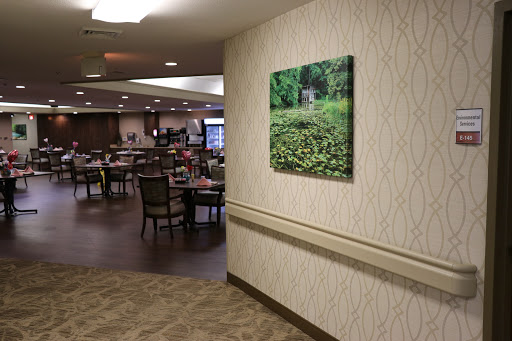
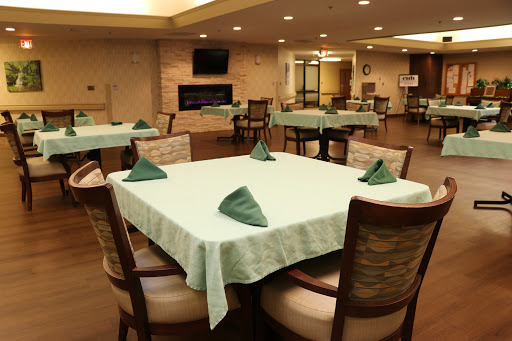
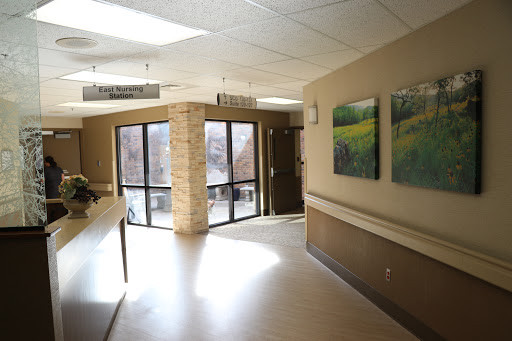
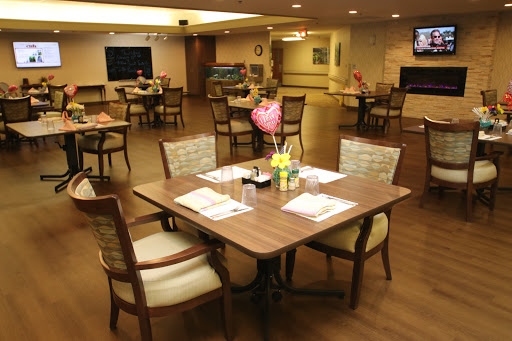
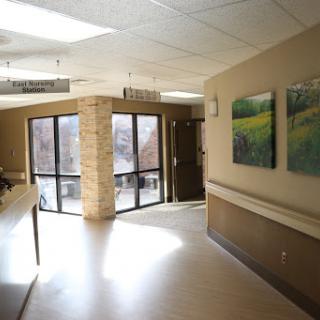
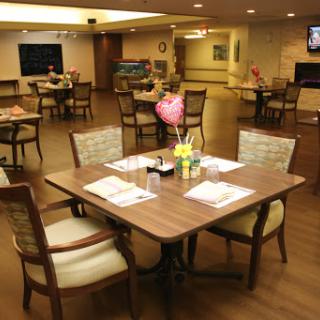
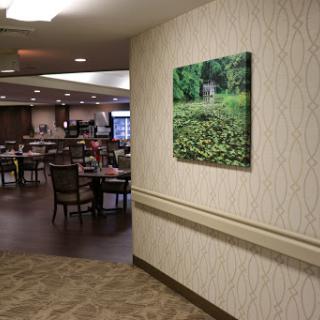
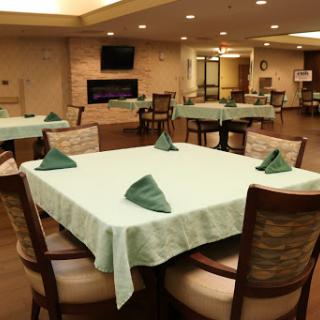
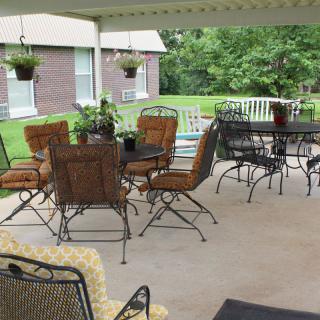
On the positive side, care staff and treatment teams repeatedly earn praise. The core nursing and dietary crews deliver solid, attentive care, and caregivers who bring warmth and genuine concern can lift the resident experience substantially. Robin stands out as a caregiver whose competence is matched by a compassionate, heart‑centered approach, earning trust and gratitude from families for the way she tends to their loved ones. The therapy staff is regarded as capable and collaborative, and the overall environment, clean, organized, and with welcoming dining experiences, contributes to a sense of well‑being. The facility’s atmosphere often feels respectful and supportive, with rooms that let in daylight and a food program that residents frequently enjoy.
Yet several recurring concerns temper those strengths. Communication between shifts and departments is frequently described as weak, with routine tasks slipping through the cracks before corrective action occurs. Understaffing shows up in limited programming, slower responses, and gaps in how activities and care tasks are coordinated, which can be especially noticeable for residents with higher needs. A troubling incident in a family’s history involved a roommate with a contagious infection not being moved promptly, resulting in illness for a resident and signaling gaps in oversight. A separate issue involved a billing matter tied to a deceased loved one’s subscription, highlighting lapses in administrative controls. Taken together, these episodes suggest that reliability can vary, and advocacy may be needed to keep care tightly aligned with the resident’s plan.
These strengths and weaknesses interact in meaningful ways. When a caregiver like Robin is on duty, residents receive consistent, individualized attention that can meaningfully improve comfort and comfort-focused outcomes. The rehabilitation team’s willingness to tailor programs around a resident’s goals helps offset staffing pressures, and clean facilities, good lighting, and solid safety practices create a dependable daily rhythm. However, the same staffing variability that yields excellent moments also creates moments of fragility, handoffs between therapy, nursing, and activities can feel disjointed, and administrative lapses can undermine trust. For families, that means a strong desire for active advocacy and regular check-ins to maintain alignment between a resident’s needs and the delivered care.
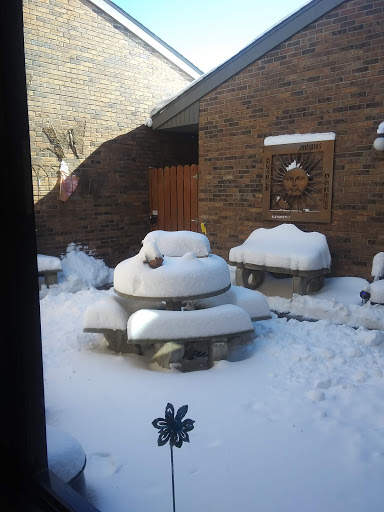
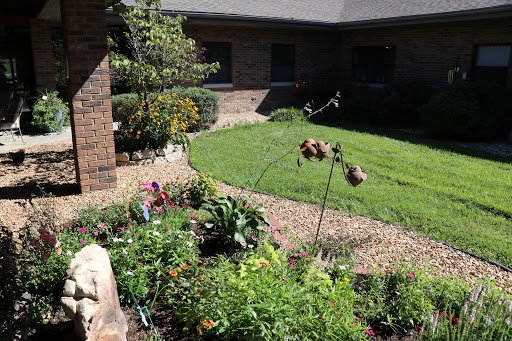
For families who require unwavering communication, a robust activity calendar, and consistently high staffing coverage, alternatives may be a better fit. Facilities with deeper staffing reserves, clearer cross‑team communication, and a proven track record of infection control and patient safety can reduce the likelihood of the missteps reported here. Memory-care needs, in particular, demand sites that assign staff reliably and integrate therapy, housekeeping, and dining into a cohesive cadence. For those who prize bright, communal spaces and richer, more varied programming, Parkview’s reported design and activity levels may fall short relative to other options.
To make a well‑informed decision, request a comprehensive, multi‑discipline tour and insist on speaking with admissions, nursing leadership, and therapy supervisors. Review the current care plan for the intended resident, clarify staffing levels by shift, and inquire about how cross‑department communication is managed in practice. Ask about memory-care-specific protocols, cross‑contamination safeguards, and real‑world examples of day‑to‑day routines, activities, and meals. Parkview can deliver exceptionally caring, rehab‑driven living when the environment aligns with a resident’s needs, but it does not guarantee consistency. For families capable of active oversight and honest conversations about day‑to‑day realities, it remains a viable option; for others, exploring alternatives may better align with expectations around reliability and engagement.
 78 resident community capacity
 Assisted Living
 Skilled Nursing Facility
 Air-conditioning
 Beauty salon
 Cable or satellite TV
 Computer center
 Dining room
 Fitness room
 Fully furnished
 Gaming room
 Garden
 Housekeeping services
 Kitchenette
 Move-in coordination
 Outdoor space
 Private bathrooms
 Restaurant-style dining
 Small library
 Telephone
 Wellness center
 Wi-Fi/high-speed internet available
 Community operated transportation
 24-hour call system
 Activities of daily living assistance
 Assistance with bathing
 Assistance with dressing
 Assistance with transfers
 Diabetes diet
 Medication management
 Special dietary restrictions
 Concierge services
 Planned day trips




 Choosing the Right Senior Care: A Detailed Exploration of Assisted Living and Nursing Homes
 Understanding the True Cost of Assisted Living in 2025: A Comprehensive Guide
 Understanding Medicaid Coverage for Assisted Living: A Comprehensive Guide