
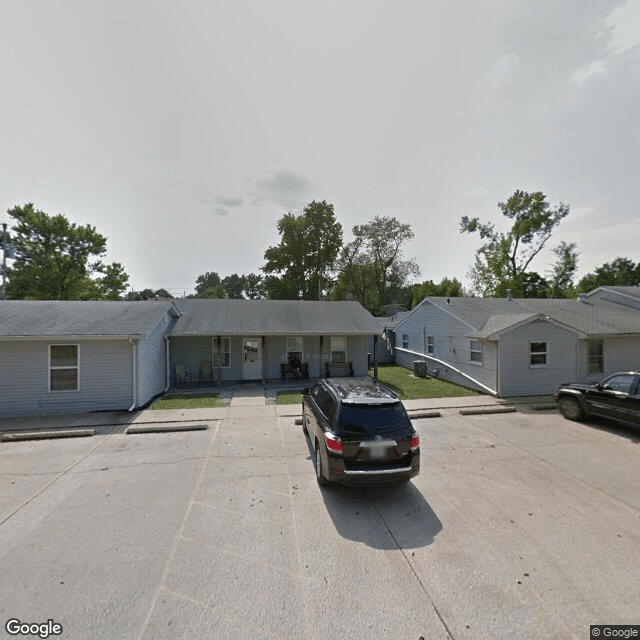
1 Holding Ln, Crystal City, MO 63019
To contact a resident: (636) 937-3851
For more information about senior living options: (866) 208-4318
Overall Review of Twin City Residential Home
Pros
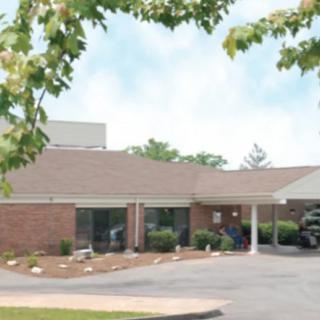
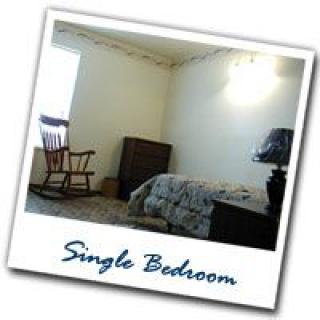
 The atmosphere is home-like rather than institutional.
- The residents are well fed and well kept.
- There are many wonderful facilities in the area.
Cons
 The facility is absolutely horrible.
- There is a resident who constantly gets out and the staff have no clue he’s gone; they appear shocked when confronted and are very rude.
- The resident walks the neighborhood wearing dirty clothes and never has shoes on.
- The resident has been caught by homeowners taking mail out of mailboxes and bringing it back to the facility.
- Homeowners have contacted Crystal City police and were told that the staff are working on fixing the issue, which has been a problem for over two years.
Review
Twin City Residential Home in Crystal City, MO is best suited for families that prioritize a small, home-like atmosphere where daily life feels domestic and personal rather than clinical. This setting tends to emphasize comfort and routine over formal programming, with meals reliably provided and residents kept fed and presentable. For those who want a place that feels like a residence rather than a traditional assisted living facility, this option can deliver on basic dignity and a familiar, non-institutional vibe.
Those who may want to consider alternatives are families with loved ones who require steady, vigilant supervision or specialized safety protocols. The most critical red flags in the available feedback center on safety and accountability: a resident who continually leaves the property is not consistently tracked, staff appear surprised or defensive when confronted, and neighbor and even police concerns have persisted for years. This combination suggests a chronic gap in supervision, communication, and problem resolution that cannot be dismissed as a temporary hiccup. For a senior with wandering risk, cognitive impairment, or high care needs, a larger, more accountable operation with clear incident reporting and proven safeguarding measures would be a wiser choice.
The positive notes speak to the core appeal of a home-like approach. When functioning as intended, the environment feels less like an institution and more like a shared residence. Residents are described as well fed and maintained, which supports daily comfort and a sense of normalcy. The emphasis on warmth and routine can make a meaningful difference for seniors who crave familiarity, private space, and a simpler, more intimate care setting. These elements are real strengths when families prioritize a gentle, non-clinical atmosphere and value the emotional tone of daily life.
Yet the principal drawbacks are hard to overlook. The most serious issue, persistent, unmanaged wandering of a resident for years, speaks to a fundamental failure in safety and oversight. The staff’s demeanor when confronted, coupled with the ongoing neighbor complaints and police involvement, underscores a pattern of problems that repeat and endure. Such failures have tangible repercussions: potential harm to the resident, liability concerns, and a deterioration of trust among families who rely on the facility to keep a loved one safe. In short, the risk profile here is high and not easily offset by the benefits of a homier setting.
From a decision-making standpoint, the balance rarely tilts in favor of staying when safety and accountability are at stake. The pros, dignified daily care and a comfortable, homey feel, are compelling but insufficient to compensate for chronic supervision gaps and unresolved safety issues. For families who can tolerate a looser safety net and place a premium on atmosphere, this can still work, provided stringent safeguards are put in place and ongoing oversight is assured. For most others, especially those with higher care needs or wandering risk, alternatives with stronger staffing, better incident tracking, and clearer escalation protocols are the prudent path.
In practical terms, potential buyers should approach Twin City with a clear checklist: request current staffing ratios and specific caregiver qualifications; demand a detailed wandering-prevention plan, including door monitoring and crisis protocols; review any recent incident logs and resolution timelines; meet directly with the administrator to assess responsiveness and empathy; and confirm neighborhood feedback channels and follow-through on complaints. If the answers fall short or if risk tolerance remains low, pivot to alternatives that offer larger staff teams, memory-care specialization, or explicitly documented safety measures. The mix of two strong positive impressions and two severe negative experiences, in a 3-out-of-4 community rating, signals a facility that works for some, but not for all, and requires careful, risk-aware scrutiny before placement.
 Assisted Living
 Activities on-site
 Devotional services off-site
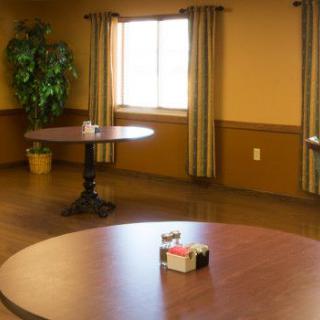
 Indoor common areas
 Ambulatory care
 Diabetic care
 Meals provided
 How and When Medicaid May Cover Assisted Living Costs
 A Detailed Exploration of Assisted Living Medicaid Waivers Across the United States
 Comprehensive Residential Support and Assisted Living Solutions for Individuals with Disabilities