


3260 Baisch Drive, De Soto, MO 63020
To contact a resident: (636) 586-2291
For more information about senior living options: (866) 208-4318
Overall Review of Baisch Nursing Center
Pros
 The staff were helpful, caring, and loving toward residents and their families.
- The nursing team met medical challenges with dignity and love.
- The kitchen staff accommodated residents' dietary requests.
- Laundry services cleaned clothes promptly.
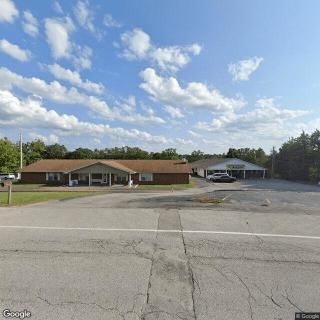
- The facility was clean and odor-free in a peaceful rural setting.
- The staff were kind, respectful, considerate, and attentive.
- Personal care at Baisch is unmatched and highly recommended.
- The staff went above and beyond, taking time to chat with residents and address their needs.
Cons
 There is a noticeable smell as soon as one enters the building.
- The aunt looked unkempt, with hair standing up, spots on her clothing, and never properly dressed for the season.
- The reviewer believed that the majority of staff were not properly supervised, if at all.
- The staff were inadequate for the number of patients.
- It is heartbreaking to think that elderly residents would spend their last days in such a place.
- The facility is described as a nicotine-stained hole in the wall and deserving of zero stars.
Review
Baisch Nursing Center in De Soto, Missouri, is best suited for families seeking a small, intimate setting where residents receive highly personalized attention, especially when memory challenges or chronic medical needs are a central concern. It works well for those who prize a calm, rural environment, consistent caregiver relationships, and staff who can be counted on to know the resident’s preferences and history. For families weighing options, it’s wise to compare against facilities that offer larger campuses, modern decor, and more robust staffing to ensure coverage across all shifts and services.
The strongest positives revolve around small-scale, compassionate care. Residents benefit from staff across nursing, dietary, and support departments who are consistently described as kind, respectful, and attentive. The nursing team is repeatedly praised for meeting medical challenges with dignity and dedication, and food service staff willingly accommodate dietary requests. Laundry is reliable, and the facility has historically been clean and odor-free, reinforcing a sense of calm and dignity for residents. Families frequently highlight personal touches, staff chatting with loved ones, small acts of service, and a willingness to go beyond routine duties to meet individual needs.
On the downside, several reviews flag potential staffing and supervision gaps that can blunt the otherwise strong caregiving base. Noted concerns include reports of odor or unkempt appearance during visits, and criticisms that the staff-to-patient ratio may be inadequate at times, with some accounts suggesting uneven supervision. One or two reviews emphasize a lack of modern amenities or sophistication, reinforcing that this is a smaller, plainer facility rather than a high-end or cutting-edge campus. A particularly stark negative review points to nicotine-related maintenance issues, underscoring how environmental maintenance and oversight matter to families choosing long-term care.
These pros and cons balance in a practical, decision-focused way. The intimate scale and consistent, caring demeanor of the staff can offset some concerns about less formal oversight because caregivers often know residents well and respond with personalized solutions. For families with loved ones who require Alzheimer’s care, end-of-life support, or steady daily routines, the personal connections and stability can be a decisive advantage. The cleanliness and dietary responsiveness further reinforce trust that basic quality of life is prioritized. Yet the recurring themes about staffing adequacy and episodic cleanliness lapses cannot be ignored; they act as a reminder to verify current operations and to observe how the facility handles heavier resident loads and peak times.
Alternatives should be considered for those who place a premium on supervision intensity, staffing consistency, or modern conveniences. Families expecting higher nurse-to-resident ratios, more visible administrative oversight, or a campus with expansive on-site services may find larger facilities a better fit. For residents with significant medical complexity or behavioral needs requiring around-the-clock attention and a broad suite of therapies, the potential gaps in staffing could translate into meaningful differences in daily care. In short, Baisch shines for intimate, compassionate, home-like care; it may fall short for households seeking the precision and polish that accompany bigger, more resource-rich communities.
Practically, a family choosing Baisch should plan a candid on-site assessment focused on staffing patterns and daily workflows. Ask for current nurse-to-resident ratios on both day and night shifts, inquire about supervision practices during peak activity, and review how often aides assist with mobility, hygiene, and feeding. Tour both the residential and medical areas during busy periods to observe whether staff can keep up with demand and whether residents appear well-groomed and engaged. Engage current residents or family members in conversations about responsiveness, dietary flexibility, and how well staff follow through on requests. If these test-drive questions yield confidence, Baisch offers a genuine, care-centered option in a quiet, small-scale setting; if not, the search should continue toward facilities with stronger staffing guarantees and more contemporary amenities.
 18 resident community capacity
 Assisted Living
 Board and Care Home
 Skilled Nursing Facility
 Cable or satellite TV
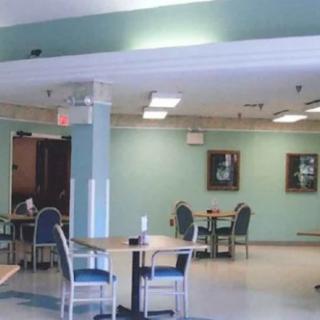
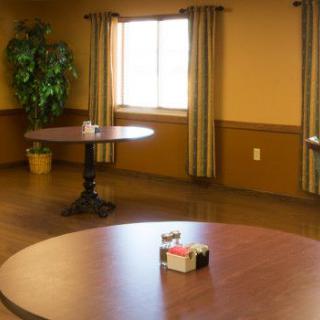
 Dining room
 Fully furnished
 Garden
 Housekeeping services
 Move-in coordination
 Outdoor space
 Telephone
 Wi-Fi/high-speed internet available
 24-hour supervision
 Activities of daily living assistance
 Assistance with bathing
 Assistance with dressing
 Assistance with transfers
 Diabetes diet
 Meal preparation and service
 Medication management
 Special dietary restrictions
 Transportation arrangement (medical)
 Transportation to doctors appointments




 Choosing the Right Senior Care: A Detailed Exploration of Assisted Living and Nursing Homes
 Understanding the True Cost of Assisted Living in 2025: A Comprehensive Guide
 Understanding Medicaid Coverage for Assisted Living: A Comprehensive Guide