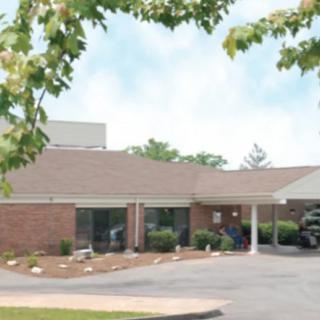
Hillcrest Care Center in De Soto, MO

Save

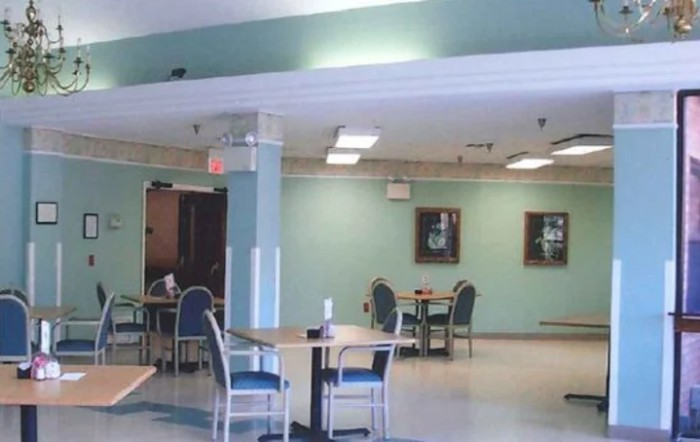
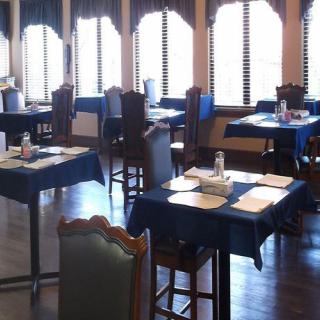
  • Interior

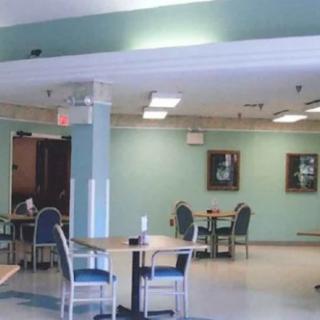
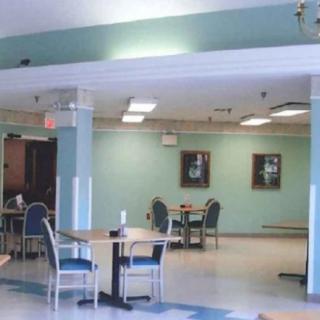
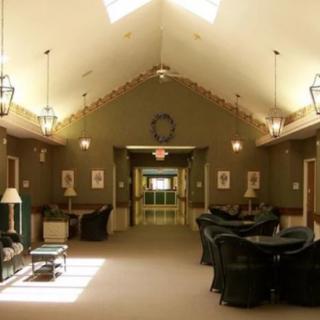
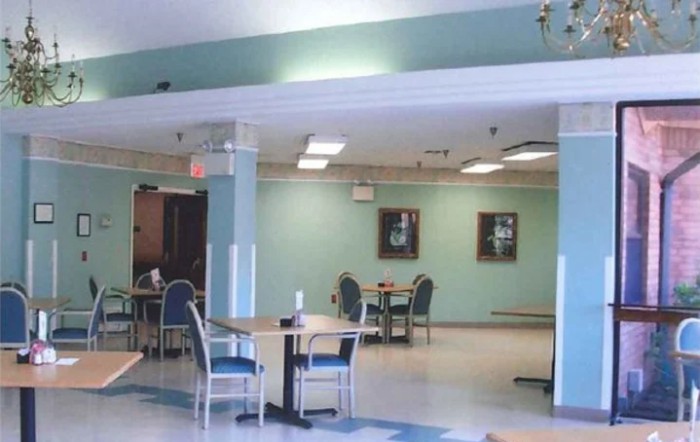
    A spacious dining area with tables and chairs, featuring soft lighting and framed artwork on the walls.
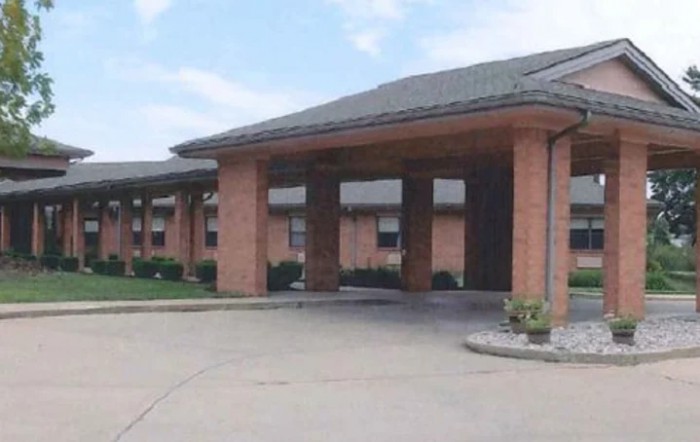
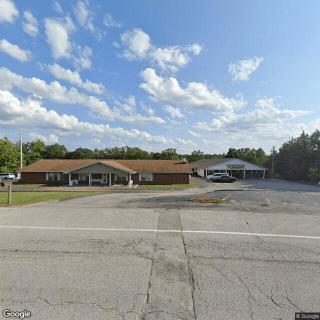
  • Outdoors

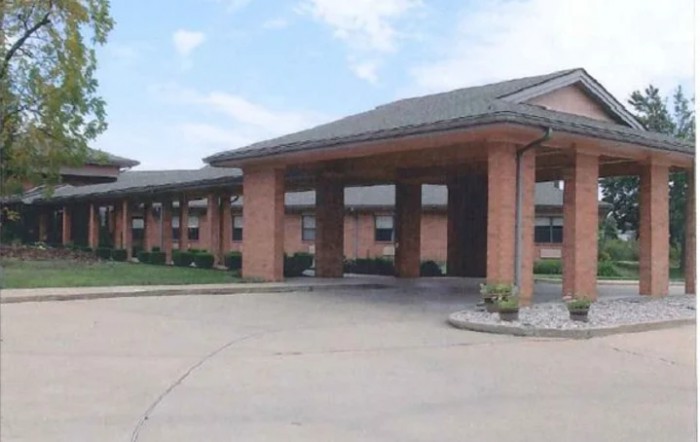
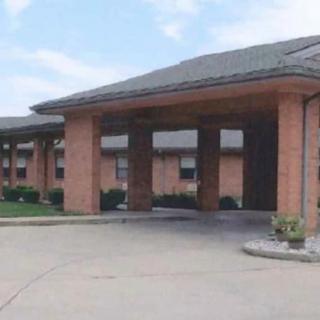
    A wide driveway leads to the entrance of a brick building under a partly cloudy sky.
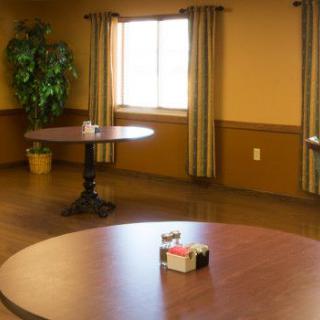
  • Decor

    A spacious dining area with tables and chairs, featuring soft lighting and wall decor.
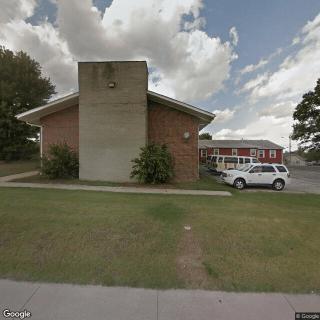
  • Building

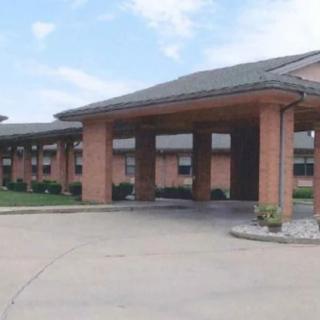
    A brick building with a covered entrance and driveway.
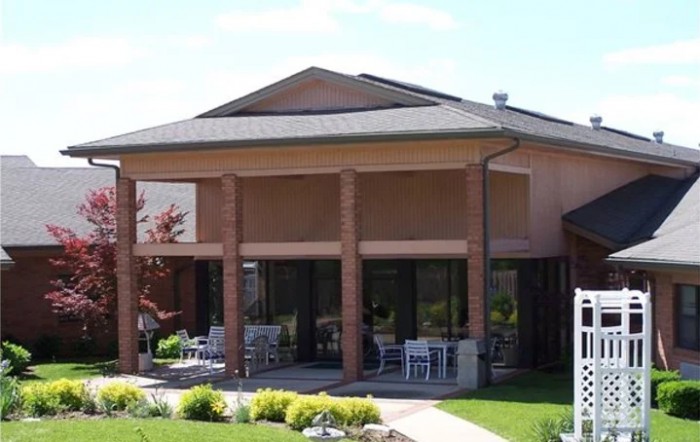
  • Landscaping

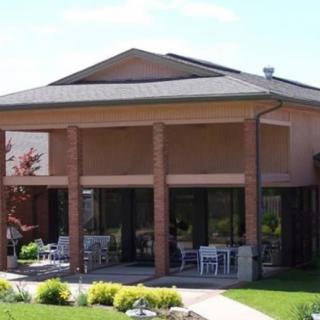
    A modern building with a shaded porch featuring tables and chairs, surrounded by a well-maintained garden under a sunny sky.
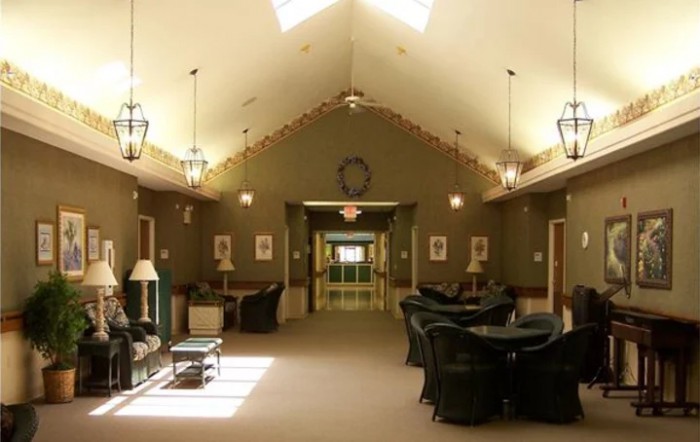
  • Lighting

    A spacious lounge area with comfortable seating and a vaulted ceiling.

Hillcrest Care Center in De Soto, MO

1108 Clarke Street, De Soto, MO 63020

For more information about senior living options: (844) 490-3973

3.5 from 42 reviews
5 stars
21
4 stars
4
3 stars
3
2 stars
2
1 stars
12

Skilled Nursing Facility

Hillcrest Care Center Costs & Pricing

Hillcrest Care Center offers competitive pricing for its accommodations compared to both Washington County and the broader Missouri market. For a one-bedroom unit, residents at Hillcrest can expect to pay $2,190 per month, significantly lower than the county average of $3,123 and the state average of $3,349. Similarly, two-bedroom units at Hillcrest are priced at $3,320, which is also below the county's rate of $3,578 and considerably less than the state average of $3,675. These cost differences highlight Hillcrest Care Center as a more economical choice for individuals seeking quality care in a comfortable living environment.

Floor plansHillcrest Care CenterWashington CountyMissouri
1 Bedroom$2,190$3,123$3,349
2 Bedrooms$3,320$3,578$3,675

Overall Review of Hillcrest Care Center

Pros

  • pro The staff members are very helpful.
  • pro The facility is top-of-the-line when it comes to care and compassion.
  • pro The night staff is awesome.
  • pro The administrator has gone above and beyond to ensure residents are comfortable and safe.
  • pro The rooms are nice and have enough space for belongings.
  • pro The facility is clean, well-maintained, and welcoming.
  • pro The activities director provides engaging activities for residents.
  • pro The nursing staff and CNAs have been amazing/ outstanding.

Cons

  • pro They claim the staff allow fall-risk residents to fall and take no responsibility, resulting in their mother's death from neglect.
  • pro They report the facility smells like urine and is severely understaffed, causing loved ones to receive inadequate care.
  • pro They say a nurse was extremely rude to their mother, hung up when asked about hospice, and accuse hospice staff of lying and harming older generations for their own benefit.
  • pro They state the facility was a Covid hotspot and that family members were not allowed to see loved ones, which they believe led to major neglect.
  • pro They describe a chaotic environment with never enough staff, many on break or smoking, and residents who are unsafe.
  • pro They allege a persistent stench of human waste and that the place has not been properly cleaned, raising questions about where facility funds go.
  • pro They claim the staff are not clean and are rude, and they would never place their grandfather there.
  • pro They report poor communication between staff, lying to cover for others, no follow-through on family concerns, and slow response to alerts.
  • pro They mention understaffing and lack of memory care leading to unsafe conditions, and they would not recommend it.
  • pro They say the staff became heartless after a loved one died, and that administration failed to provide compassionate care.

Review

Hillcrest Care Center in De Soto, Missouri, is best suited for families seeking a warm, homey nursing option where attentive staff can deliver genuine personal contact when shifts are adequately staffed. The community works well for residents who do not require advanced memory-care supervision and for families who can be actively involved - visiting often, asking questions, and pushing for timely answers. When caregivers are present and engaged, residents tend to experience friendly interactions, routine-based care, and hands-on assistance with daily activities and rehabilitation. The environment - well-lit, clean, and conducive to socializing - supports mood and engagement, making Hillcrest a practical choice for families prioritizing connection and consistent bedside care over clinical distance.

Those who may want to consider alternatives are primarily any with high-acuity needs that demand constant, highly coordinated nursing, or those seeking robust, secure memory-care. Reviews repeatedly flag understaffing and uneven care, translating into slower responses and inconsistent attention to fall risks or basic needs. For families prioritizing flawless communication, predictable quality from shift to shift, and transparent operations, other options with stronger nurse-to-resident ratios may be wiser. Residents with dementia or wandering risk should scrutinize whether memory-care capabilities and safety protocols are truly present elsewhere, since Hillcrest's offerings in this area are unevenly documented.

On the plus side, Hillcrest earns credibility where consistent staffing and genuine care come together. Observers praise caregivers who treat residents like family, remember names, and facilitate meaningful social contact, exercise, and therapy. The existence of an activities director, accessible therapy services, a garden, and a schedule of programs contributes to rehab potential and ongoing quality of life for long-term residents. Night staff is frequently highlighted as dependable, and several families note administrators and front-line teams who go out of their way to accommodate individual needs. Cleanliness and a pleasant atmosphere in many visits further reinforce the sense of a supportive community when operations are steady.

Yet the strongest concerns cannot be dismissed. Recurrent complaints center on understaffing, inconsistent care across shifts, and communication gaps that frustrate families and residents alike. Odors and cleanliness issues appear in multiple accounts, signaling problems with basic hygiene that matter most to fall-prone or incontinent individuals. The most troubling reports describe neglect or miscommunication around hospice decisions, with serious implications for safety and trust. While the favorable anecdotes about compassionate staff and good programs offer hope, they do not fully offset the risk of care lapses when staffing is stretched or leadership lacks rigorous oversight.

Practical considerations matter when weighing Hillcrest's fit. Prospective families should plan multiple visits at different times of day, speaking with direct-care staff and requesting a concrete, up-to-date care plan with assigned responsibilities. The facility's older footprint is offset by reliable cleanliness, and the bright rooms plus proximity to home reduce practical friction for daily family involvement. Positive experiences around rehab progress, social connections, and personal attention show what Hillcrest can deliver when governance is solid and families stay engaged. Food quality and specific memory-care needs appear variable, suggesting that expectations should be calibrated to personal priorities and medical requirements.

In sum, Hillcrest Care Center represents a viable option for families who can actively participate in care, demand dependable staff engagement, and value a friendly, home-like environment - provided the resident's needs aren't dominated by memory-care demands or high-acuity nursing. For those with substantial memory-care requirements, high fall-risk, or a track record of communication challenges, exploring alternatives is prudent. If choosing Hillcrest, insist on a current staffing plan, request tours across shifts, and seek references from families with similar needs. When a hands-on approach, transparent updates, and genuinely caring caregivers align with priorities, Hillcrest offers a workable path to supported living, albeit one that requires careful oversight and ongoing advocacy.

Features

Housing

  • 120 resident community capacity 120 resident community capacity

Types of Care

  • Skilled Nursing Facility Skilled Nursing FacilitySkilled Nursing Facilities are crucial for seniors as they provide round-the-clock medical care, rehabilitation services, and assistance with daily activities. These facilities ensure that seniors receive the specialized care they need to maintain their health and well-being as they age.

Amenities

  • Air-conditioning Air-conditioningAir conditioning is important for seniors as they are more vulnerable to heat-related illnesses and may have underlying health conditions that make it difficult for them to regulate their body temperature. It helps to keep them comfortable, safe, and healthy in hot weather.
  • Beauty salon Beauty salonBeauty salons are important for seniors because they provide a space for them to feel pampered, socialize, and maintain their personal grooming and hygiene. Regular visits to a beauty salon can help boost seniors' self-esteem and overall well-being.
  • Cable or satellite TV Cable or satellite TVCable or satellite TV is important for seniors because it provides entertainment, news, and companionship, helping to combat loneliness and boredom. It also offers a wide range of programming options tailored to different interests and preferences.
  • Computer center Computer centerA computer center is essential for seniors as it provides access to technology, communication tools, and resources that can enhance their daily lives. It allows them to stay connected with loved ones, engage in online activities, and learn new skills, ultimately promoting socialization and mental stimulation.
  • Dining room Dining roomDining rooms are important for seniors as they provide a space for socialization, connection, and nutritious meals. They offer opportunities for residents to bond over shared meals, foster a sense of community, and promote healthy eating habits. Dining rooms also ensure that seniors have access to well-balanced meals tailored to their dietary needs and preferences.
  • Fitness room Fitness roomHaving a fitness room in a senior living community is essential for seniors to stay active, maintain their physical health, and improve their overall well-being. Regular exercise can help prevent falls, reduce the risk of chronic diseases, and promote mental sharpness. It also provides social opportunities for residents to connect with others and enjoy a sense of community.
  • Fully furnished Fully furnishedFully furnished senior living communities are important for seniors because they provide convenience, comfort, and a hassle-free moving experience. Seniors can easily settle into their new living space without the stress of having to buy and move furniture. This allows them to focus on enjoying their new home and community.
  • Gaming room Gaming roomGaming rooms are important for seniors as they provide a fun and engaging environment for socializing, cognitive stimulation, and physical activity. Games can improve memory, problem-solving skills, and overall mental well-being while fostering friendships and reducing feelings of isolation.
  • Garden GardenGardens are important for seniors as they provide a peaceful and therapeutic environment for relaxation, physical activity, and socialization. Being in nature has been shown to reduce stress, improve mood, and promote overall well-being. Gardens also offer opportunities for seniors to engage in gardening activities, which can improve mobility, flexibility, and cognitive function. Additionally, gardens create a sense of community and connection with others who share a passion for plants and outdoor spaces.
  • Housekeeping services Housekeeping servicesHousekeeping services are important for seniors because they help maintain a clean and safe living environment, promote independence, and reduce the risk of accidents or illnesses. Additionally, having assistance with household chores can alleviate physical strain and allow seniors to focus on other aspects of their well-being.
  • Kitchenette KitchenetteKitchenettes are important for seniors living in senior living communities because they provide the convenience and independence of being able to prepare simple meals and snacks in the comfort of their own living space. This can help promote a sense of autonomy and well-being for seniors, allowing them to maintain some level of control over their dietary choices and daily routines.
  • Move-in coordination Move-in coordinationMove-in coordination is important for seniors because it helps ease the transition into their new living environment. It ensures that all logistics, such as packing, organizing movers, and setting up utilities are taken care of, allowing seniors to focus on settling in and adjusting to their new home. Having a smooth move-in process can alleviate stress and anxiety, making the transition smoother and more enjoyable for seniors.
  • Outdoor space Outdoor spaceOutdoor spaces are important for seniors as they provide opportunities for physical activity, social interaction, exposure to natural light and fresh air, and a sense of connection to nature. Having access to outdoor spaces can improve overall well-being and quality of life for older adults living in senior communities.
  • Private bathrooms Private bathroomsPrivate bathrooms are important for seniors in senior living communities because they provide independence, dignity, and comfort. Having a private bathroom allows seniors to maintain their personal hygiene routines without the need for assistance, promoting a sense of autonomy and privacy. Additionally, private bathrooms help prevent the spread of infections and provide a safe and clean environment for seniors to navigate safely.
  • Restaurant-style dining Restaurant-style diningRestaurant-style dining is important for seniors because it allows them to enjoy delicious, nutritious meals in a social and upscale setting. This enhances their dining experience, promotes healthy eating habits, and fosters socialization with fellow residents, ultimately contributing to their overall well-being and quality of life.
  • Small library Small librarySmall libraries are important for seniors as they provide access to a variety of reading materials, including books, newspapers, and magazines. This can help stimulate their minds, keep them engaged, and provide a sense of community through book clubs and other social activities. Additionally, reading has been shown to improve cognitive function and overall mental well-being in older adults.
  • Telephone TelephoneTelephones are important for seniors as they provide a lifeline for communication with loved ones, emergency services, and healthcare providers. They offer a sense of security and independence, enabling seniors to stay connected and access assistance when needed.
  • Wellness center Wellness centerWellness centers are important for seniors because they offer a variety of programs and services that promote physical, mental, and emotional well-being. These centers provide opportunities for exercise, socialization, education, and relaxation, helping seniors maintain their overall health and quality of life.
  • Wi-Fi/high-speed internet available Wi-Fi/high-speed internet availableWi-Fi/high-speed internet is important for seniors to stay connected with loved ones, access online resources, and participate in virtual activities to combat feelings of loneliness and isolation. It also allows them to easily manage healthcare needs, access entertainment, and engage in lifelong learning opportunities.

Transportation

  • Community operated transportation Community operated transportationCommunity operated transportation is crucial for seniors as it provides them with the means to access essential services, social activities, and medical appointments. It allows seniors to maintain their independence and quality of life by ensuring they can participate in activities outside of their homes. Additionally, community-operated transportation services offer a safe and reliable way for seniors to travel without having to rely on family or friends for assistance.
  • Transportation arrangement Transportation arrangementTransportation arrangements are crucial for seniors as they may face challenges with driving, mobility, or access to public transportation. Having reliable transportation services ensures that seniors can easily attend appointments, social activities, and maintain their independence and quality of life.

Care Services

  • 24-hour call system 24-hour call system24-hour call systems are important for seniors because they provide peace of mind and immediate assistance in case of emergencies. This technology ensures that help is always available, promoting safety and security for elderly individuals living alone or in assisted living facilities.
  • 24-hour supervision 24-hour supervision24-hour supervision is important for seniors to ensure their safety, well-being, and access to immediate assistance in case of emergencies or health issues. This constant support provides peace of mind for both seniors and their loved ones, allowing them to age in place with dignity and security.
  • Activities of daily living assistance Activities of daily living assistanceActivities of daily living assistance are important for seniors because they provide essential support with tasks such as eating, bathing, dressing, and mobility. This assistance helps seniors maintain their independence, dignity, and overall quality of life as they age.
  • Assistance with bathing Assistance with bathingAssistance with bathing is crucial for seniors as it helps maintain personal hygiene, prevents infections, and ensures their overall well-being and comfort. It also provides a sense of dignity and independence for seniors who may struggle with this task on their own.
  • Assistance with dressing Assistance with dressingAssistance with dressing is important for seniors because it helps maintain their independence, promotes personal hygiene, prevents accidents and injuries, and improves overall quality of life. This service ensures that seniors can continue to dress comfortably and confidently, despite any physical limitations they may have.
  • Assistance with transfers Assistance with transfersAssistance with transfers is crucial for seniors as it helps prevent falls and injuries, maintains their independence, and ensures they can safely navigate their living environment. It also provides peace of mind for both seniors and their loved ones.
  • Diabetes diet Diabetes dietA diabetes diet is crucial for seniors as it helps manage blood sugar levels, reduce risks of complications, and improve overall health and well-being. By following a balanced and nutritious diet tailored to their specific needs, seniors can better control their diabetes and enhance their quality of life.
  • Meal preparation and service Meal preparation and serviceMeal preparation and service are crucial for seniors as they may have limited mobility or energy to cook nutritious meals. Having access to healthy and convenient food options can ensure they are getting the proper nutrition needed to maintain their overall health and well-being.
  • Medication management Medication managementMedication management is crucial for seniors to ensure they are taking the right medications at the correct dosages and times. This helps prevent adverse drug interactions, reduces the risk of medication errors, and promotes overall health and well-being. Proactive management also allows for adjustments as needed based on changing health conditions or new prescriptions.
  • Special dietary restrictions Special dietary restrictionsSpecial dietary restrictions are important for seniors because age-related changes in metabolism and health conditions can make it difficult for their bodies to process certain foods. By following a diet tailored to their specific needs, seniors can maintain their overall health and well-being, manage chronic conditions, and reduce the risk of complications such as malnutrition or food interactions with medications.

Dining

  • Diabetes diet Diabetes dietA diabetes diet is crucial for seniors as it helps manage blood sugar levels, reduce risks of complications, and improve overall health and well-being. By following a balanced and nutritious diet tailored to their specific needs, seniors can better control their diabetes and enhance their quality of life.
  • Special dietary restrictions Special dietary restrictionsSpecial dietary restrictions are important for seniors because age-related changes in metabolism and health conditions can make it difficult for their bodies to process certain foods. By following a diet tailored to their specific needs, seniors can maintain their overall health and well-being, manage chronic conditions, and reduce the risk of complications such as malnutrition or food interactions with medications.

Activities

  • Community-sponsored activities Community-sponsored activitiesCommunity-sponsored activities are important for seniors as they provide opportunities for social interaction, mental stimulation, and physical activity. These activities can help improve overall well-being, combat loneliness and isolation, and promote a sense of belonging and purpose among older adults.
  • Concierge services Concierge servicesConcierge services are essential for seniors as they provide assistance with daily tasks and errands, enhance their quality of life by offering convenience and personalized care, and promote a sense of safety and security.
  • Fitness programs Fitness programsFitness programs are crucial for seniors as they help improve strength, flexibility, balance, and overall well-being. Staying active can reduce the risk of chronic diseases, improve mental health, and enhance quality of life in older adults.
  • Planned day trips Planned day tripsPlanned day trips are important for seniors because they offer opportunities for socialization, mental stimulation, and physical activity. They provide a change of scenery and help seniors stay engaged and connected to their community, promoting overall well-being and quality of life.
  • Resident-run activities Resident-run activitiesResident-run activities are important for seniors as they encourage social interaction, creativity, and a sense of autonomy. These activities empower seniors to stay engaged and active in their community while fostering meaningful connections with their peers.
  • Scheduled daily activities Scheduled daily activitiesScheduled daily activities are important for seniors because they provide structure, socialization, mental stimulation, and physical activity. Engaging in regular activities can improve overall well-being and quality of life for seniors living in a community setting.

Description

Hillcrest Care Center in De Soto, MO is a premier assisted living community that offers a wide range of amenities and care services to ensure a comfortable and fulfilling experience for its residents.

Residents at Hillcrest can enjoy the convenience of having an on-site beauty salon where they can receive professional hair and beauty treatments. They can also stay entertained with cable or satellite TV in their fully furnished apartments, or socialize with friends in the gaming room or small library.

Hillcrest provides community-operated transportation to help residents get around town easily. They also have a computer center and Wi-Fi/high-speed internet access available for those who want to stay connected and engaged online.

The dining experience at Hillcrest is restaurant-style, with delicious meals prepared by the staff. Special dietary restrictions are accommodated, including diabetes diets, ensuring that residents' nutritional needs are met.

Care services are available 24/7, with staff providing assistance with activities of daily living such as bathing, dressing, and transfers. Medication management is also offered to ensure that residents take their prescribed medications accurately.

To keep residents active and engaged, Hillcrest offers a variety of activities such as fitness programs, planned day trips, and resident-run activities. Daily activities are scheduled to provide opportunities for socialization and recreation.

Located in De Soto, MO, Hillcrest has convenient access to various amenities in the surrounding area. There are nearby cafes, parks, pharmacies, physicians' offices, restaurants, places of worship, and theaters for residents to explore.

At Hillcrest Care Center in De Soto, MO, residents can expect excellent care services combined with a variety of amenities that promote wellness and social engagement. It's the perfect place for seniors looking for a vibrant community where they can enjoy their golden years surrounded by friends and caring staff members.

Nearby Places of Interest

Physicians

  • Patel Ashutosh (0.8 miles)
  • Crawford Steven D DO (1 miles)
  • Desoto Family Practice (1 miles)
  • Hometown Healthcare of Desoto (1 miles)
  • Advanced Psychiatric Services (9.2 miles)
  • Midwest Oral Maxillofacial & Implant Surgery (9.5 miles)
  • Draves Family Practice (9.5 miles)

Places of Worship

  • First Baptist Church (0.9 miles)
  • Kingdom Hall-Jehovah's Witness (1.1 miles)
  • Saint Rose of Lima (1.2 miles)
  • Grace Lutheran Church Lcms (1.2 miles)
  • Trinity Episcopal Church (1.3 miles)
  • Southern Baptist Convention (2.6 miles)
  • Victoria United Methodist Church (2.8 miles)

Cafes

  • Bistro at the Square (1 miles)
  • Panera Bread (9.6 miles)
  • Starbucks (9.6 miles)

Restaurants

  • El Lobo Rojo (1 miles)
  • Pizza Hut (1 miles)
  • Subway (1.1 miles)
  • Hardee's (5.5 miles)
  • Los Portales (5.5 miles)
  • McDonald's (6.6 miles)
  • The Pasta House (8.9 miles)

Pharmacies

  • Westland Pharmacy (1 miles)
  • Westland - Health Mart Pharmacy (1 miles)
  • Medicine Shoppe (1 miles)
  • Medicine Shoppe 1376 (1 miles)
  • Walgreens (1.2 miles)
  • Apothecary (9.6 miles)
  • CVS Pharmacy (9.6 miles)

Theaters

  • Melba Theatre (1.2 miles)
  • B & B Theatres (9.1 miles)

Parks

  • Walther Park (2 miles)
  • West City Park (8.9 miles)
  • Morse Mill Park (9.4 miles)
  • Guinea Pig Palace (9.7 miles)
  • Crystal City Park Workshop (11.1 miles)
  • Missouri State (12.4 miles)

Hospitals

  • Esse Health (9.2 miles)
  • P and O Care-Crystal City Festus (9.5 miles)

Transportation

  • The Festus Airport (10 miles)
  • Jefferson County Taxi Cab Services (10.3 miles)
  • Union Pacific Railroad (10.6 miles)

Frequently Asked Questions

How much does it cost to live at Hillcrest Care Center in De Soto, MO?
Where is Hillcrest Care Center?
What photos are available for Hillcrest Care Center in De Soto, Missouri?

Nearby Communities

  • My Place Too

    My Place Too

    De Soto, MO

    5 from 11 reviews
    $2,500 / month

    pro Cost-effective assisted living with restaurant-style dining, on-site activities, beauty salon, and 24-hour care.

  • Loving Care Rest Home Inc

    Loving Care Rest Home Inc

    De Soto, MO

    5 from 16 reviews
     

    pro Dedicated staff and a welcoming, community-focused environment.

  • The Villas StoneBridge Senior Living Community

    The Villas StoneBridge Senior Living Community

    De Soto, MO

    4.5 from 2 reviews
    $2,378 to $3,276 / month

    pro Caring staff in a clean, comfortable setting

  • Sunnyhill Independence Center

    Sunnyhill Independence Center

    De Soto, MO

    4 from 1 review
     

    pro 24/7 supervision and medication management in a furnished, amenity-rich community.

  • Baisch Nursing Center

    Baisch Nursing Center

    De Soto, MO

    4.2 from 12 reviews
     

    pro Clean, well-maintained setting with compassionate, personalized care in a smaller, attentive community.

  • Festus Manor

    Festus Manor

    Festus, MO

    3.1 from 63 reviews
     

    pro Attentive staff providing good care; clean facility with Medicaid-friendly options.

  • Crystal Oaks

    Crystal Oaks

    Festus, MO

    3.7 from 59 reviews
    $3,300 / month

  • My Place Residential Care

    My Place Residential Care

    Festus, MO

    4.8 from 16 reviews
    $2,650 / month

  • Scenic Nursing And Rehabilitation Center

    Scenic Nursing And Rehabilitation Center

    Herculaneum, MO

    3.7 from 52 reviews
     

    pro Caring staff in a clean, quiet, intimate setting with garden and responsive management.

Related Resources

  • living will definitionA Detailed Exploration of Living Wills and Advance Directives

    The article examines living wills and advance directives, highlighting their significance in expressing healthcare preferences for those unable to communicate due to illness or incapacity. It discusses their historical development, legal components, limitations, practical drafting advice, and the importance of clear communication among families and healthcare professionals regarding end-of-life decisions.

  • does medicare cover hospiceComprehensive Guide to Medicare Coverage for Hospice Care

    Hospice care focuses on providing comfort and support for individuals nearing the end of life, with Medicare Part A covering services like nursing care and counseling for patients with a terminal illness and a life expectancy of six months or less. While most hospice services are low-cost for eligible patients, families should be aware that certain expenses, such as room and board, may not be covered.

  • caregiver burnoutCaring for Those Who Care: Recognizing, Understanding, and Overcoming Caregiver Burnout
    Caregiver burnout is a common issue resulting from the intense physical, emotional, and mental demands of caregiving, leading to symptoms like fatigue and social withdrawal. To prevent burnout, caregivers should recognize early warning signs and implement self-care strategies, seek support, and prioritize their own well-being alongside that of those they care for.