
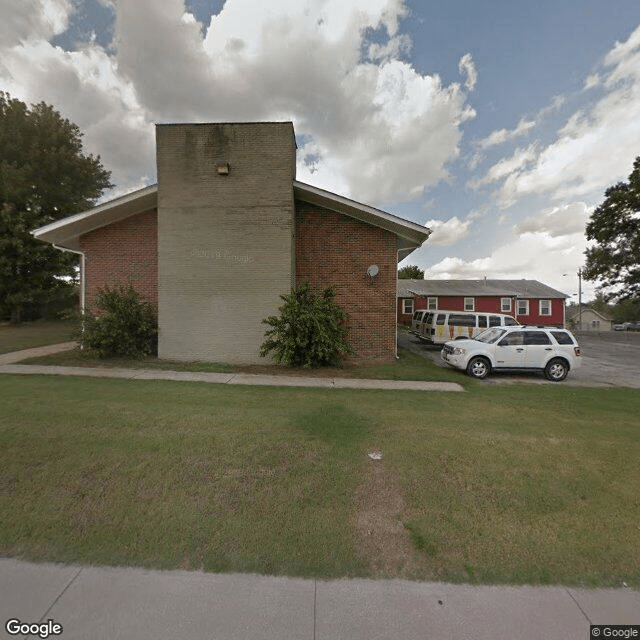
23 N 6th St, Festus, MO 63028
To contact a resident: (636) 933-1793
For more information about senior living options: (866) 208-4318

My Place Residential Care Costs & Pricing
My Place Residential Care offers competitive pricing for its services, with costs for both room types significantly lower than the averages for St. Francois County and the state of Missouri. For a one-bedroom accommodation, residents pay $2,650 per month, which is notably more affordable compared to the county average of $3,425 and the state average of $3,349. Similarly, the semi-private room option at My Place Residential Care also stands out at $2,650 per month, well below St. Francois County's average of $3,015 and Missouri's average of $3,772. This pricing not only ensures accessibility but also reflects a commitment to providing quality care in a supportive environment.
| Floor plans | My Place Residential Care | St. Francois County | Missouri |
|---|---|---|---|
| 1 Bedroom | $2,650 | $3,425 | $3,349 |
| Semi-Private | $2,650 | $3,015 | $3,772 |
Assisted Living communities with a similar price nearby
-
from +$190 / mo
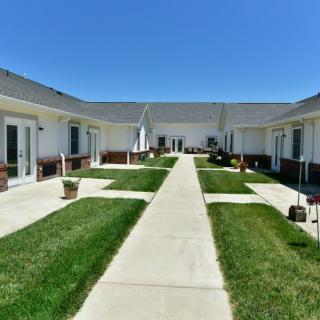
Garden Place Waterloo
$2,840 to $4,150 / month14.8 miles away -
from +$190 / mo

Garden Place of Red Bud
$2,840 to $3,235 / month22.0 miles away -
from -$150 / mo
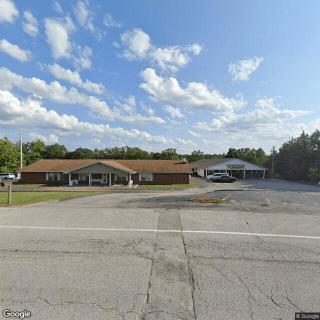
My Place Too
$2,500 / month10.8 miles away -
from +$190 / mo

Garden Place of Millstadt
$2,840 to $3,740 / month22.9 miles away -
About the same

Garden Villas South
$2,615 to $4,800 / month17.7 miles away
Overall Review of My Place Residential Care
Pros
 They love everything about My Place.
- The staff are caring and amazing.
- The management and staff are fantastic.
- The residence offers amazing activities and social events for residents.
- Residents are treated with love and given opportunities to live life to the fullest.
- Residents enjoy the fun activities and make many friends with staff and other residents.
- The place is described as a wonderful, caring, and genuinely loving home.
Cons
 The facility is understaffed, with only one MA in the morning for 44 residents, making proper medication timing and spacing impossible (eye drops and blood pressure checks).
- The first-shift MA yells at residents.
- Staff keep residents' food in the facility pantry and sometimes refuse to give residents the paid-for food.
- Staff threaten employees with cameras, and the cameras reveal neglect imposed by the facility.
Review
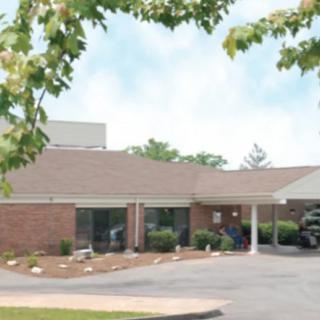
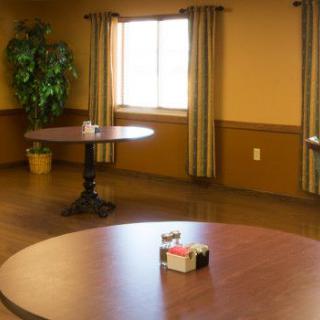
My Place Residential Care in Festus, MO is best suited for seniors who want a warm, home-like environment where relationships with staff feel personal and daily life centers on social connection, community involvement, and meaningful activities. This is a setting where residents often describe the atmosphere as loving, approachable, and nurturing, with staff who prioritize companionship and everyday friendliness. It works well for individuals who are independent enough to enjoy a rich activity schedule but still appreciate frequent, hands-on support from a caring team. For those who value family-style care and a strong sense of belonging, this community tends to deliver.
That said, families considering alternatives should note that one review raises red flags about staffing levels and operational gaps, particularly on morning shifts, along with concerns about food access and potential neglect. The same account mentions surveillance tools and tense responses from management, which could be a signal for scrutinizing how well staffing aligns with resident needs on a daily basis. For families whose primary priority is rigorous, around-the-clock medical oversight, a larger, more tightly regulated facility with a documented acuity continuum may be a better fit. Also, if transparency about policies and a consistently predictable routine are non-negotiable, those should be confirmed during tours.
The predominant positives here, staff dedication, genuine affection among residents, and a lively calendar of activities, often outweigh the concerns raised in a single negative report. Multiple witnesses describe management as fantastic and the entire team as genuinely caring, creating an environment where residents feel valued and engaged. The culture emphasizes social opportunities, with residents forming friendships, participating in outings, and enjoying events that give life purpose beyond routine care. This sense of belonging helps residents stay socially engaged and emotionally supported, which is a critical factor for quality of life in a residential setting.
Beyond interpersonal warmth, the facility earns praise for consistency in positive interactions and the opportunity to build meaningful routines. Long-tenured residents speak warmly about making friends with both peers and staff, reinforcing a stable, familiarlike atmosphere. The presence of programs and activities designed to stimulate and entertain contributes to a perception of ongoing liveliness rather than institutional monotony. This combination of camaraderie and purposeful activity often translates into well-being, making My Place a compelling choice for residents who thrive on companionship and daily engagement.
From a practical standpoint, families evaluating this community should verify staffing patterns during tours and ask specific questions about medication administration, meal service, and how care plans adapt if health needs evolve. The most concerning report highlights a potential mismatch between resident load and staffing, an issue worth addressing upfront with administrators. Prospective residents should seek clear assurances about the number of aides on each shift, how medications are managed across the day, and how the facility handles situations when staff are stretched thin. Inquiries about resident monitoring, documentation practices, and how feedback is acted upon can provide a clearer picture of day-to-day reliability.
The bottom line is that My Place Residential Care is a strong option for families seeking a personable, activity-rich, family-like community where residents feel seen, heard, and connected. Its strengths lie in the quality of relationships, the warmth of interactions, and a vibrant calendar of social opportunities that give residents purpose and joy. However, potential buyers should enter with a critical eye toward staffing consistency and operational transparency, especially on morning shifts and with medication workflows. If a resident requires very high levels of medical supervision or if a consistently predictable, policy-driven environment is essential, exploring alternatives with a clearer acuity framework is prudent. Schedule a detailed visit, ask for direct conversations with current residents and their families, and pay close attention to how the team responds to questions about staffing, meals, and daily routines.
 Assisted Living
 Activities on-site
 Air-conditioning
 Cable or satellite TV
 Devotional services off-site
 Ground floor units
 Indoor common areas
 Respite or short term stays offered
 Wi-Fi/high-speed internet available
 Diabetic care
 High acuity care
 Incontinence care
 Medication management
 Guest meals
 Art classes
 Cards / pinochle club
 Catholic services
 Day trips and outings
 Karaoke
 Live dance or theater performances
 Stretching classes
 Trivia games
 Walking club


 Comprehensive Residential Support and Assisted Living Solutions for Individuals with Disabilities
 Comprehensive Supportive Living Arrangements for Adults with Disabilities
 Funding and Affording Assisted Living: A Thorough Overview