
129 Gray Street, Festus, MO 63028
For more information about senior living options: (866) 208-4318
Overall Review of Colonial House Of Festus II
Pros
 His dad is happy with the medication route he’s on.
- The relationships with the staff seem to be good.
- There are many residents with varying needs, creating a positive sense of community.
- His dad can sit outside on the patio, have conversations, and smoke a cigarette whenever he wants.
- For people who can’t do it alone anymore but still want freedom and cigarettes, this place is a good fit.
Cons
 This place has bed bugs.
- The place sucks.
- If a resident ever needs more than Colonial House can provide, it would be a sad day because their quality of life would be declining.
- It is not a super fancy place with tons of bells and whistles.
Review
Colonial House Of Festus II in Festus, Missouri is best suited for seniors who can function with light to moderate assistance and who insist on preserving a degree of autonomy. Families balancing a desire for supervision with a wish to maintain personal freedoms will find this community appealing, especially for residents who aren’t ready for intensive medical care but still need some daily support. The setting tends to attract individuals who want routine social contact, practical day-to-day structure, and the ability to pursue personal preferences, like outdoor time and a smoking option, without surrendering independence entirely. The staff’s ability to form steady relationships and deliver consistent daily care stands out as a practical, tangible strength for those who view companionship and predictable support as essentials.
That said, serious caveats demand attention. This option is not appropriate for residents who require robust safety protocols, high-level medical oversight, or comprehensive memory-care services. Families should explicitly consider alternatives if a clean, pest-free, highly maintained environment is non-negotiable, or if the resident’s needs include intensive wound care, frequent physician visits, or significant cognitive decline. With four one-star reviews among six, the facility’s quality and safety controls should be measured against the most stringent expectations, those seeking a tightly managed, pristine setting will likely be disappointed.
The strongest positives, relationship-driven care, flexibility, and a livable, unpretentious atmosphere, do carry real value. Staff rapport and a resident mix that accommodates multiple levels of need can reduce friction and support a sense of community. The ability for a resident to sit on a patio, engage in conversations, and modestly regulate personal freedoms (such as smoking outdoors) preserves dignity and day-to-day comfort for individuals who prize autonomy over upscale amenities. Medication management appears to operate smoothly enough to reassure families that basic clinical routines are in place. Yet these advantages exist beside a troubling undertow: credible reports of bed bugs and overall cleanliness issues that undermine safety and comfort, casting a long shadow over everyday living.
In practice, the practical benefits offset the concerns only for families whose top priorities are independence and social engagement. If a resident’s daily life can largely proceed without heavy medical attention, and if quality time with staff and neighbors matters more than flawless housekeeping, Colonial House may deliver meaningful continuity of life at a lower level of formality. For residents who value freedom to come and go, to socialize without heavy programming, and to maintain personal rituals, this community can feel like a workable compromise rather than a retreat into a tightly controlled environment. The caveat is that the risk of infestations or subpar maintenance can derail comfort and peace of mind for anyone with sensitivities or a heightened focus on infection-control standards.
Families should approach a tour with concrete questions and a sharp checklist. Inspect pest-control records and housekeeping practices; request recent maintenance logs and a tour of common areas to assess odors, clutter, and overall care. Meet frontline caregivers and observe how they respond to calls for assistance and how they document medications. If memory-related needs loom, ask about the availability of dedicated memory-care options in the same campus family or nearby facilities that might provide more structured support, safety features, or nurse supervision. A short trial period, where feasible, can reveal whether the resident’s expectations align with the actual routine, pace, and atmosphere.
The bottom line: Colonial House Of Festus II serves a niche audience, older adults who want to stay as self-directed as possible while receiving modest support, and who value personal freedom and social engagement over pristine conditions or intensive clinical oversight. For families whose loved one requires stronger safety nets, meticulous cleanliness, or dedicated memory-care programming, alternatives likely offer more reliable peace of mind. For the right resident, one who can tolerate variable maintenance standards in exchange for outdoor time, accessible staff, and a less restrictive cadence, this community can deliver dignity and companionship. The key is a candid comparison with nearby options to ensure the chosen path aligns with the resident’s needs, the family’s risk tolerance, and the goal of preserving quality of life without compromising safety.
 23 resident community capacity
 Assisted Living
 Beauty salon
 Cable or satellite TV
 Dining room
 Fully furnished
 Garden
 Housekeeping services
 Kitchenette
 Move-in coordination
 Outdoor space
 Restaurant-style dining
 Small library
 Telephone
 Wi-Fi/high-speed internet available
 24-hour call system
 Activities of daily living assistance
 Assistance with bathing
 Assistance with dressing
 Assistance with transfers
 Diabetes diet
 Medication management
 Mental wellness program
 Special dietary restrictions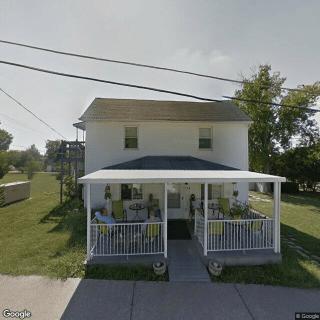


 Assisted Living and Memory Care: Understanding Their Core Differences
 Beyond the Bingo Hall: 50+ Enriching Activities for Seniors in Assisted Living
 Understanding the Distinctions: Assisted Living and Memory Care Explained