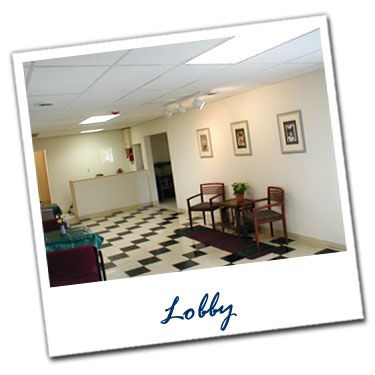
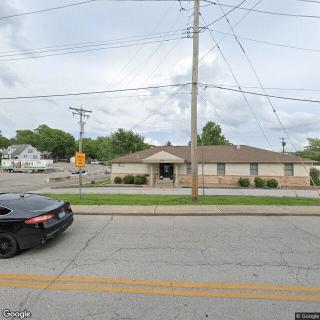
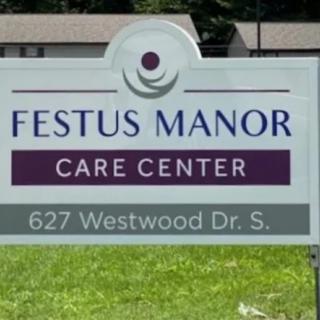
23 North Sixth Street, Festus, MO 63028
For more information about senior living options: (866) 208-4318
Overall Review of My Place Residential Carelc
Pros
 They love everything about My Place.
- The staff are caring and amazing.
- The management and staff at this residence facility are fantastic.
- They have a very positive view of My Place.
Cons
 The facility is understaffed.
- The first-shift medical assistant yells at residents.
- They keep residents' food in the facility pantry and sometimes refuse to give them the food they paid for.
- Only one medical assistant handles medications for 44 residents in the morning, making it impossible to space out eye drops or perform multiple blood pressure checks.
- They threaten employees with cameras, and the cameras reveal the neglect they impose.
Review
My Place Residential Care in Festus, MO, is best suited for families that prize a warm, home-like environment where staff know residents by name and caregiving feels personal. This community appeals to those who want frequent, visible interaction with caregivers and a close-knit, approachable management team. It is well-matched for residents who flourish in a relational setting and who value a sense of belonging and daily warmth over a large-scale, highly clinical atmosphere. The tone in many discussions is that of genuine care and connection, which can be a powerful comfort for families seeking peace of mind through personal attention.
Organizations may want to explore alternatives if a resident requires highly predictable, tightly regulated medical routines or a more regulated dining and food-service model. The most notable concern here is staffing and operational rhythm rather than philosophy or heart. If the critical need is precise, 24/7 medication management, a proven high-coverage nursing model, or ironclad controls around food access and privacy, other options with stronger clinical staffing guarantees may be a better fit. Families should be prepared to probe whether the local team can meet those stricter expectations consistently.
On the upside, the strongest and most repeatable positives center on people. Residents and families repeatedly describe caring, amazing staff and a management team that feels approachable and committed. The sentiment is that the caregivers form meaningful relationships, listen, and advocate for residents’ comfort and happiness. When care staff feel supported and valued, their daily interactions tend to be more attentive and respectful, translating into a sense of safety and warmth that families want when entrusting someone with daily life.
However, the downsides demand serious consideration. The most alarming issue raised is staffing shortfalls, specifically, a single morning medication administrator for a large number of residents, which raises the risk of timing errors, delays, or insufficient monitoring of treatments. Related concerns touch practical daily operations: reports of food being kept in a pantry and, at times, not provided promptly to residents who paid for it, and questions about how medical tasks like eye drops or blood pressure checks are scheduled when staffing is lean. There are also tensions around surveillance culture, with claims that cameras can be used to pressure employees, and allegations that neglect may be visible in footage. Taken together, these concerns point to real safety and reliability risks if not actively and transparently addressed.
In balancing the pros and cons, the core value is clear: strong interpersonal care and a management team that residents and families feel they can trust. Those advantages can count for a great deal when a resident thrives on daily affection, familiar caregivers, and a sense of community. Yet the risks identified, notably staffing gaps and the potential for inconsistencies in medication administration and food service, can erode confidence over time, especially for families confronting chronic conditions that demand steady routines. The decision hinges on whether the current strengths can coexist with a credible plan to eliminate or mitigate the operational weaknesses.
Practical next steps should anchor the decision. Schedule a thorough tour during peak activity hours to observe how staffing translates into real-time care, ask to see the current staff-to-resident ratios, and request a candid explanation of how medication passes and scheduled clinical tasks are managed. Review the most recent state inspection outcomes and ask for a copy of the facility’s policy on food access, meal service, and private dining rights for residents. Meet the administrator and answerers in the care team about how concerns are raised and resolved, and request a concrete improvement plan with measurable milestones. For families weighing options, use these conversations to compare with facilities that offer higher staffing ratios, formalized clinical oversight, and transparent policies, especially when safety and reliability cannot be compromised.
 44 resident community capacity
 Independent Living
 Beauty salon
 Cable or satellite TV
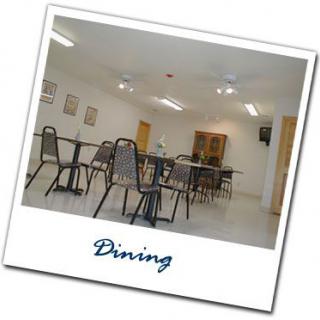
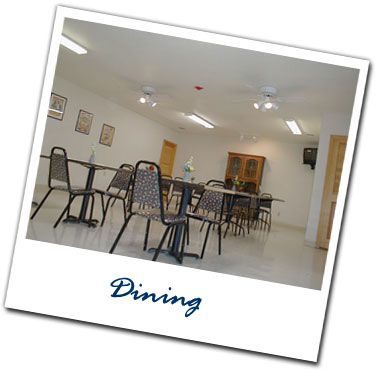
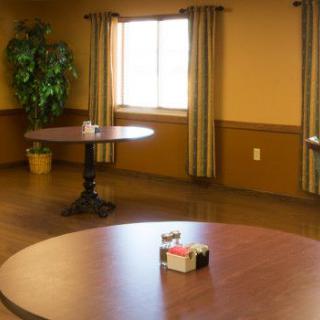
 Dining room
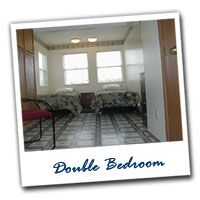
 Fully furnished
 Garden
 Housekeeping services
 Kitchenette
 Move-in coordination
 Outdoor space
 Restaurant-style dining
 Small library
 Telephone
 Wi-Fi/high-speed internet available
 24-hour call system
 Assistance with dressing
 Medication management
 Mental wellness program
 Diabetes diet
 Special dietary restrictions
 Community-sponsored activities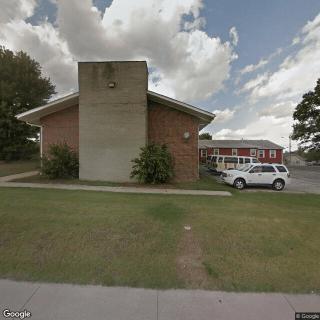
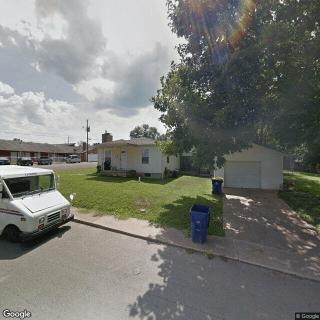

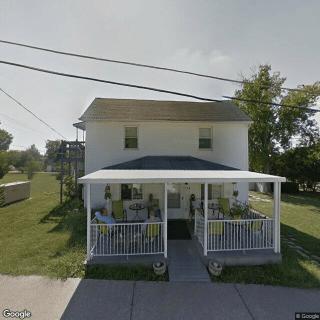

 Caring for Those Who Care: Recognizing, Understanding, and Overcoming Caregiver Burnout
 Caregiver Exhaustion: Recognizing the Signs and Restoring Your Well-Being
 Understanding Hospice Care at Home: Comprehensive Services, Key Benefits, and Eligibility