Residents describe memory care staff as compassionate and attentive.
Multiple reviewers who mention memory care describe staff compassion and consistent support, including close attention to safety and comfort. Families also describe the activities and engagement as a meaningful part of memory care routines, not something limited to basic supervision. A reviewer specifically credits the team with taking good care through the end of care, reinforcing the continuity they experienced.
common22 reviews mention this
Staff responsiveness and follow-through
Residents and families frequently describe caring, responsive staff.
Across many reviews, families say the staff is caring, friendly, and available for questions and concerns. Several reviewers describe quick responses, clear communication, and staff members who help make transitions smoother and keep families informed. Even when residents have preferences about their routines or participation, reviewers describe staff encouraging engagement while still respecting individual needs.
common8 reviews mention this
Activities feel engaging and varied
Residents are kept engaged with frequent activities.
Reviewers repeatedly mention an active schedule that includes both day-to-day activities and outings. Families highlight exercise and programs that residents can choose to attend, plus shopping and community outings for engagement. Several reviews also describe activities as a way residents build friendships and feel part of a community.
common5 reviews mention this
Dining stands out as a highlight
Food quality comes up often in positive feedback.
Several reviewers call out the quality of meals and desserts, with one noting the food as excellent and another praising the chef’s cooking. A reviewer with a specific note about meal consistency still emphasizes that meals appeal to their loved one. Dining also aligns with restaurant-style dining being part of what the community offers.
common4 reviews mention this
A woods-and-parks setting
Reviewers like the natural setting around the building.
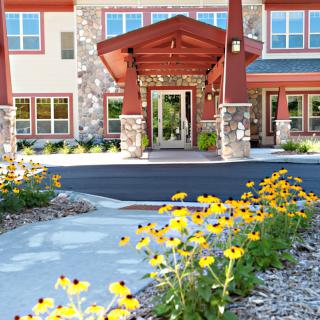
Multiple reviews describe the community as set among trees and near walking paths, with nature visible from windows. Families also mention the location feeling close to parks and outdoor space, and they connect that setting to daily life and activities outdoors. This matches the community offering outdoor space and a garden.
common5 reviews mention this
On-site medical support mentioned
Families mention professional on-site medical support.
A number of reviewers describe medical staff or nursing support on-site, including professional care assistants and timely help when questions come up. Some families also reference medication management and coordination elements as part of day-to-day support. Reviewers describe the team as knowledgeable about what residents are experiencing.
How we summarize
Counts show how many written reviews mention each theme; a review can touch several themes, and only frequently mentioned themes are displayed.
Features
Housing
70 resident community capacity
Types of Care
Assisted Living
Memory Care
Amenities
Air-conditioning
Beauty salon
Cable or satellite TV
Computer center
Dining room
Fitness room
Fully furnished
Gaming room
Garden
Housekeeping services
Kitchenette
Move-in coordination
Outdoor space
Private bathrooms
Restaurant-style dining
Small library
Telephone
Wellness center
Wi-Fi/high-speed internet available
Transportation
Minneapolis-St Paul International (16 miles away)
Community operated transportation
Transportation arrangement
Transportation arrangement (non-medical)
Care Services
12-16 hour nursing
24-hour call system
24-hour supervision
Activities of daily living assistance
Assistance with bathing
Assistance with dressing
Assistance with transfers
Coordination with health care providers
Diabetes diet
Meal preparation and service
Medication management
Mental wellness program
Mild cognitive impairment
Special dietary restrictions
Specialized memory care programming
Transportation arrangement (medical)
Transportation to doctors appointments
Dining
Diabetes diet
Special dietary restrictions
Activities
Community-sponsored activities
Concierge services
Fitness programs
Planned day trips
Resident-run activities
Scheduled daily activities
Nearby Places of Interest
Pharmacies
Walgreens (0.2 miles)
Walgreens (3.4 miles)
Walgreens (4 miles)
CVS Pharmacy (4 miles)
Walgreens (4.8 miles)
Walgreens (5 miles)
Love Shack (5.6 miles)
Restaurants
McCormick's Pub & Restaurant (0.2 miles)
COV Wayzata (0.3 miles)
6Smith (0.5 miles)
Taco Teresa's (3.2 miles)
Taco Bell (3.4 miles)
Kona Grill (3.5 miles)
The Cheesecake Factory (3.5 miles)
Physicians
Metropolitan Dermatology & Cutaneous Surgery PA (0.3 miles)
Northwest Family Physicians Plymouth (1.6 miles)
Ellgaard Annemarie Park Nicollet Clinic Carlson Parkway Minnetonka (1.8 miles)
Minnesota Gastroenterology PA (3.9 miles)
MN Otolaryngology (5.9 miles)
Pinnacle Dermatology- Excelsior (6 miles)
Children's Hospitals and Clinics of Minnesota's Ear, Nose and Throat (6.2 miles)
Trails Of Orono Assisted Living offers a comprehensive range of features designed to support residents with memory care needs effectively. Assistance with dressing, bathing, and transfers ensures that individuals receive the help they require to maintain personal hygiene and dignity, which is crucial for their self-esteem and overall well-being. Medication management is vital in preventing misunderstandings or mistakes that can arise with complex medication regimens common among those with dementia. Meal preparation and service cater to nutritional needs while fostering familiar routines, enhancing comfort during meals. Transportation arrangements for medical appointments ensure continuous health monitoring and access to necessary treatments. Coordination with healthcare providers allows seamless communication regarding any changes in health status or medication adjustments, thereby promoting optimal care outcomes. The provision of assistance with activities of daily living helps residents engage in meaningful tasks while maintaining independence as much as possible. 24-hour supervision ensures safety and security, while specialized memory care programming tailored specifically for varying stages of cognitive decline addresses the unique challenges faced by residents. Additionally, mental wellness programs can foster engagement and cognitive stimulation through creative activities designed to spark memories and enhance social interaction, making a significant impact on the overall quality of life for individuals dealing with mild cognitive impairment or more advanced stages of Alzheimer's disease.
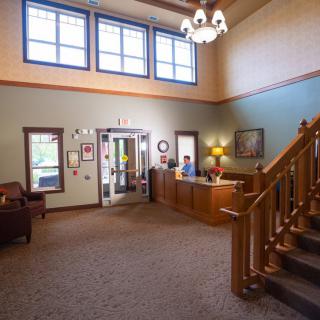
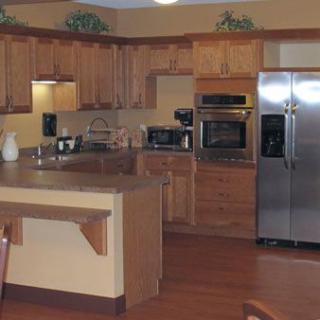
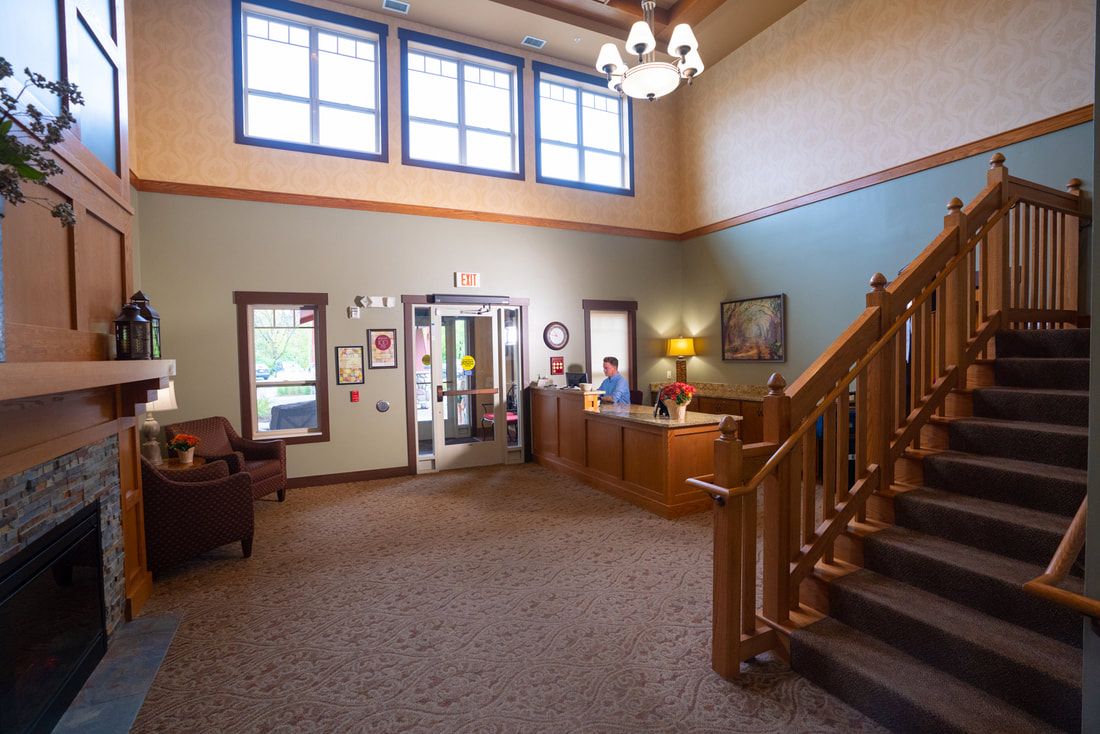
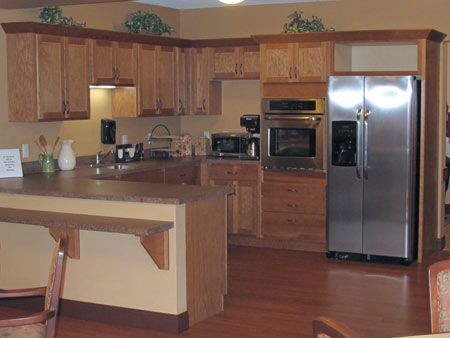
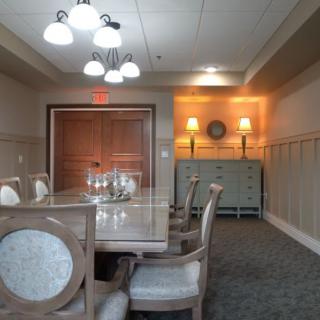
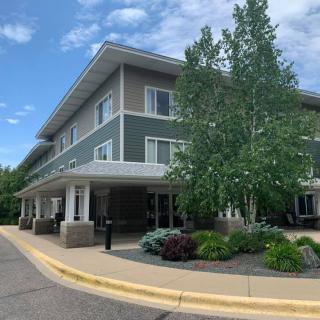
Trails Of Orono Assisted Living on seniors.fyi includes 3 photos including images showing interior, reception area, stairs, chandelier, windows, reading, kitchen, appliances, and more.
Nearby Communities
Bb Home Healthcare
Wayzata, MN
5 from 1 review
24/7 supervision, medication management, and restaurant-style dining in fully furnished apartments.
Presbyterian Homes Folkestone
Wayzata, MN
4.7 from 12 reviews
Wide range of housing options and care levels with on-site amenities and activities
Folkestone
Wayzata, MN
4.3 from 21 reviews
Brand-new, resort-style facility with friendly staff and high-quality dining.
Meridian Manor
Wayzata, MN
4.9 from 22 reviews
Warm, compassionate staff in a cozy, well-maintained community with engaging activities.
Eden Pathways
Wayzata, MN
4.4 from 20 reviews
Intimate, well-equipped assisted living with 24/7 supervision.
Excellence Living Connections
Wayzata, MN
3.8 from 10 reviews
Small, intimate assisted living with 24/7 supervision, restaurant-style dining, and chef-prepared meals.
Trails of Orono
Orono, MN
4.7 from 101 reviews
$2,800 to $3,790 / month
Caring staff with strong communication and engaging activities in a home-like setting.
Deephaven Woods Senior Living
Deephaven, MN
4.5 from 45 reviews
Well-maintained facilities with a range of living options and attentive staff.
Landings Of Minnetonka
Minnetonka, MN
4.2 from 52 reviews
Helpful, cooperative staff with engaging daily activities and good dining.
Vibrant Senior Living emphasizes active senior living communities that promote independence and engagement through diverse amenities and activities, fostering wellness and social interaction among older adults. These communities range from independent to assisted living, with a focus on personal growth, family involvement, financial planning, and leveraging technology to enhance residents' experiences.
Assisted living provides moderate support for seniors seeking independence, while memory care offers specialized support for individuals with dementia or cognitive impairments through structured routines and trained staff. Key differences include care approaches, environment security measures, staff training levels, activity types, and cost considerations.
Choosing between assisted living and nursing homes involves evaluating emotional and financial factors, with assisted living offering independence and support for daily activities at a lower cost, while nursing homes provide intensive medical care for individuals with significant health needs. The decision is influenced by personal preferences, health status, cognitive function, and varying Medicaid coverage across states.
Windows, Chandelier, Lobby, Reception Area, and Stairs
Kitchen, Appliances, Refrigerator, and Oven
Reading
Get PricingAsk A QuestionSchedule A TourContact Senior Advisor
By clicking submit, you agree to our Partner's Terms of Use. You
also consent to receive calls and texts, which may be autodialed, from our Partner. Your consent is not a condition to
using our Partner's service. Please visit our Partner's Privacy Policy for information about their privacy practices.






 70 resident community capacity
 Assisted Living
 Memory Care
 Air-conditioning
 Beauty salon
 Cable or satellite TV
 Computer center
 Dining room
 Fitness room
 Fully furnished
 Gaming room
 Garden
 Housekeeping services
 Kitchenette
 Move-in coordination
 Outdoor space
 Private bathrooms
 Restaurant-style dining
 Small library
 Telephone
 Wellness center
 Wi-Fi/high-speed internet available
 Minneapolis-St Paul International (16 miles away)
 Community operated transportation
 12-16 hour nursing
 24-hour call system
 Activities of daily living assistance
 Assistance with bathing
 Assistance with dressing
 Assistance with transfers
 Diabetes diet
 Medication management
 Mental wellness program
 Special dietary restrictions
 Transportation arrangement (medical)
 Concierge services
 Planned day trips
 24/7 supervision, medication management, and restaurant-style dining in fully furnished apartments.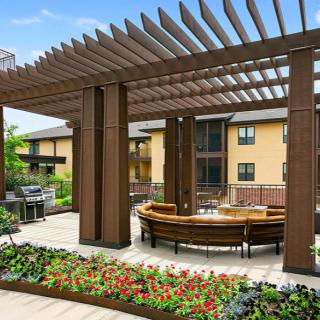

 Vibrant Senior Living: A Comprehensive Guide for Active Older Adults
 Assisted Living and Memory Care: Understanding Their Core Differences
 Choosing the Right Senior Care: A Detailed Exploration of Assisted Living and Nursing Homes