100 Promenade Avenue, Wayzata, MN 55391
For more information about senior living options: (866) 208-4318
Overall Review of Presbyterian Homes Folkestone
Pros
 The caregivers are devoted and attentive.
- The dining area serves tasty meals prepared by a skilled chef.
- The therapists provide skilled and thoughtful attention.
- The staff are genuinely concerned and friendly.
- Mom formed a strong bond with Folkestone and misses it after leaving.
- The physical therapists are impressed by Mom’s growing strength and capability.
- Mom’s walker skills have improved, showing greater independence.
- The nurses communicate in a friendly, calm manner and are never abrupt.
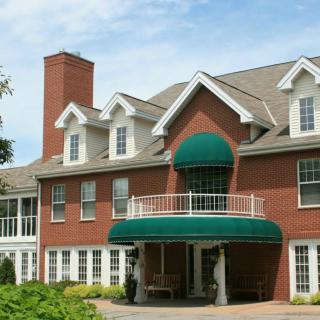
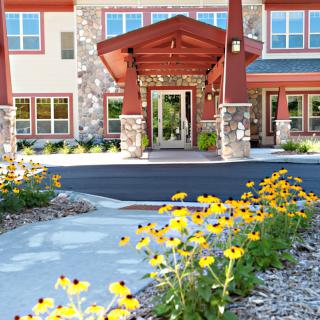
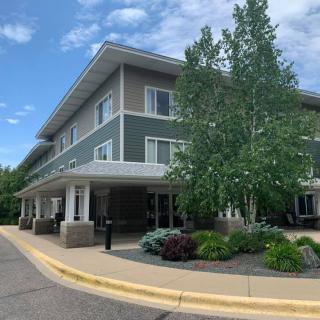
- The facility is beautiful, clean, and well-maintained with an outstanding maintenance team.
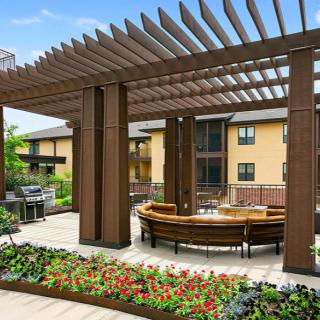
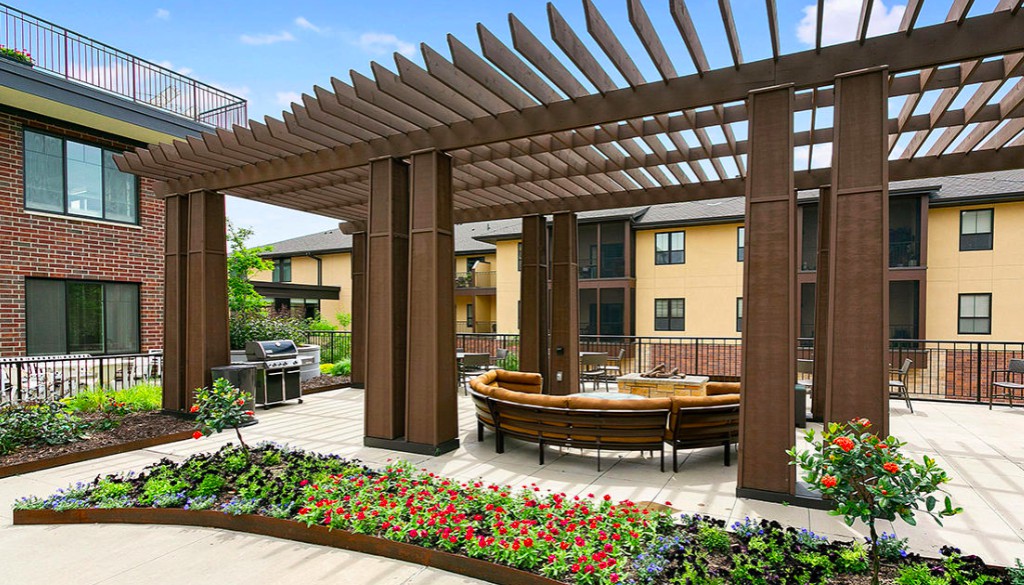
- The lakeside location offers first-class amenities and a premier living environment.
Review
Presbyterian Homes Folkestone in Wayzata, Minnesota is best suited for families seeking a high-touch, post-acute rehab and memory-care environment where skilled therapy, attentive care, and a resort-like setting are non-negotiables. The community shines for residents who need nursing oversight alongside robust physical and occupational therapy, combined with dementia care that prioritizes calm, respectful communication and meaningful daily activities. It is especially strong for families who want a beautiful lakefront campus, exceptional maintenance, and the reassurance that the caregiving teams are consistently engaged with residents’ progress and comfort. For seniors who thrive on social interaction within a well-appointed, service-rich campus, Folkestone presents a compelling, practical fit.
There are clear reasons to consider alternatives, too. For families working with tighter budgets or seeking a more clinical, no-frills environment, Folkestone’s upscale positioning and extensive amenities may feel less affordable. Those who want a simpler, smaller, or more homelike setting with fewer frills might find other options that better align with financial constraints or personal preferences. Additionally, families who must prioritise a location outside the Twin Cities or a setting that emphasizes different care models should still evaluate nearby communities to ensure geography and program focus match long-term needs.
The strongest pros center on exceptional staff engagement and a proven care culture. Reviewers repeatedly spotlight devoted caregivers who treat residents with warmth and individual attention, along with friendly nurses who communicate in a calm, patient manner. The dining experience stands out as notably better than typical nursing-home fare, a small but meaningful factor for quality of life. Cleanliness and reliable maintenance further support a welcoming, well-functioning daily routine. In memory care, the staff’s gentleness and knowledge are repeatedly highlighted, reinforcing confidence that residents with cognitive needs receive respectful, responsive support. Taken together, these positives form a coherent advantage that makes the most of Folkestone’s upscale resources.
The key practical proof points come from real-world outcomes observed by families. A well-documented post-acute stay illustrates the rehab trajectory: an 87-year-old resident with dementia moved through hip surgery recovery under attentive nursing and therapy, and, within weeks, demonstrated meaningful progress in manual tasks and mobility. The daughter notes a marked improvement in the resident’s ability to steer and maneuver a walker, an indicator that the rehab program translates into tangible functional gains that extend into home care. Such anecdotes matter to families evaluating whether the setting can deliver not just comfort, but durable rehabilitation momentum and ongoing independence after discharge.
Memory-care culture at Folkestone emerges as equally compelling. Volunteers describe a calm, knowledgeable staff that speaks to residents with kindness and steadiness, making the environment feel safe and dignified. The consensus from multiple accounts about the quality of food and the general atmosphere reinforces a perception of a holistic, resident-centered program rather than a sterile, solely clinical operation. The repeated emphasis on a beautiful site, first-class amenities, and a maintenance team that consistently goes above and beyond suggests the campus provides stability and predictability, key factors for families managing dementia care where routine matters as much as medical oversight.
Ultimately, this community makes a decisive case for families who prize high-quality, attentive care, well-run rehab services, and a premium living environment near Lake Minnetonka. For decision-making, approach Folkestone as a first-choice option if rehab progress and ongoing memory-care quality are non-negotiable. Schedule direct conversations with care managers to gauge current staffing patterns, therapy schedules, and how transitions from hospital stays are handled. If cost, geographical reach, or a simpler care setting is the priority, still visit nearby alternatives to benchmark pricing, scope of services, and resident engagement. Folkestone is not merely a place to reside; it is a focused, capability-driven environment designed to deliver meaningful improvement and sustained well-being for seniors who need more than companionship, who need capable hands guiding recovery, daily life, and dementia care with confidence.
 30 resident community capacity
 1-bedroom apartments
 Condos / townhomes
 Detached homes
 Assisted Living
 Continuing Care Retirement Community (CCRC)
 Independent Living
 Memory Care
 Skilled Nursing Facility
 Beautician on-site
 Cable or satellite TV
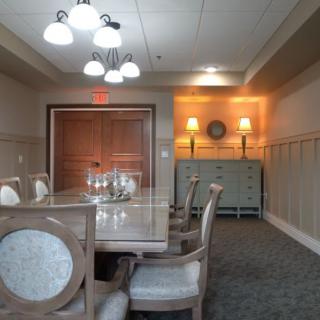
 Dining room
 Financial aid
 Full kitchen
 Fully furnished
 Garden
 Hiking trails
 Housekeeping services
 Laundry
 Move-in coordination
 Outdoor space
 Overnight guests
 Party space
 Private bathrooms
 Resident parking
 Respite or short term stays offered
 Swimming pool
 Wi-Fi/high-speed internet available
 Minneapolis-St Paul International (15 miles away)
 Community operated transportation
 24-hour call system
 Activities of daily living assistance
 Assistance with bathing
 Assistance with dressing
 Assistance with transfers
 Diabetes diet
 Hospice care
 Meal preparation and service
 Medication management
 Physical therapy
 Special dietary restrictions
 Arts and crafts
 Book club
 Cooking club
 Fitness programs
 Games
Games Live musical performances
 Religious services
 Tai Chi
 Wii bowling
 English



 Understanding Dementia Through Its Seven Stages: A Comprehensive Look at Progression and Expectations
 Safeguarding Your Memory Through the Golden Years: Eight Ways to Preserve Cognitive Health
 Comprehensive Insights into Activities of Daily Living (ADLs) and Their Assessment