
209 Jefferson Avenue Sw, Watertown, MN 55388
For more information about senior living options: (866) 208-4318
Westwood Place Costs & Pricing
At Westwood Place, the monthly costs for accommodations reflect a premium experience, with a one-bedroom unit priced at $5,985 and a two-bedroom unit at $6,235. When compared to the local context in Wright County, where similar one-bedroom units average around $2,322 and two-bedrooms approximately $3,022, it is evident that Westwood Place positions itself at a higher market tier. Likewise, state averages in Minnesota show one-bedroom options generally hover around $2,893 and two-bedroom apartments at about $2,955. These figures indicate that Westwood Place may offer enhanced amenities or services that justify its elevated pricing within the competitive landscape of housing options in both the county and state.
| Floor plans | Westwood Place | Wright County | Minnesota |
|---|---|---|---|
| 1 Bedroom | $5,985 | $2,322 | $2,893 |
| 2 Bedrooms | $6,235 | $3,022 | $2,955 |
Memory care communities with a similar price nearby
-
About the same
Legacy Care Home
$6,000 / month19.1 miles away -
from -$585 / mo
Family Tree Homes
$5,400 / month22.1 miles away -
from -$985 / mo
LuAnn's Place
$5,000 to $6,800 / month18.3 miles away -
from -$795 / mo
Sunrise of Minnetonka
$5,190 to $7,920 / month16.9 miles away -
from -$985 / mo

Silver Creek on Main
$5,000 / month22.5 miles away
Overall Review of Westwood Place
Pros
 They have been very well treated here.
- They receive exceptional care.
- All their needs are met.
- Their medications are supplied to them on time.
- They get three meals a day.
- They have a nice room with a private bathroom.
- They have cable TV.
- There are rides to the grocery store downtown when they want to buy their own food.
- They are very happy and well taken care of.
- Some staff are great and enjoy coming to work.
- The staff are caring and hardworking.
- There are many activities offered, such as bingo and card games.
Cons
 The facility is poorly run, and the director has no background in elderly care.
- The owner cares only about money, not the residents or staff.
- The nurse has messed up medications and does nothing when residents need healthcare.
- Call lights in every room have not been working for over a month.
- The food is bland and the menu repeats too often.
- The atmosphere is very controlling, with staff scolding residents like children for going on the lawn.
Review
Westwood Place in Watertown, MN is best suited for seniors who want a quiet, close-knit, home-like setting where staff are personable and care routines feel predictable. The community suits residents who prioritize safety, tidy surroundings, and day-to-day stability over a bustling social scene or intensive clinical oversight. For those who value a smaller footprint where neighbors know each other, and where meals and private rooms are standard offerings, Westwood Place can deliver a reassuring, comfortable baseline experience. It’s particularly appealing to individuals who appreciate the sense of belonging that comes with a familiar, neighborhood-style atmosphere.
Those who may want to consider alternatives include families seeking stronger, more visible medical governance, highly proactive nursing oversight, or a livelier activity calendar. Reports of inconsistent leadership and concerns about management style raise red flags for anyone who needs meticulous monitoring of medications or rapid response to health changes. The same notes point to a more limited social environment, with few activities beyond a few weekly offerings, which may disappoint residents who crave ongoing engagement and variety. In short, anyone who wants a more dynamic, resource-rich setting or a facility that communicates with urgent responsiveness may want to explore other options.
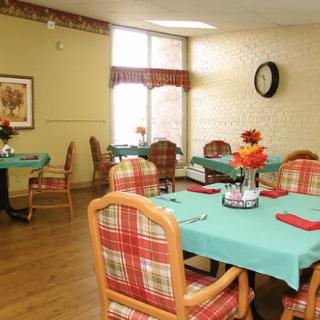
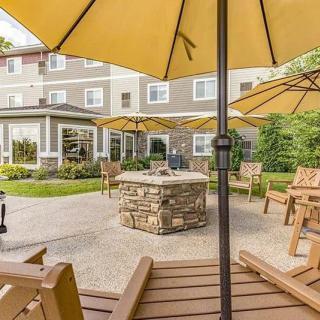
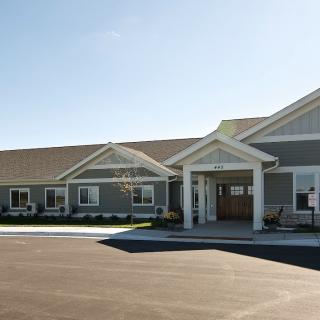
The strongest positives at Westwood Place are clear: caring, hardworking staff, reliable meals, and well-maintained spaces. Residents describe timely medication delivery and a private room with a bathroom, plus conveniences like cable TV and reasonable access to transportation for errands. The dining area and upkeep contribute to a sense of dignity and comfort, and several reviews highlight a familial, friendly tone from many staff members. For families prioritizing daily reliability and a calm, predictable routine, these elements can offset some perceived limitations in program breadth or administrative sophistication.
However, notable drawbacks temper the overall picture. Several reviews flag management concerns, including impressions of leadership without a background in elder care and apreneurial focus that appears disconnected from resident needs. Food quality is described as bland or underwhelmed at times, with menu repetition, and one review cites undercooked meals contributing to illness among staff and residents. The activity calendar ranges from sparse to inconsistent, and call lights have reportedly failed to function for extended periods. Taken together, these red flags signal that a facility profile with Westwood Place may not meet expectations for residents who require robust clinical governance, continuous safety systems, or a vibrant, nurse-led care culture.
Practical decision guidance centers on aligning expectations with the facility’s realities. Families should schedule in-depth tours focused on governance and safety systems: ask who directly manages medications, what a typical day looks like for residents, and how call-response times are tracked and improved. Probe the dining program: are menus varied, are there chef oversight or dietary accommodations, and how are meals sourced and prepared to ensure consistency? Observe group activities, but also inquire about pockets of independent time and opportunities for private visits with family. Finally, compare costs and value carefully; a smaller, intimate setting can offer genuine warmth, but the price should reflect consistent staffing, transparent governance, and dependable safety measures.
Ultimately, Westwood Place serves a practical niche: a quiet, intimate community where residents feel known, meals are standard, and day-to-day routines stay steady. It is less suitable for families prioritizing aggressive medical oversight, a robust social calendar, or a healing environment with highly proactive, well-coordinated clinical leadership. For those who fit the former profile, Westwood Place can be a solid, comfortable home with attentive staff and a reassuring sense of belonging. For others, especially those who demand stronger governance and more dynamic programming, exploring other options with larger teams and more comprehensive activity and care services is strongly advised. A candid, targeted visit remains the best way to determine fit, with emphasis on governance quality, meal standards, activity depth, and the reliability of safety systems.
 21 resident community capacity
 Assisted Living
 Memory Care
 Activities off-site
 Air-conditioning
 Bath tubs
 Beautician on-site
 Cable or satellite TV
 Devotional services on-site
 Dining room
 Fully furnished
 Garden
 Ground floor units
 Handicap accessible
 Housekeeping services
 Indoor common areas
 Kitchenette
 Move-in coordination
 Outdoor common areas
 Telephone
 Wheelchair accessible showers
 Wi-Fi/high-speed internet available
 24-hour call system
 Ambulatory care
 Assistance with bathing
 Assistance with dressing
 Assistance with transfers
 Diabetes diet
 Diabetic care
 High acuity care
 Hospice waiver
 Incontinence care
 Meal preparation and service
 Medication management
 Mental wellness program
 Special dietary restrictions
 Transportation arrangement (medical)
 Transportation to doctors appointments
 BBQs or picnics
 Birthday parties
 Christian services
 Day trips and outings
 Live musical performances
 Trivia games

 Guiding Your Journey: Understanding Power of Attorney for Elderly Parents
 22 Remarkable Caregiver Support Groups Available Online and In-Person
 Understanding Medicaid Coverage for Assisted Living: A Comprehensive Guide