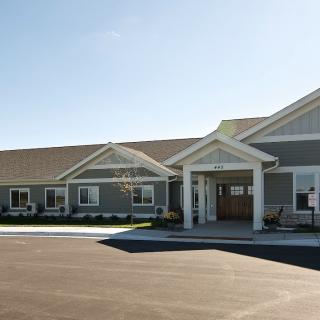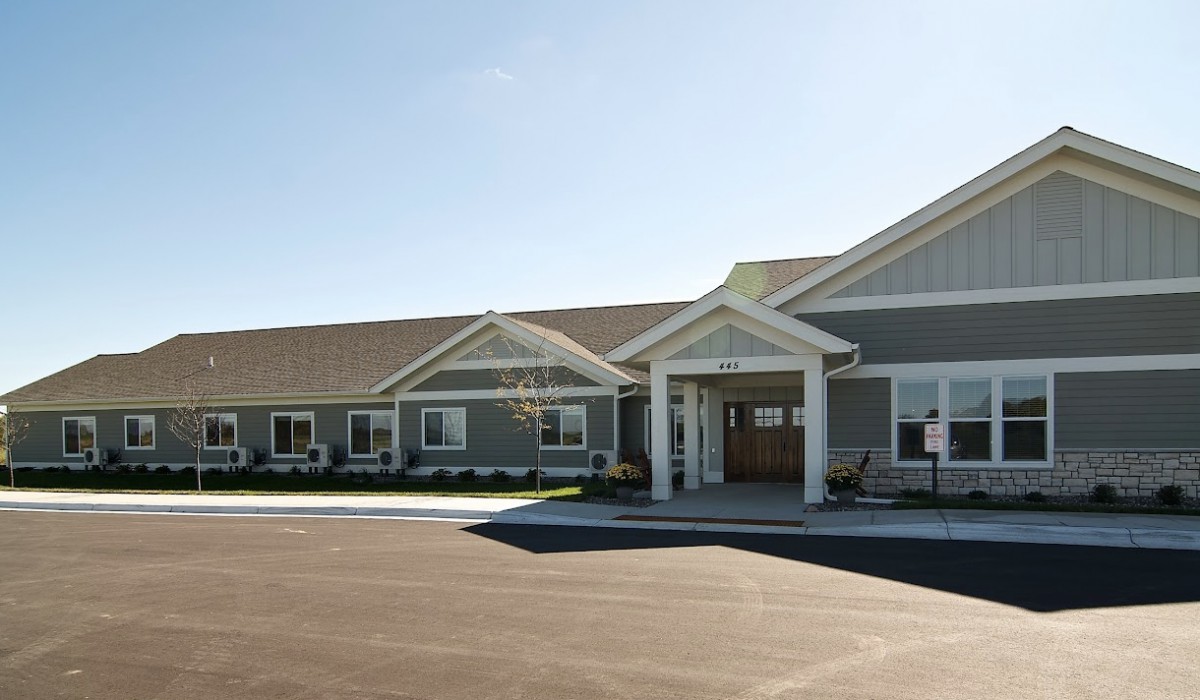
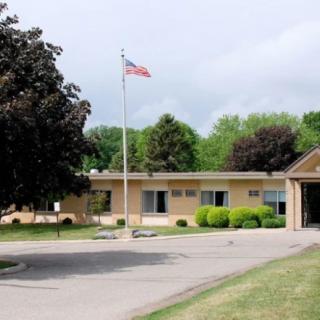
445 1St Street East, Howard Lake, MN 55349
For more information about senior living options: (866) 208-4318
Overall Review of The Lodge Of Howard Lake
Pros
 The Lodge staff were amazing and truly became part of the extended family for residents and their families.
 - Karla Davis is a stellar and compassionate leader of the facility.
- The staff were patient and compassionate, often taking extra time to sit and chat with residents.
- They stayed by a resident’s side in the final days, providing comfort and helping families say their goodbyes remotely.
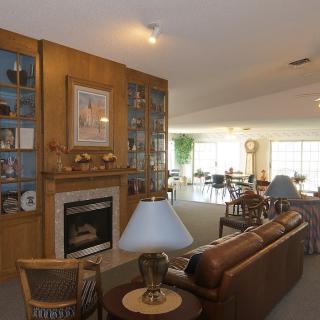
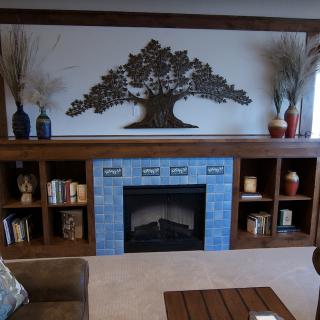
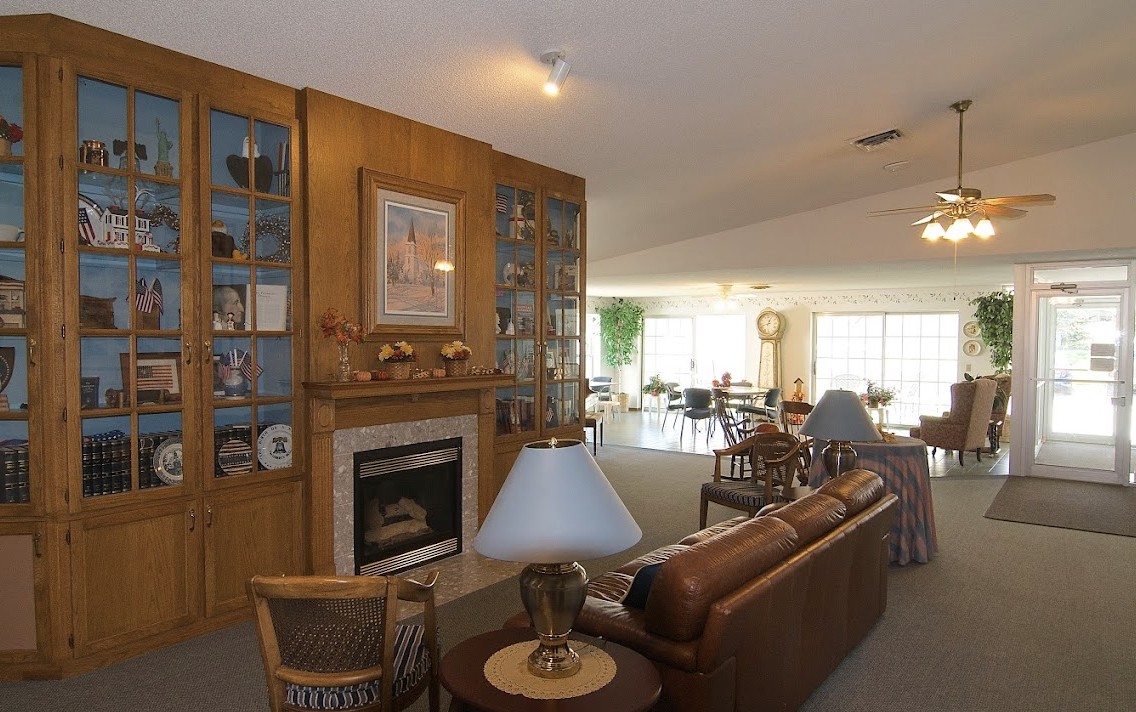
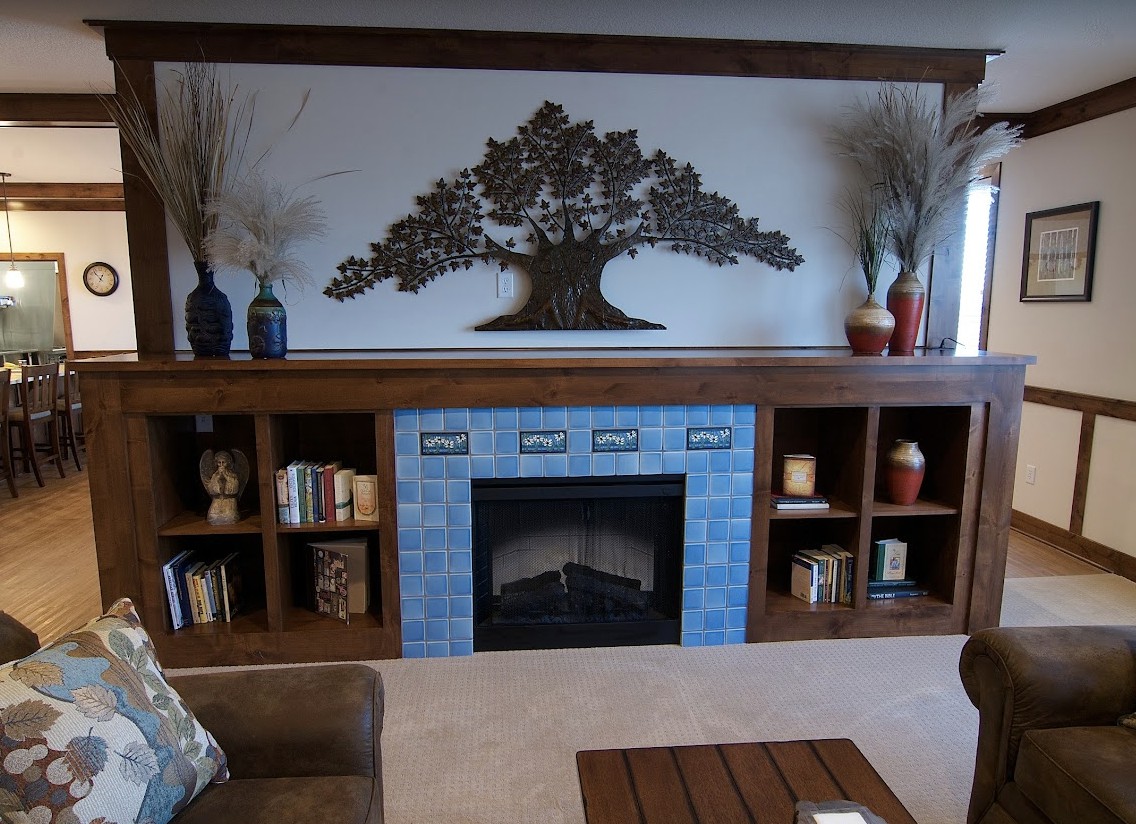
- The facility is clean, cheerful, and has a home-like feeling that residents enjoyed.
- The team advocates on residents’ behalf with medical providers for needed treatments.
Review
The Lodge of Howard Lake is best suited for families seeking a small, home-like assisted living where caregivers establish enduring, personal relationships with residents. This community excels when continuity of staff and a tightly knit care team are priorities, and when out-of-state families want reliable, compassionate connection and reassurance that a loved one is safe and well supported. The setting favors residents who thrive on individualized attention, familiar faces, and a sense of belonging that comes from a tightly run, intimate campus.
Those who may want to consider alternatives are families prioritizing a larger campus with broader programming, more extensive on-site rehabilitation resources, or specialized memory-care options. If the goal is to access a wide menu of enrichment activities, numerous social programs, or a robust slate of on-site clinicians and therapists, a bigger community could offer more breadth. Likewise, residents with complex medical needs or whom require highly specialized memory-care interventions might find value in facilities dedicated to those higher-touch clinical services.
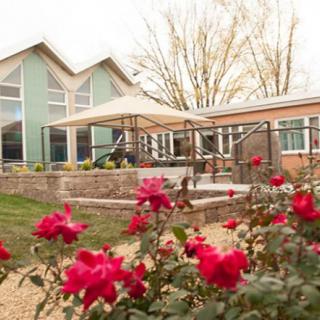
The strongest pros here form a coherent, protective radius around the resident. The staff consistently demonstrates genuine warmth, patience, and a willingness to go the extra mile, turning daily care into relationships rather than tasks. Leadership, epitomized by Karla Davis, is described as stellar and compassionate, guiding a culture where residents are known, listened to, and prioritized. The environment itself reinforces this: clean, cheerful rooms and common areas, a homey yard where residents enjoy gardening or simply listening to birds, and a layout that fosters easy, frequent interaction between staff and residents. Falls are handled with professionalism and speed, and when medical care is needed, staff keep families informed and involved.
These strengths, however, come with a tradeoff inherent to a petite facility. The smaller footprint can limit the breadth of activity options and the depth of on-site clinical resources compared with larger communities. Yet the lived experience typically offsets these potential gaps: residents receive highly individualized activities, frequent one-on-one time, and the consistent presence of familiar caregivers who know their routines, preferences, and medical histories. In practice, the intimate scale translates into fewer silos and more seamless advocacy for each resident, which is especially meaningful for families navigating care from afar.
The human touch is not merely stated but demonstrated in concrete ways. One family highlights how the Lodge became an extension of their own family, with staff members offering comfort in final days, advocating with medical providers, and coordinating meaningful goodbyes remotely. Another speaks to the “home-like” feel, noting that the staff would sit with their loved one, chat, and offer personal attention during hospital or rehab transitions. The resident experience is brought to life in simple, tangible moments: a back-yard patio, opportunities to water plants, and daily routines that feel familiar rather than institutional. These details translate into trust, a sense of security, and long-tenured, dependable relationships.
For families weighing options, the Lodge delivers a clear value proposition: prioritize trusted caregiving relationships, consistent communication, and a warm, individualized environment, and the benefits substantially outweigh the constraints of a smaller program. If, however, the decision hinges on access to a wide range of activities, a large social calendar, or specialized memory-care amenities within the same campus, consider stepping up to a larger community and comparing how care teams, pricing, and care plans align with specific medical and social needs. A thoughtful visit to meet Karla Davis, observe the cadence of staff-resident interactions, and assess whether the intimate atmosphere aligns with expectations will crown the decision with confidence.
 21 resident community capacity
 Assisted Living
 Beauty salon
 Cable or satellite TV
 Dining room
 Fully furnished
 Garden
 Housekeeping services
 Kitchenette
 Move-in coordination
 Outdoor space
 Telephone
 Wi-Fi/high-speed internet available
 24-hour call system
 Activities of daily living assistance
 Assistance with bathing
 Assistance with dressing
 Assistance with transfers
 Diabetes diet
 Meal preparation and service
 Medication management
 Mental wellness program
 Special dietary restrictions
 Transportation arrangement (medical)
 Transportation to doctors appointments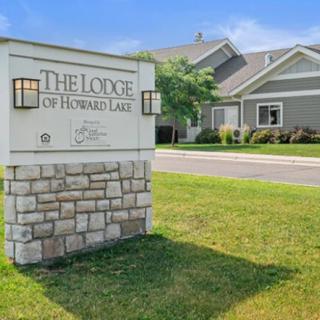


 Understanding the Distinctions: Assisted Living and Memory Care Explained
 Guiding Elderly Parents Who Refuse Assisted Living: 6 Practical Steps
 Your Comprehensive Guide to Luxury Assisted Living: Elevated Facilities, Amenities, and Costs