





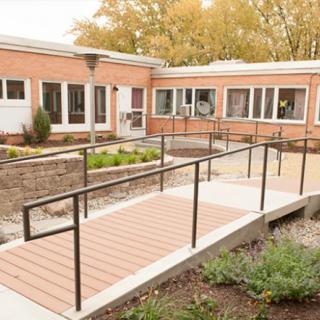

551 Fourth Street North, Winsted, MN 55395
For more information about senior living options: (866) 208-4318
Overall Review of Benedictine Living Community Winsted
Pros
 The nursing staff is AWESOME.
- The kitchen staff is GREAT.
- The therapy staff is AMAZING.
- The cleaning and laundry staff do a great job.
- The staff around the building are friendly, say hi, and are supportive.
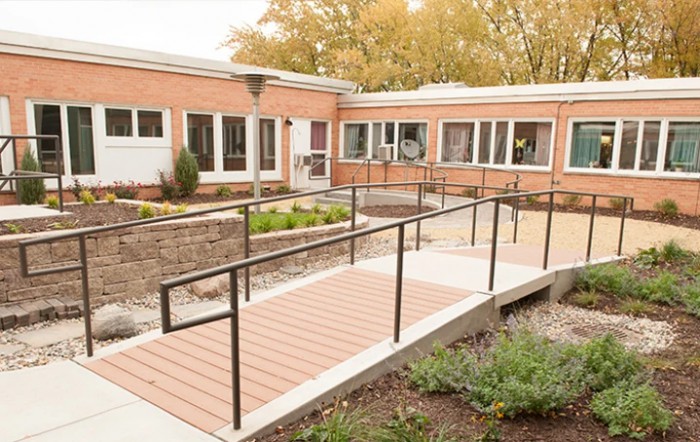
- The facility is very clean, home-like, and respectful of those with Alzheimer’s or dementia.
- The staff often go above and beyond and stay true to the facility’s mission.
- The night shift is amazing and the overall staff are great.
Cons
 The staff are absolutely terrible and do not care about their patients.
- This facility is described as one of the worst nursing homes in the area — dirty and poorly maintained.
- Medicines are not provided promptly and, in some cases, are withheld from patients.
- There is a persistent lack of timely attention from staff, with call lights ignored and patients left waiting.
- There are unsanitary conditions, including fecal matter on a call light from a previous patient.
- Care staff are horrendous; they mock and mistreat infirm elderly, and cannot provide basic care, resulting in patients soiling themselves.
- Staff shortages lead to long delays for basic care, with patients waiting for help and sometimes experiencing incontinence.
Review
Benedictine Living Community Winsted is best suited for families that want a warm, home‑like setting with a rehab‑forward staff and hands‑on frontline care. Residents here often need post‑acute recovery or ongoing daily assistance, and they benefit from accessible therapy services and a nursing team that can be attentive in the moment. The campus is frequently described as caring and practical, with a patient‑centered approach that emphasizes daily progress and personal contact. For families willing to stay actively involved, monitoring medications, coordinating with therapists, and following individualized care plans, the environment can support meaningful rehab milestones and steady daily improvements.
Still, there are clear reasons some families should consider alternatives. Several reviewers flag sanitation lapses, delayed responses to call lights, and inconsistent medication delivery. When safety and routine hinge on prompt assistance and reliable meds, these patterns become red flags. There are accounts of untreated infections, questions about staff responsiveness, and days when meals and basic care rituals were late. For residents with complex medical needs or heightened infection risk, the inconsistency in basic care processes can be unacceptable. Those requiring rigorously clean conditions, flawless med management, and consistently attentive staffing will likely find stronger fits elsewhere. For some families, memory‑care‑specific options with dedicated dementia programming may be a preferable match.
On the upside, the staff who show up consistently are often praised for genuine dedication. Nursing, physical and occupational therapy teams can deliver strong rehab momentum and daily reassurance that helps residents feel seen and valued. The facility itself is described as clean and home‑like at times, with workers who greet residents and treat them with dignity. When everything aligns, the right therapists, attentive aides, and a cohesive care routine, the day‑to‑day experience can be genuinely uplifting and conducive to recovery. Yet those strengths do not cancel the core concerns raised repeatedly by families. Medication delays, unaddressed call lights, and noticeable sanitation gaps remain persistent risks that can undermine otherwise positive therapy and social interactions. The positives matter, but they do not fully compensate for the reliability gaps that affect safety and trust.
The lived experiences illustrate a clear divide. One resident’s account highlights several days without essential medications and uneven attention to meals and bathroom needs, painting a picture of vulnerability during a vulnerable time. Another reviewer describes outright unsanitary conditions, a call light carrying fecal matter, rooms not cleaned promptly, and hygiene issues, that would alarm any family. Conversely, other voices celebrate a well‑maintained facility, respectful caregiving, and a supportive environment, especially for residents with dementia. The reality is a campus with bright spots and capable staff in good shifts, shadowed by recurring lapses that can escalate quickly if not addressed. This duality demands caution: the difference between a solid day and a problematic one often tracks to turnover, staffing ratios, and immediate supervisors on duty.
Smart evaluation steps can help protect a loved one’s interests. Before admission, secure a concrete medication‑management plan that lists pharmacy sources, dosing times, and how changes are communicated to families and primary care providers. During residency, insist on reliable call‑light response, routine repositioning, and visible daily cleanliness checks. Request direct lines to nursing leadership for escalation and schedule regular check‑ins to confirm adherence to prescribed care plans. For memory‑care needs, probe dementia‑specific programming and staff ratios to ensure the level of supervision matches the resident’s requirements. If possible, explore options for private rooms to support privacy and therapy sessions, and demand a thorough onboarding process that closes any gaps in medications and supplies so move‑in doesn’t become a stumble.
In the end, Benedictine Living Community Winsted can be a strong match for families who prize a warm, rehab‑oriented setting and staff who genuinely connect with residents. The decisive factor is whether a family can actively supervise medications, ensure timely care, and uphold sanitation standards. If those safeguards are feasible and the priority is recovery within a compassionate environment, this community can deliver meaningful value. If, however, consistent medication reliability and spotless sanitation are non‑negotiable, a different option is likely a better fit. The ultimate choice hinges on the family’s capacity to partner with the facility in ongoing care management and on the resident’s tolerance for variability in service quality across shifts.
 65 resident community capacity
 Skilled Nursing Facility
 Air-conditioning
 Beauty salon
 Cable or satellite TV
 Computer center
 Dining room
 Fitness room
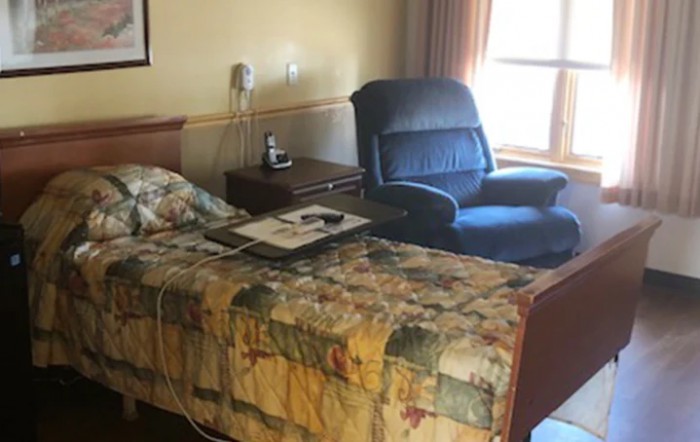
 Fully furnished
 Gaming room
 Garden
 Housekeeping services
 Kitchenette
 Move-in coordination
 Outdoor space
 Private bathrooms
 Restaurant-style dining
 Small library
 Telephone
 Wellness center
 Wi-Fi/high-speed internet available
 Community operated transportation
 12-16 hour nursing
 24-hour call system
 Activities of daily living assistance
 Assistance with bathing
 Assistance with dressing
 Assistance with transfers
 Diabetes diet
 Medication management
 Mental wellness program
 Special dietary restrictions
 Concierge services
 Planned day trips



 Home Health Care Demystified: A Comprehensive Guide for Families and Caregivers
 Seniors and Modern Transportation: Exploring Uber, Lyft, and Other Ride-Hailing Options
 Comprehensive Guide to Qualifying for Home Health Care Services