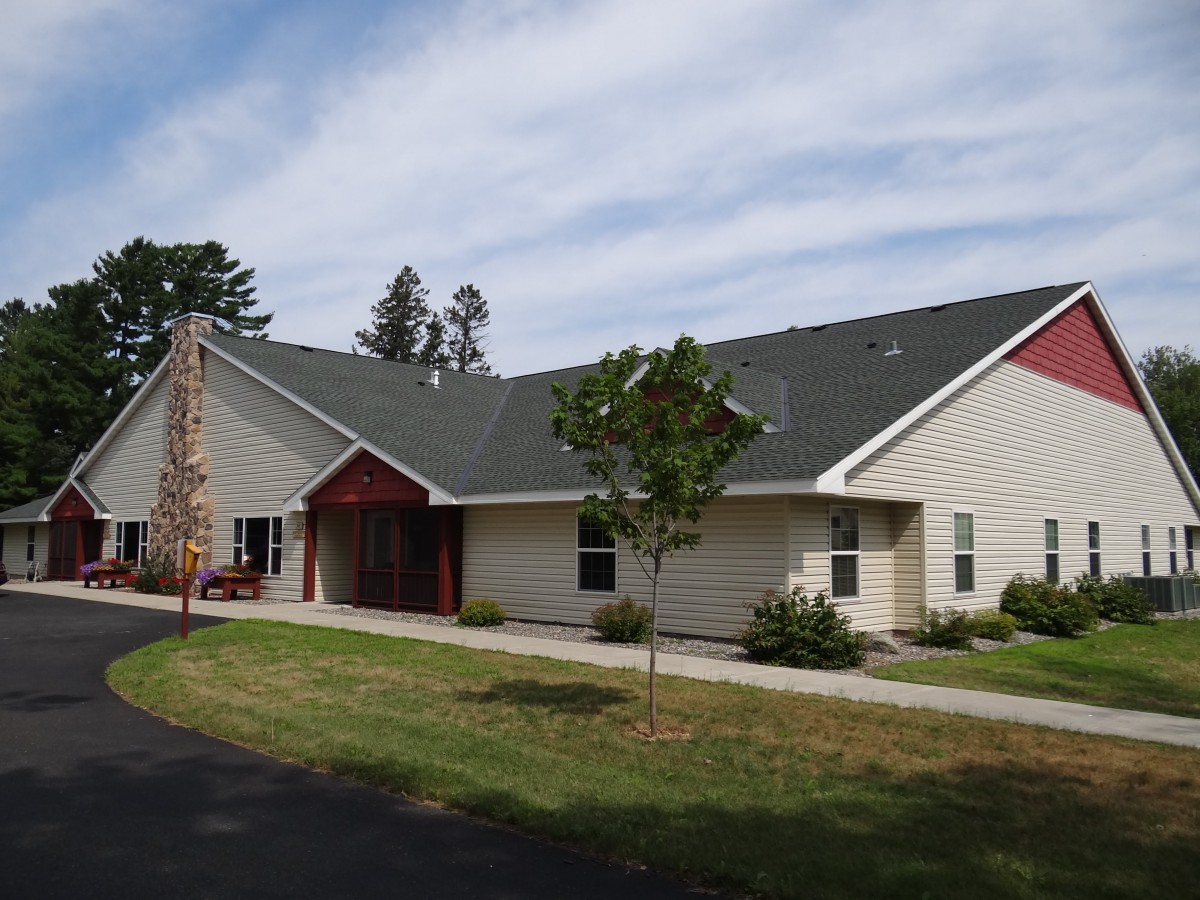


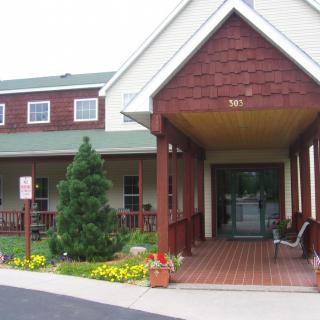

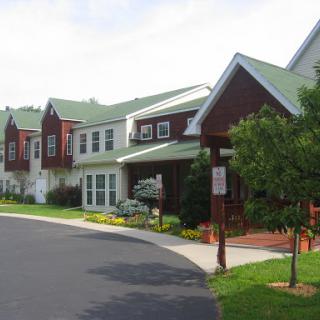

303 10th St S, Walker, MN 56484
To contact a resident: (218) 547-4515
For more information about senior living options: (866) 208-4318
May Creek Costs & Pricing
May Creek offers competitive pricing for various room types compared to both Hubbard County and the broader Minnesota state averages. For a semi-private room, residents pay $2,675, which is significantly less than the county's rate of $3,088 and the state average of $4,051. The studio option is equally priced at $2,800 when compared with Hubbard County but remains more affordable than the state average of $3,617. However, May Creek's pricing shifts for one and two-bedroom units; the cost for a one-bedroom is $3,800 - higher than both local ($2,233) and state ($2,893) prices. Similarly, the two-bedroom price of $4,100 stands out as well above both Hubbard County ($2,449) and Minnesota averages ($2,955). Overall, while May Creek provides reasonable rates for certain room types like semi-private and studios, it appears to have positioned itself at a premium for larger accommodations.
| Floor plans | May Creek | Hubbard County | Minnesota |
|---|---|---|---|
| Semi-Private | $2,675 | $3,088 | $4,051 |
| Studio | $2,800 | $2,800 | $3,617 |
| 1 Bedroom | $3,800 | $2,233 | $2,893 |
| 2 Bedrooms | $4,100 | $2,449 | $2,955 |
Overall Review of May Creek
Pros
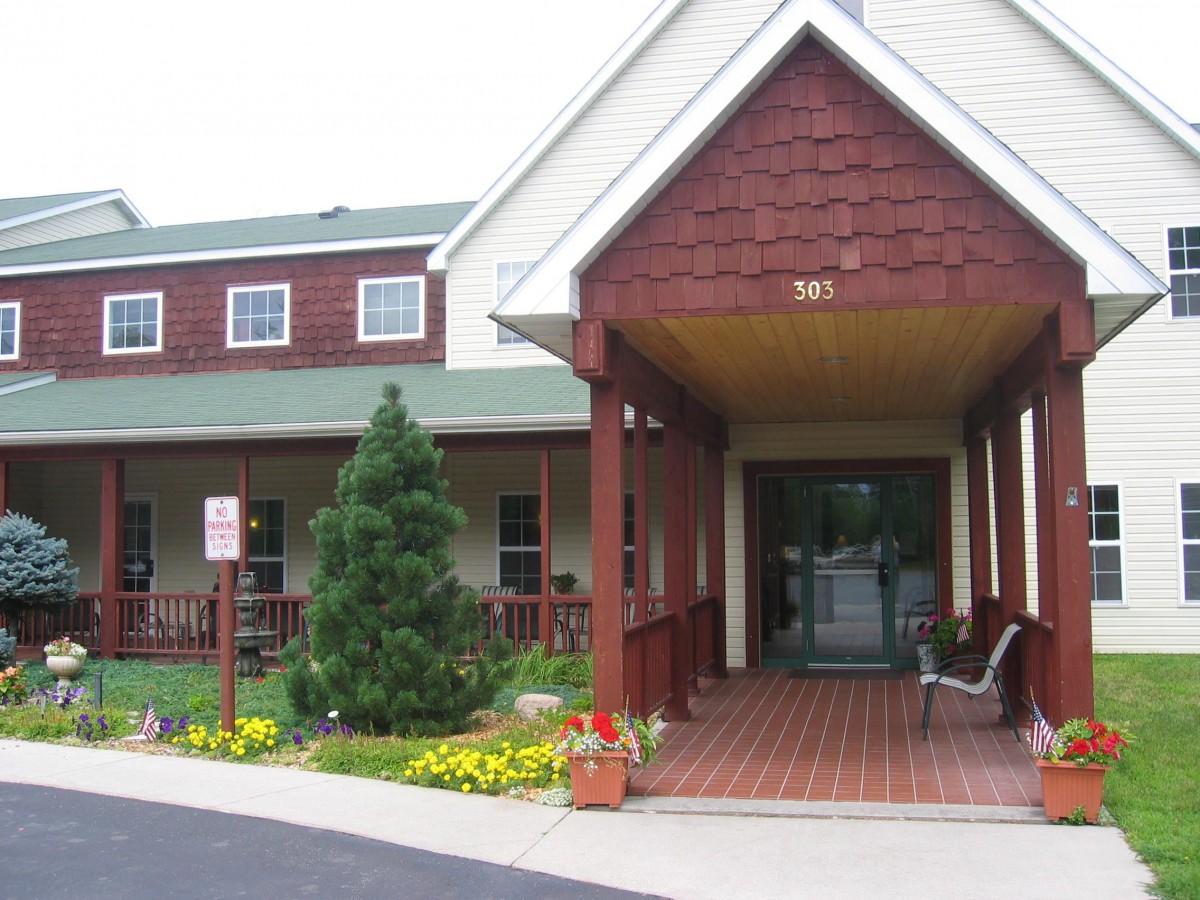
 The facility is beautiful and clean, with caring employees and great food for residents.
- May Creek offers better services at a lower price than other communities.
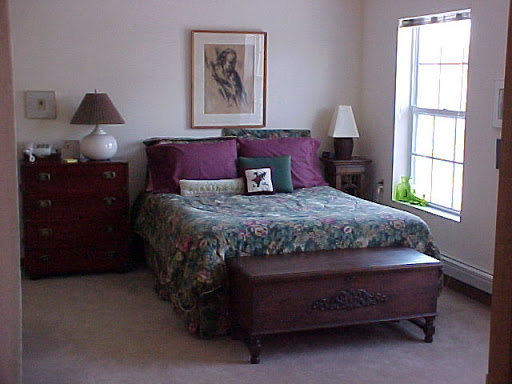
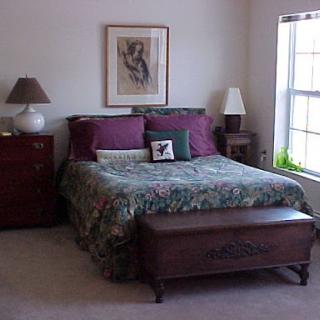
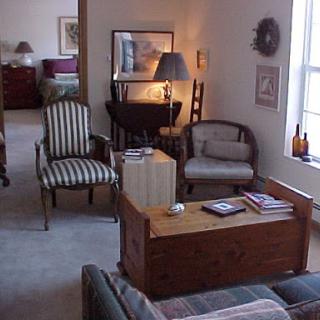
- The room is cozy and meets residents’ needs.
- The nurses are great to work with.
- The recruitment director is great, responsive, and friendly.
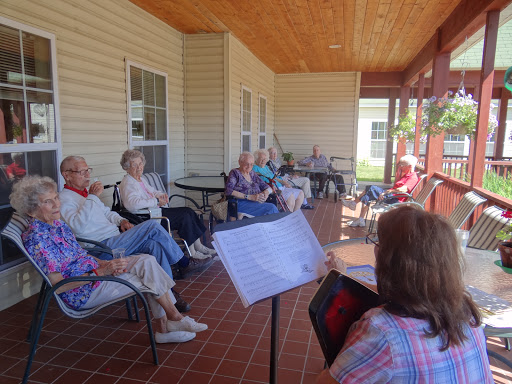
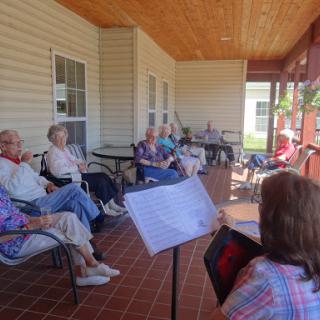
- The staff are very kind and provide fun activities for the seniors.
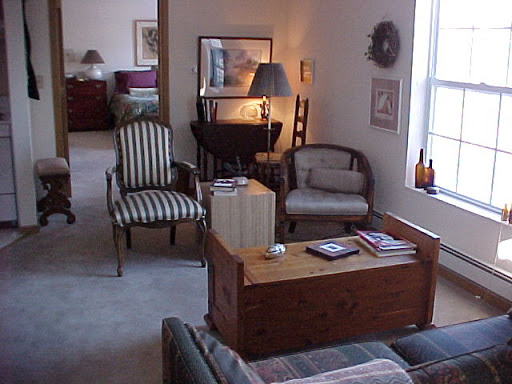
- The rooms are nice and spacious, with a sitting area outside a group of rooms.
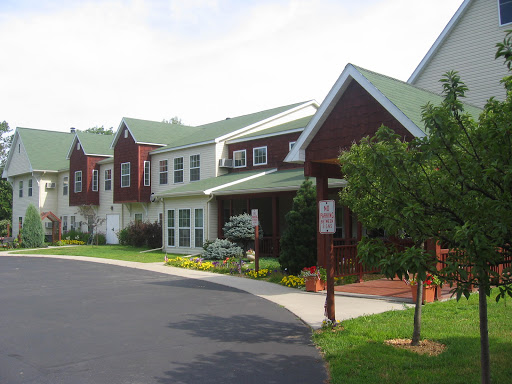
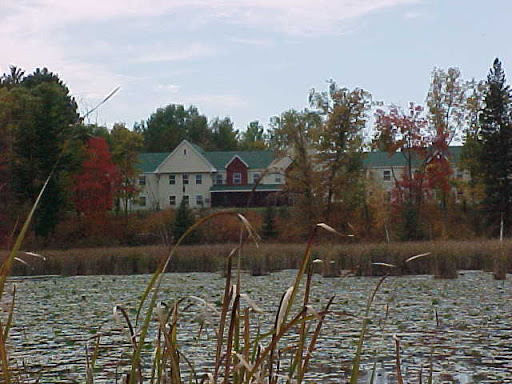
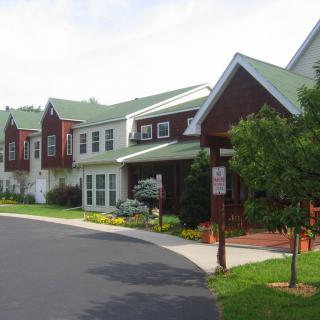
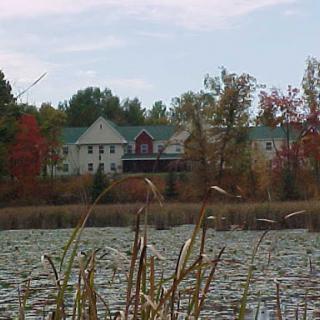
- The facility is tucked in the woods by a lake with walking paths, creating a beautiful setting.
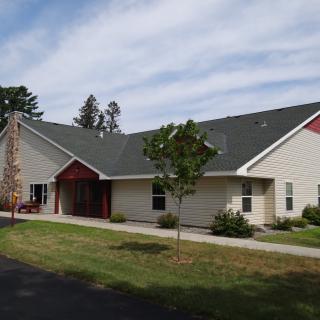
- The Memory Care Cottage is a separate building from the Assisted Living, and both are warm and inviting.
- A professional staff member provided information, floor plans, and starting prices clearly.
- The reviewer would have no hesitation bringing their mother to May Creek.
Cons
 Victoria needs to be fired.
 - Victoria hung up on prospective admissions inquiries.
- The staff have stolen items from residents' units, including a glass cake pan, personal food, and a gifted toaster.
- They forgot to get her medicine from the pharmacy and blamed the pharmacy for the error.
- The facility claimed to welcome families, but that has not been the case; they put on a nice front and bully residents and their families.
- The facility administrator Elizabeth is a bully who loves to be on power trips.
- The administrator and staff have made false accusations that the resident was yelling and swearing at them.
- There have been reports of abuse and neglect to the state, and the reviewers will continue to report them to proper agencies.
Review
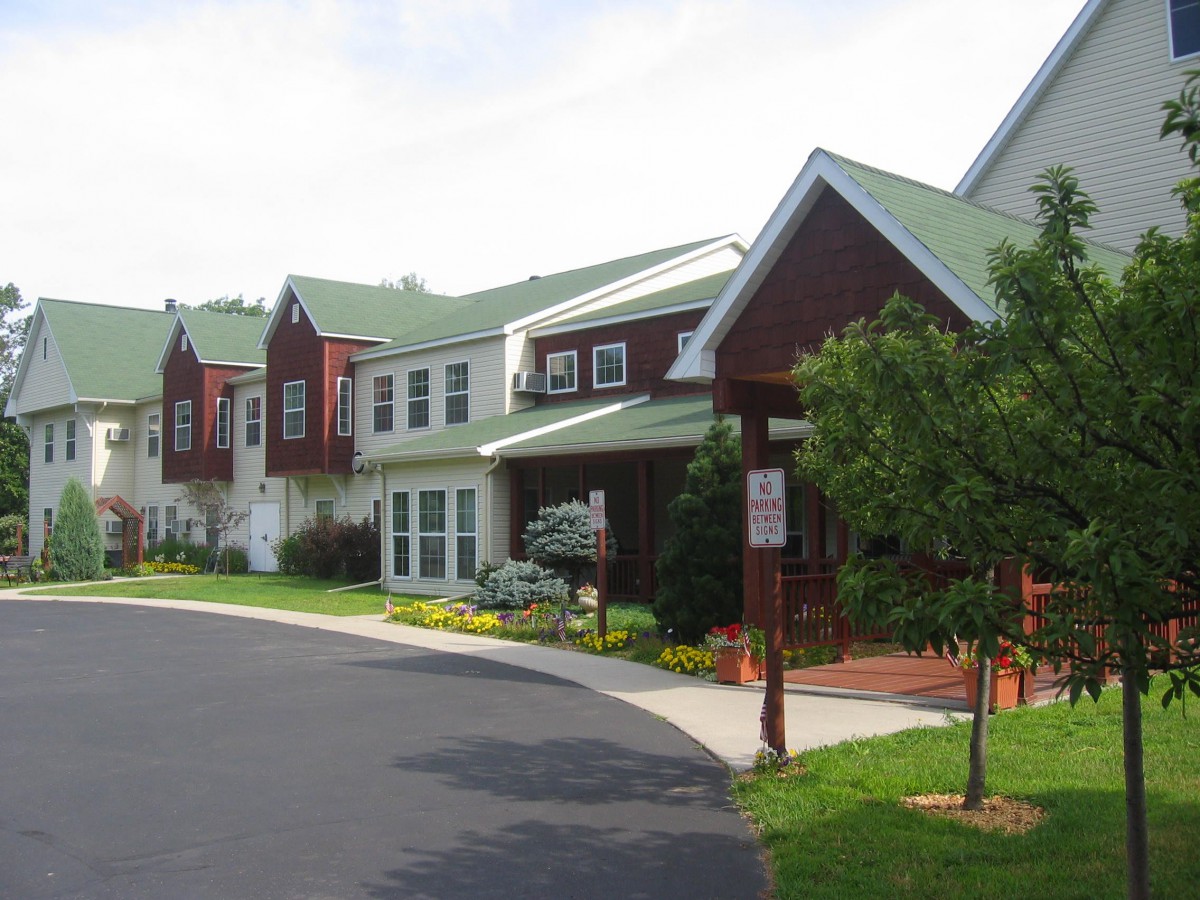
May Creek in Walker, MN is best suited for families seeking a small, homey environment where residents receive personal attention, the setting offers calm beauty, and cost relative to larger campuses matters. The community feels intimate rather than institutional, with cozy rooms, a cul-de-sac style layout, and outdoor walking paths by a lake that encourage easy pacing and social strolling. Reviewers consistently highlight a welcoming atmosphere, approachable nurses, and staff who strive to make daily life pleasant. The Memory Care Cottage’s separation from assisted living is a practical perk for families needing a distinct space for memory-impaired residents while keeping the campus feel intact. For families prioritizing warmth, manageable size, and a scenic backdrop, May Creek checks those boxes well.
However, a sizeable caution flag runs through several accounts: questions about admissions conduct, safety, and staff behavior that cannot be ignored. One reviewer alleges a admissions contact was confrontational to the point of hanging up, signaling potential communication breakdowns at a crucial transition moment. More troubling are repeated claims of theft and neglect, items taken from a resident’s unit, missed medications, and inconsistent housekeeping, which undermine trust in basic daily operations. A handful of reviewers also characterize the administration as bullying or overly punitive, and there are explicit mentions of state-level abuse reports. These reports cast a shadow over otherwise favorable impressions and warrant careful scrutiny before committing, particularly for residents with heightened vulnerability or a history of needing steady advocacy.
The core pros, beauty, cleanliness, good meals, active engagement, and a responsive caregiving team, often stand in opposition to the cons, but they do not erase them. Families repeatedly note pleasant dining experiences, nice and spacious rooms, and meaningful activities that keep seniors socially engaged. The staff, especially the nurses, are described as approachable and helpful, and the recruitment director is singled out as responsive and friendly. In a setting where trust hinges on reliable care and clear communication, these strengths can significantly offset the typical anxieties of moving into a new place. Yet the positive factors do not fully cancel out serious concerns about medication handling, item security, and front-line accountability, which remain critical for any family weighing long-term placement.
Admissions and ongoing communication emerge as pivotal determinants of satisfaction. The contrast between a problematic admission interaction and a positive onboarding experience, where a knowledgeable staff member presents floor plans, pricing, and care options with clarity, illustrates how quickly a family’s perception can polarize. Ongoing rapport with the administration and care teams appears to hinge on consistency and transparency: families want timely updates when issues arise, straightforward processes for reporting concerns, and visible actions taken to address mistakes. When these elements are missing or irregular, even a facility with strong amenities can feel unstable and risky.
Memory care on the May Creek campus offers a practical, contained option for families seeking specialized attention. The presence of a separate Memory Care Cottage signals an approach to dementia care that can preserve dignity while keeping residents within a familiar community. Positive notes about information sessions and floor plans suggest real attention to helping families make informed choices. Still, the memory care setting is not insulated from the broader concerns about staff reliability and incident handling, so evaluators should verify care plans, supervision levels, and how crises are managed within memory care hours and shifts.
The bottom-line decision is practical and selective. May Creek is a sound match for families prioritizing a quiet, scenic, intimate community with solid nursing care, appealing rooms, and engaging activities, all at a more affordable price point than some larger rivals. It becomes a less attractive option for those who require unwavering consistency in medication management, transparent handling of resident belongings, and a uniformly respectful administrative environment. Prospective families should conduct rigorous, in-person due diligence: meet with the administrator and memory care director, tour the cottages, review incident reports, and request specific examples of how past complaints were resolved. If comfort with a particular staff rapport and a demonstrated commitment to resolving issues is achieved, May Creek can be a dependable home; if not, alternatives with a proven track record of safety and accountability warrant serious consideration.
 Assisted Living
 Memory Care
 Activities on-site
 Beautician on-site
 Devotional services off-site
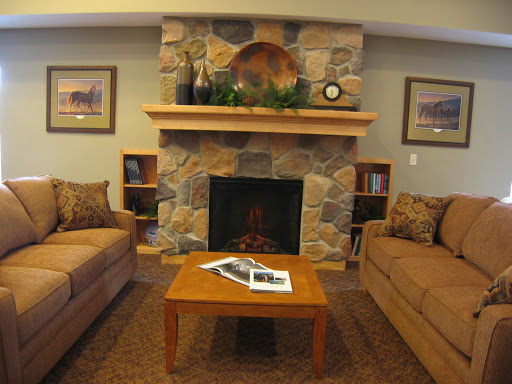
 Indoor common areas
 Respite or short term stays offered
 Ambulatory care
 Diabetic care
 Incontinence care
 Medication management
 Meals provided


 When to Transition from Assisted Living to Memory Care: Key Indicators, Steps, and Finding the Right Community
 Understanding the Distinctions: Assisted Living and Memory Care Explained
 How to Communicate with a Loved One Living with Dementia: 10 Supportive Strategies