
303 10Th Street South, Walker, MN 56484
For more information about senior living options: (866) 208-4318
Overall Review of Edgewood May Creek
Pros
 The facility is beautiful and clean, with caring employees and great food for residents.
- Edgewood May Creek is good; they play Yahtzee, take residents on outings, serve three meals a day, and help residents bathe; the staff is really good with residents.
- Edgewood May Creek was a beautiful campus, with a nicely set up dining area; the staff were cooperative, friendly, and accommodating.
- Residents can move in as independent and, as they need more assistance, stay in their apartment with the help they need.
Cons
 Victoria should be fired.
- The staff hung up on the caller when asked to speak with admissions.
- The mother hates it there.
- The staff have stolen items from the mother's unit, including a glass cake pan, personal food, and a toaster.
- They did not offer any light housekeeping duties.
- They forgot to get her medicine from the pharmacy, and blamed the pharmacy for the error.
- The facility claimed they welcomed families, but they are bullies to residents and their families.
- Elizabeth, the facility administrator, is a bully who enjoys power trips.
- They have made false accusations that the mother was yelling and swearing.
- The reviewer has filed two reports with the state about abuse and neglect and will continue to report them.
Review
Edgewood May Creek in Walker, MN is best suited for seniors who want a well-maintained campus, reliable meal service, and a care plan that can scale up without relocating. The setting is appealing: clean, attractive common spaces and a rhythm of activities that support social engagement. For families, the practical appeal lies in preserving independence while layering in help as needs grow, rather than forcing a move to a new building. However, this option should be avoided by those who cannot tolerate reports of inconsistent leadership, or whose loved ones require stringent safety oversight and highly reliable medication management.
On the upside, the building blocks are solid. Many accounts describe caring, approachable frontline staff who make daily living smoother for residents. The dining program stands out as a genuine strength, three meals a day delivered in a welcoming setting with meals that residents enjoy. Assistance with daily tasks such as bathing is available, and the staff are described as cooperative and accommodating. The campus design supports staying put as care needs increase, so a resident can transition from independent living to more supportive services without the disruption of moving to a new building. Social programming, including activities like Yahtzee and organized outings, adds meaningful engagement to everyday life.
Yet the downside is substantive and repeatedly echoed. There are serious concerns about theft from residents’ units, missing or mishandled medications, and insufficient housekeeping. Several family members allege administrators engage in bullying and power plays, with claims of false accusations against residents. The perception of exclusion or inequitable treatment for minority residents compounds the risk, contributing to a sense that safety, dignity, and fair treatment cannot be consistently guaranteed. Reports to state authorities underscore a pattern of abuse and neglect that cannot be ignored when weighing a move for a loved one.
The good news is that the pro aspects can technically offset some daily quality-of-life gains, but they do not erase the fundamental safety and trust issues. A resident who is largely independent and values predictable routines, social activity, and the option to escalate care on-site can still benefit from the campus atmosphere, meals, and incremental support. Staying in one apartment as care needs evolve reduces upheaval and helps families plan long-term. But when medication errors and theft are part of the lived experience, the margin for error becomes unacceptably wide for many families, and the day-to-day confidence of both residents and families diminishes.
Families should compare Edgewood May Creek against alternatives with stronger governance and transparent leadership. If dependable medication management, comprehensive housekeeping, and inclusive, respectful engagement of all residents are non-negotiables, other communities may present safer, more reliable options. If concerns about bullying, bias, or unresponsive administration persist, it is essential to tour competing communities, probe incident-tracking and resolution processes, and demand clear commitments to resident safety and family communication. A rigorous site visit with direct conversations about accountability will reveal whether Edgewood May Creek can meet expectations or if a more consistently accountable option is warranted.
In the end, Edgewood May Creek offers a practical blend of comfort, meals, and gradual care on a single campus, but safety and governance concerns are decisive for many families. The strongest fit is a profile that tolerates occasional leadership friction in exchange for a pleasant environment and scalable on-site assistance. For those unwilling to compromise on safety, dignity, and reliable medication oversight, pursuing alternatives is prudent, with a structured decision plan: schedule visits, request incident histories, and seek candid discussions with leadership to gauge responsiveness. A disciplined, informed approach will determine whether this community aligns with long-term care goals or points toward a more accountable match.
 21 resident community capacity
 1-bedroom apartments
 Assisted Living
 Beauty salon
 Cable or satellite TV
 Dining room
 Fully furnished
 Garden
 Housekeeping services
 Kitchenette
 Move-in coordination
 Outdoor space
 Telephone
 Wi-Fi/high-speed internet available
 24-hour call system
 Activities of daily living assistance
 Assistance with bathing
 Assistance with dressing
 Assistance with transfers
 Diabetes diet
 Meal preparation and service
 Medication management
 Mental wellness program
 Special dietary restrictions
 Transportation arrangement (medical)
 Transportation to doctors appointments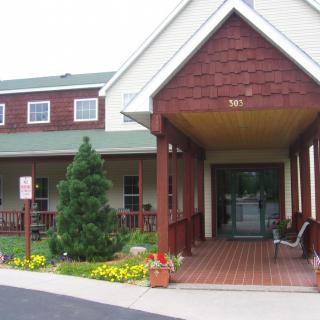



 Understanding the True Cost of Assisted Living in 2025: A Comprehensive Guide
 Understanding Medicaid Coverage for Assisted Living: A Comprehensive Guide
 How and When Medicaid May Cover Assisted Living Costs