
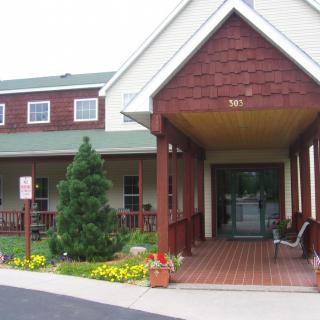
823 State Highway 371 Nw, Backus, MN 56435
For more information about senior living options: (866) 208-4318
Overall Review of Dignity And Grace
Pros
 Carol Lien received care at Shepherd of Grace that was far above what anyone could expect.
- She made many friends there.
- The caregivers were amazing and loved her like family.
- The countless caregivers who visited and shared their experiences with Mom showed an extraordinary sense of community.
- She was loved and surrounded by another whole family.
- She was never alone.
Cons
 Having a mom with dementia is heartbreaking.
- The decision to place her in the care of others is hard.
Review
Dignity And Grace in Backus, MN is best suited for families seeking an intimate, dementia-focused living option where residents are nurtured by a tightly knit caregiving team. The setting appears to prioritize personal connection and social belonging, turning communal life into a genuine extended family for those facing memory loss. In this environment, residents are more than occupants; they are known by name, remembered by caregivers, and surrounded by continuous, compassionate attention. For a loved one who thrives on steady, affectionate interaction and a resident peer group within easy reach, this community offers a compelling, home-like alternative to more clinical models.
Explicitly, alternatives should be considered by families requiring higher medical acuity, specialized memory programming, or more robust clinical oversight. The overall rating, 3.7 from six reviews with a mix of high and low scores, signals experiences vary. Two one-star voices suggest not all residents or families share the same level of satisfaction, hinting at issues that merit direct, in-person inquiry. If a care plan needs stronger medical oversight, more intensive rehabilitation services, or a broader continuum of care, exploring other options may be prudent.
Turning to what stands out, the prevailing pro is the depth and consistency of caregiver engagement. The strongest narrative describes caregivers who loved the resident like family, built friendships, and created an environment where the resident never felt abandoned. A tangible sense of community emerges as staff greet, share experiences, and honor the resident’s life. For dementia care in particular, such relational depth translates into meaningful daily interactions, safe companionship, and a social life that can reduce withdrawal and agitation. The emotional safety net formed by this team is a decisive advantage.
That strength, however, is counterbalanced by some concerns reflected in the mixed reviews. Observers note turnover and the presence of many caregivers over time, which can create inconsistency in daily routines or require residents to continually re-establish trust with new faces. Yet the warmth and caregiving dedication described by residents’ families function as a counterweight: even amid staff changes, the message of belonging and being cared for remains strong. When decision-makers prioritize emotional well-being, this capacity to cultivate attachment and continuity tends to offset turnover more than might be expected.
Families evaluating Dignity And Grace should confirm dementia-specific programming, staffing ratios, and daily schedules. Prospective movers should ask how often caregivers overlap shifts, how memory care routines are structured, what activities promote cognitive engagement, and how family input shapes care plans. It is essential to understand end-of-life capabilities, emergency protocols, and transportation for appointments. Observing a tour with direct interactions between residents and the caregiving team, and meeting the administrator, can reveal whether the emotional climate described by others translates into the current operation.
In sum, Dignity And Grace is a strong pick for families prioritizing intimate, person-centered dementia care in a small-town setting. The arrangement works best for residents who respond to deep relational care, consistent affection, and a palpable sense of belonging. For those who require higher clinical acuity, more extensive medical oversight, or broader programming options, alternatives should be explored to avoid gaps in care. With the right fit, the emotional safety net and the family-like culture this community fosters can transform the dementia experience from unsettled to supported, enabling families to entrust their loved one to an environment that genuinely feels like home.
 21 resident community capacity
 Assisted Living
 Activities on-site
 Beauty salon
 Cable or satellite TV
 Devotional services off-site
 Dining room
 Fully furnished
 Garden
 Housekeeping services
 Indoor common areas
 Kitchenette
 Move-in coordination
 Outdoor space
 Telephone
 Wi-Fi/high-speed internet available
 24-hour call system
 Ambulatory care
 Assistance with bathing
 Assistance with dressing
 Assistance with transfers
 Diabetes diet
 Diabetic care
 Meal preparation and service
 Medication management
 Mental wellness program
 Special dietary restrictions
 Transportation arrangement (medical)
 Transportation to doctors appointments


 Assisted Living and Memory Care: Understanding Their Core Differences
 Beyond the Bingo Hall: 50+ Enriching Activities for Seniors in Assisted Living
 Understanding the Distinctions: Assisted Living and Memory Care Explained