
300 W 1st Street, Waconia, MN 55387
To contact a resident: (952) 457-2115
For more information about senior living options: (866) 208-4318
Overall Review of Maplecrest Commons
Pros
 It is a nice location and the people were friendly and helpful.
Cons
 The management is poor at best.
- Tenant issues are not resolved.
- Overall maintenance is poor.
- They do not look out for the seniors at all.
- The residents do whatever they want, and it does not matter to management.
- They are like the three monkeys: hear no evil, see no evil, and speak no evil.
- No one enforces rules, so tenant problems go unresolved.
Review
Maplecrest Commons in Waconia, Minnesota is best suited for independent seniors who want a pleasant setting and a friendly, neighborly atmosphere, and for families prepared to provide hands-on oversight. The campus can offer a social rhythm, common areas, neighbors to chat with, and a sense of security from a visible, everyday presence, yet the environment does not deliver reliable governance or proactive resident protection. Those who cannot tolerate inconsistency in how rules are applied or delays in maintenance responses will find this option stressful and unpredictable. In practical terms, the location and interpersonal warmth exist as a counterpoint to weak administrative discipline; the opportunity to build a comfortable routine is real, but it arrives without the safeguards that typically accompany higher-demand communities.
Alternatives should be considered for anyone with genuine care needs or who expects consistent accountability from staff. Residents with higher medical or daily living needs will likely require more structured oversight and faster issue resolution than Maplecrest Commons appears to provide. Families that depend on facility leadership to identify and address concerns without repeated prompting will want to compare other options where management demonstrates a track record of follow-through. If a family views a community as a baseline that could be acceptable only with vigilant, ongoing oversight, Maplecrest Commons should be approached as a last-resort scenario rather than a first recommendation. The reviews imply that, without persistent external oversight, resident comfort can drift into neglectful patterns, making care quality a moving target rather than a stable guarantee.
On the upside, the site’s appeal and the social fabric among residents stand out when interactions occur. One visitor described the location as nice and noted friendly, helpful people, which hints at a cooperative, low-drama environment in ordinary moments. This kind of atmosphere can make daily living pleasant for those who already bring a degree of independence. However, this warmth seems insufficient to blunt the effects of governance gaps. A strong first impression in person tours may not translate into reliable maintenance or responsive problem-solving once settled. The discrepancy between cordial exchanges and systematic reliability is where Maplecrest Commons reveals its fundamental weakness, and it is essential to weigh those contrasting impressions against long-term needs before committing.
The core drawbacks are persistent and structural: descriptions of management as poor at best, unresolved tenant issues, and maintenance that lags behind requests. The culture appears permissive rather than protective, with residents operating with little clear oversight and limited enforcement of rules. That dynamic creates a situation where minor conflicts fester, and routine upkeep falls through the cracks. The repeated emphasis in reviews, communication breakdowns, ignored tickets, and an atmosphere of “don’t ask, don’t tell”, is a red flag for anyone evaluating safety and accountability. When residents can act with impunity and staff do not intervene promptly, risks accumulate: trip hazards from deferred repairs, unaddressed safety concerns, and a sense of instability that undermines trust in the facility’s ability to protect vulnerable adults. These structural failings cannot be offset by friendliness alone.
Because upkeep, responsiveness, and accountability are lacking, any advantages from location or social warmth are insufficient to offset the risk. For families relying on stable care and predictable operations, the balance tips toward alternatives unless robust oversight is established, ideally through a formal service agreement, explicit response-time targets, and transparent incident reporting. Prospective residents should observe how management handles conflicts during a trial or move-in period, and insist on a clearly defined process for escalating issues to a regional supervisor or corporate leadership. The presence of a supportive social environment does not erase the need for timely repairs or consistent rule enforcement. In practical terms, Maplecrest Commons may serve only the highly independent who have ready family support to monitor daily operations and who can tolerate a degree of administrative ambiguity.
Decision guidance: approach Maplecrest Commons with a rigorous due diligence plan. Tour multiple times at different hours to gauge consistency, pose pointed questions about maintenance ticket turnaround, rule enforcement, incident reporting, and staff-to-resident ratios, and demand a written outline of available services and expected care levels. If responses prove inconsistent or unsatisfactory, pivot to communities with stronger governance and clearer accountability. Maplecrest Commons is a fit only for those who are comfortably autonomous and backed by active family oversight, someone who can translate warmth and location into a reliably managed living experience.
 Active Adult Communities (55+)
 Cats allowed
 Dogs allowed
 Activities on-site
 Bath tubs
 Indoor common areas
 Outdoor common areas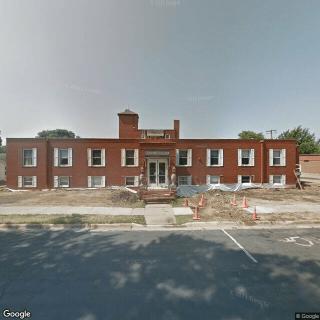


 Understanding Home Health Care: A Comprehensive Guide
 Home Health Care Demystified: A Comprehensive Guide for Families and Caregivers
 Seniors and Modern Transportation: Exploring Uber, Lyft, and Other Ride-Hailing Options