
333 W 5th St, Waconia, MN 55387
To contact a resident: (952) 442-5111
For more information about senior living options: (866) 208-4318
Overall Review of Good Samaritan Society-Waconia
Pros
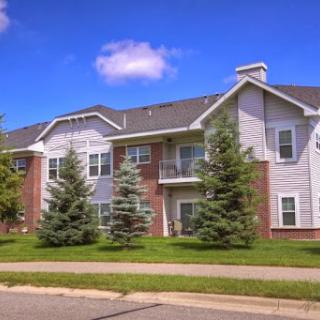
 The facility exudes a sense of comfort and warmth.
- Residents are seen engaging in conversations, laughter, and games together.
- Staff members greet visitors with warm, genuine smiles.
- Residents and staff appear very happy at the facility.
- Many staff members have tenure of over 15 years, indicating strong commitment.
Review
Good Samaritan Society-Waconia is best suited for seniors who want a warm, neighborly environment where social connection and personal attention define daily living. The community shines for families prioritizing a home-like atmosphere, where residents appear engaged, content, and visibly part of a cohesive, friendly milieu. It works particularly well for adults who value daily interactions, tangible expressions of care, and a sense that staff know residents by name and preferences. In short, this is a setting that emphasizes companionship, comfort, and steady, person-centered engagement over clinical theatrics or impersonal routines.
Anyone weighing this community against options with higher medical acuity or specialized memory care should consider alternatives. For seniors who require intensive clinical oversight, frequent skilled nursing interventions, or dementia-specific programming with structured protocols, more specialized facilities may deliver the level of care those needs demand. Similarly, families looking for rigorous cost transparency, broader service menus, or a sharper emphasis on clinical metrics may find it worthwhile to compare offerings elsewhere. The warmth here sets a strong relational baseline, but that baseline does not automatically satisfy every care scenario.
The strongest pros in this setting, an instantly welcoming atmosphere, visible resident happiness, and a staff culture that values long-tenured relationships, create a compelling offset to common concerns about impersonal care. The warmth is not just cosmetic; it permeates daily interactions, with residents gathered together, chatting, laughing, and engaging in games. The fact that many staff members have stayed for more than a decade suggests stability, reliability, and familiarity, which translates into consistent routines, better communication with families, and fewer disruptive staff changes. In practical terms, this combination often yields smoother transitions for new residents, quicker adaptation, and a lower perceived risk of loneliness or neglect.
Yet there are no explicit drawbacks noted in the available observations, which makes it essential to acknowledge what the account does not address. The briefing omits details on price, room configurations, levels of medical or memory care, staff-to-resident ratios, or the breadth of on-site services. It also offers no read on activity variety beyond a snapshot of social vitality. For families on the fence, the absence of concrete information on care capacity and affordability means the decision must rest on first-hand experiences during tours and direct questions about what is guaranteed versus what is optional. The practical takeaway is clear: this community feels right for social and relational priorities, but confirm it aligns with medical and financial expectations before committing.
Taken together, the pros effectively offset the main concerns for families who place emphasis on connection, continuity, and a thriving resident culture. The presence of long-tenured staff reduces volatility and builds trust, while the evident happiness among residents signals that daily life is genuinely meaningful and well-supported. The social fabric acts as a powerful antidote to isolation, which is often a hidden risk in senior living. For decision-makers, the message is practical and actionable: prioritize this community if companionship and steady, familiar caregiving are non-negotiable values; use these strengths to balance any gaps identified in care specifics or cost considerations.
In making a final choice, families should approach with a clear checklist: schedule a visit, observe interactions between staff and residents, and assess whether care services meet current needs and potential future changes. Inquire about staffing ratios during peak hours, what medical oversight exists on-site, and how memory care or higher-acuity needs would be managed. Ask for a detailed breakdown of monthly costs, included services, and what would trigger additional charges. Compare with other communities that offer more explicit clinical programming or different social emphases. For households prioritizing warmth, stability, and genuine connection, Good Samaritan Society-Waconia stands out as a solid, family-friendly option; for those needing more intensive medical support, it should be evaluated alongside alternatives until a formal fit is confirmed.
 Assisted Living
 Independent Living
 Skilled Nursing Facility
 Activities on-site
 Devotional services off-site
 Indoor common areas
 Ambulatory care
 Diabetic care
 Meals provided

 Comprehensive Insights into Activities of Daily Living (ADLs) and Their Assessment
 Guiding Elderly Parents Who Refuse Assisted Living: 6 Practical Steps
 Your Comprehensive Guide to Luxury Assisted Living: Elevated Facilities, Amenities, and Costs