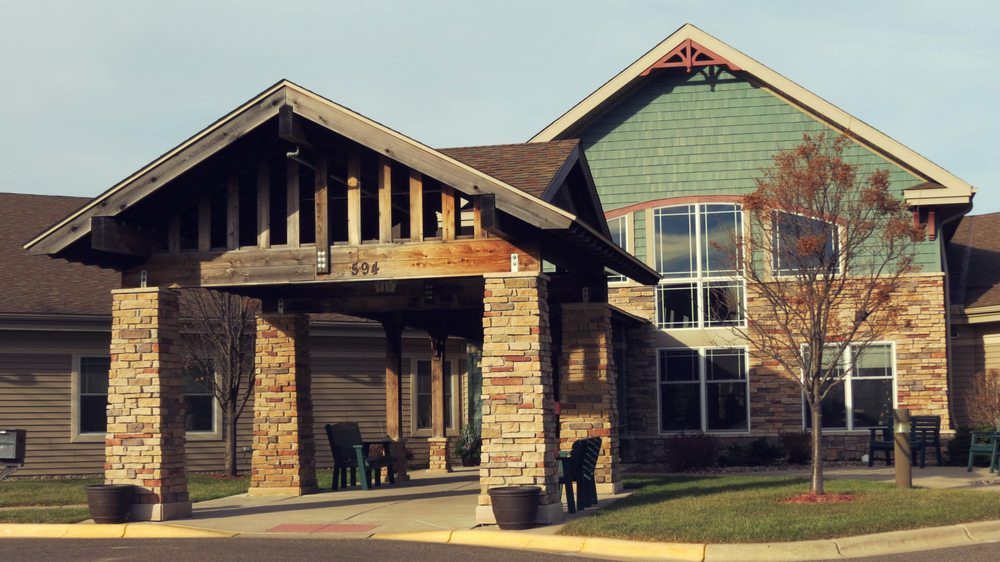
594 Cherry Drive, Waconia, MN 55387
For more information about senior living options: (866) 208-4318
Overall Review of Auburn Home In Waconia
Pros
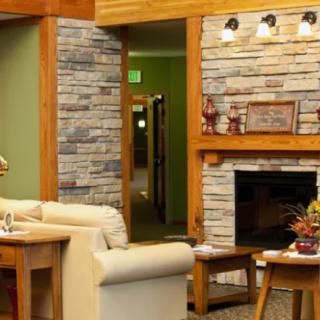
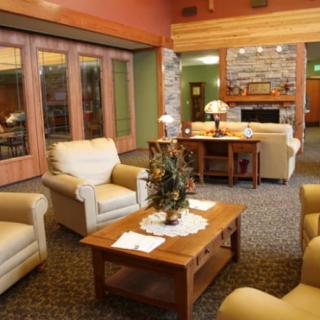
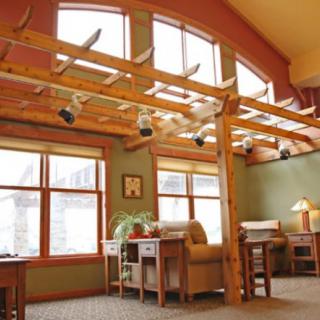
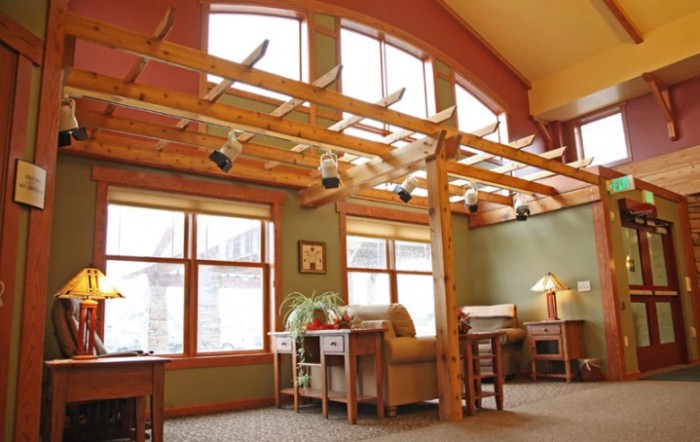
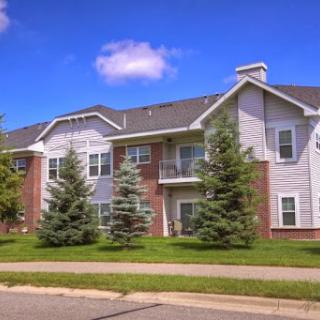
 The facility was brand new and beautiful.
- The staff were very nice.
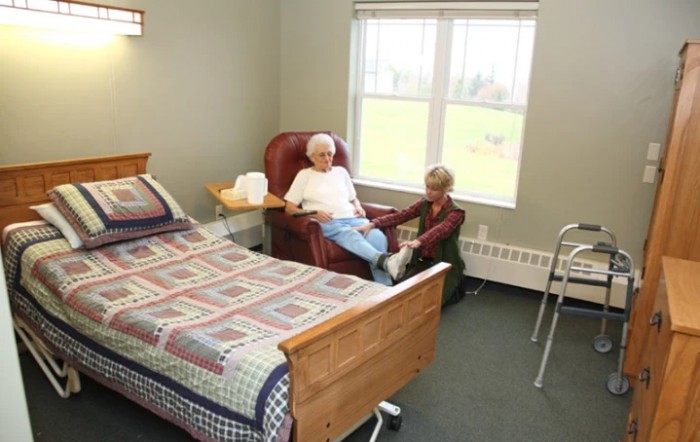
- The staff seemed passionate about their jobs and very helpful to residents.
- All the residents seemed to be happy.
- The restaurant-style food was spectacular.
Cons
 Some of the homemakers were really rude.
- They didn't answer any questions from the residents or the reviewer, and they shrugged their shoulders.
Review
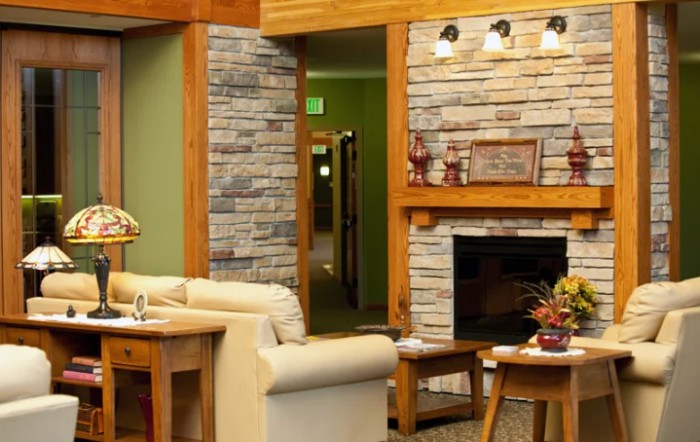
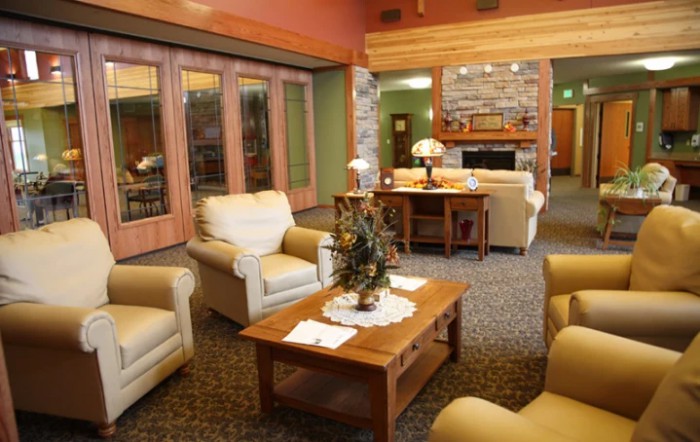
Auburn Homes in Waconia is best suited for active seniors who want a fresh, aesthetically polished setting with a strong dining program and a care team that shows genuine engagement with residents. The community’s brand-new construction and modern design create an immediate sense of safety and comfort, while the restaurant-style dining experience stands out as a genuine highlight. A visitor noted the facility’s beauty and the warmth of staff, and residents appeared happy in the environment. For families prioritizing a bright, upscale atmosphere where meals and social dining feel like a daily highlight, Auburn delivers a compelling, low-stress living option that emphasizes quality of life through ambiance and hospitality.
Those who may want to consider alternatives are families with higher expectations for front-desk responsiveness or who require more comprehensive built-in amenities. If direct, proactive communication from staff is non-negotiable, or if an in-house pool or extensive fitness facilities are essential, Auburn might fall short. The review points to an irregular experience with a subset of homemaking staff who did not always answer questions, suggesting that consistency in everyday interactions can be uneven. For families seeking a more assertive care coordination approach or a broader menu of health and wellness options within the community, exploring other options could yield a better alignment with those priorities.
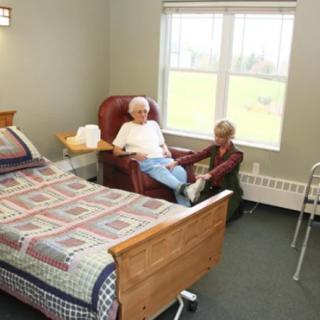
The core positives, newness, beauty, and a clearly resident-centered culture, play a decisive role in offsetting the few friction points. A brand-new building tends to translate into better accessibility features, simpler maintenance routines, and a safer overall feel, which directly supports residents who value independence with minimal daily disruptions. The staff’s evident passion for their work and their attentiveness to residents and even volunteers signal a culture that prioritizes comfort, dignity, and personal attention. And the dining experience, described as restaurant-quality, provides not just nourishment but social engagement, reinforcing mood and quality of life on a daily basis. In practical terms, these advantages can significantly reduce the stress families feel during the transition to assisted living.
The most tangible con is the inconsistent responsiveness from some members of the homemaking team. That issue can erode confidence if visitors or residents frequently need clarifications and answers that are not readily forthcoming. However, the overall tone of warmth from staff and the reported happiness of residents mitigate that risk to a degree. If this concern is addressed with clear communication protocols, direct lines to caregivers, and proactive updates, the negative impact can be contained. Another real trade-off for Auburn is the absence of a pool or similar built-in exercise amenity. For physically active residents who equate wellness with water-based activity or a broad amenity suite, this could be a meaningful gap. Yet the strong dining program and the current, high morale among residents partially compensate by fostering social exercise through events and group activities.
From a practical decision standpoint, Auburn is a strong fit for seniors who value a polished, inviting environment and a high-quality dining experience, and for families that place safety, aesthetics, and daily comfort at the top of the list. It suits those who are comfortable with occasional gaps in staff communication but who want a community where care teams clearly care about residents’ happiness. For residents with more complex care needs demanding rapid, highly coordinated responses or those who prioritize robust on-site fitness amenities, alternatives with more extensive programming or a more consistently responsive front line may be preferable. The key is to verify how much value is placed on dining sophistication, social climate, and the consistency of everyday interactions.
To move forward, arrange a detailed tour focused on day-to-day realities: observe how staff interact with residents during meals, request an opportunity to speak with current residents about responsiveness, and test how the staff handles routine questions. Ask about planned enhancements or replacements for amenities like a pool, and inquire about rehabilitation services, transportation, and the breadth of activities offered beyond dining and social events. If the decision hinges on the dining quality and the warmth of the community, Auburn stands tall; if it hinges on constant front-line responsiveness and exercise infrastructure, it warrants careful comparison with alternatives.
 37 resident community capacity
 Skilled Nursing Facility
 Beauty salon
 Cable or satellite TV
 Dining room
 Fully furnished
 Garden
 Housekeeping services
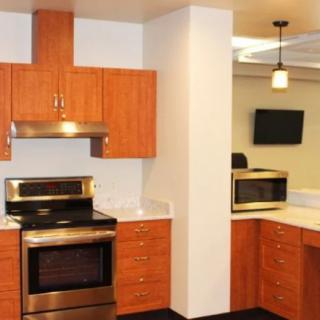
 Kitchenette
 Move-in coordination
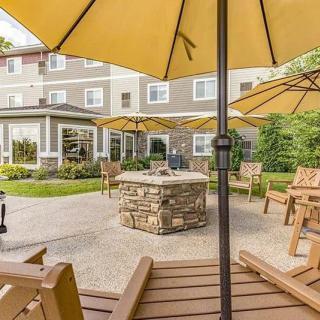
 Outdoor space
 Restaurant-style dining
 Small library
 Telephone
 Wi-Fi/high-speed internet available
 24-hour call system
 Activities of daily living assistance
 Assistance with bathing
 Assistance with dressing
 Assistance with transfers
 Diabetes diet
 Medication management
 Mental wellness program
 Special dietary restrictions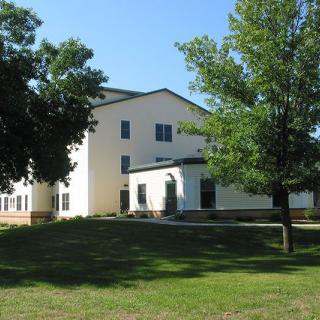


 Understanding the Nuances of Palliative Care and Hospice: A Comprehensive Exploration
 Fecal Incontinence in Older Adults: A Comprehensive Guide
 Nurturing Well-Being Through Gardening: A Detailed Guide for Senior Enthusiasts