
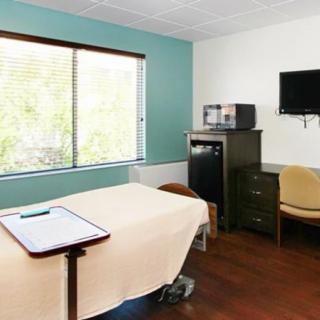


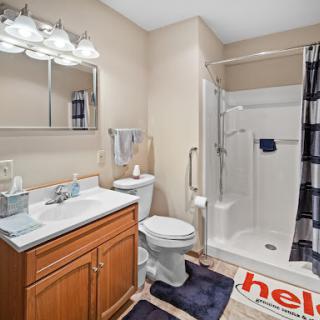
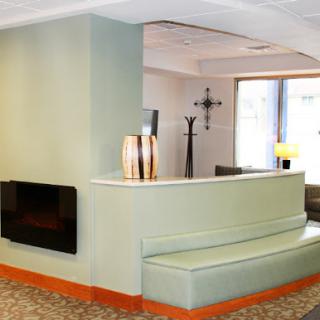

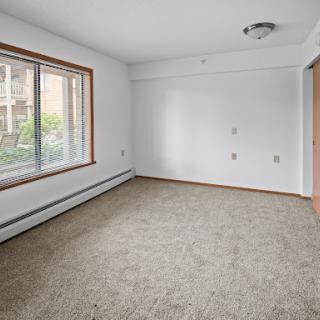

333 Fifth Street West, Waconia, MN 55387
For more information about senior living options: (866) 208-4318
Overall Review of Good Samaritan Society - Waconia And Westview Acre
Pros
 They let her in when she pounded on the window.
Cons
 The Good Samaritan of Waconia has gone downhill.
- The facility was said to be independent, but was later described as not being assisted care, which misled families.
- It was understaffed and the food was horrible.
- The facility was not clean and upkeep was not kept up to date.
- There was no protection for many of the more needy patients.
- The staff were very rude and the reviewers were told to leave.
- They were told that the resident was confused and should be moved to memory care, with claims she had already lost her mind.
Review
This community is best suited for families strictly constrained by cost who are prepared to take on an assertive advocacy role. If finances dictate the choice and there is little tolerance for gaps in care, cleanliness, or safety, this option becomes imaginable only with a plan to personally supervise and demand accountability at every turn. In other words, it is not a fit for anyone expecting consistent, professional care, reliable staffing, and a maintenance-focused environment without persistent oversight. Prospective residents who need dependable memory care, strong staff ratios, and a respectful atmosphere should not narrow their search to this campus.
Those weighing alternatives should prioritize facilities with robust staffing models, transparent oversight, and proven success with memory care populations. If memory support is required, seek communities that clearly delineate a memory care wing with dedicated staff, secure access, and trained personnel, rather than units that appear interchangeable with general assisted living. Families should also compare cleanliness, food quality, and safety practices across options, and verify that advertised independence or assisted-care models align with actual on-site offerings. In short, alternatives with solid reputations for person-centered care are strongly preferable.
There are virtually no evident positives in the cited experience that counterbalance the heavy concerns raised. The promise of independent living did not translate into a reliably delivered service, and the expectation of appropriate assisted care was not met. The absence of clear advantages leaves the actual drawbacks unmitigated, making the facility difficult to recommend. If any potential upsides exist, they are not documented with actionable details or measurable outcomes, so they fail to offset the core failures in staffing, safety, and daily living standards.
The most troubling elements center on staffing and daily operations. Understaffing translates into perceived neglect and delayed responses, while meals are described as unacceptable and the environment not maintained to an acceptable standard. Safety lapses are highlighted by a resident being locked out and staff treatment described as rude or uncaring, culminating in a suggestion that the resident be moved to memory care against the family’s wishes. The combination of misaligned care expectations, perceived indifference, and unsafe, unsupervised moments creates a pattern that is hard to reconcile with a high-quality assisted living or memory care program.
For families evaluating options, a disciplined due-diligence approach is essential: request a live, unannounced visit; observe staffing levels during peak and off-peak hours; ask specifically about memory care credentials, security measures, and staff training; review sample menus for variety and nutrition; verify housekeeping and maintenance protocols; and speak with current residents or families about responsiveness and respect. Scrutinize the facility’s response to concerns, and demand written care plans that reflect individualized needs rather than generic policies. Check state inspection reports and any recent corrective actions to determine whether issues have been acknowledged and addressed.
Bottom line: given the severity of the concerns raised, this community is not recommended for most families, especially those seeking reliable daily care and a safe, compassionate environment. If consideration continues, proceed with heightened scrutiny and a clear escalation path to regional leadership or a supervising agency. Prioritize facilities with transparent staffing ratios, consistent cleanliness, respectful interaction, and a proven memory care framework. The search should continue until a option emerges that demonstrably aligns with the resident’s care needs and the family’s expectations for safety, dignity, and dependable service.
 96 resident community capacity
 Skilled Nursing Facility
 Air-conditioning
 Beauty salon
 Cable or satellite TV
 Computer center
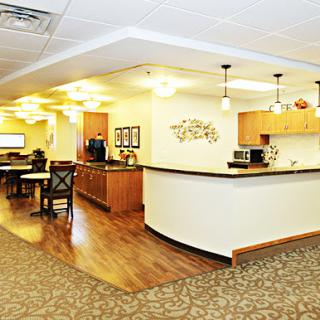
 Dining room
 Fitness room
 Fully furnished
 Gaming room
 Garden
 Housekeeping services
 Kitchenette
 Move-in coordination
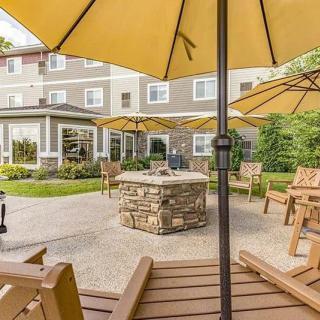
 Outdoor space
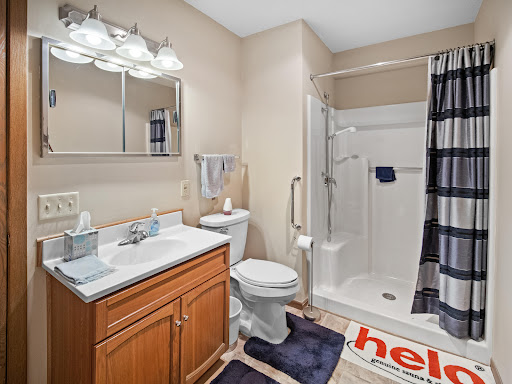
 Private bathrooms
 Restaurant-style dining
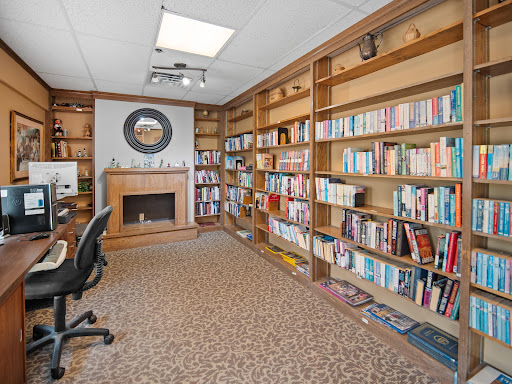
 Small library
 Telephone
 Wellness center
 Wi-Fi/high-speed internet available
 Community operated transportation
 12-16 hour nursing
 24-hour call system
 Activities of daily living assistance
 Assistance with bathing
 Assistance with dressing
 Assistance with transfers
 Diabetes diet
 Medication management
 Mental wellness program
 Special dietary restrictions
 Concierge services
 Planned day trips



 Comprehensive Approaches for Arthritis: A Detailed Guide to Symptoms, Causes, and Care
 Comprehensive Insights and Practical Strategies to Help Older Adults Avoid Falls
 6 Crucial Ways an Elder Law Attorney Assists Families