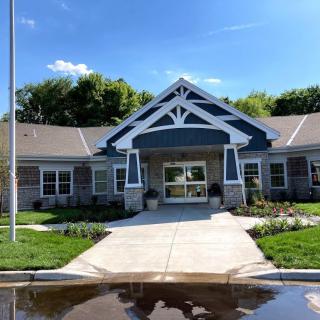
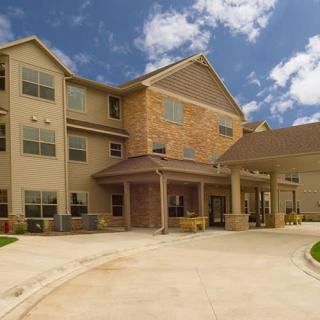
Grace Assisted Living in Shakopee, MN

7007 Greenbriar Curve, Shakopee, MN 55379

For more information about senior living options: (844) 490-3973

3.9 from 8 reviews
5 stars
5
4 stars
1
3 stars
0
2 stars
0
1 stars
2

Assisted Living

Overall Review of Grace Assisted Living

Pros

  • pro They highly recommend Emerald Crest Shakopee Memory Care.
  • pro Their care model is unique and tailored for residents.
  • pro Residents are cared for lovingly, with dignity and affection.
  • pro The activities are enjoyable, and Pastor Arlen's spiritual care is valued as a source of support.
  • pro The clinical staff are caring and communicative.
  • pro Staff treat residents with patience, kindness and dignity, and maintain good communication with families.
  • pro Pastor Arlen provides ongoing support across Emerald Crest locations.
  • pro The facility feels like home, with staff making it as homey as possible.

Cons

  • pro They never received a follow-up call after completing their background check and payment.
  • pro They described the management as not that good.
  • pro One reviewer warned that the facility is horrible and advised others not to place their loved ones there.

Review

This memory-care focused community in Shakopee is best suited for families seeking a highly personalized dementia care program that can scale with worsening needs while preserving a sense of home and continuity. The model actively moves residents through three interconnected houses as their level of care increases, which allows caregivers to build real familiarity with each resident's history, preferences, and routines. Families who prize warmth over clinical rigidity, and who value a built-in rhythm of social and spiritual engagement, will find the core strengths here align with daily realities of progressive dementia.

The strongest selling point is the care team's demonstrated warmth and steadiness. Residents are described as being treated with dignity, kindness, and patience, even as care tasks grow more demanding. Communication with families stands out as a consistent priority; families report regular updates and a willingness from staff to collaborate on individual needs and requests. The presence of Pastor Arlen Solem adds a predictable spiritual dimension that many families value, providing a familiar anchor and regular moments of respite in the week. Weekly live music and other social activities further create a sense of community, a critical factor for mood and engagement in memory care.

A homey, patient-focused atmosphere is repeatedly highlighted as a defining feature. Staff appear to "make it home" for residents, maintaining a comfortable mood during visits and ensuring that residents participate in meaningful activities. The continuity across multiple care levels helps families avoid the upheaval of moving a loved one to an entirely new setting as the dementia progresses, reducing the logistical and emotional stress that otherwise accompanies escalating care demands. In short, for families prioritizing individualized attention, compassionate daily care, and ongoing family involvement, the pros provide real value that translates into steadier days for residents.

However, several warning notes deserve serious consideration. The most consequential concerns center on management and admissions processes. One review bluntly flags management as not meeting expectations, signaling potential inconsistencies in administrative leadership and day-to-day operations. Another review describes a troubling admissions experience - an applicant completed a background check and paid fees, yet did not receive a timely follow-up. A third review contains a pointed caution from a family member, underscoring that the facility can feel fundamentally problematic to some buyers. Taken together, these remarks suggest a nontrivial risk: inconsistent administrative responsiveness can undermine peace of mind for families navigating complex decisions.

These operational gaps do not erase the care strengths, but they do recalibrate the calculus for families with demanding governance standards or tight timelines. For residents whose families want a program that reliably delivers compassionate dementia care, with multi-level continuity and a robust social-spiritual calendar, the positives can decisively outweigh the negatives - provided that admission and ongoing communications are handled with greater consistency. The care model's ability to adapt as needs evolve remains a meaningful offset to the variability in management practices, especially when family members are diligent about establishing clear expectations and follow-up protocols from day one.

Still, alternatives should be considered for families prioritizing streamlined administration, transparent intake processes, and unwavering responsiveness. If the priority is a secular, highly standardized care environment with less emphasis on pastoral programming or live-performer activities, other communities may offer more predictable operations. The decisive question centers on which values hold greater weight: the intimate, relationship-forward approach to dementia care and faith-based programming, or the reassurance of consistently proactive management and admissions handling. The right choice will align care philosophy with the resident's needs and the family's capacity to advocate effectively.

In practical terms, prospective families should move deliberately. Demand a clear map of how care levels flow from one house to the next and request real-world examples of how staff respond to evolving needs. Seek a written communications plan that specifies how often updates occur, what information is shared, and who the primary contact is for family members. Probe admissions timelines, request recent references about the intake process, and verify how ongoing complaints are tracked and resolved. Above all, assess whether the resident's comfort, dignity, and engagement will truly be the guiding metric - because when the care model functions as described, it delivers meaningful, tangible stability; when administrative gaps arise, those gaps can quickly erode peace of mind.

Features

Housing

  • 21 resident community capacity 21 resident community capacity

Types of Care

  • Assisted Living Assisted LivingAssisted living facilities provide crucial support and care for seniors who may need help with daily tasks such as medication management, bathing, and meal preparation. These communities offer a safe and comfortable environment where seniors can maintain their independence while receiving the assistance they need to thrive in their golden years.

Amenities

  • Beauty salon Beauty salonBeauty salons are important for seniors because they provide a space for them to feel pampered, socialize, and maintain their personal grooming and hygiene. Regular visits to a beauty salon can help boost seniors' self-esteem and overall well-being.
  • Cable or satellite TV Cable or satellite TVCable or satellite TV is important for seniors because it provides entertainment, news, and companionship, helping to combat loneliness and boredom. It also offers a wide range of programming options tailored to different interests and preferences.
  • Dining room Dining roomDining rooms are important for seniors as they provide a space for socialization, connection, and nutritious meals. They offer opportunities for residents to bond over shared meals, foster a sense of community, and promote healthy eating habits. Dining rooms also ensure that seniors have access to well-balanced meals tailored to their dietary needs and preferences.
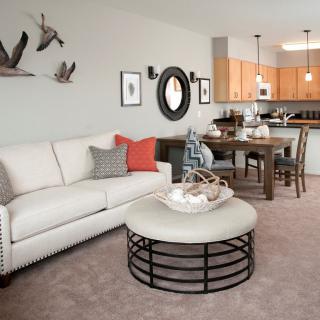
  • Fully furnished Fully furnishedFully furnished senior living communities are important for seniors because they provide convenience, comfort, and a hassle-free moving experience. Seniors can easily settle into their new living space without the stress of having to buy and move furniture. This allows them to focus on enjoying their new home and community.
  • Garden GardenGardens are important for seniors as they provide a peaceful and therapeutic environment for relaxation, physical activity, and socialization. Being in nature has been shown to reduce stress, improve mood, and promote overall well-being. Gardens also offer opportunities for seniors to engage in gardening activities, which can improve mobility, flexibility, and cognitive function. Additionally, gardens create a sense of community and connection with others who share a passion for plants and outdoor spaces.
  • Housekeeping services Housekeeping servicesHousekeeping services are important for seniors because they help maintain a clean and safe living environment, promote independence, and reduce the risk of accidents or illnesses. Additionally, having assistance with household chores can alleviate physical strain and allow seniors to focus on other aspects of their well-being.
  • Kitchenette KitchenetteKitchenettes are important for seniors living in senior living communities because they provide the convenience and independence of being able to prepare simple meals and snacks in the comfort of their own living space. This can help promote a sense of autonomy and well-being for seniors, allowing them to maintain some level of control over their dietary choices and daily routines.
  • Move-in coordination Move-in coordinationMove-in coordination is important for seniors because it helps ease the transition into their new living environment. It ensures that all logistics, such as packing, organizing movers, and setting up utilities are taken care of, allowing seniors to focus on settling in and adjusting to their new home. Having a smooth move-in process can alleviate stress and anxiety, making the transition smoother and more enjoyable for seniors.
  • Outdoor space Outdoor spaceOutdoor spaces are important for seniors as they provide opportunities for physical activity, social interaction, exposure to natural light and fresh air, and a sense of connection to nature. Having access to outdoor spaces can improve overall well-being and quality of life for older adults living in senior communities.
  • Restaurant-style dining Restaurant-style diningRestaurant-style dining is important for seniors because it allows them to enjoy delicious, nutritious meals in a social and upscale setting. This enhances their dining experience, promotes healthy eating habits, and fosters socialization with fellow residents, ultimately contributing to their overall well-being and quality of life.
  • Small library Small librarySmall libraries are important for seniors as they provide access to a variety of reading materials, including books, newspapers, and magazines. This can help stimulate their minds, keep them engaged, and provide a sense of community through book clubs and other social activities. Additionally, reading has been shown to improve cognitive function and overall mental well-being in older adults.
  • Telephone TelephoneTelephones are important for seniors as they provide a lifeline for communication with loved ones, emergency services, and healthcare providers. They offer a sense of security and independence, enabling seniors to stay connected and access assistance when needed.
  • Wi-Fi/high-speed internet available Wi-Fi/high-speed internet availableWi-Fi/high-speed internet is important for seniors to stay connected with loved ones, access online resources, and participate in virtual activities to combat feelings of loneliness and isolation. It also allows them to easily manage healthcare needs, access entertainment, and engage in lifelong learning opportunities.

Transportation

  • Minneapolis-St Paul International (13 miles away) Minneapolis-St Paul International (13 miles away)

Care Services

  • 24-hour call system 24-hour call system24-hour call systems are important for seniors because they provide peace of mind and immediate assistance in case of emergencies. This technology ensures that help is always available, promoting safety and security for elderly individuals living alone or in assisted living facilities.
  • 24-hour supervision 24-hour supervision24-hour supervision is important for seniors to ensure their safety, well-being, and access to immediate assistance in case of emergencies or health issues. This constant support provides peace of mind for both seniors and their loved ones, allowing them to age in place with dignity and security.
  • Activities of daily living assistance Activities of daily living assistanceActivities of daily living assistance are important for seniors because they provide essential support with tasks such as eating, bathing, dressing, and mobility. This assistance helps seniors maintain their independence, dignity, and overall quality of life as they age.
  • Assistance with bathing Assistance with bathingAssistance with bathing is crucial for seniors as it helps maintain personal hygiene, prevents infections, and ensures their overall well-being and comfort. It also provides a sense of dignity and independence for seniors who may struggle with this task on their own.
  • Assistance with dressing Assistance with dressingAssistance with dressing is important for seniors because it helps maintain their independence, promotes personal hygiene, prevents accidents and injuries, and improves overall quality of life. This service ensures that seniors can continue to dress comfortably and confidently, despite any physical limitations they may have.
  • Assistance with transfers Assistance with transfersAssistance with transfers is crucial for seniors as it helps prevent falls and injuries, maintains their independence, and ensures they can safely navigate their living environment. It also provides peace of mind for both seniors and their loved ones.
  • Diabetes diet Diabetes dietA diabetes diet is crucial for seniors as it helps manage blood sugar levels, reduce risks of complications, and improve overall health and well-being. By following a balanced and nutritious diet tailored to their specific needs, seniors can better control their diabetes and enhance their quality of life.
  • Meal preparation and service Meal preparation and serviceMeal preparation and service are crucial for seniors as they may have limited mobility or energy to cook nutritious meals. Having access to healthy and convenient food options can ensure they are getting the proper nutrition needed to maintain their overall health and well-being.
  • Medication management Medication managementMedication management is crucial for seniors to ensure they are taking the right medications at the correct dosages and times. This helps prevent adverse drug interactions, reduces the risk of medication errors, and promotes overall health and well-being. Proactive management also allows for adjustments as needed based on changing health conditions or new prescriptions.
  • Mental wellness program Mental wellness programMental wellness programs are essential for seniors as they promote cognitive stimulation, emotional support, and social engagement. These programs help prevent isolation, depression, and cognitive decline, ultimately enhancing the overall quality of life for older adults.
  • Special dietary restrictions Special dietary restrictionsSpecial dietary restrictions are important for seniors because age-related changes in metabolism and health conditions can make it difficult for their bodies to process certain foods. By following a diet tailored to their specific needs, seniors can maintain their overall health and well-being, manage chronic conditions, and reduce the risk of complications such as malnutrition or food interactions with medications.

Dining

  • Diabetes diet Diabetes dietA diabetes diet is crucial for seniors as it helps manage blood sugar levels, reduce risks of complications, and improve overall health and well-being. By following a balanced and nutritious diet tailored to their specific needs, seniors can better control their diabetes and enhance their quality of life.
  • Special dietary restrictions Special dietary restrictionsSpecial dietary restrictions are important for seniors because age-related changes in metabolism and health conditions can make it difficult for their bodies to process certain foods. By following a diet tailored to their specific needs, seniors can maintain their overall health and well-being, manage chronic conditions, and reduce the risk of complications such as malnutrition or food interactions with medications.

Activities

  • Community-sponsored activities Community-sponsored activitiesCommunity-sponsored activities are important for seniors as they provide opportunities for social interaction, mental stimulation, and physical activity. These activities can help improve overall well-being, combat loneliness and isolation, and promote a sense of belonging and purpose among older adults.
  • Resident-run activities Resident-run activitiesResident-run activities are important for seniors as they encourage social interaction, creativity, and a sense of autonomy. These activities empower seniors to stay engaged and active in their community while fostering meaningful connections with their peers.
  • Scheduled daily activities Scheduled daily activitiesScheduled daily activities are important for seniors because they provide structure, socialization, mental stimulation, and physical activity. Engaging in regular activities can improve overall well-being and quality of life for seniors living in a community setting.

Description

Grace Assisted Living in Shakopee, MN is a premier senior living community that offers a wide range of amenities and care services to meet the needs of its residents. Our community provides a comfortable and safe environment for seniors to enjoy their golden years.

Those residing at Grace Assisted Living will have access to various amenities that enhance their daily life. Each apartment comes fully furnished, complete with cable or satellite TV and Wi-Fi/high-speed internet for entertainment and communication purposes. Residents can enjoy delicious meals in our dining room with restaurant-style dining, or prepare their own meals in their kitchenette. Outdoor spaces and gardens are available for residents to relax and enjoy nature, while our small library provides an opportunity for intellectual stimulation.

At Grace Assisted Living, we prioritize the health and well-being of our residents. Our dedicated staff provides 24-hour supervision, ensuring that assistance is always available when needed. We offer assistance with activities of daily living such as bathing, dressing, and transfers, allowing residents to maintain their independence while receiving the necessary support. Our staff also provides medication management, ensuring that medications are taken timely and correctly. For individuals with special dietary restrictions or diabetes diet needs, our dining services can cater to these requirements.

We understand the importance of staying engaged in meaningful activities as we age. That's why we offer resident-run activities and scheduled daily activities to keep our residents active and entertained throughout the day. Additionally, we provide a mental wellness program aimed at promoting emotional well-being among our residents.

Located conveniently in Shakopee, MN, Grace Assisted Living boasts proximity to various amenities in the surrounding area. With multiple cafes, parks, pharmacies, physicians' offices, restaurants nearby as well as places of worship within close distance, residents have easy access to essential services and recreational opportunities.

At Grace Assisted Living in Shakopee, MN, we strive to create a warm and welcoming environment where seniors can live comfortably while receiving personalized care and support.

Nearby Places of Interest

This part of Shakopee, Minnesota offers a variety of amenities and services that cater to the needs of seniors. With several reputable restaurants such as Chili's Grill & Bar and Culver's within close proximity, residents can enjoy delicious meals without having to travel far. Additionally, there are multiple healthcare facilities like Allina Health Dean Lakes Clinic and St Francis Rehabilitative Services nearby for medical care. Pharmacies such as CVS and Walgreens are also conveniently located for easy access to medications. For recreational activities, there are several parks like Dublin Square Dog Park and Cleary Lake Regional Park where seniors can enjoy nature walks or spend time outdoors. Places of worship like Grace Church and St Michael Catholic Church provide spiritual support for those who seek it. Lastly, hospitals such as Abbott Northwestern Center For Outpatient Care and Fairview Ridges Hospital ensure that quality healthcare is readily available in the area.

Restaurants

  • Chili's Grill & Bar (0.9 miles)
  • Mccoys Copper Pint (1.1 miles)
  • Culver's (1.9 miles)
  • Muddy Cow (2 miles)
  • Little Six Casino (3.7 miles)
  • Pau Hana (3.7 miles)
  • Little Six Restaurant (3.7 miles)

Physicians

  • Allina Health Dean Lakes Clinic (1.7 miles)
  • St Francis Rehabilitative Services (3.5 miles)
  • Twin Cities Orthopedics (3.5 miles)
  • Shakopee Mdewakanton Sioux Community, Shakopee Dakota Clinic (3.6 miles)
  • Mystic Lake Events (4 miles)
  • Mystic Clinic (4 miles)
  • Savage Family Eye Clinic (4.5 miles)

Pharmacies

  • CVS Pharmacy (1.9 miles)
  • Walgreens (3.1 miles)
  • Walgreens (3.4 miles)
  • Walgreens (3.7 miles)
  • Geritom Medical (3.9 miles)
  • CVS Pharmacy (5.1 miles)
  • Walgreens (5.1 miles)

Parks

  • Dublin Square Dog Park (3.2 miles)
  • Hyland Lake Park Reserve (4.2 miles)
  • Lakefront Park (4.3 miles)
  • Willows Park (5.3 miles)
  • Rice Lake Park (5.9 miles)
  • Cleary Lake Regional Park (6.7 miles)
  • McGuire Park (7.3 miles)

Cafes

  • Caribou Coffee (3.5 miles)
  • Caribou Coffee (6.5 miles)
  • Starbucks (7.1 miles)
  • Panera Bread (7.4 miles)
  • Panera Bread (7.4 miles)
  • Caribou Coffee (7.6 miles)
  • Starbucks (7.8 miles)

Places of Worship

  • Grace Church (4.4 miles)
  • St Michael Catholic Church (4.7 miles)
  • Friendship Church (6.1 miles)
  • St Marys Of The Purification (6.9 miles)
  • Marystown Catholic Church (6.9 miles)

Hospitals

  • Abbott Northwestern Center For Outpatient Care (5.9 miles)
  • Fairview Ridges Hospital (8.1 miles)

Frequently Asked Questions

Where is Grace Assisted Living?

Nearby Communities

  • Tender Care Providers

    Tender Care Providers

    Shakopee, MN


    pro Fully furnished assisted living with 24/7 care and comprehensive amenities.

  • Martha House

    Martha House

    Shakopee, MN

    3.4 from 82 reviews
     

    pro Comprehensive assisted living with on-site dining, care coordination, and engaging activities in a fully furnished setting.

  • A+ Home Health Care

    A+ Home Health Care

    Savage, MN

    2.7 from 3 reviews
     

    pro 24-hour supervision with medication management and ADL support

  • Mckenna Crossing

    Mckenna Crossing

    Prior Lake, MN

    4.7 from 36 reviews
     

    pro Extensive amenities and engaging memory-care programming.

  • NorBella Prior Lake

    NorBella Prior Lake

    Prior Lake, MN

    4.6 from 30 reviews
    $3,900 / month

    pro Compassionate staff, clean environment, and excellent dining.

  • Norbella Senior Living Prior L

    Norbella Senior Living Prior L

    Prior Lake, MN

    4.8 from 24 reviews
     

    pro Comprehensive assisted living with 24/7 staff, medication management, transportation for medical appointments, and engaging activities.

  • All Saints Senior Living

    All Saints Senior Living

    Shakopee, MN

    3.8 from 30 reviews
    $2,975 to $9,695 / month

    pro Friendly staff with strong family communication and a home-like, engaging atmosphere.

  • Prairie Bluffs Senior Living

    Prairie Bluffs Senior Living

    Eden Prairie, MN

    3.7 from 26 reviews
    $2,780 to $3,480 / month

    pro Friendly staff, engaging activities, and clean, modern facilities.

  • The Grainwood

    The Grainwood

    Prior Lake, MN

    4.4 from 99 reviews
    $1,097 to $1,313 / month

    pro Beautiful, modern apartments with abundant natural light and responsive maintenance.

Related Resources

  • how to pay for assisted livingFunding and Affording Assisted Living: A Thorough Overview

    Assisted living facilities provide support for older adults needing help with daily activities without extensive medical care, but their costs can be high and vary by location and services offered. Families often seek various funding options and financial strategies to manage these expenses effectively while considering future needs and potential price increases.

  • assisted living insuranceAssisted Living Expenses and Long-Term Care Insurance: A Comprehensive Exploration

    The article discusses assisted living expenses, the importance of long-term care insurance in covering these costs, and various financing options, highlighting the need for careful policy review and early planning to address potential needs. It also clarifies common misconceptions about Medicare and private health insurance limitations regarding long-term care coverage.

  • how to pay for assisted livingSecuring Financial Support for Assisted Living: A Comprehensive Overview

    Assisted living facilities offer crucial support for older adults needing help with daily activities but come with varying and significant costs, which can be financed through personal savings, government assistance programs, long-term care insurance, and home equity options. Professional guidance from experts can aid families in navigating these financial complexities to establish a sustainable budgeting approach for assisted living services.