
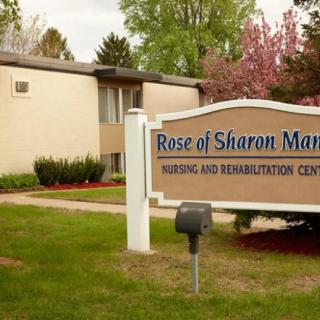
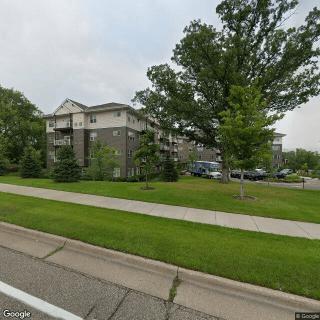
763 County Road B2 West, Roseville, MN 55113
For more information about senior living options: (866) 208-4318
Overall Review of Safecare Homes
Pros
 The Safeway Home Healthcare team is described as amazing, kind, respectful, and consistently supportive.
- The PCA care is reliable, communicates well, and forms a strong, almost family-like connection with clients.
- Office staff are extraordinarily helpful and transparent, making trust easy even for out-of-town clients.
- Safeway provides comprehensive support, including mental health help and housing placement for families.
- Scheduling and communication are dependable, reducing stress and giving peace of mind.
- Leadership is dedicated to quality care and to treating both employees and clients with respect.
- Clients report life-changing improvements in quality of life and increased independence.
- Safeway is viewed as a shining star in PCA services, known for listening to client needs and going above and beyond.
- Reviewers repeatedly describe Safeway as professional, compassionate, and empathetic with high standards of care.
- External partners praise Safeway HHC for a proactive, secure, collaborative approach and strong leadership.
Cons
 The reviewer had a virtual appointment scheduled, but no link was sent and no one answered when they tried to call.
- Their email on file was incorrect, so they never received the virtual meeting link.
- There was slow or unresponsive communication before the issue was resolved, leaving them uncertain about whether the appointment would occur.
Review
Safeway Home Healthcare in Roseville is best suited for families who want to keep a loved one at home with highly reliable personal care, strong care coordination, and staff who feel like an extended family. This option works especially well for seniors and adults with disabilities who need daily living support, mental health responsiveness, and help navigating the funding landscape without committing to a traditional assisted living setting. It’s ideal for those who prize continuity, dignity, and a care team that communicates clearly and stays consistently engaged with every aspect of daily care.
Those considering alternatives should note that this is not a campus-style, 24/7 on-site living arrangement. If the goal is built-in meals, structured programming, and constant on-site supervision in a residential setting, or if the medical needs require hospital-level oversight or specialized memory care, exploring conventional assisted living or skilled nursing options will be prudent. For clients whose needs tend toward intensive, round-the-clock medical management or highly supervised communal living, other models may deliver a more completematch.
The strongest pros here revolve around human reliability and care-centered responsiveness. Families consistently report teams that are professional, respectful, and easy to coordinate with, delivering care that feels dependable and genuinely caring. Scheduling and communication prove to be a reliable backbone, with staff who go above and beyond to keep care plans aligned with changing needs. The ability to integrate care with housing or funding teams, sometimes even advocating to renew funding when necessary, reduces stress and keeps plans moving forward. Leadership emphasizes quality care and respect for both clients and frontline staff, which translates to steadier, more thoughtful service.
In practice, these advantages translate into tangible, day-to-day benefits. Clients describe transitions that feel seamless, with care teams that know them well and maintain dignity in every interaction. The service extends beyond basic personal care to meaningful engagement, walks, companionship, and even mental health support, that helps clients remain connected to life outside the home. For families navigating complex funding, intake, or eligibility processes, the organization’s guidance has repeatedly been a relief, turning what can be opaque paperwork into a navigable path. Even cases involving younger adults with autism have shown PCA relationships that establish trust, comfort, and reliable daily routines.
Practicality matters in day-to-day decisions, and Safeway demonstrates strength here. The provider’s intake and ongoing communication systems earn consistent praise, with teams that keep families informed and involved. The security and integrity of client information are underscored by partners who speak to high standards in technology and data protection, reinforcing confidence in a compliant, professional operation. The reality is that occasional scheduling hiccups can occur, like any care program, yet they are generally minor and quickly corrected, with updates and remedies that restore momentum. The overall pattern is one of stable, earnest commitment to quality care over time.
Bottom line: Safeway Home Healthcare is a strong match for families who value independence, reliable home-based care, and a care team that treats clients like family. It stands out for its responsive staff, clear communication, and practical help with funding and care navigation. For households that need constant on-site living and comprehensive facility-based programming, alternatives remain appropriate. Begin with a needs assessment, press for clarity on the care team structure and hiring standards, and insist on a transparent outline of insurance versus out-of-pocket costs. If these align, the pathway to steady, compassionate care at home becomes a well-supported, sustainable choice.
 4 resident community capacity
 Assisted Living
 Cable or satellite TV
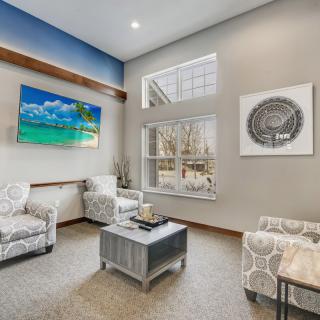
 Dining room
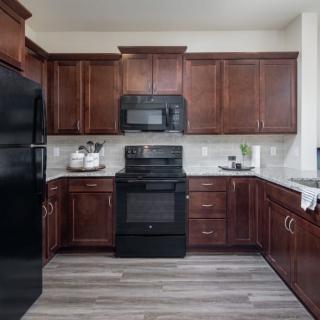
 Fully furnished
 Garden
 Housekeeping services
 Move-in coordination
 Outdoor space
 Telephone
 Wi-Fi/high-speed internet available
 Minneapolis-St Paul International (10 miles away)
 24-hour supervision
 Activities of daily living assistance
 Assistance with bathing
 Assistance with dressing
 Assistance with transfers
 Diabetes diet
 Meal preparation and service
 Medication management
 Special dietary restrictions
 Transportation arrangement (medical)
 Transportation to doctors appointments




 Securing Financial Support for Assisted Living: A Comprehensive Overview
 Social Security Benefits and Assisted Living: Navigating Options Across the U.S.
 An Extensive Exploration of the VA Aid and Attendance Benefit