
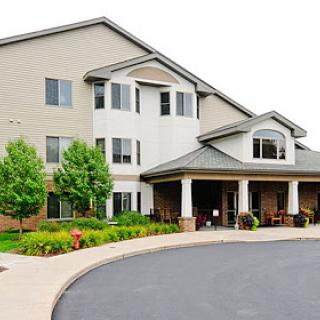

563 County Road B West, Roseville, MN 55113
For more information about senior living options: (866) 208-4318
Good Samaritan Society-Heritag Costs & Pricing
Good Samaritan Society-Heritag offers competitive monthly costs for its accommodations, providing an appealing alternative within the local market. For instance, a one-bedroom unit at Good Samaritan Society-Heritag is priced at $1,758, significantly lower than the average rates in Ramsey County at $2,287 and Minnesota overall at $2,893. Similarly, their two-bedroom options are available for $2,262, which is not only affordable compared to the county's average of $2,312 but also provides substantial savings relative to the state average of $2,955. This cost-effective approach ensures that residents receive quality living arrangements while benefiting from lower expenses compared to regional counterparts.
| Floor plans | Good Samaritan Society-Heritag | Ramsey County | Minnesota |
|---|---|---|---|
| 1 Bedroom | $1,758 | $2,287 | $2,893 |
| 2 Bedrooms | $2,262 | $2,312 | $2,955 |
Assisted Living communities with a similar price nearby
-
from -$221 / mo

Abiitan Mill City
$1,537 to $2,396 / month6.9 miles away -
from -$312 / mo
Oak Meadows
$1,446 to $3,500 / month9.7 miles away -
from -$54 / mo

SummerWood of Plymouth
$1,704 to $3,945 / month17.7 miles away -
from +$267 / mo

Tradition Living
$2,025 to $2,510 / month13.8 miles away -
from +$116 / mo

The Glenn Hopkins
$1,874 to $3,449 / month15.9 miles away
Overall Review of Good Samaritan Society-Heritag
Pros
 Chase is helpful and kind and good with the residents.
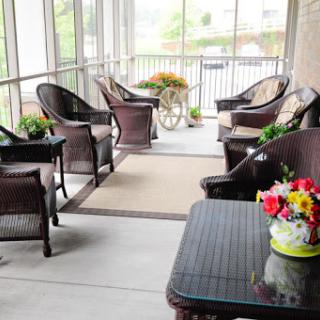
- The place is beautiful and everyone there is welcoming and friendly.
- She loves her apartment, her friends, and the staff at HP.
- The residents are like family and look out for one another.
- The staff is amazing and the community is well managed.
- Changing care levels is simple and well communicated, and care is wonderful.
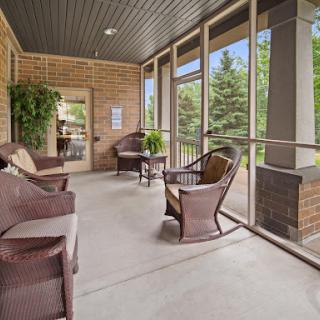
- The building and commons are beautiful and well maintained.
- There is transportation to shopping, outings, and appointments.
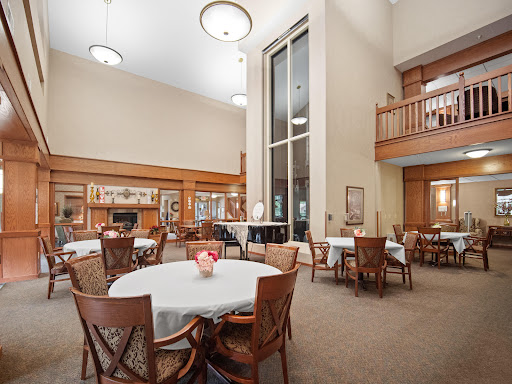
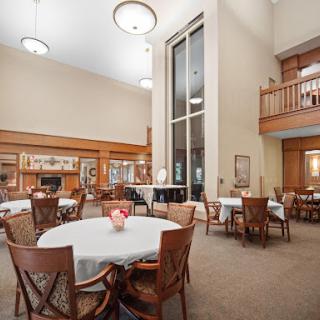
- The dining room offers great food choices.
Cons
 The facility has had four different administrators in the last two years.
- There are no meals served on Saturdays or Sundays.
- Resident Assistants were eliminated six months ago.
- The complex has deteriorated to a fraction of what it was when they moved in.
- Care from the staff declined as her health declined.
- She was completely neglected in her last week of life; staff missed medications, showed zero compassion, and told her she used the call button too often.
- The facility did away with its fabulous breakfasts and replaced them with a single hard-boiled egg, even though breakfasts were supposed to be included.
- It is not staffed on weekends, has no memory care, and does not offer a higher level of care if needed.
Review
This community is best suited for seniors who want a smaller, home-like campus where independence is welcomed but supportive options are readily available. It works well for couples or single seniors who value a personable, neighborly atmosphere, good apartment features, and easy access to activities and transportation. The model suits those who aim to stay connected with a tight-knit resident community and who appreciate a place where staff know residents by name and respond promptly to day-to-day needs. Prospective buyers should, however, be clear about the pace of change in leadership and the level of care available on site, because those factors color the experience over time.
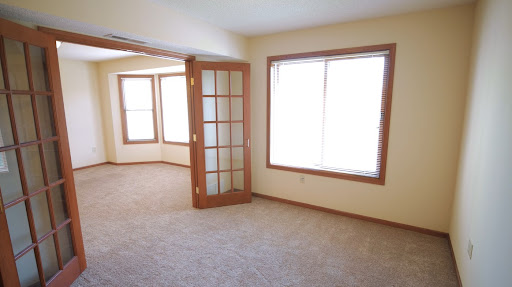
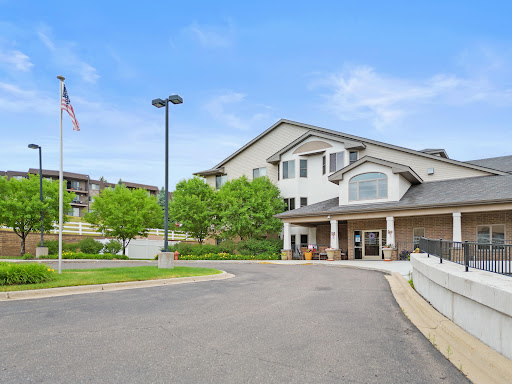
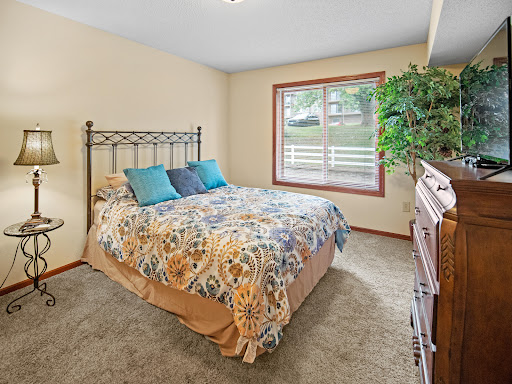
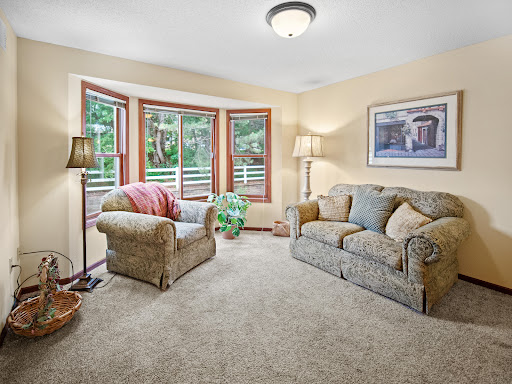
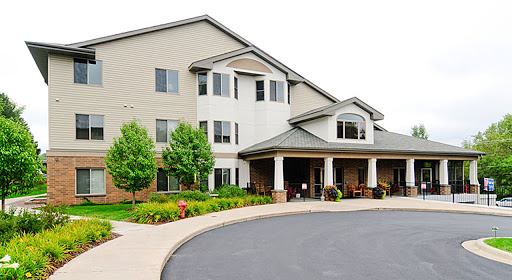
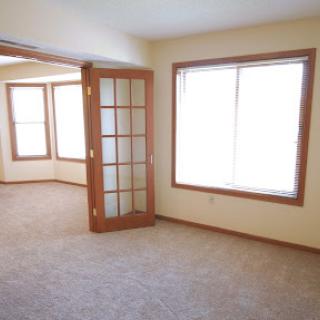
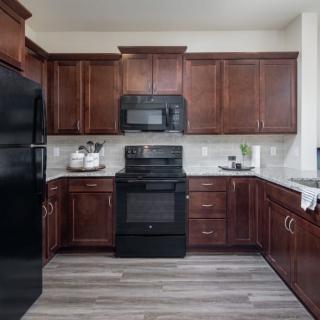
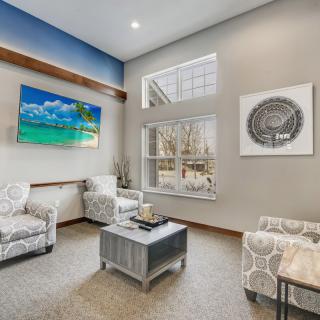
On balance, the strongest positives are tangible and meaningful. The campus is described as beautiful and well maintained, with a vibe that feels welcoming from the first tour. Apartments frequently feature desirable details, bay windows, in-unit washers and dryers, and generous closets, that support independent living. Families consistently praise the staff for approachability and kindness, noting that team members like Chase are attentive even when busy. The smaller, intimate setting means residents form friendships quickly, participate in shared celebrations, and rely on each other socially. Transportation to errands and appointments, plus a dining room that offers choices, further strengthens daily life without forcing residents into a large, impersonal campus.
Staff strengths are repeatedly highlighted as a core asset. Long-standing interactions with the team generate a sense of safety and transparency: staff members proactively communicate changes and keep family members informed when something shifts in a loved one’s routine. The on-site Good Samaritan network and the possibility to access in-building home health services add a practical layer of continuity for those who need occasional clinical support while staying in a familiar residence. Families report that the community’s culture remains focused on caring for individuals, with meals and activities that can be adjusted to personal preferences. In short, the human element often makes independent living feel truly supported.
Yet the picture is not uniformly rosy. Several reviews flag meaningful structural drawbacks that can negate the usual charms. Leadership turnover, four different administrators in two years, creates a sense of instability and inconsistency in policy, communication, and staffing priorities. Weekend service gaps are repeatedly noted: no weekend meals in some cases, and some residents report limited staffing on Saturdays and Sundays. The removal of resident assistants several months ago reduces day-to-day support for more vulnerable residents, which matters for families monitoring safety and assistance needs. Perhaps most concerning for families considering a higher level of care is the absence of on-site memory-care options or a guaranteed higher-care pathway, potentially prompting a move if needs escalate.
When weighing pros against cons, the balance tilts toward the positive for those who prize a warm, intimate environment and the flexibility to adjust care levels over time, provided expectations are kept realistic. The campus rewards independent living with dependable social life, active programming, and straightforward access to transport and dining options. However, the cons are not trivial: governance shifts and weekend service limitations can erode reliability, and the lack of on-site memory care or guaranteed high-level support creates a clear threshold where alternative communities may be preferable. For families prioritizing continuity of care and robust weekend coverage, exploring other options is prudent.
The practical takeaway is clear. Heritage Place serves well for people who want a close-knit, personable setting with strong resident-to-staff relationships and the ability to scale up care gradually as needs evolve. Those whose priorities include guaranteed weekend meals, steady weekend staffing, or immediate access to memory care and more intensive services should consider alternatives. To move forward, prospective residents should schedule in-depth conversations with the administrator, request a current service plan that outlines weekend coverage, and, importantly, speak with current residents about daily routines. Verify unit availability and cost ranges for preferred floor plans, and ask for concrete timelines on any promised staffing or program improvements to avoid surprises down the line.
 56 resident community capacity
 Assisted Living
 Independent Living
 Cats allowed
 Dogs allowed
 Activities off-site
 Air-conditioning
 Beautician on-site
 Cable or satellite TV
 Computer center
 Devotional services off-site
 Dining room
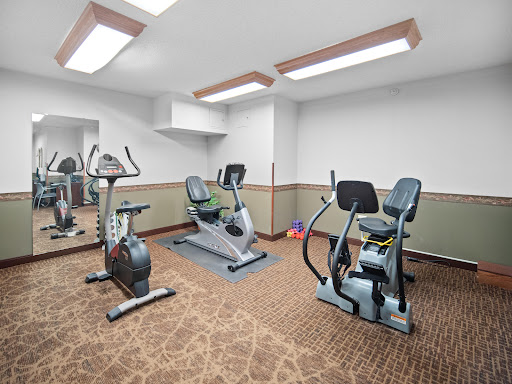
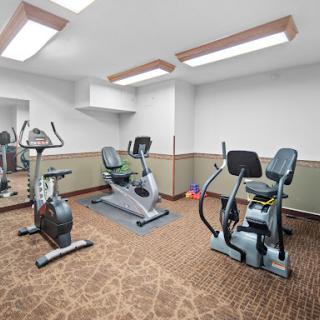
 Fitness room
 Fully furnished
 Gaming room
 Garden
 Housekeeping services
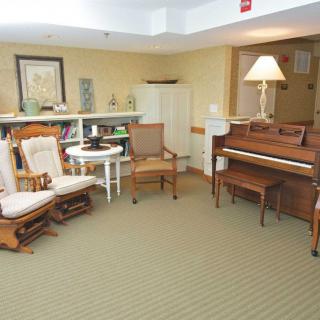
 Indoor common areas
 Kitchenette
 Move-in coordination
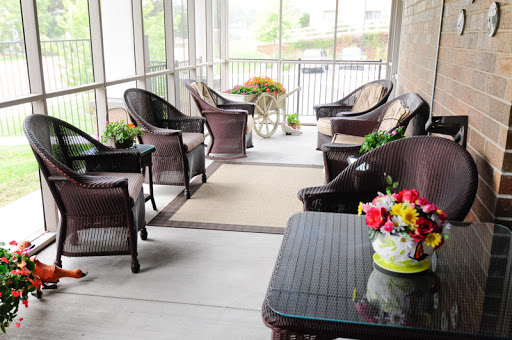
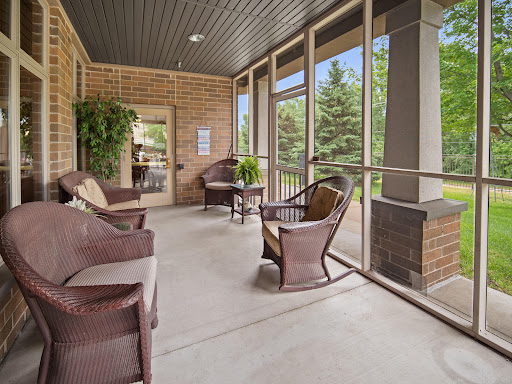
 Outdoor common areas
 Private bathrooms
 Restaurant-style dining
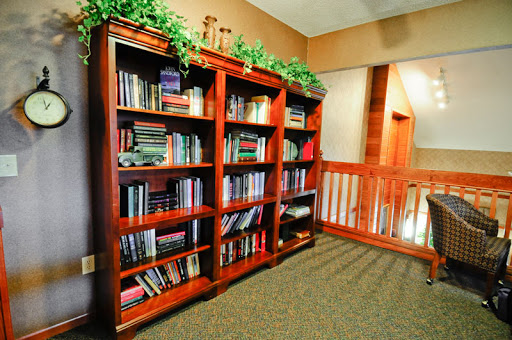
 Small library
 Telephone
 Wellness center
 Wheelchair accessible showers
 Wi-Fi/high-speed internet available
 Minneapolis-St Paul International (10 miles away)
 Community operated transportation
 12-16 hour nursing
 24-hour call system
 Assistance with bathing
 Assistance with dressing
 Assistance with transfers
 Diabetes diet
 Medication management
 Mental wellness program
 Special dietary restrictions
 Transportation arrangement (medical)
 Concierge services
 Planned day trips


 Understanding Medicaid Coverage for Assisted Living: A Comprehensive Guide
 How and When Medicaid May Cover Assisted Living Costs
 A Detailed Exploration of Assisted Living Medicaid Waivers Across the United States