
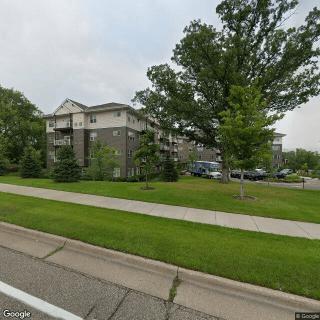
656 Shyer Avenue W, Roseville, MN 55113
For more information about senior living options: (866) 208-4318
Overall Review of The Good Samaritan Nurse
Pros
 Chase is helpful and kind and good with the residents.
- The place is beautiful, and everyone there is welcoming and friendly.
- The mom loves her apartment, her friends, and the staff at Heritage Place.
- Residents feel like family, checking on one another and celebrating together.
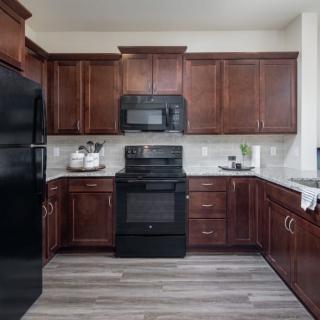
- Each apartment includes a bay window, a washer/dryer, and larger closets.
- Heritage Place is a perfect fit for a smaller, more personable community with amazing staff.
- The staff are amazing and easy to chat with when visiting.
- The dining room offers good food choices and flexible dining options.
- The building and common areas are well maintained and well kept.
- The community feels close-knit with caring staff and friendly residents.
- Transportation to shopping, outings, and appointments is available.
Cons
 There have been four different administrators in the last two years.
- Resident assistants were eliminated six months ago.
- There are no meals served on Saturdays or Sundays.
- The complex has deteriorated to a fraction of what it was when they moved in.
- A resident was neglected in the last week of life, with medications missed and staff showing zero compassion.
- One reviewer would not recommend this facility for loving care and compassion and suggests looking at other options.
Review
This community is best suited for seniors who want a small, homey environment in Roseville, with a strong sense of neighborly connection and the ability to keep independence in a comfortable two-bedroom apartment. The building is beautiful, the common areas welcoming, and residents frequently describe a family-like atmosphere where staff know names and residents look out for one another. It works particularly well for those who prize personal relationships with staff and a manageable, intimate setting over a large campus. For families seeking a place that feels like “home first” and allows for gradual, on-site progression to higher care if needed, this option is compelling.
Those who may want to consider alternatives are seniors who require consistently high-level, fully reliable around-the-clock nursing and medication administration, or families who prioritize a stable, unchanging administrative leadership. Several reviews highlight strong moments of care, but also point to leadership turnover and organizational changes that can ripple through daily operations. Additionally, for families who expect weekend meals to be provided as a standard offering or who want uninterrupted, broad-based programming and activities seven days a week, this may not fully meet those expectations. In short, this community shines on warmth and setup; it can fall short for families prioritizing steady, exhaustive operational continuity.
The most persuasive pros lie in the everyday reality of the small community: staff who who genuinely connect with residents, a sense that “someone is looking out” for each person, and a transparent, approachable front-line team. Specific staff interactions emerge repeatedly as a strength, caregivers who listen, administrators who are accessible, and a front desk culture that keeps families informed. The apartment layout and in-unit amenities, washer/dryer, ample closet space, bay windows, and well-maintained common areas, substantially offset the desire for more off-site options. Dining flexibility, an involved dining room with appealing choices, also matters, as it preserves independence while providing a reliable meal framework. The ability to adapt to a growing level of care on-site, without moving to a new facility, is a meaningful and practical advantage for families prioritizing continuity.
Yet the main cons temper the otherwise-positive assessment. Leadership turnover and inconsistent administration have been cited as destabilizing forces, with some residents feeling the impact in day-to-day care decisions. Reports of missed medications and deteriorating care in a troubling case underscore the risk that the strongest staff relationships may not fully compensate for gaps in oversight or staffing structure. Weekend service gaps, no meals on Saturdays or Sundays, and the reduction or elimination of certain support roles can intersect with residents’ routines, reducing predictability for families who need a dependable schedule. While many residents and families speak to kindness and immediacy from staff, the credibility of long-term reliability rests on steadier leadership and more uniform staffing protocols.
Families considering alternatives should weigh the likelihood of future stability against the immediate appeal of the smaller, intimate environment. If a loved one’s care plan is likely to escalate, or if medication safety and consistent oversight are non-negotiable, a larger operator with a proven track record of stable administration and 24/7 nursing coverage may prove more reassuring. For those who value weekend meals and a consistently comprehensive activities calendar, other communities may deliver a steadier rhythm of programming and dining. The decision hinges on balancing the undeniable warmth and personal touch of staff with the imperative of uninterrupted, dependable care as needs evolve.
To make a well-informed choice, prospective residents and families should visit with a focused checklist. Ask about staff turnover and how often administrators change hands; request a current care-needs plan and how transitions between levels of care are managed on-site. Confirm weekend dining options and the availability of transportation for errands or outings, as well as the breadth of activities offered across the week. Speak with current residents and families about any concerns they have experienced and how quickly those concerns were addressed. If the priorities align with a small, neighborly setting, strong front-line care, and ease of staying in one place as needs change, this community offers compelling value. If steadier organizational continuity and guaranteed weekend services are paramount, guidance would point toward evaluating other options first.
 21 resident community capacity
 Assisted Living
 Beauty salon
 Cable or satellite TV
 Dining room
 Fully furnished
 Garden
 Housekeeping services
 Kitchenette
 Move-in coordination
 Outdoor space
 Restaurant-style dining
 Small library
 Telephone
 Wi-Fi/high-speed internet available
 Minneapolis-St Paul International (9 miles away)
 24-hour call system
 Activities of daily living assistance
 Assistance with bathing
 Assistance with dressing
 Assistance with transfers
 Diabetes diet
 Medication management
 Mental wellness program
 Special dietary restrictions





 When to Transition from Assisted Living to Memory Care: Key Indicators, Steps, and Finding the Right Community
 Assisted Living and Memory Care: Understanding Their Core Differences
 Beyond the Bingo Hall: 50+ Enriching Activities for Seniors in Assisted Living