
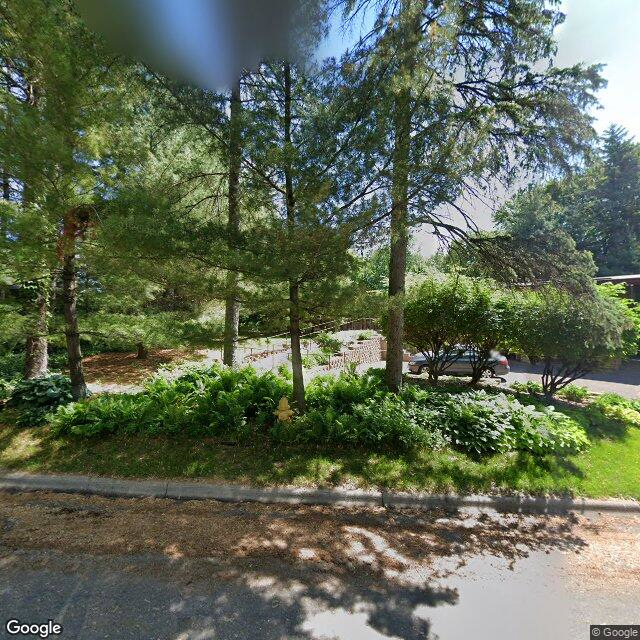
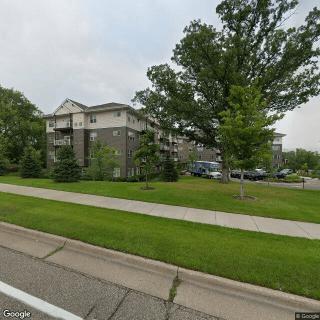
1854 Alta Vista Drive, Roseville, MN 55113
For more information about senior living options: (866) 208-4318
Arthur's Senior Care I Costs & Pricing
Arthur's Senior Care I offers a private room at a monthly rate of $9,995, which is significantly higher than the average costs in Ramsey County and across Minnesota. In comparison, Ramsey County averages around $5,162 per month for similar accommodations, while the state-wide average stands at approximately $5,090. This disparity highlights that Arthur's Senior Care I positions itself as a premium provider within the senior care market, suggesting an emphasis on exceptional services and enhanced living conditions. Prospective residents can expect added value in terms of personalized care and amenities that warrant this elevated cost.
| Floor plans | Arthur's Senior Care I | Ramsey County | Minnesota |
|---|---|---|---|
| Private | $9,995 | $5,162 | $5,090 |
Assisted Living communities with a similar price nearby
-
from -$1495 / mo

Liberty Foster Home Care
$8,500 / month6.3 miles away -
from -$995 / mo
English Rose Suites 1
$9,000 to $14,725 / month15.0 miles away -
from -$1145 / mo

Hometown Senior Living Crest View
$8,850 / month18.8 miles away -
from -$995 / mo
English Rose Suites 2
$9,000 to $14,250 / month15.2 miles away -
from -$1355 / mo
Prelude Homes & Services II
$8,640 / month13.0 miles away
Overall Review of Arthur's Senior Care I
Pros
 They experienced a lot of one-on-one care.
 - The staff was incredibly friendly.
- They really got to know some great people there.
Cons
 The price was a little steep.
Review
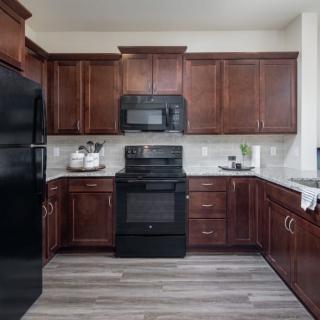
Arthur's Senior Care I in Roseville, Minnesota, is best suited for seniors who want deeply personalized attention and a friendship-forward staff culture. The dominant strength here is high-touch, one-on-one care delivered in a welcoming, homelike setting. Families report that caregivers take time to know residents, routines, preferences, and stories, so care plans feel truly individual rather than procedural. The staff’s warmth translates into tangible reassurance for both residents and families, cultivating a sense of belonging and trust that can ease the stress of transitioning to assisted living. For residents who prize consistent relationships with caregivers and a social, neighborly atmosphere, this community stands out as a compelling choice.
Those who should consider alternatives are primarily budget-conscious families or those whose needed care extends beyond what this setting routinely provides. The price is described as steep, and that premium must be weighed against the value of the dedicated attention. If ongoing skilled nursing, complex medical management, or a broader spectrum of therapy services are required, families may find other communities offering similar warmth at a more affordable price or with a different service mix. In short, cost sensitivity and the scope of medical needs should drive early comparisons rather than assuming a high-touch vibe guarantees the best fit for every situation.
On the upside, the standout pros create a powerful offset to the cost. Residents benefit from sustained individual attention that can translate into improved safety, medication adherence, and daily enjoyment. The staff’s infectious friendliness helps residents settle in quickly, form meaningful relationships, and feel seen, critical factors for emotional well-being. The sense of community is palpable: residents and staff get to know one another well, which can yield quicker responses when concerns arise and a more comfortable, less institutional cadence to everyday life. For families, that level of visibility and connection can reduce the emotional burden of oversight and make care coordination simpler.
The primary con is price. The premium attached to highly personalized care means ongoing monthly fees may exceed what families expect or can sustain, especially over years. That financial consideration should be weighed against the tangible benefits, the personal attention, the trust with caregivers, and the social fabric that reduces isolation, but it remains the decisive factor for many. Additionally, with only one positive review on record, there is limited evidence about consistency across shifts or changes in staffing. Potential residents should seek firsthand evidence of reliability, such as typical caregiver-to-resident ratios, turnover rates, and the stability of the care team during different times of day.
When the priority is a warm, resident-centered day-to-day experience, the pros can far outweigh the price. The chance to build real relationships with caregivers reduces the sense of wandering or neglect that sometimes accompanies higher-volume settings. One-on-one attention can translate into more precise monitoring, quicker adjustments to routines, and a family-friendly cadence that makes transitions smoother. For seniors who thrive on social connections, the friendly staff create opportunities to engage, contribute to conversations, and stay socially active, offsetting some quality-of-life concerns that might accompany other environments. In other words, the value proposition rests on meaningful engagement and individualized care that can justify the cost for the right resident.
For families deciding, the move hinges on two questions: is a highly personalized, relationship-based environment worth the premium, and does budget permit it long term? If the answer is yes, proceed with a careful visit focused on how one-on-one care is implemented in practice, hours per day, who delivers that care, and what activities are structured around it. Ask for recent resident stories, scheduling patterns, and a transparent breakdown of what is included in monthly fees versus add-ons. If cost is the primary constraint or if more intensive medical services are needed, explore other communities first, but keep Arthur's Senior Care I in the shortlist for its extraordinary staff warmth and the likelihood that residents will feel truly known.
 7 resident community capacity
 Assisted Living
 Board and Care Home
 Cats allowed
 Dogs allowed
 Cable or satellite TV
 Dining room
 Fully furnished
 Garden
 Housekeeping services
 Move-in coordination
 Outdoor space
 Private
 Private bathrooms
 Telephone
 Wi-Fi/high-speed internet available
 Minneapolis-St Paul International (9 miles away)
 24-hour supervision
 Activities of daily living assistance
 Assistance with bathing
 Assistance with dressing
 Assistance with transfers
 Diabetes diet
 Diabetic care
 High acuity care
 Meal preparation and service
 Medication management
 Special dietary restrictions
 Transportation arrangement (medical)
 Transportation to doctors appointments



 Is Assisted Living Deductible on Your Taxes? Understanding the Complexities of Assisted Living Expenses and Deductions
 Assisted Living Support for Veterans: A Complete and Detailed Overview
 Exploring the Contrasts Between Assisted Living and Skilled Nursing