
2120 William Street, Roseville, MN 55113
For more information about senior living options: (866) 208-4318
Overall Review of Sisters Assistant Living Care II
Pros
 The staff go above and beyond every day, and the leadership team sets the tone for incredible care.
- Suite Living is a wonderful choice for clients.
- The nursing, management, and staff are great, creating a safe and loving home for loved ones.
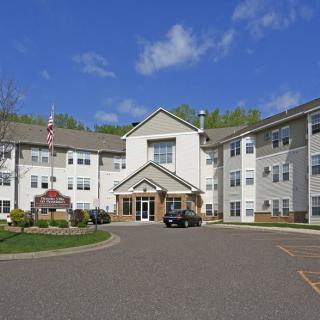
- The building is beautiful, and the staff clearly care for the residents, with many engaging activities.
- The caregivers at Suite Living Roseville are outstanding and very dedicated, making a positive difference.
- The RN and Housing Director are amazing to work with, and Rachel keeps residents engaged and happy.
- Suite Living has exceeded expectations with friendly staff and a beautiful facility; families trust their care.
- Audrey and her nursing team eased the process, and the resident thrives; it truly feels like home and is highly recommended.
Cons
 The facility is poorly run and managed, with staff largely disparaging, disrespectful, and unresponsive to residents' needs.
- The environment is toxic among employees, with some staff described as lazy and avoiding care for residents.
- Medications were changed and not given on time, and response to call buttons was slow.
- Management, including Chennea, is perceived as lacking compassion and empathy for residents.
- The facility should have its license removed due to ongoing health violations.
- There was an incident where no one showed up for a morning shift except one, and a supervisor yelled at the reviewer in front of others.
Review
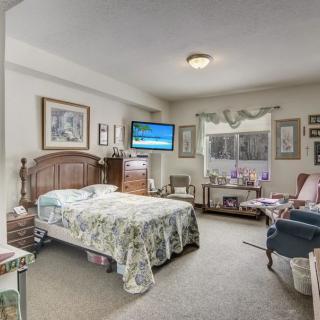
This Roseville community is best suited for seniors who want an intimate, home-like atmosphere with hands-on, accessible care. The small size matters: staffing is easier to find, residents aren’t lost in a maze, and relationships with caregivers tend to feel personal rather than transactional. Families seeking a calm, navigable environment where aides and nurses can form consistent bonds will find this setting particularly appealing. The footprint and culture are well-suited to residents who require more help than a typical independent living option but still prize a warm, neighborly feel. In short, it serves as a solid match for people who value daily attentiveness, approachable staff, and a tidy, homelike backdrop over a large, institution-like campus.
On the upside, the strongest recurring positives center on the human touch. Reviewers repeatedly highlight the small, manageable scope as a practical advantage: staff are easier to reach, and help arrives promptly, which translates into real peace of mind for families. The leadership tone matters here; when the leadership team is praised, the care environment feels cohesive and trustworthy. Several families praise the nursing team, the housing director, and activities staff, noting that residents appear happy and engaged. The building itself is described as attractive, well laid out for residents, and professional enough to convey safety and care. For those prioritizing visible kindness, reliable nursing presence, and meaningful daily programming, these strengths can produce meaningful, day-to-day quality of life.
Yet the same set of reviews does not ignore meaningful drawbacks. A substantial portion of feedback centers on inconsistencies in management and organization, sometimes framed as a disconnect between front-line care and administrative leadership. Some reviewers allege disorganization, limited follow-through, or even actions that undermine trust in the system. There are pointed concerns about licensing and health compliance raised by a few families, suggesting a need for careful due diligence. Other critiques focus on operational reliability: episodes of staff not appearing as scheduled, variable attentiveness on shift changes, and concerns about medication changes or administration timing. In several accounts, warmth and appearance are praised, but the day-to-day execution of care and the reliability of staff enter a troubling contrast.
When weighing pros against cons, the critical factor becomes consistency. The small, warm environment can translate into excellent one-on-one care and a homey feel, traits that often determine quality of life for residents who dislike impersonal routines. However, the efficacy of that care rests on stable staffing, predictable schedules, and responsive leadership. Where leadership is dependable and the team works in sync, residents thrive and families gain confidence. Where turnover, miscommunications, or scattered accountability appear, the same strengths begin to slip, and the risk to daily safety and comfort grows. The contrast between courtesy, attentiveness, and reliability is the deciding element for many telltale outcomes.
Some families will want to consider alternatives, especially if certain expectations around governance, consistency, and medical responsiveness are non-negotiable. For those requiring highly structured administration, rapid triage of call bells, and strict medication-management protocols, other small-high-care communities or larger, more standardized operators may offer greater peace of mind. Similarly, families prioritizing rigorous licensure history and transparent regulatory results may prefer facilities with a more transparent track record. It is prudent to compare on metrics that matter most: floor-staff-to-resident ratios, actual call-bell response times, medication-handling processes, and the continuity of care teams over several weeks or months.
The path to a confident decision is concrete and proactive. Conduct a careful in-person assessment focused on real-time staffing presence, floor coverage during peak hours, and how leadership engages on the floor. Request to meet directly with the nurse on duty, the housing director, and at least one consistent aide with whom residents interact daily. Ask for a representative day-in-the-life sample, and probe how frequently aides rotate and how shifts are scheduled. Review the most recent state licensure inspection outcomes, any corrective action plans, and the facility’s process for communicating changes in care plans to families. If the priority is a warm, intimate setting with highly visible, caring staff, and if leadership stability is achievable, this community can be an excellent match. If guaranteed consistency, rapid response, and impeccably predictable operations are non-negotiable, it may be wiser to explore alternatives that offer tighter administrative discipline and more uniform staffing.
 4 resident community capacity
 Assisted Living
 Cable or satellite TV
 Dining room
 Fully furnished
 Garden
 Housekeeping services
 Move-in coordination
 Outdoor space
 Telephone
 Wi-Fi/high-speed internet available
 Minneapolis-St Paul International (10 miles away)
 24-hour supervision
 Activities of daily living assistance
 Assistance with bathing
 Assistance with dressing
 Assistance with transfers
 Diabetes diet
 Meal preparation and service
 Medication management
 Special dietary restrictions
 Transportation arrangement (medical)
 Transportation to doctors appointments



 Exploring the Path to Senior Living: A Comprehensive Look at Independent Living and Assisted Living
 Is Assisted Living Deductible on Your Taxes? Understanding the Complexities of Assisted Living Expenses and Deductions
 Assisted Living Support for Veterans: A Complete and Detailed Overview