Safe & Compassionate Home Care in St. Paul, MN

2147 University Avenue West Ste #205, St. Paul, MN 55114

For more information about senior living options: (844) 490-3973

4 from 4 reviews
5 stars
3
4 stars
0
3 stars
0
2 stars
0
1 stars
1

Assisted Living

What level of care are you interested in?

Assisted Living

Memory Care

Independent Living

Skilled Nursing Facility

Continuing Care Retirement Community (CCRC)CCRC

Other


Request a tour at Safe & Compassionate Home Care

    Overall Review of Safe & Compassionate Home Care

    Pros

    • pro The company is very good.
    • pro The staff are nice.
    • pro Her mother was very satisfied with the services.

    Cons

    • pro A client of mine died due to neglect of services from this company.
    • pro These fraudulent people should not be engaged.

    Review

    Safe & Compassionate Home Care in St. Paul is best suited for families seeking steady, non-medical in-home support for an aging loved one who values relationship-based care, predictable routines, and a small-team feel. The agency appears to excel at providing companionship, daily living assistance, light housekeeping, meal preparation, and consistent caregiver presence over time. It is a practical choice for those who want a home-like, low-friction support system where caregivers build long-term rapport with the client, reducing the emotional strain of frequent turnover.

    Those who should consider alternatives are families facing higher medical complexity or safety concerns that demand formal clinical oversight. If a loved one requires regular skilled nursing, continuous medical monitoring, or stringent risk management, a licensed home health agency with licensed clinicians and clear escalation protocols may be a better fit. Likewise, for households with strong preferences for auditable incident reporting and rigorous accountability, exploring providers with documented safety metrics, independent audits, and transparent incident resolution processes is prudent. In short, higher acuity needs and demands for documented clinical governance favor other arrangements.

    On the upside, the strongest positives center on warmth, continuity, and a basic sense of reliability. The repeated refrain of "a very good company" and "staff is nice" implies caregivers who are approachable, respectful, and capable of forming meaningful relationships with clients. Longevity matters in home care, and the sentiment that "my mother was very satisfied with the services" signals consistent, affectionate support that can ease daily anxiety for families and provide dependable routine. For many families, these human factors - trust, kindness, and familiar faces - translate into tangible benefits: improved mood, better adherence to daily routines, and a sense of safety that comes from recognizable caregivers in the home.

    The most significant caution is the severe red flag raised by one review alleging neglect leading to a client's death and labeling the agency fraudulent. Such a claim cannot be brushed aside, even if it stands as a solitary counterpoint to otherwise positive experiences. This potential risk underscores the need for due diligence before committing to long-term engagement. Prospective families should verify licensure and bonding status, review the agency's safeguarding policies, and demand a clear incident-reporting and accountability framework. Key questions should include: how are emergencies handled on nights and weekends, what is the supervision structure for caregivers, and how is client safety monitored and documented? Demand transparent references beyond the favorable testimonials and ask about any prior regulatory inquiries or formal complaints and their resolutions.

    When weighing pros against the cons, the core value proposition remains: dependable, compassionate companionship paired with steady caregiver continuity can deliver a high-quality in-home experience, especially for clients who prize familiarity and routine. However, the potential safety risk highlighted by the adverse review cannot be dismissed. The prudent approach is to couple the favorable experience with rigorous verification: insist on a detailed written care plan, confirm caregiver-to-client matching processes, request recent reference calls, and review the agency's policies on safeguarding, grievance resolution, and caregiver supervision. If these safeguards are satisfactory and a hands-on assessment confirms trustworthy operations, Safe & Compassionate Home Care can be a sensible choice; otherwise, it is wise to hedge expectations and explore alternatives with stronger clinical governance.

    Bottom line: Safe & Compassionate Home Care offers the kind of humane, steady in-home support that many families want, especially when caregiver warmth and continuity are priorities. Yet the cautionary note cannot be ignored. A careful, structured diligence process should precede commitment, including direct conversations with the agency about safety protocols, a tour or meeting, and robust references. For families comfortable with a measured risk and intent on building a stable, personable care team, this agency merits serious consideration alongside alternatives with stronger clinical oversight and incident-resolution history. The conclusion hinges on how risk tolerance aligns with the desire for consistent, compassionate care in the home.

    Features

    Housing

    • 21 resident community capacity 21 resident community capacity

    Types of Care

    • Assisted Living Assisted LivingAssisted living facilities provide crucial support and care for seniors who may need help with daily tasks such as medication management, bathing, and meal preparation. These communities offer a safe and comfortable environment where seniors can maintain their independence while receiving the assistance they need to thrive in their golden years.

    Amenities

    • Beauty salon Beauty salonBeauty salons are important for seniors because they provide a space for them to feel pampered, socialize, and maintain their personal grooming and hygiene. Regular visits to a beauty salon can help boost seniors' self-esteem and overall well-being.
    • Cable or satellite TV Cable or satellite TVCable or satellite TV is important for seniors because it provides entertainment, news, and companionship, helping to combat loneliness and boredom. It also offers a wide range of programming options tailored to different interests and preferences.
    • Dining room Dining roomDining rooms are important for seniors as they provide a space for socialization, connection, and nutritious meals. They offer opportunities for residents to bond over shared meals, foster a sense of community, and promote healthy eating habits. Dining rooms also ensure that seniors have access to well-balanced meals tailored to their dietary needs and preferences.
    • Fully furnished Fully furnishedFully furnished senior living communities are important for seniors because they provide convenience, comfort, and a hassle-free moving experience. Seniors can easily settle into their new living space without the stress of having to buy and move furniture. This allows them to focus on enjoying their new home and community.
    • Garden GardenGardens are important for seniors as they provide a peaceful and therapeutic environment for relaxation, physical activity, and socialization. Being in nature has been shown to reduce stress, improve mood, and promote overall well-being. Gardens also offer opportunities for seniors to engage in gardening activities, which can improve mobility, flexibility, and cognitive function. Additionally, gardens create a sense of community and connection with others who share a passion for plants and outdoor spaces.
    • Housekeeping services Housekeeping servicesHousekeeping services are important for seniors because they help maintain a clean and safe living environment, promote independence, and reduce the risk of accidents or illnesses. Additionally, having assistance with household chores can alleviate physical strain and allow seniors to focus on other aspects of their well-being.
    • Kitchenette KitchenetteKitchenettes are important for seniors living in senior living communities because they provide the convenience and independence of being able to prepare simple meals and snacks in the comfort of their own living space. This can help promote a sense of autonomy and well-being for seniors, allowing them to maintain some level of control over their dietary choices and daily routines.
    • Move-in coordination Move-in coordinationMove-in coordination is important for seniors because it helps ease the transition into their new living environment. It ensures that all logistics, such as packing, organizing movers, and setting up utilities are taken care of, allowing seniors to focus on settling in and adjusting to their new home. Having a smooth move-in process can alleviate stress and anxiety, making the transition smoother and more enjoyable for seniors.
    • Outdoor space Outdoor spaceOutdoor spaces are important for seniors as they provide opportunities for physical activity, social interaction, exposure to natural light and fresh air, and a sense of connection to nature. Having access to outdoor spaces can improve overall well-being and quality of life for older adults living in senior communities.
    • Restaurant-style dining Restaurant-style diningRestaurant-style dining is important for seniors because it allows them to enjoy delicious, nutritious meals in a social and upscale setting. This enhances their dining experience, promotes healthy eating habits, and fosters socialization with fellow residents, ultimately contributing to their overall well-being and quality of life.
    • Small library Small librarySmall libraries are important for seniors as they provide access to a variety of reading materials, including books, newspapers, and magazines. This can help stimulate their minds, keep them engaged, and provide a sense of community through book clubs and other social activities. Additionally, reading has been shown to improve cognitive function and overall mental well-being in older adults.
    • Telephone TelephoneTelephones are important for seniors as they provide a lifeline for communication with loved ones, emergency services, and healthcare providers. They offer a sense of security and independence, enabling seniors to stay connected and access assistance when needed.
    • Wi-Fi/high-speed internet available Wi-Fi/high-speed internet availableWi-Fi/high-speed internet is important for seniors to stay connected with loved ones, access online resources, and participate in virtual activities to combat feelings of loneliness and isolation. It also allows them to easily manage healthcare needs, access entertainment, and engage in lifelong learning opportunities.

    Transportation

    • Minneapolis-St Paul International (6 miles away) Minneapolis-St Paul International (6 miles away)

    Care Services

    • 24-hour call system 24-hour call system24-hour call systems are important for seniors because they provide peace of mind and immediate assistance in case of emergencies. This technology ensures that help is always available, promoting safety and security for elderly individuals living alone or in assisted living facilities.
    • 24-hour supervision 24-hour supervision24-hour supervision is important for seniors to ensure their safety, well-being, and access to immediate assistance in case of emergencies or health issues. This constant support provides peace of mind for both seniors and their loved ones, allowing them to age in place with dignity and security.
    • Activities of daily living assistance Activities of daily living assistanceActivities of daily living assistance are important for seniors because they provide essential support with tasks such as eating, bathing, dressing, and mobility. This assistance helps seniors maintain their independence, dignity, and overall quality of life as they age.
    • Assistance with bathing Assistance with bathingAssistance with bathing is crucial for seniors as it helps maintain personal hygiene, prevents infections, and ensures their overall well-being and comfort. It also provides a sense of dignity and independence for seniors who may struggle with this task on their own.
    • Assistance with dressing Assistance with dressingAssistance with dressing is important for seniors because it helps maintain their independence, promotes personal hygiene, prevents accidents and injuries, and improves overall quality of life. This service ensures that seniors can continue to dress comfortably and confidently, despite any physical limitations they may have.
    • Assistance with transfers Assistance with transfersAssistance with transfers is crucial for seniors as it helps prevent falls and injuries, maintains their independence, and ensures they can safely navigate their living environment. It also provides peace of mind for both seniors and their loved ones.
    • Diabetes diet Diabetes dietA diabetes diet is crucial for seniors as it helps manage blood sugar levels, reduce risks of complications, and improve overall health and well-being. By following a balanced and nutritious diet tailored to their specific needs, seniors can better control their diabetes and enhance their quality of life.
    • Meal preparation and service Meal preparation and serviceMeal preparation and service are crucial for seniors as they may have limited mobility or energy to cook nutritious meals. Having access to healthy and convenient food options can ensure they are getting the proper nutrition needed to maintain their overall health and well-being.
    • Medication management Medication managementMedication management is crucial for seniors to ensure they are taking the right medications at the correct dosages and times. This helps prevent adverse drug interactions, reduces the risk of medication errors, and promotes overall health and well-being. Proactive management also allows for adjustments as needed based on changing health conditions or new prescriptions.
    • Mental wellness program Mental wellness programMental wellness programs are essential for seniors as they promote cognitive stimulation, emotional support, and social engagement. These programs help prevent isolation, depression, and cognitive decline, ultimately enhancing the overall quality of life for older adults.
    • Special dietary restrictions Special dietary restrictionsSpecial dietary restrictions are important for seniors because age-related changes in metabolism and health conditions can make it difficult for their bodies to process certain foods. By following a diet tailored to their specific needs, seniors can maintain their overall health and well-being, manage chronic conditions, and reduce the risk of complications such as malnutrition or food interactions with medications.

    Dining

    • Diabetes diet Diabetes dietA diabetes diet is crucial for seniors as it helps manage blood sugar levels, reduce risks of complications, and improve overall health and well-being. By following a balanced and nutritious diet tailored to their specific needs, seniors can better control their diabetes and enhance their quality of life.
    • Special dietary restrictions Special dietary restrictionsSpecial dietary restrictions are important for seniors because age-related changes in metabolism and health conditions can make it difficult for their bodies to process certain foods. By following a diet tailored to their specific needs, seniors can maintain their overall health and well-being, manage chronic conditions, and reduce the risk of complications such as malnutrition or food interactions with medications.

    Activities

    • Community-sponsored activities Community-sponsored activitiesCommunity-sponsored activities are important for seniors as they provide opportunities for social interaction, mental stimulation, and physical activity. These activities can help improve overall well-being, combat loneliness and isolation, and promote a sense of belonging and purpose among older adults.
    • Resident-run activities Resident-run activitiesResident-run activities are important for seniors as they encourage social interaction, creativity, and a sense of autonomy. These activities empower seniors to stay engaged and active in their community while fostering meaningful connections with their peers.
    • Scheduled daily activities Scheduled daily activitiesScheduled daily activities are important for seniors because they provide structure, socialization, mental stimulation, and physical activity. Engaging in regular activities can improve overall well-being and quality of life for seniors living in a community setting.

    Description

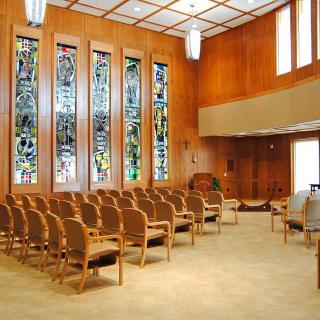
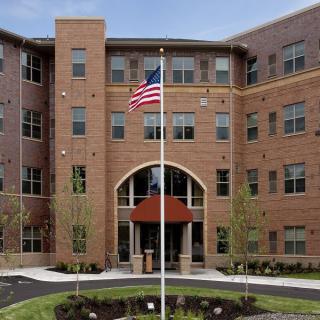
    The assisted living community in St. Paul, MN offers a safe and compassionate environment for individuals seeking assistance with their daily living activities. The community is fully furnished and provides amenities such as cable or satellite TV, Wi-Fi/high-speed internet, a small library, and outdoor space for residents to enjoy.

    Residents also have access to a dining room where restaurant-style meals are served, ensuring that special dietary restrictions can be accommodated. Housekeeping services are provided to ensure a clean and comfortable living environment.

    The community offers 24-hour supervision and assistance with activities of daily living including bathing, dressing, and transfers. Medication management is also available to ensure residents receive their necessary medications on time.

    To promote mental wellness, the community provides a mental wellness program that focuses on the emotional well-being of each resident. This includes resident-run activities as well as scheduled daily activities to keep residents engaged and entertained.

    Conveniently located nearby are cafes, parks, pharmacies, physicians' offices, restaurants, places of worship, theaters, and hospitals for easy access to additional amenities and healthcare services.

    Overall, this assisted living community in St. Paul provides a comfortable and supportive environment for individuals who require assistance with their daily living activities while also offering various amenities and access to nearby facilities for an enriching lifestyle.

    Nearby Places of Interest

    Restaurants

    • Dubliner Pub (0 miles)
    • BlackStack Brewing (0.4 miles)
    • Taco Bell (1.1 miles)
    • Brew Hall (1.3 miles)
    • Surly Brewing Company (1.3 miles)
    • Bole' Ethiopian Cuisine (1.9 miles)
    • Giggles' Campfire Grill - Minnesota State Fair (2 miles)

    Cafes

    • Roundtable Cof (0.5 miles)
    • Groundswell (1.6 miles)
    • Starbucks (2.6 miles)
    • Dunn Brothers Coffee (4.7 miles)
    • Spyhouse Coffee (5.2 miles)

    Physicians

    • HealthPartners Health Center for Women Clinic St Paul (1 miles)
    • Dermatology Consultants P.A. (1.3 miles)
    • Parkway Family Physicians (3 miles)
    • Whittier Clinic (4.4 miles)

    Pharmacies

    • CVS Pharmacy (1.5 miles)
    • Walgreens (2.1 miles)
    • Target Pharmacy (2.7 miles)
    • Walgreens (3 miles)
    • Walgreens (3 miles)
    • Walgreens (3.2 miles)
    • Walgreens (3.2 miles)

    Transportation

    • Minnesota State Fair Transit Hub (1.6 miles)
    • Union Depot (5.1 miles)
    • Concourse D (5.3 miles)
    • Concourse E (5.4 miles)
    • Escape Lounge (5.4 miles)

    Parks

    • Franklin Terrace Off-Leash Dog Park (1.9 miles)
    • Longfellow Park (2.1 miles)
    • Como Park (2.2 miles)
    • Wabun Picnic Area (3.2 miles)
    • Lake Hiawatha Park (3.3 miles)
    • Mill Ruins Park (3.6 miles)
    • Minnehaha Falls Dog Park (3.9 miles)

    Hospitals

    • University of Minnesota Medical Center - East Bank Campus (2.2 miles)
    • Hennepin County Medical Center (3.7 miles)
    • Csc Gi Lab (3.7 miles)
    • VA Medical Center (4.1 miles)
    • United Hospital Joint Relacement Center (4.1 miles)
    • St Joseph's Hospital-St Paul (4.4 miles)
    • Regions Hospital Burn Center (4.6 miles)

    Places of Worship

    • St George Greek Orthodox Church (2.4 miles)
    • WW Studio (3 miles)
    • Cathedral of St Paul (4 miles)
    • Westminster Presbyterian Church (4.3 miles)

    Theaters

    • AMC Rosedale 14 (3.7 miles)

    Frequently Asked Questions

    Where is Safe & Compassionate Home Care?

    Nearby Communities

    • 1 Best Care

      1 Best Care

      St Paul, MN

      5 from 1 review
       

      pro 24/7 supervision with comprehensive ADL support and medication management.

    • United Home Health Care

      United Home Health Care

      St Paul, MN


      pro Restaurant-style dining with 24/7 supervision and daily living support

    • Care Home Care

      Care Home Care

      St Paul, MN

      5 from 2 reviews
       

      pro Intimate 21-bed community with 24/7 supervision and comprehensive care; strong access to nearby healthcare and social amenities.

    • Bridges Mn

      Bridges Mn

      Saint Paul, MN

      2.9 from 40 reviews
       

      pro 24/7 care with furnished apartments and activities.

    • Tlc Hc Of The Twin Cities

      Tlc Hc Of The Twin Cities

      St Paul, MN

      3 from 4 reviews
       

      pro Small, intimate assisted living with comprehensive care and abundant amenities.

    • Our Lady Of Peace Home Care

      Our Lady Of Peace Home Care

      St Paul, MN

      4.8 from 70 reviews
      $3,500 to $6,000 / month

      pro Affordable semi-private option with comprehensive care and engaging activities.

    • Carondelet Village

      Carondelet Village

      Saint Paul, MN

      5 from 2 reviews
       

      pro Warm, skilled staff and a welcoming, home-like environment.

    • New Perspective Senior Living | Highland Park

      New Perspective Senior Living | Highland Park

      Saint Paul, MN

      4.3 from 81 reviews
      $2,272 to $3,769 / month

      pro Caring staff and engaging activities create a warm, supportive environment.

    • Minnehaha Senior Living

      Minnehaha Senior Living

      Minneapolis, MN

      3.7 from 64 reviews
      $3,300 to $3,875 / month

      pro Clean facility with friendly staff and engaging activities.

    Related Resources

    • va benefits for assisted livingAssisted Living Support for Veterans: A Complete and Detailed Overview

      The guide highlights the importance of assisted living facilities for aging veterans needing daily support, discusses unique challenges they face, and outlines available financial assistance from the VA, including the Aid and Attendance program. It emphasizes understanding eligibility criteria and navigating the VA system to access necessary benefits effectively.

    • assisted living vs skilled nursingExploring the Contrasts Between Assisted Living and Skilled Nursing

      The article compares assisted living and skilled nursing facilities, detailing their differing levels of assistance, medical support, cost structures, and day-to-day experiences. It emphasizes that assisted living is for those needing help with daily activities while maintaining independence, whereas skilled nursing facilities provide intensive medical care with 24-hour staff supervision.

    • when to move from assisted living to nursing home8 Key Indicators That Suggest It May Be Time to Transition from Assisted Living to Skilled Nursing Care

      The transition from assisted living to skilled nursing care is often prompted by complex medical needs that assisted living cannot meet, with key indicators including frequent health declines, increased falls, severe memory issues, and caregiver burnout. Families should recognize these signs early to discuss options with healthcare providers and prepare for the emotional and logistical aspects of moving to a facility that offers comprehensive medical support.


    Get Pricing Ask A Question Schedule A Tour Contact Senior Advisor