
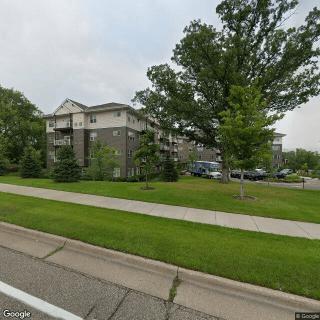
717 Terrace Drive, Roseville, MN 55113
For more information about senior living options: (866) 208-4318
Overall Review of Recovery Home Health Care
Pros
 The company helps clients and provides very helpful services and housing support when they need to move.
- The workers and the company are praised for strong communication and for offering a range of helpful resources and services.
- Relief Health Services has delivered a positive experience, with staff who are very helpful and quick to meet needs, and who support clients through personal challenges and goal attainment.
- The team is excellent at communication, with open responses and reliable follow-through.
- The staff provide stability and understanding for clients with disabilities.
Cons
 The case worker is not involved at all.
- There is gaslighting happening.
- Phone calls go unreturned, even in urgent matters.
Review
Recovery Home Health Care in Roseville is best suited for adults who prize practical, hands-on support delivered by a responsive staff and who are navigating transitions between living arrangements or require ongoing assistance with daily tasks. The community emphasizes fast problem-solving, accessible resources, and a house-level network that can keep residents stable while pursuing personal goals. It is especially suitable for families seeking a local, approachable option focused on reliable daily support rather than high-touch medical complexity or premium amenities. Those seeking a formal, highly engaged case-management relationship may find the structure less prescriptive than ideal.
Any family considering alternatives should note that the strongest caveat is the variability in case-management engagement. If a dedicated case manager with consistent follow-up and a clear escalation path is essential, or if urgent communication must be guaranteed, this provider may not meet those expectations. Additionally, concerns raised about potential gaslighting or urgent calls going unanswered point to potential gaps in accountability that warrant careful verification before committing.
Where the positives genuinely matter, the staff deliver. Reviews repeatedly praise helpful, available workers, excellent communication, and quick responsiveness to needs. The breadth of resources and services, ranging from mobility help to goal support, provides residents with room to advance without requiring frequent moves. The combination of stability and practical assistance helps maintain independence and reduces the strain on families, particularly for those managing disabilities or complex daily routines.
Yet the main concerns linger as practical red flags. The claim that case-management involvement can be minimal means some residents may lack predictable oversight during longer, non-urgent periods. When phone lines go silent in urgent moments, confidence erodes and risk rises. These issues are not universal across all staff but are credible enough to require a proactive plan: confirm who is the primary point of contact, insist on stated response times, and understand how concerns escalate beyond the front desk.
Overall, Recovery Home Health Care offers a solid combination of dependable staffing, effective communication, and real-world resources that can translate into meaningful daily improvements. For many families, those strengths outweigh the potential downsides, especially when a resident benefits from stable, goal-focused support in a familiar environment. However, for households where a highly structured case-management framework and unwavering after-hours responsiveness are non-negotiable, exploring alternatives with more explicit accountability becomes prudent.
Practical steps to inform a decision include scheduling a site visit with time to observe interactions between staff and residents, and requesting a meeting with the assigned case-manager or an operations leader to discuss roles, coverage, and escalation procedures. Ask for documented service levels, after-hours contact options, and how urgent matters are tracked. Confirm the scope of care and how transitions, if needed, are managed. Request references from families with comparable needs to benchmark expectations. With clear expectations in place, the choice can align with the resident’s needs and the family’s tolerance for oversight and responsiveness.
 5 resident community capacity
 Assisted Living
 Cable or satellite TV
 Dining room
 Fully furnished
 Garden
 Housekeeping services
 Move-in coordination
 Outdoor space
 Telephone
 Wi-Fi/high-speed internet available
 Minneapolis-St Paul International (11 miles away)
 24-hour supervision
 Activities of daily living assistance
 Assistance with bathing
 Assistance with dressing
 Assistance with transfers
 Diabetes diet
 Meal preparation and service
 Medication management
 Special dietary restrictions
 Transportation arrangement (medical)
 Transportation to doctors appointments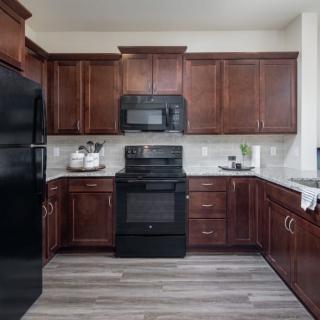






 Vibrant Senior Living: A Comprehensive Guide for Active Older Adults
 When to Transition from Assisted Living to Memory Care: Key Indicators, Steps, and Finding the Right Community
 Assisted Living and Memory Care: Understanding Their Core Differences