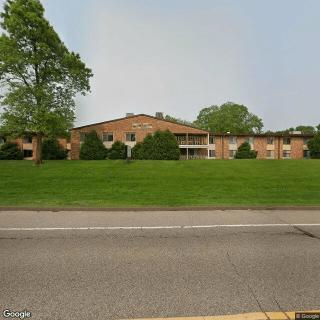
Golden Living Community Lake in Roseville, MN

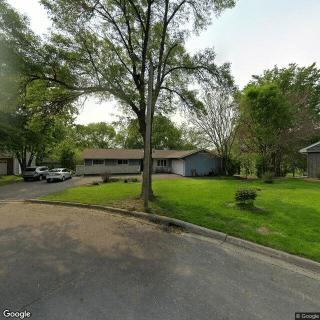
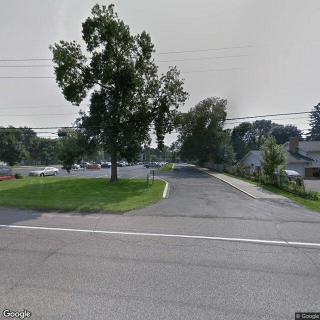
2727 Victoria Street North, Roseville, MN 55113

For more information about senior living options: (844) 490-3973

2.8 from 92 reviews
5 stars
35
4 stars
5
3 stars
4
2 stars
1
1 stars
47

Assisted Living

Overall Review of Golden Living Community Lake

Pros

  • pro The staff are kind and caring, and the therapy team helps residents make great progress.
  • pro The nursing staff are very friendly and genuinely care about residents, knowing them by name.
  • pro Estates at Roseville has incredibly caring staff who go above and beyond for residents.
  • pro The facility is clean and well-kept, with a fresh main dining area and a pleasant atmosphere.
  • pro The staff are engaged and responsive, and they organize community events that foster belonging.
  • pro The staff know what makes residents happy and handle tough days with kindness and compassion.
  • pro The proximity to family and access to nearby activities make Estates at Roseville a great choice for loved ones.
  • pro Staff members like Angie, Katherine, and Mary are highly valued for their exceptional care.

Cons

  • pro The facility smelled strongly of urine and other overpowering odors.
  • pro The rooms looked like jail cells and felt dirty and depressing.
  • pro Residents were often left in hallways in wheelchairs with little interaction from staff.
  • pro Call lights and bed alarms were frequently ignored, leading to neglect and safety concerns.
  • pro Staff used restraints and failed to provide basic care, including adequate hygiene and showers.
  • pro Aides and other staff were reported to be verbally abusive toward residents.
  • pro Medications, therapies, and other essential services were often late or omitted.
  • pro Management did not address concerns professionally and complaints were ignored.
  • pro The environment was old, rundown, and unsafe, suggesting major updates were needed.

Review

Golden Living Community Lake Ridge in Roseville is best suited for families seeking a short-term rehabilitation option with a tangible emphasis on therapy and hands-on staff attention, provided they are prepared to actively oversee care and tolerate an aging building. The strongest case for this community rests on a few families reporting meaningful rehab progress when therapy is consistent and staff members who know residents by name and work hard to help them along. In practice, those outcomes tend to hinge on the day-to-day presence of engaged aides, attentive nurses, and a therapy team that can deliver targetable gains. For long-term memory care or complex medical needs, however, the fit rapidly becomes riskier, as multiple reviews point to persistent gaps in supervision, safety, and daily living basics.

Alternatives deserve serious consideration for anyone prioritizing steady safety, reliable communication, and predictable outcomes. Families should be cautious if a loved one requires consistent, around-the-clock caregiving, coordinated medical oversight, or rigorous infection- and fall-prevention practices. Those who cannot regularly advocate in person or demand detailed, transparent updates should look elsewhere, as several accounts describe delayed responses to call lights, missed medications, and insufficient monitoring. In short, this community can work for short stints or transition care, but the plate of long-term care demands - stability, responsiveness, and a consistently clean, safe environment - often exceeds what the facility reliably delivers.

The strongest positives here - strong personal attention from some staff, a clear therapy focus, and a willingness to accommodate families - do not automatically neutralize the most serious drawbacks. When therapy is active and staff are present, residents can make real strides, sometimes even regaining walk ability or benefiting from targeted rehab plans. Yet those gains are hard to sustain when odor, cleanliness concerns, and inconsistent staffing become the norm. Reports of calls lights going unanswered, beds left in unsafe configurations, and medication lapses undermine any rehab momentum and create a risk profile that outweighs eventual progress for many long-term residents. In other words, the pros can offset only so much if the daily living environment remains unstable and unsafe.

A practical visit strategy sharpens the decision. Prospective families should demand recent, verifiable data on staffing ratios, especially on weekends and night shifts, and request to observe call-light response in multiple units. Inspect hallways and patient rooms for cleanliness and odor, and verify that schedules for PT/OT align with what residents actually receive. Review medication administration procedures, ask to see recent medication logs, and confirm that essential treatments - pain control, seizure precautions, diabetics' needs - are being followed consistently. In memory care, insist on a dedicated, well-supervised program with trained dementia care staff and clear protocols for wandering, safety, and daily cares. These checks separate the hopeful anecdotes from the on-the-ground realities many families encounter.

When comparing to alternatives, the broader pattern matters. Some reviews for nearby estates carry a similar dichotomy: compassionate staff and clean environments in places that still grapple with turnover, communication gaps, or episodic lapses in care. Even the most highly praised aspects - personal kindness, the ability to form trusting relationships, and moments of genuine care - sit beside a chorus of warnings about neglect, delayed responses, and safety scares. This context argues for a cautious approach: do not settle for "adequate." Seek a facility with a consistent record of safety, transparent operations, and a care plan that evolves with the resident's needs, not one that depends on the goodwill of a few staff members.

Bottom line: Golden Living Community Lake Ridge is a risky bet for long-term care, with potential upside in rehab-era outcomes when the therapy team and attentive aides are fully present. For families blessed with the time and discipline to monitor care and demand accountability, it can work as a transitional or short-duration option. For those seeking predictable, reliable, and consistently compassionate long-term care, alternatives with stronger safety metrics and steadier staffing should be prioritized. A decisive next step is to tour with a checklist in hand, interrogate the most recent state and facility records, and compare the daily care promises against the lived experience observed by visiting family members.

Features

Housing

  • 21 resident community capacity 21 resident community capacity

Types of Care

  • Assisted Living Assisted LivingAssisted living facilities provide crucial support and care for seniors who may need help with daily tasks such as medication management, bathing, and meal preparation. These communities offer a safe and comfortable environment where seniors can maintain their independence while receiving the assistance they need to thrive in their golden years.

Amenities

  • Beauty salon Beauty salonBeauty salons are important for seniors because they provide a space for them to feel pampered, socialize, and maintain their personal grooming and hygiene. Regular visits to a beauty salon can help boost seniors' self-esteem and overall well-being.
  • Cable or satellite TV Cable or satellite TVCable or satellite TV is important for seniors because it provides entertainment, news, and companionship, helping to combat loneliness and boredom. It also offers a wide range of programming options tailored to different interests and preferences.
  • Dining room Dining roomDining rooms are important for seniors as they provide a space for socialization, connection, and nutritious meals. They offer opportunities for residents to bond over shared meals, foster a sense of community, and promote healthy eating habits. Dining rooms also ensure that seniors have access to well-balanced meals tailored to their dietary needs and preferences.
  • Fully furnished Fully furnishedFully furnished senior living communities are important for seniors because they provide convenience, comfort, and a hassle-free moving experience. Seniors can easily settle into their new living space without the stress of having to buy and move furniture. This allows them to focus on enjoying their new home and community.
  • Garden GardenGardens are important for seniors as they provide a peaceful and therapeutic environment for relaxation, physical activity, and socialization. Being in nature has been shown to reduce stress, improve mood, and promote overall well-being. Gardens also offer opportunities for seniors to engage in gardening activities, which can improve mobility, flexibility, and cognitive function. Additionally, gardens create a sense of community and connection with others who share a passion for plants and outdoor spaces.
  • Housekeeping services Housekeeping servicesHousekeeping services are important for seniors because they help maintain a clean and safe living environment, promote independence, and reduce the risk of accidents or illnesses. Additionally, having assistance with household chores can alleviate physical strain and allow seniors to focus on other aspects of their well-being.
  • Kitchenette KitchenetteKitchenettes are important for seniors living in senior living communities because they provide the convenience and independence of being able to prepare simple meals and snacks in the comfort of their own living space. This can help promote a sense of autonomy and well-being for seniors, allowing them to maintain some level of control over their dietary choices and daily routines.
  • Move-in coordination Move-in coordinationMove-in coordination is important for seniors because it helps ease the transition into their new living environment. It ensures that all logistics, such as packing, organizing movers, and setting up utilities are taken care of, allowing seniors to focus on settling in and adjusting to their new home. Having a smooth move-in process can alleviate stress and anxiety, making the transition smoother and more enjoyable for seniors.
  • Outdoor space Outdoor spaceOutdoor spaces are important for seniors as they provide opportunities for physical activity, social interaction, exposure to natural light and fresh air, and a sense of connection to nature. Having access to outdoor spaces can improve overall well-being and quality of life for older adults living in senior communities.
  • Telephone TelephoneTelephones are important for seniors as they provide a lifeline for communication with loved ones, emergency services, and healthcare providers. They offer a sense of security and independence, enabling seniors to stay connected and access assistance when needed.
  • Wi-Fi/high-speed internet available Wi-Fi/high-speed internet availableWi-Fi/high-speed internet is important for seniors to stay connected with loved ones, access online resources, and participate in virtual activities to combat feelings of loneliness and isolation. It also allows them to easily manage healthcare needs, access entertainment, and engage in lifelong learning opportunities.

Transportation

  • Minneapolis-St Paul International (11 miles away) Minneapolis-St Paul International (11 miles away)

Care Services

  • 24-hour call system 24-hour call system24-hour call systems are important for seniors because they provide peace of mind and immediate assistance in case of emergencies. This technology ensures that help is always available, promoting safety and security for elderly individuals living alone or in assisted living facilities.
  • 24-hour supervision 24-hour supervision24-hour supervision is important for seniors to ensure their safety, well-being, and access to immediate assistance in case of emergencies or health issues. This constant support provides peace of mind for both seniors and their loved ones, allowing them to age in place with dignity and security.
  • Activities of daily living assistance Activities of daily living assistanceActivities of daily living assistance are important for seniors because they provide essential support with tasks such as eating, bathing, dressing, and mobility. This assistance helps seniors maintain their independence, dignity, and overall quality of life as they age.
  • Assistance with bathing Assistance with bathingAssistance with bathing is crucial for seniors as it helps maintain personal hygiene, prevents infections, and ensures their overall well-being and comfort. It also provides a sense of dignity and independence for seniors who may struggle with this task on their own.
  • Assistance with dressing Assistance with dressingAssistance with dressing is important for seniors because it helps maintain their independence, promotes personal hygiene, prevents accidents and injuries, and improves overall quality of life. This service ensures that seniors can continue to dress comfortably and confidently, despite any physical limitations they may have.
  • Assistance with transfers Assistance with transfersAssistance with transfers is crucial for seniors as it helps prevent falls and injuries, maintains their independence, and ensures they can safely navigate their living environment. It also provides peace of mind for both seniors and their loved ones.
  • Coordination with health care providers Coordination with health care providersCoordination with health care providers is crucial for seniors to ensure proper medical care, medication management, and overall well-being. This collaboration helps prevent overlapping treatments, track progress more effectively, and provide comprehensive support tailored to individual needs.
  • Diabetes diet Diabetes dietA diabetes diet is crucial for seniors as it helps manage blood sugar levels, reduce risks of complications, and improve overall health and well-being. By following a balanced and nutritious diet tailored to their specific needs, seniors can better control their diabetes and enhance their quality of life.
  • Meal preparation and service Meal preparation and serviceMeal preparation and service are crucial for seniors as they may have limited mobility or energy to cook nutritious meals. Having access to healthy and convenient food options can ensure they are getting the proper nutrition needed to maintain their overall health and well-being.
  • Medication management Medication managementMedication management is crucial for seniors to ensure they are taking the right medications at the correct dosages and times. This helps prevent adverse drug interactions, reduces the risk of medication errors, and promotes overall health and well-being. Proactive management also allows for adjustments as needed based on changing health conditions or new prescriptions.
  • Mental wellness program Mental wellness programMental wellness programs are essential for seniors as they promote cognitive stimulation, emotional support, and social engagement. These programs help prevent isolation, depression, and cognitive decline, ultimately enhancing the overall quality of life for older adults.
  • Special dietary restrictions Special dietary restrictionsSpecial dietary restrictions are important for seniors because age-related changes in metabolism and health conditions can make it difficult for their bodies to process certain foods. By following a diet tailored to their specific needs, seniors can maintain their overall health and well-being, manage chronic conditions, and reduce the risk of complications such as malnutrition or food interactions with medications.
  • Transportation arrangement (medical) Transportation arrangement (medical)Transportation arrangements for medical purposes are essential for seniors as they may have difficulty driving themselves to appointments or accessing public transportation. Having reliable and safe transportation options ensures that seniors can receive timely medical care and maintain their health and well-being.
  • Transportation to doctors appointments Transportation to doctors appointmentsTransportation to doctors' appointments is crucial for seniors as it ensures they have access to necessary medical care and support for their health needs. Without reliable transportation, seniors may struggle to attend important appointments, leading to potential delays in treatment and health complications. Providing transportation services helps seniors maintain their overall well-being and quality of life.
Dining

  • Diabetes diet Diabetes dietA diabetes diet is crucial for seniors as it helps manage blood sugar levels, reduce risks of complications, and improve overall health and well-being. By following a balanced and nutritious diet tailored to their specific needs, seniors can better control their diabetes and enhance their quality of life.
  • Special dietary restrictions Special dietary restrictionsSpecial dietary restrictions are important for seniors because age-related changes in metabolism and health conditions can make it difficult for their bodies to process certain foods. By following a diet tailored to their specific needs, seniors can maintain their overall health and well-being, manage chronic conditions, and reduce the risk of complications such as malnutrition or food interactions with medications.

Activities

  • Community-sponsored activities Community-sponsored activitiesCommunity-sponsored activities are important for seniors as they provide opportunities for social interaction, mental stimulation, and physical activity. These activities can help improve overall well-being, combat loneliness and isolation, and promote a sense of belonging and purpose among older adults.
  • Resident-run activities Resident-run activitiesResident-run activities are important for seniors as they encourage social interaction, creativity, and a sense of autonomy. These activities empower seniors to stay engaged and active in their community while fostering meaningful connections with their peers.
  • Scheduled daily activities Scheduled daily activitiesScheduled daily activities are important for seniors because they provide structure, socialization, mental stimulation, and physical activity. Engaging in regular activities can improve overall well-being and quality of life for seniors living in a community setting.

Description

The Golden Living Community Lake in Roseville, MN is a vibrant and comfortable assisted living community designed to provide a high level of care and support for seniors. With a range of amenities and services, residents can enjoy an independent lifestyle while having access to assistance whenever needed.

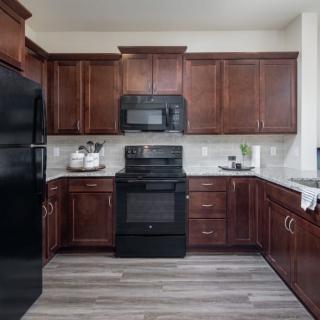
The community offers fully furnished apartments with cable or satellite TV, Wi-Fi, and telephone services. Each apartment also features a kitchenette for those who prefer to prepare their own meals. Housekeeping services ensure that the living spaces are always clean and well-maintained.

Residents can relax and unwind in the beautiful outdoor spaces, including a garden area. Additionally, there is a dining room where delicious meals are prepared according to any special dietary restrictions or preferences. The staff at Golden Living Community Lake also provides medication management, diabetes diet support, and coordination with healthcare providers for comprehensive care.

To ensure the physical and mental well-being of residents, the community offers 24-hour supervision and assistance with daily activities such as bathing, dressing, and transfers. There is also a mental wellness program that promotes emotional health.

Transportation arrangements are available for medical appointments or other needs. Nearby amenities include cafes, parks, pharmacies, physicians' offices, restaurants, places of worship, theaters, ensuring that residents have convenient access to various services and entertainment options.

Golden Living Community Lake prides itself on creating an engaging environment for its residents. Resident-run activities and scheduled daily activities promote socialization and offer opportunities for personal growth. Whether residents want to participate in group outings or enjoy quiet time alone in their apartments or outdoor spaces, there is something for everyone at this assisted living community in Roseville, MN.

Nearby Places of Interest

Parks

  • Central Park Playground (0.5 miles)
  • Owasso Park (0.8 miles)
  • Acorn Park (1.4 miles)
  • Como Park (3.1 miles)
  • Snail Lake Regional Park (3.1 miles)
  • Bear Park (3.7 miles)
  • Silverwood Park (4.4 miles)

Restaurants

  • Olive Garden (1.2 miles)
  • McDonald's (1.9 miles)
  • Taco John's (2.1 miles)
  • Taco Bell (2.3 miles)
  • McCarron's Pub and Grill (2.3 miles)
  • Noodles & Company (2.3 miles)
  • Giggles' Campfire Grill - Minnesota State Fair (3 miles)

Pharmacies

  • Walgreens (1.4 miles)
  • Walgreens (1.6 miles)
  • CVS Pharmacy (1.7 miles)
  • Walgreens (1.9 miles)
  • Walgreens (2.2 miles)
  • CVS Pharmacy (2.3 miles)
  • Walgreens (4 miles)

Theaters

  • AMC Rosedale 14 (1.6 miles)

Cafes

  • Starbucks (2.4 miles)
  • Starbucks (4 miles)
  • Groundswell (4.5 miles)
  • Roundtable Cof (4.9 miles)
  • Starbucks (5.6 miles)
  • Starbucks (5.8 miles)

Places of Worship

  • Shepherd of the Hills Lutheran Church (2.6 miles)
  • St Jerome Elementary School (3.2 miles)
  • North Heights Lutheran Church (4 miles)
  • Cathedral of St Paul (5.5 miles)
  • St George Greek Orthodox Church (5.7 miles)

Transportation

  • Minnesota State Fair Transit Hub (3.4 miles)
  • Union Depot (5.8 miles)

Physicians

  • Entira Family Clinics (4 miles)
  • Cardiovascular Systems (4 miles)
  • Minnesota Vein Center (4.2 miles)
  • Retina Center (4.2 miles)
  • Northern Lights Pediatric & Adolescent Medicine (4.5 miles)
  • Suburban Radiology (4.5 miles)
  • Fairview Clinics (4.9 miles)

Hospitals

  • Regions Hospital Burn Center (5.2 miles)
  • St John's Hospital-Maplewood (5.2 miles)
  • St Joseph's Hospital-St Paul (5.5 miles)
  • University of Minnesota Medical Center - East Bank Campus (5.7 miles)
  • United Hospital Joint Relacement Center (5.8 miles)

Frequently Asked Questions

Where is Golden Living Community Lake?

Nearby Communities

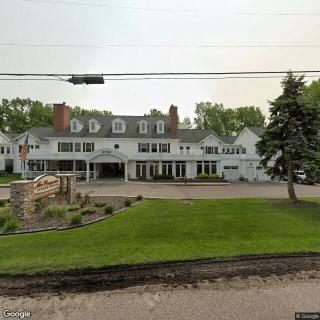
  • Golden Living Center - Lake Ridge

    Golden Living Center - Lake Ridge

    Roseville, MN

     
    $4,080 / month

    pro Competitive private-room pricing with diabetic care specialization.
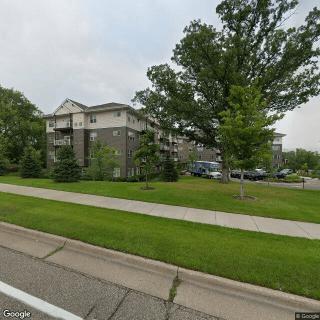
  • Rosewood Estate of Roseville

    Rosewood Estate of Roseville

    Roseville, MN

    4.5 from 26 reviews
    $2,370 to $3,750 / month

    pro Caring staff and a welcoming, well-maintained facility.

  • Amira Choice Roseville at Lexington

    Amira Choice Roseville at Lexington

    Roseville, MN

    4.7 from 46 reviews
     

    pro Modern, well-maintained facility with attentive staff.

  • Recovery Home Health Care

    Recovery Home Health Care

    Roseville, MN


    pro Intimate 5-resident community with 24/7 supervision, ADL support, meals, housekeeping, and coordinated care.

  • The Friendship Home Community

    The Friendship Home Community

    Roseville, MN


    pro 24-hour supervision with diabetes/high-acuity care in a homelike setting

  • The Preserve Of Roseville

    The Preserve Of Roseville

    Roseville, MN

    4.1 from 73 reviews
    $2,700 to $3,450 / month

    pro Beautiful facility with appealing dining and engaging activities.

  • Langton Shores

    Langton Shores

    Roseville, MN

    3.6 from 7 reviews
     

    pro Attentive staff and good meal service with a caring atmosphere.

  • RosePointe I

    RosePointe I

    Roseville, MN

    5 from 50 reviews
    $1,660 to $2,430 / month

    pro Vibrant activities and a friendly staff create a welcoming, active community.

  • Suite Living - Little Canada

    Suite Living - Little Canada

    Little Canada, MN

    2 from 1 review
    $7,700 / month

    pro Dedicated staff and comprehensive memory/assisted living services with in-room dining options.

Related Resources

  • when to move from assisted living to memory careWhen to Transition from Assisted Living to Memory Care: Key Indicators, Steps, and Finding the Right Community

    Transitioning from assisted living to memory care is driven by an individual's cognitive decline and specific needs, requiring careful evaluation of indicators like increased confusion and wandering. The process involves consulting medical professionals, researching suitable communities, considering financial and legal aspects, and ensuring effective communication for personalized care plans.

  • assisted living vs memory careAssisted Living and Memory Care: Understanding Their Core Differences

    Assisted living provides moderate support for seniors seeking independence, while memory care offers specialized support for individuals with dementia or cognitive impairments through structured routines and trained staff. Key differences include care approaches, environment security measures, staff training levels, activity types, and cost considerations.

  • assisted living activitiesBeyond the Bingo Hall: 50+ Enriching Activities for Seniors in Assisted Living

    Assisted living communities offer diverse activities beyond traditional games to enhance seniors' physical health, cognitive well-being, emotional enrichment, and social connections, including fitness classes, creative expression, and intergenerational interactions. These enriching programs foster community bonds and support residents' independence and happiness.