
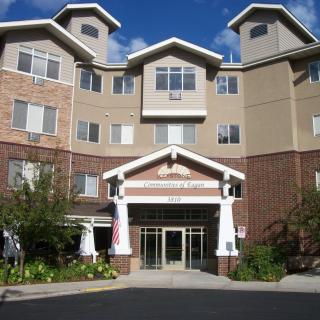
2121 Cliff Drive, Eagan, MN 55122
For more information about senior living options: (866) 208-4318
Happy Feet Footcare Costs & Pricing
Happy Feet Footcare offers competitive pricing for its services compared to the broader market in Dakota County and the state of Minnesota. For a semi-private room, Happy Feet Footcare charges $4,595 per month, which is notably higher than Dakota County's average of $3,691 and slightly above Minnesota's average of $4,051. In contrast, their studio option comes at a rate of $5,595 per month, surpassing both local and state averages - Dakota County's average being $3,683 and Minnesota's at $3,617. While the costs at Happy Feet Footcare may be elevated compared to others in the region, they likely reflect the quality of care and specialized services provided within their facility.
| Floor plans | Happy Feet Footcare | Dakota County | Minnesota |
|---|---|---|---|
| Semi-Private | $4,595 | $3,691 | $4,051 |
| Studio | $5,595 | $3,683 | $3,617 |
Assisted Living communities with a similar price nearby
-
from +$405 / mo
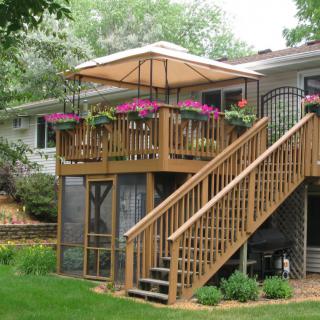
LuAnn's Place
$5,000 to $6,800 / month15.2 miles away -
from -$815 / mo

Lilydale Senior Living
$3,780 / month8.6 miles away -
About the same

Project Caring
$4,700 / month23.6 miles away -
from -$825 / mo
Accurate Homes
$3,770 to $4,350 / month4.2 miles away -
from +$710 / mo

Cherrywood Pointe Of Roseville
$5,305 / month16.6 miles away
Overall Review of Happy Feet Footcare
Pros
 They provide such great service.
- She trims toenails for people who aren't able to do that.
Cons
 They criticize the service for lack of communication and availability, noting conflicting information on the website and voicemail.
- They find the price ridiculous for a brief session lasting about fifteen minutes.
- They describe the seating as uncomfortable and note there are no extra massages or lotions.
- They call the experience barbaric and say they will never go again.
- They report repeated failures to get a return call or email, leading them to stop trying.
- They are disappointed that there is no better place specifically for diabetic nail care.
Review
Happy Feet Footcare in Eagan, MN is best suited for seniors or others who simply need basic toenail trimming because they can’t manage the task themselves. The service appears to fill a narrow niche: a straightforward nail-trimming visit for someone who lacks the dexterity or access to do it safely. It is not a substitute for medical foot care, and it does not convey the sense of a broader pedicure or diabetic foot-management program. Families should approach this option as a practical, utilitarian service focused on a single function, rather than a comprehensive foot-health solution.
The primary advantages are the existence of a dedicated service that will perform nail trimming when independence is limited. In the positive notes, the provider is credited with delivering the essential care of trimming toenails for those unable to do so. That clarity of purpose matters for caregivers who struggle to locate someone to perform this basic, necessary task. Yet the strength of this narrow offering is easily undercut by how it is delivered: a lack of added comfort or therapeutic extras, and a pricing posture that many perceive as salon-level for a 15-minute procedure. The bottom line is simple: if the goal is a bare-bones, capable trim when no one else can do it, the service can meet that need; if the expectation includes spa-like comfort or therapeutic foot care, the alignment collapses quickly.
The cost and accommodation factors tilt the balance toward warning. Several reviewers note uncomfortable seating, no extra lotions or massages, and a clear impression that the service is priced like a higher-end experience despite the absence of those amenities. When a basic trim is valued at salon prices, the perceived value shrinks, especially for families on tight budgets or for residents who require frequent visits. In short, the tangible benefits, cleanly trimmed nails for someone unable to perform the task, do not convincingly outweigh the lack of comfort, added care options, or predictable pricing that accompanies the service.
The most consequential red flag is communication and availability. Repeated complaints describe unanswered calls for weeks, conflicting information on the website and voicemail, and a general sense that scheduling and information flow are unreliable. For families coordinating care, this is a material risk: missed appointments, uncertainty about what is included in a visit, and difficulty planning around medical or daily living routines. In practice, reliability and clear communication are not optional luxuries here; they are prerequisites for any ongoing, supervised footcare plan, particularly for seniors who rely on caregivers to manage logistics.
Diabetic and high-risk foot care is a second-order concern that is not well addressed by this service. The reviews imply that there is no specialized program for diabetic nail care, which matters because diabetes requires careful monitoring for infections, nail trimming techniques that minimize skin trauma, and closer medical oversight. For residents with diabetes or significant foot-health risks, this option should be replaced or supplemented by a podiatrist, a diabetic foot clinic, or a medically supervised foot-care provider with reliable scheduling, documented protocols, and clear communication. The absence of this specialized focus is a meaningful limitation.
In the end, this service should be viewed as a pragmatic stopgap rather than a long-term care cornerstone. It can serve a resident who genuinely cannot trim nails themselves and who has no need for medical-grade foot care, provided expectations are aligned with the realities of reliability and value. For a broader, safer, and more predictable approach, especially for diabetic feet or residents requiring ongoing coordination, seek alternatives with stronger communication, documentation, and clinical oversight. If choosing Happy Feet Footcare, couple the decision with explicit, written expectations: confirm appointment length and price, require written confirmation, verify sterilization and technique, and establish a clear backup plan in case calls go unanswered.
 21 resident community capacity
 Assisted Living
 Beauty salon
 Cable or satellite TV
 Dining room
 Fully furnished
 Garden
 Housekeeping services
 Kitchenette
 Move-in coordination
 Outdoor space
 Restaurant-style dining
 Small library
 Telephone
 Wi-Fi/high-speed internet available
 Minneapolis-St Paul International (6 miles away)
 24-hour call system
 Activities of daily living assistance
 Assistance with bathing
 Assistance with dressing
 Assistance with transfers
 Diabetes diet
 Medication management
 Mental wellness program
 Special dietary restrictions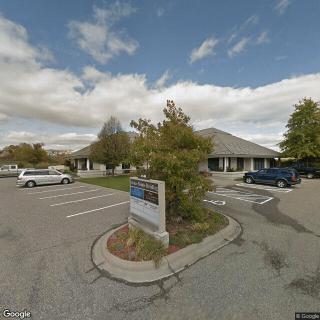

 Beyond the Bingo Hall: 50+ Enriching Activities for Seniors in Assisted Living
 Understanding the Distinctions: Assisted Living and Memory Care Explained
 Guiding Elderly Parents Who Refuse Assisted Living: 6 Practical Steps